
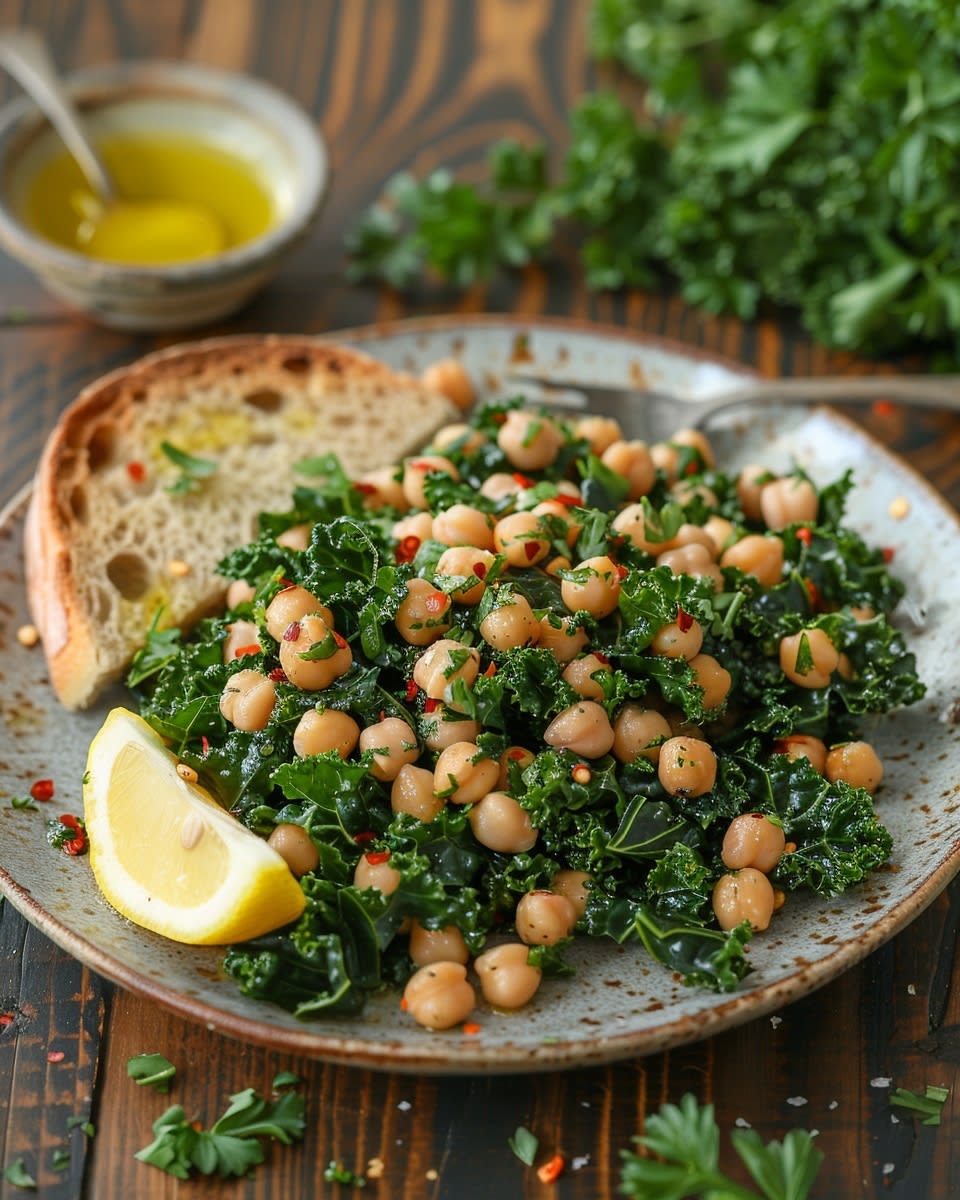
Last Tuesday, I stood in my kitchen staring at a sad bag of wilted kale I’d bought with good intentions five days earlier. You know that moment when you realize your healthy eating plans are about to end up in the compost bin? Instead of giving up, I grabbed a can of chickpeas from my pantry and threw together what became my new favorite lunch. That simple experiment turned into an obsession with kale and chickpea salad that I’ve been making at least twice a week ever since.
If you’ve been looking for a meal that actually tastes good while being ridiculously healthy, you’re in the right place. I’m going to share everything I’ve learned about making the perfect kale and chickpea salad. We’ll cover the classic recipes that started it all, plus tons of variations and creative twists you can try at home.
Let me tell you why this combination works so well. Kale packs more nutrients per calorie than almost any other food you can buy. It’s loaded with vitamins A, C, and K, plus minerals like calcium and iron. Chickpeas bring protein and fiber to the table, which means this salad actually fills you up. I used to think salads left me hungry an hour later, but adding chickpeas changed that completely. Together, these two ingredients create a balanced meal that supports your health without requiring a doctorate in nutrition to figure out.
The Classic Kale and Chickpea Salad Giada
Giada De Laurentiis brought this salad into the spotlight with her version that combines simple ingredients in a way that just works. Her approach focuses on letting the natural flavors shine through without drowning everything in heavy dressing. The beauty of this recipe lies in its simplicity, which makes it perfect if you’re new to cooking with kale.
The foundation starts with fresh kale leaves, preferably the curly variety. You’ll need one large bunch, which seems like a lot at first but wilts down once you massage it. Yes, I said massage, and we’ll get to why that matters in a minute. Giada’s version calls for a can of chickpeas that you drain and rinse well. Some recipes use canned chickpeas straight from the can, but roasted chickpeas take this salad to another level.
Here’s what you need for the classic version:
- One large bunch of curly kale, stems removed and leaves chopped
- One 15-ounce can of chickpeas, drained and rinsed
- Three tablespoons of olive oil
- Two tablespoons of fresh lemon juice
- One clove of garlic, minced
- Salt and black pepper to taste
- Shaved Parmesan cheese for topping
The preparation process is straightforward but requires one special technique. After you chop the kale, place it in a large bowl and drizzle about a tablespoon of olive oil over it. Then use your hands to massage the leaves for about three minutes. This breaks down the tough fibers and transforms kale from chewy and bitter to tender and mild. The first time I tried this, I thought it was silly kitchen theater. But the difference is real and noticeable.
While you massage the kale, you can roast your chickpeas if you want extra texture. Toss them with a bit of olive oil, salt, and any spices you like. Spread them on a baking sheet and roast at 400 degrees for about 20 minutes. They should turn golden and slightly crispy on the outside.
Mix the remaining olive oil, lemon juice, minced garlic, salt, and pepper in a small bowl. This dressing is light but flavorful. Pour it over your massaged kale and toss everything together. Add your chickpeas and give it one more gentle mix. Top with shaved Parmesan and serve immediately.
This classic recipe serves as your base camp for exploring the world of kale and chickpea combinations. Once you master this version, you can branch out into countless variations. The technique stays the same even when you add different ingredients.
Variations and Twists
After making the classic version about a dozen times, I started experimenting with additions and changes. The kale chickpea quinoa salad became my go-to when I needed something more substantial for dinner. Adding cooked quinoa transforms the salad from a side dish into a complete meal. Cook about half a cup of quinoa according to package directions, let it cool, and fold it into your salad. The quinoa adds a nutty flavor and even more protein to an already protein-rich dish.
The kale chickpea feta salad variation is my answer when I want something with more punch. Crumbled feta cheese brings a salty, tangy element that plays beautifully with the earthiness of kale. I usually add about half a cup of crumbled feta along with some chopped cucumber and cherry tomatoes. This Mediterranean-inspired version works great for summer gatherings because it holds up well at room temperature.
Some people swear by the roasted chickpea salad with tahini dressing. The tahini adds a creamy, nutty richness that makes the salad feel more indulgent. To make tahini dressing, whisk together three tablespoons of tahini, two tablespoons of lemon juice, one minced garlic clove, and enough water to reach your desired consistency. The dressing should be pourable but not watery. This version reminds me of the flavors you’d find in serious eats kale chickpea salad recipes that focus on bold, complex tastes.
Here are some other ingredients I love adding to my kale salad variations:
- Dried cranberries or raisins for sweetness
- Toasted almonds or pumpkin seeds for crunch
- Diced avocado for creaminess
- Shredded carrots for color and texture
- Red onion slices for a sharp bite
- Fresh herbs like parsley or cilantro
The key to customizing your kale chickpea recipe is balancing flavors and textures. You want something crunchy, something creamy, something tangy, and something to tie it all together. Don’t be afraid to taste as you go and adjust the seasoning. My salads rarely taste the same twice because I add whatever looks good in my fridge.
One trick I learned through trial and error: make your dressing slightly more acidic than you think it should be. Kale can handle bold flavors better than delicate greens like spinach or arugula. If your dressing tastes perfect on its own, it might taste bland once mixed with all that hearty kale.
You can also play with different types of kale. Lacinato kale, also called dinosaur kale, has a smoother texture and milder flavor than curly kale. Baby kale is more tender and doesn’t require as much massaging. Each variety brings something different to your bowl, so try them all and see which one you prefer.


Advanced Techniques and Tips
Now that you’ve got the basics down, let me share some techniques that’ll take your salad from good to amazing.
I mentioned massaging kale earlier, but let me really break down why this step matters so much. When you massage raw kale with a bit of oil or even just with your hands, you’re physically breaking down the cell walls of the leaves. Kale has thick, fibrous leaves that can be tough and bitter when raw. The massaging process softens these fibers and actually makes the nutrients more accessible to your body. I was skeptical about this when I first heard about it, thinking it was just another food trend that didn’t make a real difference. Then I made two batches side by side, one massaged and one not. The difference was night and day.
Here’s exactly how to massage kale properly. Start with clean, dry leaves that you’ve already stripped from the stems and chopped into bite-sized pieces. Place them in your largest mixing bowl because they take up a lot of space at first. Drizzle about a tablespoon of olive oil over the leaves, or you can use a bit of your dressing if you’ve already made it. Using both hands, grab handfuls of kale and literally squeeze and rub the leaves between your fingers. Keep doing this for about three to five minutes. Your hands will get oily and green, which is totally normal. The kale will start to darken in color and reduce in volume by almost half. When it’s ready, the leaves should feel silky and look slightly wilted rather than stiff and perky.
The transformation reminds me of the way greens wilt when you sauté them, except you’re getting that tender texture without any heat. This technique works beautifully for any massaged kale salad, not just versions with chickpeas. I use it for chicken buddha bowl with veggies recipes too, where the kale needs to stand up to other bold ingredients.
Speaking of transformations, let’s talk about making truly perfect roasted chickpeas. I’ve probably roasted a hundred batches by now, and I’ve figured out exactly what works. Drain your canned chickpeas and rinse them well under cold water. This is crucial because that canned liquid can make them steam instead of roast. After rinsing, spread them out on a clean kitchen towel or paper towels and pat them completely dry. Any moisture left on the chickpeas will prevent them from getting crispy.
Once they’re dry, spread them on a rimmed baking sheet lined with parchment paper. Toss them with about two tablespoons of olive oil, making sure each chickpea gets coated. Season them however you like. For a basic version, salt and black pepper work great. For something with more personality, try smoked paprika, garlic powder, and a pinch of cayenne. Roast them at 425 degrees for about 25 to 30 minutes, shaking the pan every ten minutes so they cook evenly. They’re done when they’re golden brown and feel dry to the touch. Let them cool completely before adding to your salad, otherwise they’ll lose their crunch.
The Serious Eats version of this salad caught my attention because they take a different approach to the chickpeas entirely. Instead of roasting them dry and crispy, they quickly sauté them in a skillet with olive oil, garlic, and red pepper flakes. This creates chickpeas that are warm and slightly crispy on the outside but still creamy inside. The contrast between warm, garlicky chickpeas and cool, tangy kale creates an interesting temperature play that works surprisingly well. They also add torn pieces of crusty bread that soak up the dressing, turning the salad into something that feels more like a main course than a side dish.
By the way, if you’re looking for other nutrient-packed meal ideas that come together quickly, you might want to check out grilled salmon with quinoa for another protein-rich option.
Dressings and Toppings
Here’s the thing about dressing a kale chickpea salad: you need something with enough acidity and flavor to stand up to those sturdy leaves. Delicate vinaigrettes that work beautifully on spring mix will taste like nothing on kale.
So what dressing goes well with kale chickpea salad? My top three choices are lemon-garlic vinaigrette, tahini dressing, and miso-ginger dressing. Each brings something different to the table.
The lemon-garlic vinaigrette is my weeknight go-to because it takes about two minutes to make. Whisk together the juice of one large lemon, one minced garlic clove, a teaspoon of Dijon mustard, and about six tablespoons of good olive oil. Add salt and pepper to taste. The mustard helps emulsify everything so the dressing doesn’t separate. This bright, punchy dressing makes the earthiness of kale really shine.
For tahini dressing, which transforms this into something similar to a roasted chickpea salad with tahini dressing, you’ll need three tablespoons of tahini, juice from one lemon, one small garlic clove minced, two tablespoons of olive oil, and enough water to thin it out. Start by whisking the tahini and lemon juice together. It’ll seize up and look grainy at first, which freaked me out the first time I made it. Keep whisking and slowly add water, a tablespoon at a time, until it becomes smooth and pourable. Then whisk in the garlic, olive oil, salt, and pepper. This dressing is creamy and rich without any dairy, making it perfect if you’re avoiding cheese.
My miso-ginger dressing adds an Asian-inspired twist that pairs beautifully with roasted chickpeas. Combine two tablespoons of white miso paste, one tablespoon of grated fresh ginger, two tablespoons of rice vinegar, one tablespoon of soy sauce, one teaspoon of honey, and three tablespoons of neutral oil. Blend everything together until smooth. This dressing has a savory-sweet complexity that makes the salad taste way more sophisticated than the effort required.
Funny enough, choosing the right dressing can completely change how you experience the same basic ingredients. I’ve served the same kale and chickpea base with three different dressings at a potluck, and people swore they were completely different salads. The dressing isn’t just about moisture; it’s about creating a flavor profile that ties everything together.
For toppings beyond the basics, think about adding elements that provide textural contrast and flavor pops. Toasted seeds like sunflower or pumpkin seeds add crunch without heaviness. Nutritional yeast gives a cheesy flavor if you’re skipping actual cheese. Fresh herbs, especially parsley or mint, brighten everything up. Just like you might top cereal with milk and fruit for a complete breakfast, layering different textures in your salad makes each bite more interesting.
Common Mistakes and How to Avoid Them
Let me save you from the mistakes I made when I was figuring out this whole kale salad thing.
The biggest error people make is adding the dressing too early. I know it’s tempting to dress your salad and let it sit while you finish other meal prep, but dressed kale becomes soggy and sad after about 20 minutes. The exception is if you’re making a massaged kale salad where you intentionally want the greens to wilt slightly, but even then, add the bulk of your dressing right before serving.
Another common mistake is not removing the stems completely. Those thick center ribs running through kale leaves are tough and bitter. Take the extra two minutes to strip the leaves from the stems. Hold the stem with one hand and use your other hand to strip the leaf away in one motion. Your jaw will thank you.
Under-seasoning is probably the second most common issue I see. Kale needs more salt than you think. After you dress your salad, taste it and adjust. It should taste vibrant and well-seasoned, not bland and healthy-tasting in that sad diet food way.
Using wet chickpeas in roasted versions ruins the texture. Always dry them thoroughly, even if it feels tedious. Those few extra minutes make the difference between chickpeas that are crispy and satisfying versus ones that are steamed and mushy.
What are some common mistakes making kale salad that relate specifically to storage? Don’t add avocado or fresh tomatoes until right before eating if you’re meal prepping. These ingredients break down quickly and make everything watery. Keep them separate and add them when you’re ready to eat.
People often ask about the Jennifer Aniston salad because it got so much attention online. What is the Jennifer Aniston salad exactly? It’s basically a grain-based salad she ate daily while filming Friends, made with bulgur wheat, cucumbers, chickpeas, fresh herbs, feta cheese, and a lemon vinaigrette. The reason it became so popular is simple: it’s satisfying, flavorful, and includes a perfect balance of protein, fiber, and healthy fats.
The key takeaway from that viral recipe is balance. You need protein, you need something crunchy, you need acid, you need fat, and you need enough seasoning to make it all taste good together. Whether you’re making a kale salad or something like a quick breakfast wrap, these principles apply across different meals.
One last mistake worth mentioning: buying pre-chopped kale. I get that it’s convenient, but pre-chopped greens lose their nutrients and freshness quickly. A whole bunch of kale stays fresh in your fridge for over a week if you store it properly in a plastic bag with a damp paper towel. The pre-chopped stuff goes bad in three days. Take the five minutes to wash and chop it yourself.


Health Benefits and Nutrition
Okay, let’s get real about why this salad is basically a nutritional powerhouse disguised as lunch. Are kale and chickpeas good for you? That’s like asking if sleeping is good for you. The answer is a resounding yes, and here’s why this combination deserves a permanent spot in your meal rotation.
Kale has earned its superfood reputation honestly. One cup of raw kale contains more vitamin C than an orange, more calcium than a glass of milk per calorie, and seven times the recommended daily amount of vitamin K. That last one is huge because vitamin K plays a critical role in blood clotting and bone health. My grandmother had osteoporosis, which got me thinking more seriously about bone density in my thirties. Adding kale to my regular diet felt like an easy insurance policy.
The vitamin A in kale supports eye health and immune function. It’s also packed with antioxidants like quercetin and kaempferol, which fight inflammation and may protect against certain diseases. I’m not going to claim that eating kale salad will cure anything, but the research on these compounds is pretty compelling. Plus, kale contains alpha-linolenic acid, a type of omega-3 fatty acid that supports heart health.
Here’s something interesting I learned recently: kale is part of the cruciferous vegetable family, along with broccoli, cabbage, and Brussels sprouts. These vegetables contain compounds called glucosinolates that break down into substances with potential cancer-fighting properties when you chew them. The more I learn about what’s actually in this leafy green, the more impressed I get.
Now let’s talk about chickpeas, which bring their own impressive resume to the table. One cup of cooked chickpeas delivers about 15 grams of protein and 12 grams of fiber. That fiber is no joke. It keeps your digestive system running smoothly and helps you feel full for hours. The protein content makes chickpeas a legitimate meat alternative for vegetarians or anyone trying to eat less animal protein.
Chickpeas also contain resistant starch, which acts as a prebiotic to feed the good bacteria in your gut. A healthy gut microbiome affects everything from your immune system to your mood. I used to struggle with afternoon energy crashes until I started eating more fiber-rich foods like chickpeas. The difference in my energy levels throughout the day was noticeable within about a week.
The mineral content in chickpeas deserves attention too. They’re rich in iron, which prevents anemia and supports oxygen transport in your blood. They contain manganese, which helps with bone formation and nutrient metabolism. The magnesium in chickpeas supports muscle and nerve function. And they’re a good source of folate, which is especially important during pregnancy but beneficial for everyone’s cell growth and metabolism.
When you combine kale and chickpeas in one bowl, you’re getting a nearly complete nutritional profile. You’ve got your vitamins, minerals, protein, fiber, and healthy fats if you’re using olive oil in your dressing. The only thing this salad doesn’t provide in significant amounts is vitamin B12, which comes mainly from animal products. But as far as plant-based meals go, this one covers most of your nutritional bases.
Let me break down what a typical serving of kale chickpea salad provides. This assumes about two cups of massaged kale, one cup of chickpeas, two tablespoons of olive oil dressing, and some additional toppings like seeds or cheese.
- Calories: approximately 350-400
- Protein: 15-18 grams
- Fiber: 12-15 grams
- Healthy fats: 15-20 grams
- Carbohydrates: 40-45 grams
- Iron: about 25% of your daily needs
- Calcium: about 20% of your daily needs
- Vitamin C: over 100% of your daily needs
- Vitamin K: over 500% of your daily needs
Those numbers show why this salad actually works as a complete meal rather than just a side dish. The macronutrient balance keeps your blood sugar stable, which prevents those energy crashes that make you reach for junk food mid-afternoon.
By the way, the versatility of kale extends way beyond this particular salad. I use it in smoothies, soups, stir-fries, and even as a pizza topping. A kale chicken salad makes an excellent lunch when you want something heartier than the vegetarian version. Chop some grilled chicken breast and toss it with your massaged kale, add some dried cranberries, slivered almonds, and a honey mustard dressing. You’ve got a completely different flavor profile that still delivers those powerful nutrients.
Kale also works beautifully in warm applications. I’ll often sauté it with garlic and add it to pasta dishes, or I’ll throw a handful into soups during the last few minutes of cooking. Unlike delicate greens that disintegrate when heated, kale holds its structure. This makes it practical for meal prep because it doesn’t turn to mush after a day or two in your fridge.
The thing that makes kale such a staple in a healthy lifestyle is its forgiveness. It doesn’t wilt immediately like lettuce. It doesn’t turn brown when you cut it like some greens do. You can buy a big bunch on Sunday and still be eating fresh-tasting salads on Thursday. For busy people who don’t want to shop multiple times per week, this durability is a game-changer.
Another health benefit worth mentioning is how satisfying this salad is from a psychological perspective. We’ve been taught that healthy food requires sacrifice, that nutrition means eating bland, boring meals. But a well-made kale and chickpea salad with the right dressing and toppings tastes genuinely good. When healthy food actually satisfies your taste buds, you’re way more likely to stick with better eating habits long-term.
I’ve also noticed that eating more nutrient-dense meals like this one has reduced my cravings for processed snacks. When your body gets the vitamins and minerals it actually needs, you don’t feel that constant nagging hunger that drives you to the vending machine. It took me years to realize that my afternoon cookie habit wasn’t about willpower. I was just genuinely hungry because my lunch wasn’t substantial enough.
One consideration about raw kale: some people with thyroid issues worry about goitrogens, compounds in cruciferous vegetables that can potentially interfere with thyroid function. The research suggests this is only a concern if you’re eating massive amounts of raw cruciferous vegetables and you’re also iodine deficient. For most people, the benefits of eating kale far outweigh any theoretical risks. But if you have thyroid concerns, talk to your doctor or consider lightly steaming your kale before adding it to salads.
If you’re working on building more balanced, nutritious meals into your routine, exploring collections of dishes that prioritize whole ingredients can really help. I’ve found inspiration in various healthy lunch ideas that use similar principles of combining protein, fiber, and plenty of vegetables.
The bottom line is this: kale and chickpeas aren’t just good for you in some abstract, theoretical way. They provide real, measurable benefits that you can actually feel in your daily life. Better energy, better digestion, better satiety, and the peace of mind that comes from knowing you’re taking care of your body. And unlike expensive supplements or complicated diet plans, this is just food. Real, simple, accessible food that happens to be incredibly good for you.
I hope this deep dive into kale and chickpea salad has given you the inspiration and knowledge to make this recipe your own. Whether you stick with the classic version or experiment with wild combinations, you now have the techniques and understanding to create something delicious and nourishing. Don’t be afraid to trust your instincts and adjust recipes to match what you actually enjoy eating. The best healthy habit is one you’ll actually maintain, and that starts with food that makes you happy.
Frequently Asked Questions
What dressing goes well with kale chickpea salad?
Lemon-garlic vinaigrette, tahini dressing, and miso-ginger dressing all pair beautifully with kale chickpea salad. The key is choosing something with enough acidity and bold flavor to stand up to the sturdy kale leaves. A basic lemon vinaigrette with Dijon mustard works perfectly for weeknight meals, while tahini dressing adds creamy richness without dairy. Whatever dressing you choose, make it slightly more acidic than you think it needs to be because kale can handle and actually benefits from that extra tang.
What is the Jennifer Aniston salad?
The Jennifer Aniston salad is a bulgur wheat-based salad she reportedly ate daily while filming Friends. It includes bulgur, cucumbers, chickpeas, fresh herbs like parsley and mint, feta cheese, and a lemon vinaigrette. The salad went viral because it demonstrates perfect nutritional balance with protein from chickpeas and feta, fiber from bulgur, and fresh vegetables for vitamins. The concept shares similarities with kale chickpea salads in that both focus on combining satisfying ingredients that provide sustained energy throughout the day.
What are some common mistakes making kale salad?
The most common mistakes include not massaging the kale properly, leaving the tough stems in, and under-seasoning the finished dish. Another frequent error is adding dressing too early, which makes the salad soggy and unappetizing. People also often use wet chickpeas when roasting, which prevents them from getting crispy. Finally, buying pre-chopped kale seems convenient but results in a salad that goes bad much faster than one made with fresh whole leaves that you chop yourself.
Are kale and chickpeas good for you?
Yes, kale and chickpeas are both nutritional powerhouses that provide substantial health benefits. Kale delivers vitamins A, C, and K, plus calcium, iron, and powerful antioxidants that fight inflammation. Chickpeas provide protein, fiber, resistant starch for gut health, and important minerals like iron and magnesium. Together, they create a balanced meal that supports digestive health, provides sustained energy, and delivers most of the nutrients your body needs. The combination is particularly effective because the protein and fiber keep you feeling full for hours, not just minutes like less substantial salads.
How long does kale chickpea salad last in the fridge?
Undressed kale chickpea salad keeps well in the fridge for up to four days when stored in an airtight container. The key is keeping the dressing separate and adding it right before you eat. If you’ve already dressed the salad, eat it within 24 hours for the best texture and flavor. Kale holds up better than most greens, but even this sturdy vegetable gets soggy eventually when sitting in dressing. For meal prep, I pack the salad components separately and combine them when I’m ready to eat.
Can I use frozen kale for this salad?
Frozen kale doesn’t work well for raw salads because freezing breaks down the cell structure, making it too soft and watery when thawed. Frozen kale is perfect for smoothies, soups, and cooked dishes, but for salads you really need fresh kale to get the right texture. Fresh kale maintains its structural integrity after massaging, giving you that perfect tender-but-still-substantial bite. If you only have frozen kale available, consider making a warm kale salad instead where you sauté the thawed greens briefly before assembling.
Should I use canned or dried chickpeas?
Both work well, though canned chickpeas are more convenient for most people. If using canned, drain and rinse them thoroughly to remove excess sodium and that slightly metallic canned taste. Dried chickpeas that you cook yourself have better texture and flavor, but they require planning ahead since they need overnight soaking and about an hour of cooking time. For roasted chickpeas, canned ones actually work great as long as you dry them completely before roasting. I keep both in my pantry and use whichever fits my schedule.
Can I make kale chickpea salad ahead for meal prep?
Absolutely, and kale is one of the best greens for meal prep because it doesn’t wilt quickly. Wash, dry, massage, and portion your kale into containers at the beginning of the week. Add your chickpeas and any sturdy vegetables like shredded carrots or sliced radishes. Keep the dressing separate in small containers or jars. Avoid adding ingredients that break down quickly like avocado, tomatoes, or soft cheeses until you’re ready to eat. This way you can have fresh-tasting salad ready to go for several days.
What can I substitute for chickpeas in this salad?
White beans, black beans, or lentils make excellent chickpea substitutes and provide similar protein and fiber. Edamame works great if you want a slightly different flavor profile with even more protein. For non-legume options, diced grilled chicken, hard-boiled eggs, or cubed tofu provide protein while completely changing the character of the salad. Each substitution creates a different eating experience, so experiment to find what you enjoy most. The massaged kale base works with almost any protein you throw at it.
How do I fix bitter-tasting kale salad?
If your kale tastes too bitter, you probably haven’t massaged it enough or you need more acid and salt in your dressing. Massage the kale for a full three to five minutes until it darkens and reduces in volume significantly. Add more lemon juice or vinegar to your dressing, and don’t be shy with the salt. A pinch of sweetness from honey, maple syrup, or dried fruit can also balance bitterness. Choosing younger, smaller kale leaves rather than large mature ones will also give you a milder, less bitter flavor from the start.
Ingredients
Equipment
Method
- Chop the kale, remove stems, and place it in a large bowl.
- Drizzle 1 tablespoon of olive oil over the kale.
- Massage the kale with your hands for about 3 minutes until tender.
- If using, roast the chickpeas at 400°F for 20 minutes after tossing them in olive oil, salt, and spices.
- In a small bowl, mix the remaining olive oil, lemon juice, minced garlic, salt, and pepper to create a dressing.
- Pour the dressing over the massaged kale and toss to combine.
- Add the chickpeas and give everything a gentle mix.
- Top with shaved Parmesan cheese and serve immediately.