
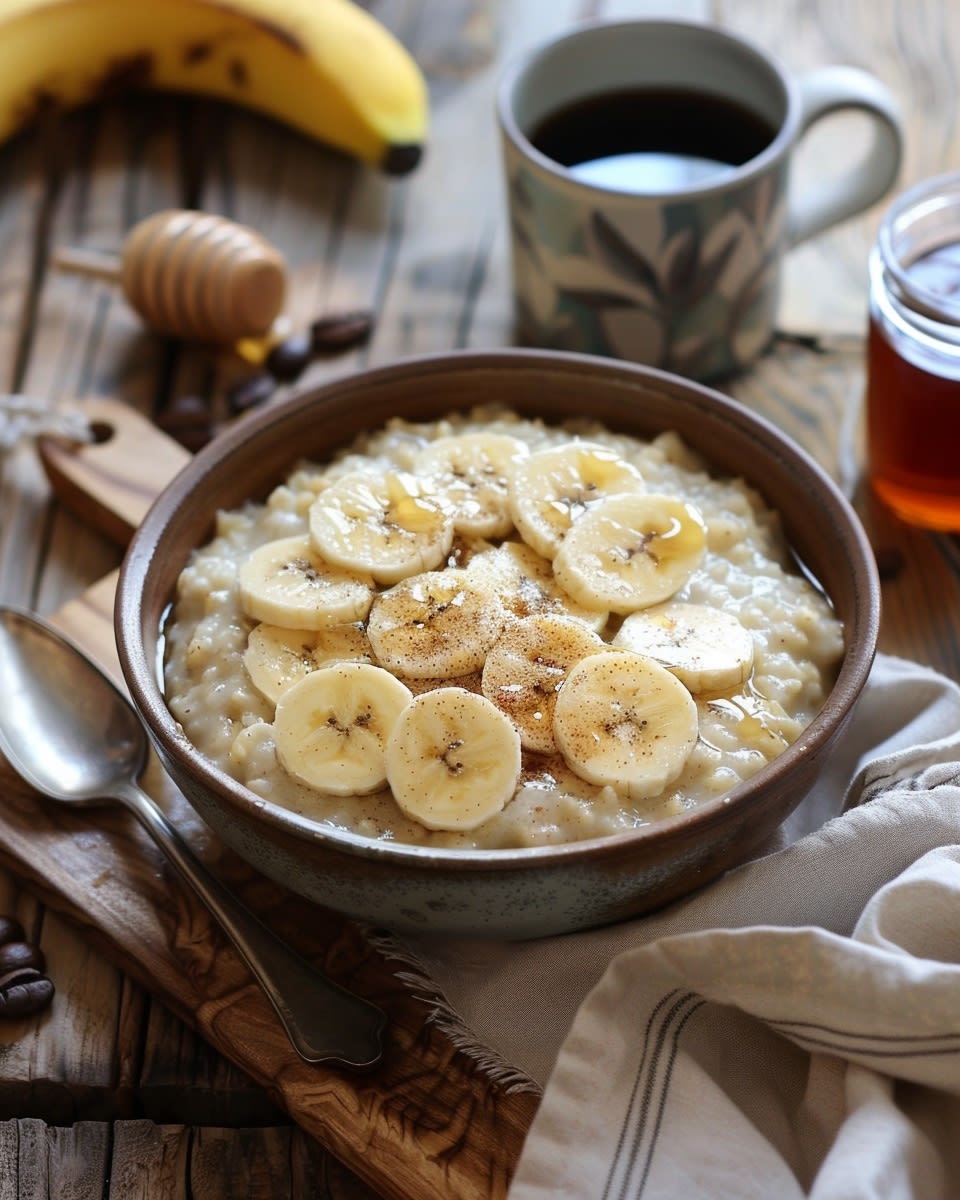
Why I Fell in Love with Microwave Oatmeal with Banana
Picture this: it’s 6:45 AM, and I’m running around my apartment trying to find matching socks while simultaneously checking emails on my phone. Sound familiar? That used to be my every morning until I discovered something that changed my breakfast game completely. I stumbled upon microwave oatmeal with banana during one of those crazy mornings when I had exactly three minutes to eat before rushing out the door. What started as a desperate attempt to grab something nutritious turned into my favorite way to start the day.
The best part? This isn’t some complicated recipe that requires fancy ingredients or kitchen skills. If you can press buttons on a microwave and slice a banana, you’re already halfway there. I’m honestly excited to share this with you because I know how hard it can be to eat well when life gets busy.
This easy-to-make dish isn’t just about speed. It’s about giving your body the fuel it needs without sacrificing taste or nutrition. When I make this breakfast, I actually feel good about what I’m eating. No guilt, no empty calories, just real food that keeps me going until lunch.
Why Choose Microwave Oatmeal with Banana?
Let me tell you why this breakfast option beats grabbing a muffin from the coffee shop or skipping breakfast altogether. First, there’s the obvious time factor. You can make this meal in under five minutes. I’m talking start to finish, including cleanup. That’s faster than most drive-through lines.
But here’s what really matters. Oatmeal provides complex carbohydrates that give you steady energy throughout the morning. Unlike sugary cereals or pastries that cause energy crashes, oatmeal keeps your blood sugar stable. I used to feel tired by 10 AM when I ate toast or bagels. Now I feel alert and focused for hours.
Adding banana takes this breakfast from good to great. Bananas bring natural sweetness, so you don’t need to dump sugar into your bowl. They also pack a serious nutritional punch. One medium banana contains about 3 grams of fiber and 422 milligrams of potassium. Your heart loves potassium because it helps regulate blood pressure.
The Incredible Health Benefits You’re Getting
When you eat microwave oatmeal with banana, you’re feeding your body several important nutrients at once. Let me break down what you’re actually getting in each bowl.
Fiber is probably the superstar nutrient here. Oats contain a special type of fiber called beta-glucan. This fiber helps lower cholesterol levels and supports healthy digestion. One cup of cooked oatmeal gives you about 4 grams of fiber. Add a banana, and you’re up to 7 grams. That’s roughly a quarter of your daily fiber needs in one meal.
I noticed a real difference in my digestion after eating this breakfast regularly for a few weeks. Things just work better, if you know what I mean. My doctor even commented on my improved cholesterol numbers at my last checkup.
B vitamins from oats help convert food into energy. They also support brain function and mood regulation. On mornings when I eat this breakfast, I feel mentally sharper during my work meetings. That’s not just my imagination. The nutrients in oats actually support cognitive function.
Bananas bring vitamin C and vitamin B6 to the table. Vitamin C supports your immune system, which is why I rarely get sick anymore. Vitamin B6 helps your body make serotonin, the feel-good chemical in your brain. Starting your day with foods that support good mood just makes sense.
The manganese in oatmeal helps your body process cholesterol and carbohydrates. It also plays a role in bone health. You’re getting about 70% of your daily manganese needs from one serving of oats.
Perfect for Every Lifestyle
Whether you’re a college student, a busy parent, or someone working from home, this breakfast works for your life. I’ve made it in tiny dorm microwaves and fancy kitchen models. The results are always consistent.
For those of you who hit the gym early, this meal provides the right balance of carbs and nutrients to fuel your workout. I eat mine about 45 minutes before my morning run, and it sits well in my stomach without feeling heavy.
If you’re trying to manage your weight, oatmeal with banana is incredibly satisfying. The fiber keeps you full for hours. I used to snack constantly before lunch, but now I don’t even think about food until noon. That alone has helped me maintain a healthier weight without feeling deprived.
Parents, listen up. This is a breakfast your kids will actually eat. My niece used to refuse breakfast every morning, driving her mom crazy. Then we introduced her to this oatmeal. She loves helping mash the banana and watching it cook in the microwave. Now breakfast is no longer a battle.
The Convenience Factor You Can’t Ignore
I travel a lot for work, and hotel breakfasts can be hit or miss. I’ve started bringing individual packets of oats in my suitcase. As long as the hotel room has a microwave and I can grab a banana from the lobby, I’m set. This saves me money and ensures I eat something healthy even when I’m away from home.
The cleanup is ridiculously easy. You make it in the bowl you eat from. One bowl, one spoon. That’s it. On rushed mornings, this matters more than you might think. I’ve actually timed it – washing up takes about 30 seconds.
Cost-wise, this breakfast is incredibly budget-friendly. A container of oats costs a few dollars and lasts for weeks. Bananas are cheap year-round. Compare that to buying breakfast sandwiches or smoothies every day. I calculated that I save about $150 per month by making this at home instead of buying breakfast out.
It Actually Tastes Amazing
Here’s something important. Healthy food that tastes bad won’t become part of your routine. I’m happy to report that microwave oatmeal with banana is genuinely delicious. The banana adds natural creaminess and sweetness. As the oatmeal cooks, the banana pieces soften and blend into the oats, creating this wonderful texture.
You can customize it to match your taste preferences too. Some mornings I add a sprinkle of cinnamon. Other days I mix in a spoonful of peanut butter for extra protein. The basic recipe is your blank canvas.
My partner was skeptical at first. He’s a bacon and eggs kind of guy. But after trying my oatmeal one morning when we were running late, he was converted. Now he makes it several times a week and has created his own variations.


Getting Your Ingredients Together for the Perfect Bowl
Now that you’re convinced this breakfast deserves a spot in your routine, let’s talk about what you’ll actually need to make it happen. Trust me, you probably already have most of these ingredients sitting in your kitchen right now.
The star of the show is rolled oats. I always keep a big container of them in my pantry because they last forever and cost next to nothing. You want old-fashioned rolled oats, not the instant packets with all the added sugar and artificial flavors. Those quick-cooking oats work too, but I find rolled oats give you better texture. Each half-cup serving of dry oats contains about 150 calories, 5 grams of protein, and 4 grams of fiber. When shopping, look for oats that are uniform in size and have a fresh, slightly sweet smell. Avoid any that look dusty or smell stale.
Next up is milk, and here’s where you have tons of flexibility. I use regular 2% milk most days because I like the creamy texture it creates. You’re getting calcium, vitamin D, and about 8 grams of protein per cup. But honestly, any milk works. My roommate uses almond milk and it turns out great. Oat milk creates this extra creamy consistency that’s almost decadent. Coconut milk adds a subtle tropical flavor that pairs beautifully with banana. If you’re lactose intolerant or vegan, don’t worry at all. Plant-based milks work just as well, though you might want to choose fortified versions to get similar nutrients.
The banana is obviously non-negotiable in this recipe. I usually grab whatever bananas look good at the store, but I’ve learned a few tricks. Slightly ripe bananas with a few brown spots are actually ideal. They’re sweeter and break down better during cooking. Those perfectly yellow bananas without any spots work fine, but you might want to add a tiny drizzle of honey if they’re not quite sweet enough. Each medium banana brings about 105 calories, 3 grams of fiber, and loads of potassium to your bowl. Pick bananas that feel firm but yield slightly to pressure. Avoid any with large bruised areas or ones that feel mushy.
Here’s the thing about optional add-ins. You don’t need them, but they can take your microwave oatmeal with banana from simple to extraordinary. I keep cinnamon on my counter specifically for this breakfast. Just a quarter teaspoon adds warmth and actually helps regulate blood sugar. Honey is my go-to when I want extra sweetness, though I use it sparingly since the banana already provides natural sugar. A tablespoon of honey adds about 60 calories but also contains trace minerals and antioxidants. If you’re looking for something similar to toast with peanut butter and banana, try stirring in a spoonful of peanut butter. It transforms the dish entirely, adding protein and healthy fats that keep you satisfied even longer.
Sometimes I throw in a handful of chopped nuts. Walnuts, almonds, or pecans all work beautifully. They add crunch and healthy omega-3 fatty acids. A quarter cup of walnuts contributes about 200 calories and 5 grams of protein. Toast them lightly in a dry pan before adding for even better flavor. For mornings when I need extra protein, like before a long workout, I stir in a scoop of vanilla protein powder. This turns your oatmeal into a serious power breakfast without making it taste chalky or weird.
Funny enough, my cousin introduced me to adding a pinch of salt to the oats before cooking. It sounds weird, but it actually enhances all the other flavors. We’re talking just a tiny pinch, barely noticeable, but it makes a difference. Some mornings I’ll add chia seeds for extra fiber and omega-3s. They thicken the oatmeal slightly and add this interesting texture.
Making Your Microwave Banana Oatmeal Step by Step
Alright, let’s get into the actual cooking process. I promise this is so straightforward that you could probably do it half-asleep.
Start by grabbing a microwave-safe bowl that’s bigger than you think you need. This is important because oatmeal has this annoying habit of bubbling up and overflowing if your bowl is too small. I learned this the hard way when I had to clean oatmeal off the inside of my microwave. Use a bowl that holds at least 16 ounces even though you’re only making one serving.
Measure out half a cup of rolled oats and dump them into your bowl. Pour in one cup of milk. This 1:2 ratio of oats to liquid is what I’ve found works best for that perfect creamy consistency. If you like thicker oatmeal, use just three-quarters of a cup of milk. For thinner, more porridge-like oatmeal, go up to one and a quarter cups.
Now slice up one medium banana. I usually cut it into rounds about a quarter-inch thick. Some people like to mash half the banana and mix it in, then slice the other half for topping. That method creates this amazing banana-infused base with chunks for texture. Experiment and see what you prefer.
Add about half of your sliced banana directly into the oat mixture. Save the rest for topping later. If you’re using cinnamon, add it now. Same goes for that pinch of salt I mentioned earlier.
Give everything a quick stir with a spoon. You just want to make sure the oats are submerged in the liquid. This takes literally five seconds.
Pop the bowl into your microwave and cook on high for two and a half to three minutes. Every microwave is different, so you might need to adjust this timing. My old microwave needed three full minutes. My new one cooks it perfectly in two minutes and forty seconds. Watch through the window during the last minute. When you see the oatmeal start to bubble and rise up the sides of the bowl, it’s almost done.
By the way, some microwaves have a sensor cooking option for oatmeal. I’ve tried it and it works reasonably well, but I prefer controlling the time myself. You get more consistent results that way.
When the timer goes off, carefully remove the bowl. It will be hot, so use an oven mitt or towel. The oatmeal might look a bit watery at first. Don’t panic. Let it sit for about thirty seconds. During this time, the oats will absorb more liquid and thicken up to that perfect consistency.
Give it another good stir. This helps distribute the banana pieces and creates an even creamier texture. Top with your remaining banana slices. This is when you’d add any other toppings like nuts, an extra drizzle of honey, or a dollop of yogurt with honey and nuts on top for extra indulgence.
The whole process takes about four minutes from start to finish. That’s faster than making quick scrambled eggs and toast, and you only dirty one bowl and one spoon.
Adjusting the Recipe for Your Specific Needs
One of my favorite things about this breakfast is how easily you can modify it. Got dietary restrictions? No problem.
For vegan oatmeal, simply swap regular milk for any plant-based option. Soy milk provides the most protein if that matters to you. Skip the honey and use maple syrup or agave instead. The recipe works exactly the same way.
If you’re gluten-free, just make sure your oats are certified gluten-free. Oats themselves don’t contain gluten, but they’re often processed in facilities that handle wheat. Bob’s Red Mill and Quaker both make certified gluten-free versions that are easy to find.
For those watching their sugar intake or managing diabetes, this recipe is already pretty blood-sugar friendly. The fiber in oats and banana helps slow down sugar absorption. You can make it even better by adding that spoonful of peanut butter or some chopped nuts. The healthy fats further stabilize blood sugar. Skip any added honey or sweeteners.
Athletes or anyone trying to build muscle can boost the protein content significantly. Stir in a scoop of protein powder right after cooking. I prefer vanilla or unflavored. You can also mix in Greek yogurt for a tangy twist and extra protein. Or follow the peanut butter route I mentioned earlier. Two tablespoons of peanut butter adds about 8 grams of protein.
If you’re trying to increase your calorie intake, maybe you’re recovering from illness or just have a fast metabolism, add more calorie-dense toppings. Nut butters, coconut flakes, dried fruits, and granola all work great. I sometimes make a version with almond butter, coconut milk, and sliced almonds that’s probably 600 calories but tastes like dessert.
For kids or picky eaters, presentation matters. Let them choose their toppings. Make a face with banana slices and berries. My niece likes when we make “oatmeal art” together. She’s way more likely to eat something she helped create. You could even blend it smooth if texture is an issue, similar to how you might make a simple breakfast smoothie.
The beauty of this recipe is its flexibility. Once you master the basic version, you can experiment endlessly. I’ve probably made fifty different variations over the past year, and I still haven’t gotten bored with it.


Creative Variations to Keep Your Microwave Oatmeal with Banana Exciting
Here’s the thing about eating the same breakfast every day. Even something delicious can start feeling repetitive after a while. That’s why I’ve spent the last year experimenting with different ways to jazz up my microwave oatmeal with banana. Let me share some combinations that have completely transformed this simple breakfast into something I genuinely look forward to.
My absolute favorite twist is what I call the Apple Cinnamon Banana combo. I dice up about half a small apple and mix it in with the banana before cooking. Add half a teaspoon of cinnamon and maybe a tiny pinch of nutmeg if you’re feeling fancy. The apple pieces soften during cooking but still maintain some texture. It tastes like apple pie for breakfast, but you’re actually eating something incredibly healthy. During fall, this version became my daily go-to. My kitchen smelled amazing every morning.
Then there’s my Chocolate Banana variation that satisfies any sweet tooth. After cooking the oatmeal, I stir in a tablespoon of unsweetened cocoa powder and a teaspoon of honey. The cocoa powder adds this rich, almost dessert-like flavor without much sugar. Top it with a few dark chocolate chips if you want to really treat yourself. My teenager tried this version once and now it’s the only way he’ll eat oatmeal. Sometimes I wonder if he realizes he’s basically eating a nutritious breakfast instead of the sugary cereal he used to demand.
For tropical vibes, try the Coconut Pineapple Banana version. Use coconut milk instead of regular milk, add a few chunks of fresh or canned pineapple along with your banana, and top with toasted coconut flakes. This one transports me back to my vacation in Hawaii. Even on dreary Monday mornings in the middle of winter, this breakfast makes me feel like I’m sitting on a beach somewhere.
The Berry Banana Almond combination works beautifully year-round. Mix in a handful of blueberries or sliced strawberries with your banana. After cooking, top with sliced almonds and a drizzle of almond butter. Berries add antioxidants and a tart flavor that balances the sweet banana perfectly. I make this version whenever I notice my skin looking dull. The antioxidants from berries really do make a difference.
Here’s something unexpected that I stumbled upon by accident. The Savory Banana Oatmeal sounds weird, I know. But hear me out. Use less banana, maybe just a third of one for subtle sweetness. Add a pinch of salt, some black pepper, and top with a fried egg and sliced avocado. It’s more like a grain bowl than traditional oatmeal. My sister thought I was crazy when she saw me making this, but after one bite she admitted it was actually genius. The combination of savory and slightly sweet creates this complex flavor that keeps your taste buds interested.
For coffee lovers, try the Mocha Banana version. Mix in a tablespoon of instant coffee or a shot of cooled espresso with your cocoa powder. It gives you that coffee kick while you eat breakfast. This became my survival strategy during finals week in college. Two energy sources in one bowl.
Pumpkin Spice Banana Oatmeal is obviously mandatory during autumn. Mix two tablespoons of canned pumpkin puree into your oats before cooking. Add the classic pumpkin spice blend with cinnamon, ginger, nutmeg, and a tiny bit of cloves. The pumpkin adds extra fiber and vitamin A. It’s basically fall in a bowl, and yes, I’m one of those people who gets excited about pumpkin season.
Toppings That Take Your Oatmeal from Good to Incredible
Toppings deserve their own discussion because they can completely change your oatmeal experience. I keep a variety of options in my pantry specifically for this purpose.
Nut butters are probably my most-used topping category. A spoonful of peanut butter adds creaminess and protein content that keeps you full for hours. Almond butter tastes slightly sweeter and pairs beautifully with berries. Cashew butter is mild and almost neutral, perfect when you want richness without a strong nutty flavor. I even tried sunflower seed butter once when my friend with nut allergies came over for brunch. It worked surprisingly well.
Chia seeds have become a staple topping for me. I sprinkle a tablespoon on top after cooking. They add omega-3 fatty acids, extra fiber, and create this interesting gel-like texture as they absorb moisture from the oatmeal. Plus they’re packed with nutrients. My mom swears they’ve helped her joint pain, though I can’t scientifically prove that.
When I want crunch, granola is my go-to. Just a quarter cup adds texture contrast that makes every bite more interesting. I make my own granola sometimes, but store-bought works fine. Just check the sugar content because some brands are basically candy disguised as health food. Look for varieties with less than 10 grams of sugar per serving.
Fresh fruit beyond banana opens up endless possibilities. Sliced strawberries, raspberries, blackberries, or blueberries all work wonderfully. During summer, I love adding fresh peach slices. In winter, I’ll dice up a crisp pear. Pomegranate seeds add these little bursts of tartness that wake up your taste buds.
Dried fruit deserves consideration too. Raisins, dried cranberries, chopped dates, or dried apricots add concentrated sweetness and chewy texture. I’m particularly fond of dates because they’re naturally very sweet, so they eliminate any need for additional sweeteners. Just chop two or three Medjool dates and mix them in before cooking. They’ll soften and create pockets of caramel-like sweetness throughout your oatmeal.
For extra decadence, try Greek yogurt as a topping. A dollop of plain Greek yogurt adds tanginess and protein. It creates this amazing temperature contrast too, cool yogurt against warm oatmeal. Sometimes I’ll mix honey into the yogurt first for sweetness.
Seeds and nuts provide healthy fats and minerals. Sliced almonds, chopped walnuts, pecans, or pumpkin seeds all add nutrition and crunch. I like to toast them in a dry pan for a few minutes before adding. The toasting brings out their natural oils and makes them taste richer. Keep a container of mixed toasted nuts and seeds ready to go. It saves time on busy mornings.
Here’s something I discovered recently. Tahini makes an incredible topping. This sesame seed paste is usually associated with savory dishes, but drizzle a little over your banana oatmeal and you’ll understand. It adds nuttiness and calcium. Mix it with a tiny bit of honey first to make it drizzle-able.
My Personal Favorite Combinations and Why They Work
After making literally hundreds of bowls of oatmeal, I’ve settled on a few combinations that I return to again and again. Let me walk you through them and explain why they work so well together.
The Classic Perfection Bowl is where I started, and honestly, it’s still hard to beat. Basic oatmeal with banana, a quarter teaspoon of cinnamon, a drizzle of honey, and a tablespoon of almond butter stirred in after cooking. Top with sliced almonds. This combination gives you complex carbs from oats, natural sugar from banana and honey, healthy fats from almond butter, and protein from almonds. The flavors are balanced, nothing overpowers anything else, and the texture has both creaminess and crunch. It’s what I make when I just want something reliable and delicious.
The Power Breakfast Bowl is my pre-workout version. Oatmeal with banana, a scoop of vanilla protein powder mixed in after cooking, a tablespoon of peanut butter, and topped with chia seeds and a handful of blueberries. This bowl probably has around 25 grams of protein and gives me sustained energy for my entire workout plus recovery. The protein powder I use is plant-based because whey sometimes upsets my stomach before exercise.
The Comfort Food Bowl is what I crave on lazy weekend mornings or when I’m feeling a bit down. Oatmeal made with whole milk instead of my usual 2% for extra creaminess, banana, brown sugar instead of honey, butter mixed in, and topped with toasted pecans. Yes, this version is more indulgent. But sometimes you need that. The butter adds richness that feels luxurious, and the brown sugar creates a flavor similar to oatmeal cookies. I don’t make this every day, but when I do, it feels like a warm hug.
The Tropical Escape Bowl rescued me during a particularly brutal winter. Oatmeal made with coconut milk, banana, pineapple chunks, shredded coconut, and macadamia nuts. The coconut milk makes it incredibly creamy. The pineapple adds bright acidity. Macadamia nuts are buttery and rich. Close your eyes while eating this and you can almost feel sunshine on your face.
The Antioxidant Bowl is what I make when I’m trying to be extra healthy or feel a cold coming on. Oatmeal with banana, a tablespoon of cocoa powder, a handful of blueberries and raspberries, topped with goji berries and dark chocolate chips. Every ingredient in this bowl is packed with antioxidants. Plus it tastes like chocolate berry heaven. My immune system seems to appreciate it because I rarely get sick anymore.
By the way, if you’re looking for more morning inspiration beyond oatmeal, check out these easy breakfast ideas that are equally simple and nutritious.
The Digestive Health Bowl became important after I had some stomach issues last year. Plain oatmeal with banana, a tablespoon of ground flaxseed, chia seeds, a diced prune or two, and a drizzle of honey. Everything in this bowl supports healthy digestion. The fiber from oats, flaxseed, and chia seeds keeps things moving. Prunes are natural and gentle. My gut has never been happier since I started making this version regularly.
Funny enough, I’ve started keeping a little notebook where I jot down new combinations I try. Some are winners, others not so much. That time I tried adding curry powder was definitely a mistake. But experimentation is part of the fun. Don’t be afraid to get creative with your own versions.
Each of these combinations works because they balance different elements. You want sweetness but not too much. Creaminess with some texture. Nutritional variety so you’re getting different vitamins and minerals. And most importantly, flavors that complement each other rather than competing. When you nail that balance, breakfast becomes something you genuinely get excited about.
So go ahead and experiment. Start with the basic recipe I’ve shared, then branch out. Try different spices like cardamom or ginger. Mix in different nut butters. Test various fruit combinations. Make this breakfast your own. There’s no wrong way to do it as long as you’re enjoying what you eat and fueling your body well. That’s the whole point, right? Finding something healthy that also makes you happy.
After a year of making microwave oatmeal with banana almost every morning, I still haven’t gotten bored. That should tell you something about how versatile and satisfying this simple breakfast really is.
The beauty of this breakfast is that it grows with you. Your tastes will change, your nutritional needs might shift, and your schedule will vary. This recipe adapts to all of it. Give it a try tomorrow morning. I think you’ll be surprised at how something so simple can make such a difference in your day.
Frequently Asked Questions About Microwave Oatmeal with Banana
Can I use quick oats instead of rolled oats?
Yes, quick oats work perfectly fine for this recipe. They’ll cook faster, usually in about 1.5 to 2 minutes instead of 2.5 to 3 minutes. The main difference is texture. Quick oats are more finely cut, so they create a softer, slightly mushier consistency. Rolled oats give you more distinct oat texture with a bit more chewiness. I actually keep both types in my pantry and choose based on my mood. If you use quick oats, just watch them carefully because they can overflow more easily in the microwave.
How can I make the oatmeal creamier?
There are several tricks for extra creamy oatmeal. First, use whole milk or a creamy plant-based alternative like oat milk or coconut milk instead of water or low-fat milk. Second, add a pat of butter or a spoonful of coconut oil after cooking and stir well. Third, mash your banana more thoroughly before adding it so it incorporates into the oats instead of staying in chunks. You can also stir in a spoonful of Greek yogurt or cream cheese after cooking. Finally, let your oatmeal sit for a full minute after cooking before stirring. This resting time allows the oats to absorb more liquid and become creamier.
Is it possible to make this recipe ahead of time?
Absolutely, though the texture will be slightly different than fresh. Cook your oatmeal as usual, let it cool completely, then store it in an airtight container in the fridge for up to 5 days. When you’re ready to eat, add a splash of milk to loosen it up since oatmeal thickens when cold. Microwave for about 1 to 1.5 minutes, stirring halfway through. I do this on Sunday nights sometimes to have breakfast ready all week. The banana might brown slightly, but it’s still perfectly safe and tasty. Some people prefer to add fresh banana to each reheated portion instead.
What are some good substitutes for banana if I don’t have one?
Plenty of fruits work as banana substitutes. Applesauce is probably the closest in terms of adding natural sweetness and moisture. Use about a third to half a cup. Mashed sweet potato creates a similar creamy texture and adds extra nutrients. Diced apples or pears add sweetness and texture. A handful of berries brings antioxidants and tartness. You could also use a couple tablespoons of pumpkin puree, especially in fall. Even dried fruits like raisins, dates, or apricots work well. Each substitute changes the flavor profile, so experiment to find what you like best.
Can I use water instead of milk?
Yes, you can definitely use water, though your oatmeal will be less creamy and rich. Water works fine if you’re watching calories or don’t have milk available. To compensate for the thinner texture, I’d recommend adding extra banana or a spoonful of nut butter after cooking. The flavor will be milder with water, so you might want to boost it with cinnamon, vanilla extract, or other spices. I’ve made it with water many times when traveling or in situations where milk wasn’t available. It’s still filling and nutritious, just not quite as satisfying texture-wise.
How do I store leftover oatmeal?
Transfer any leftover oatmeal to an airtight container and refrigerate within two hours of cooking. It’ll keep safely for up to 5 days in the fridge. The oatmeal will thicken considerably as it cools, which is completely normal. To reheat, add a splash of milk or water to thin it out, then microwave for 1 to 2 minutes, stirring halfway through. You can also eat it cold if you don’t mind the thick, pudding-like texture. Some people actually prefer it that way. I don’t recommend freezing oatmeal because the texture gets really weird when thawed.
Why does my oatmeal sometimes overflow in the microwave?
Oatmeal overflows when it boils rapidly and creates foam that rises above your bowl. This happens more often if your bowl is too small or your microwave power is too high. Always use a bowl that’s at least twice the volume of your ingredients. A 16-ounce bowl for a single serving is ideal. You can also reduce the microwave power to 70% or 80% and cook a bit longer. Another trick is to place a wooden spoon across the top of the bowl. This breaks the surface tension and prevents overflow. Watch through the window during the last minute so you can stop it if it starts rising too much.
How many calories are in a basic serving of microwave oatmeal with banana?
A basic serving made with half a cup of rolled oats, one cup of 2% milk, and one medium banana contains approximately 350-400 calories. The oats contribute about 150 calories, the milk around 120 calories, and the banana about 105 calories. This is before adding any toppings or sweeteners. If you add a tablespoon of peanut butter, that’s another 95 calories. Honey adds about 60 calories per tablespoon. This breakfast provides a good balance of carbohydrates, protein, and healthy fats that will keep you satisfied for hours.
Can I add protein powder to my oatmeal without it getting clumpy?
Yes, but timing and technique matter. Never add protein powder before cooking because heat can make it clump badly. Instead, let your oatmeal cook completely, then stir in the protein powder after removing it from the microwave. Add it gradually while stirring continuously. If it seems too thick, add a splash of milk and stir until smooth. Using vanilla or unflavored protein powder works best because they don’t clash with the banana flavor. Some protein powders are better than others for mixing. Plant-based proteins tend to incorporate more smoothly than some whey proteins in my experience.
Is microwave oatmeal as healthy as stovetop oatmeal?
Absolutely. The cooking method doesn’t significantly change the nutritional value of your oats. Whether you cook them in a microwave or on a stovetop, you’re getting the same fiber, vitamins, and minerals. Some people claim that stovetop oatmeal tastes better or has better texture, but that’s completely personal preference. I’ve done blind taste tests with my family, and honestly, nobody could consistently tell the difference. The microwave is simply faster and creates less cleanup. The nutrients in your oats remain intact regardless of how you heat them. What matters most is using quality oats and nutritious toppings.
Ingredients
Equipment
Method
- Grab a large microwave-safe bowl (at least 16 ounces to prevent overflow).
- Measure out 1/2 cup of rolled oats and pour into the bowl.
- Add 1 cup of milk to the oats.
- Slice 1 medium banana and divide it in half; add half to the oat mixture and save the rest for topping.
- If using, add cinnamon and a pinch of salt to the mixture.
- Stir the mixture briefly to ensure oats are submerged in milk.
- Microwave on high for 2.5 to 3 minutes, watching for bubbling.
- Carefully remove the bowl when done; let it sit for 30 seconds to thicken.
- Stir again and top with remaining banana slices and any desired toppings.