
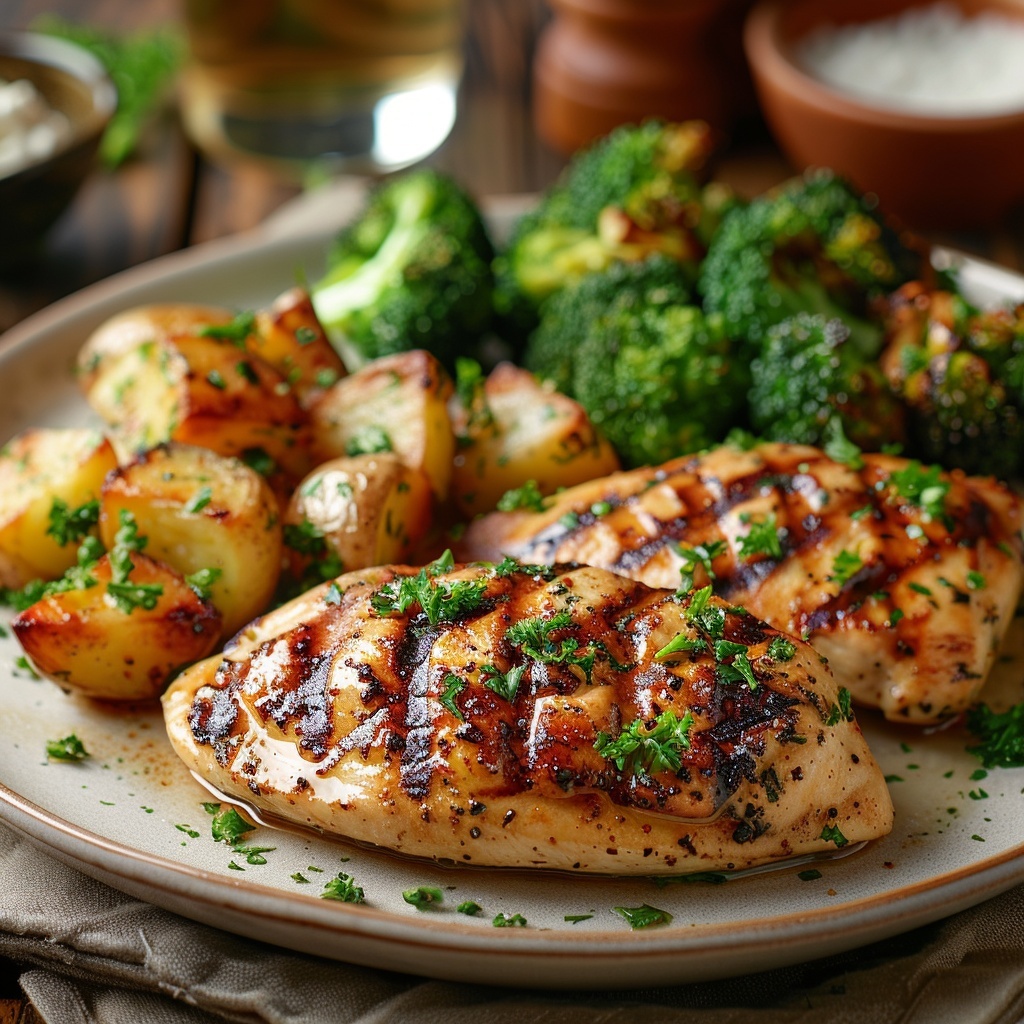
Let me tell you something that changed my weeknight dinners forever. I used to dread those evenings when I’d stare at a package of chicken breasts in my fridge, wondering how to make them exciting again. After serving dry, flavorless chicken one too many times (my husband’s polite smile still haunts me), I decided to collect a handful of foolproof methods that actually deliver juicy, flavorful results every single time. These aren’t fancy restaurant tricks or complicated techniques. They’re simple, reliable recipes that have saved dinner at my house more times than I can count. Whether you’re cooking for picky kids, impressing your in-laws, or just trying to get a decent meal on the table after a long day, these chicken breast recipes will become your kitchen heroes too.
What Makes These Chicken Breast Recipes Special
Chicken breasts get a bad reputation, and honestly, they deserve it sometimes. When cooked poorly, they turn into those sad, rubbery pieces of meat that require half a bottle of sauce just to choke down. But here’s the thing: chicken breasts can be absolutely amazing when you know what you’re doing. My go-to chicken breast recipes focus on three main principles that guarantee success every time.
First, proper seasoning makes all the difference. I learned this the hard way after years of under-seasoning my chicken. These recipes incorporate marinades, dry rubs, and flavor-packed cooking methods that infuse taste throughout the meat, not just on the surface. Second, cooking temperature matters more than you think. Too high and you’ll get a charred outside with a raw center. Too low and you’re eating chicken jerky for dinner. Each recipe includes specific temperature guidance that takes the guesswork out.
Third, and this is the secret that changed everything for me, resting the chicken after cooking is absolutely essential. I used to slice into my chicken the second it came off the heat, watching all those precious juices run onto the cutting board. Now I wait, and the difference is remarkable. These recipes have been tested in my own kitchen dozens of times, tweaked based on feedback from friends and family, and refined until they became the reliable standbys I reach for week after week.
The Story Behind My Chicken Breast Collection
Chicken has been a dinner staple across cultures for centuries, but the boneless, skinless chicken breast as we know it is actually a pretty modern phenomenon. Back in the day, people cooked whole chickens or bone-in pieces, which naturally stayed moist during cooking. The breast meat was considered a delicacy in some cultures, while others preferred the richer flavor of dark meat.
The rise of boneless, skinless chicken breasts came with America’s health-conscious movement in the 1980s and 1990s. Suddenly, everyone wanted lean protein, and chicken breasts fit the bill perfectly. The problem? Nobody really knew how to cook them well. Traditional cooking methods developed for bone-in, skin-on pieces didn’t translate. Cooks across the country struggled with dry, bland results.
My own journey with chicken breasts started when I got married and realized I needed to expand my cooking skills beyond pasta and salads. My mother-in-law gifted me her recipe collection, which included some chicken dishes, but they all seemed to involve mysterious timing instructions like “cook until done.” Not helpful! Over the years, I’ve collected techniques from cooking shows, food blogs, chef friends, and lots of trial and error in my own kitchen. Some recipes have cultural roots, like my herb-crusted version inspired by Mediterranean cooking. Others are pure American comfort food with a twist. What they all have in common is that they actually work.
Why You’ll Love These Go-To Recipes
These recipes solve the biggest problem with cooking chicken breasts: they’re nearly impossible to mess up. I’ve shared them with friends who claim they “can’t cook,” and they’ve succeeded every time. The instructions are clear, the ingredient lists are reasonable, and you don’t need fancy equipment or hard-to-find items.
The flavor profiles cover different moods and preferences. Some nights you want something light and zesty. Other evenings call for rich, comforting flavors. These recipes give you options without requiring you to learn completely new techniques each time. Once you master the basic principles, you can adapt and customize based on what’s in your pantry.
Time efficiency is another huge benefit. Most of these recipes come together in under 40 minutes from start to finish. A few require marinating time, but that’s mostly hands-off. I can throw chicken in a marinade before work, and dinner practically cooks itself when I get home. For busy families, time-saving recipes that don’t sacrifice flavor are absolutely precious.
The versatility factor makes these recipes genuine workhorses in your cooking rotation. Leftover chicken from these preparations works beautifully in salads, sandwiches, wraps, pasta dishes, and grain bowls. I often make extra on purpose, knowing I’ll have ready-to-eat protein for quick lunches throughout the week. This approach has saved me so much money on takeout and made healthy eating way more convenient.
Perfect Times to Make These Chicken Recipes
Weeknight dinners are the most obvious occasion for these chicken breast recipes. When you’re tired from work and the kids are hungry, you need something fast and reliable. These recipes deliver home-cooked meals without the stress of complicated cooking processes. Pair them with simple sides like roasted vegetables or a quick salad, and dinner is done.
Meal prep Sundays become much easier with these recipes in your back pocket. Cook up a batch or two of different varieties, and you’ve got protein sorted for the entire week. The chicken holds up well in the fridge and reheats nicely, making it perfect for planned-ahead eating. I particularly love having pre-cooked chicken ready to throw into lunch salads.
These recipes also work surprisingly well for entertaining. Don’t let their simplicity fool you into thinking they’re not guest-worthy. The herb-crusted version looks impressive on a platter, and the flavor delivery rivals fancier dishes. I’ve served these at casual dinner parties and received requests for the recipes. They’re fancy enough to serve company but easy enough that you won’t be stressed in the kitchen.
Summer barbecues and potlucks are another great opportunity. Many of these recipes adapt well to outdoor cooking, and they’re crowd-pleasers that appeal to a wide range of tastes. They’re also a safer choice than bringing complicated dishes that might not travel well or need last-minute preparation.
Ingredients for My Favorite Chicken Breast Recipe
This list covers the classic version that I make most often. It’s a simple pan-seared chicken with herb seasoning that works with almost any side dish.
- 4 boneless, skinless chicken breasts (about 6-8 ounces each)
- 2 tablespoons olive oil
- 2 teaspoons garlic powder
- 2 teaspoons onion powder
- 1 teaspoon dried oregano
- 1 teaspoon dried basil
- 1 teaspoon paprika
- 1 teaspoon salt
- 1/2 teaspoon black pepper
- 1 tablespoon butter
- Fresh lemon juice (from 1 lemon)
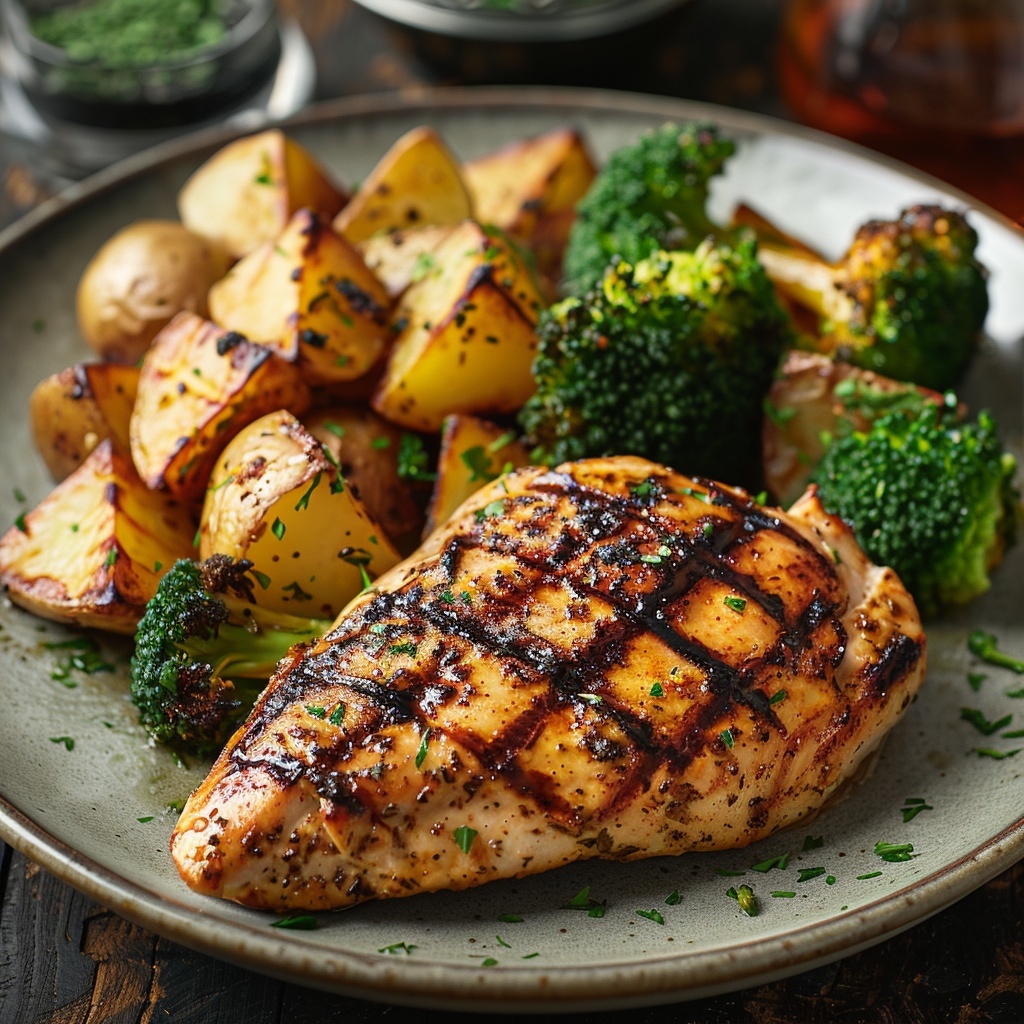
Smart Ingredient Substitutions
Running out of ingredients shouldn’t stop you from making dinner. Here are swaps that work well in these chicken breast recipes without sacrificing too much flavor or texture.
Olive oil can be replaced with avocado oil, vegetable oil, or melted coconut oil. Each brings a slightly different flavor profile, but all work for cooking the chicken. I’ve even used butter in a pinch, though you need to watch the heat more carefully to prevent burning.
Fresh herbs versus dried herbs is a common question. If a recipe calls for dried herbs and you have fresh, use three times the amount. Fresh herbs are milder, so you need more to get the same flavor intensity. The reverse works too: substitute dried herbs at one-third the amount if the recipe lists fresh.
Garlic powder can be swapped for fresh minced garlic (one clove equals about 1/4 teaspoon of powder). Fresh garlic gives a more pungent, sharp flavor that I actually prefer when I have time to mince it. Garlic salt works too, but reduce the additional salt in the recipe to avoid oversalting.
Butter adds richness at the end of cooking, but you can skip it entirely for a lighter dish. Ghee works beautifully as a substitute and has a higher smoke point. For dairy-free cooking, use vegan butter or an extra drizzle of olive oil.
Lemon juice provides acidity that brightens the flavors. Lime juice works equally well, offering a slightly different citrus note. In a pinch, white wine vinegar or apple cider vinegar can provide the acidic element, though use half the amount as they’re more concentrated.
Chicken breasts themselves can be swapped for chicken tenderloins (which cook faster) or chicken thighs (which are more forgiving and stay moister). Thighs need a few extra minutes of cooking time but are harder to overcook, making them great for nervous cooks.
How to Prepare Perfect Chicken Breasts
Step 1: Prep the Chicken
Take your chicken breasts out of the refrigerator about 15 minutes before cooking. Cold chicken straight from the fridge won’t cook evenly, leaving you with overcooked edges and undercooked centers. While they’re coming to room temperature, pat them completely dry with paper towels. This step is crucial because moisture on the surface prevents proper browning. You want that gorgeous golden crust, not steamed chicken.
Now look at your chicken breasts carefully. Most breasts are thicker on one end and taper down to a thinner edge. This uneven thickness causes uneven cooking. To fix this, place each breast between two sheets of plastic wrap or parchment paper. Using a meat mallet or even a heavy pan, gently pound the thicker part until the whole breast is about the same thickness, roughly 3/4 inch throughout. Don’t go crazy and smash it flat. Just even it out a bit.
Some people skip this step, but I promise it makes a noticeable difference. Even thickness means every part of the chicken cooks at the same rate. You won’t have dry, overcooked thin sections while waiting for the thick part to finish. Plus, pounding the meat a bit helps tenderize it by breaking down some of the muscle fibers.
Pro tip: If you don’t have a meat mallet, a rolling pin or even a can of beans wrapped in a towel works just fine. I’ve used all sorts of creative kitchen tools for this job over the years.
Step 2: Season Generously
In a small bowl, mix together your garlic powder, onion powder, oregano, basil, paprika, salt, and pepper. This is your flavor base, and proper seasoning makes all the difference between bland chicken and craveable chicken. Don’t be shy with the spices. Chicken breast is fairly mild and can handle bold seasoning.
Drizzle about half a tablespoon of olive oil over each chicken breast and rub it all over the surface. The oil helps the spices stick and also promotes better browning during cooking. Then take your spice mixture and generously coat both sides of each chicken breast. Press the spices into the meat a bit so they adhere well rather than just sitting on top.
Let the seasoned chicken sit for a few minutes while you heat your pan. This brief rest allows the salt to start working its way into the meat, seasoning it beyond just the surface. If you have time, you can season the chicken up to an hour ahead and keep it in the fridge. Just remember to let it come back to room temperature before cooking.
Pro tip: Make a double or triple batch of the spice mixture and store it in an airtight container. Having pre-mixed chicken seasoning on hand makes weeknight cooking even faster.
Step 3: Heat Your Pan Properly
This step trips up more home cooks than any other. You need a properly heated pan for good results. Place a large skillet, preferably cast iron or stainless steel, over medium-high heat. Add the remaining olive oil and let it heat until it shimmers but doesn’t smoke. This takes about 2-3 minutes. You can test if the pan is ready by flicking a tiny drop of water into it. If the water sizzles and evaporates immediately, you’re good to go.
A hot pan is essential for developing that golden-brown crust that adds so much flavor to the chicken. If your pan isn’t hot enough, the chicken will stick and steam rather than sear. It’ll release moisture and end up gray and sad looking. But if your pan is too hot, the outside will burn before the inside cooks through. Medium-high heat hits the sweet spot.
Don’t use a non-stick pan if you can avoid it. Non-stick surfaces can’t handle the high heat needed for a proper sear, and they don’t develop the flavorful brown bits (called fond) that make pan sauces so delicious. Cast iron is my favorite for this recipe because it holds heat evenly and creates an excellent crust.
Pro tip: Never overcrowd your pan. If your skillet isn’t big enough to fit all four breasts with space between them, cook in batches. Crowding lowers the pan temperature and causes steaming instead of searing.
Step 4: Cook the First Side
Carefully place your chicken breasts in the hot pan, laying them down away from you to avoid any oil splatter. You should hear an immediate sizzle. If you don’t, your pan wasn’t hot enough. Once the chicken is in the pan, resist the urge to move it around. Just let it cook undisturbed for 5-7 minutes.
This patience pays off big time. As the chicken cooks, proteins on the surface bond with the hot pan. Eventually, these bonds release naturally, and the chicken will lift away easily with a beautiful golden-brown crust. If you try to flip it too early, the chicken will stick and tear, leaving that delicious crust attached to your pan instead of your dinner.
You’ll know the chicken is ready to flip when you can slide a spatula under it easily without resistance. The edges will look opaque and cooked about halfway up the side of the breast. Don’t peek too often, though. Every time you lift the chicken to check, you let heat escape and interrupt the cooking process.
Pro tip: If you notice the chicken is browning too quickly or starting to burn, reduce your heat slightly. Better to take an extra minute or two than to serve blackened chicken.
Step 5: Flip and Finish Cooking
Once the first side is beautifully browned, use tongs or a spatula to flip each breast. The second side usually cooks a bit faster than the first, typically 4-6 minutes, because the pan is now fully heated and the chicken itself is partially cooked. This is when I add the tablespoon of butter to the pan, letting it melt and baste the chicken as it finishes cooking.
The butter adds richness and helps develop even more flavor. As it melts, tilt your pan slightly and use a spoon to scoop up the melted butter and drizzle it over the top of the chicken. This basting technique keeps the surface moist and adds a gorgeous sheen to the finished dish.
For perfect doneness, the internal temperature should reach 165°F when measured with an instant-read thermometer inserted into the thickest part of the breast. This is the only truly reliable way to know when chicken is done. Cutting into it to check releases all the juices and dries out your meat. Cooking by time alone is risky because chicken breasts vary so much in size and thickness.
Pro tip: Remove the chicken from heat when it reaches 160-162°F. It will continue cooking from residual heat as it rests and will hit the perfect 165°F without any risk of overcooking.
Step 6: Rest Before Serving
This is the step that many home cooks skip, and it’s such a shame because it makes a huge difference. Transfer your cooked chicken breasts to a clean plate or cutting board and let them rest for 5 minutes. During cooking, the heat drives the juices toward the center of the meat. If you cut into it immediately, all those juices run out onto your plate.
Resting allows the meat to relax and the juices to redistribute throughout the chicken. When you finally slice into it, the juices stay in the meat where they belong, giving you moist, tender chicken with every bite. I know it’s tempting to serve immediately, especially when everyone is hungry, but I promise this short wait is worth it.
While the chicken rests, I squeeze fresh lemon juice over each breast. The bright acidity cuts through the richness and elevates all the herb flavors. You can also make a quick pan sauce during this time if you want to get fancy. Just add a splash of chicken broth or white wine to the hot pan, scraping up those brown bits, and let it reduce for a minute or two.
Pro tip: Tent the resting chicken loosely with aluminum foil to keep it warm, but don’t wrap it tightly. Tight wrapping traps steam and can make your hard-earned crispy crust soggy.
Timing Guide for Chicken Breast Perfection
Understanding the time breakdown helps you plan your meal better and coordinate side dishes. Here’s what to expect when making this recipe from start to finish.
Prep time: 10 minutes. This includes taking the chicken out of the fridge, patting it dry, pounding it to even thickness, mixing your spices, and seasoning the meat. If you’re using pre-mixed spices or skip the pounding step, you can shave this down to 5 minutes.
Cooking time: 12-15 minutes. This accounts for 5-7 minutes on the first side and 4-6 minutes on the second side. Thicker chicken breasts might need an extra minute or two. If you’re cooking in batches because your pan isn’t large enough, add another 12-15 minutes for the second batch.
Resting time: 5 minutes. Non-negotiable if you want juicy chicken. Use this time to finish your side dishes, set the table, or make a quick pan sauce.
Total time: 27-30 minutes from walking into the kitchen to serving dinner on the table. This makes it a perfect weeknight meal that feels special but doesn’t eat up your entire evening.
For meal planning purposes, you can prep the spice mixture ahead of time and even pound and season the chicken breasts in the morning. Store them covered in the fridge, then let them come to room temperature while you heat your pan. This advance prep cuts your active evening cooking time to just about 15-20 minutes.
My Secret for Extra Juicy Chicken
Here’s the trick that changed everything for me: brine your chicken breasts for just 15-30 minutes before cooking. A quick brine involves dissolving salt in water and submerging the chicken. The salt solution helps the meat retain moisture during cooking, making it nearly impossible to end up with dry chicken.
For a basic brine, dissolve 1/4 cup of salt in 4 cups of cold water. Add the chicken breasts and let them sit for 15-30 minutes at room temperature or up to 2 hours in the refrigerator. Don’t go longer than that or the texture becomes unpleasantly salty and mushy. After brining, rinse the chicken thoroughly under cold water and pat it completely dry.
Here’s the important part: reduce the salt in your seasoning mix since the brine already adds salt to the meat. I usually cut the salt in half or eliminate it entirely from the spice rub when I’ve brined the chicken. This technique adds about 15 minutes to your total time but makes a remarkable difference in the final texture. The chicken stays tender and juicy even if you slightly overcook it, giving you a much more forgiving cooking process. It’s especially helpful if you’re cooking for a crowd and can’t monitor the temperature quite as carefully.
A Fun Fact About Chicken and Herbs
Chicken and herbs have been kitchen companions for thousands of years, but there’s an interesting scientific reason why they pair so well together. Herbs like oregano, basil, and thyme contain compounds that actually help tenderize meat. These compounds break down proteins in a gentle way that makes the meat more tender without turning it mushy.
Mediterranean cultures figured this out long before science could explain it. That’s why so many traditional chicken dishes from Greece, Italy, and France feature heavy herb usage. It wasn’t just about flavor. Those herbs were doing actual chemical work to improve the texture of the meat.
Rosemary, in particular, contains natural antioxidants that can help reduce the formation of potentially harmful compounds that form when meat is cooked at high temperatures. So when you add rosemary to your chicken before grilling or pan-searing, you’re not just making it taste better. You’re actually making it a bit healthier too. Pretty cool that traditional cooking wisdom aligns so well with modern food science.
Essential Equipment for These Chicken Recipes
You don’t need a lot of fancy tools to make excellent chicken breast dishes, but having the right basics makes the process smoother and the results more consistent.
Heavy skillet: Cast iron or stainless steel works best for achieving that golden-brown crust. A 12-inch skillet is ideal for cooking four chicken breasts at once with proper spacing. Non-stick pans are okay but won’t give you the same quality sear.
Meat mallet: For pounding chicken to an even thickness. If you don’t have one, a rolling pin or heavy can works in a pinch. I’ve even used a small cast iron skillet to pound chicken when I couldn’t find my mallet.
Instant-read thermometer: This is the single most important tool for cooking chicken perfectly every time. It takes the guesswork out of doneness. Digital thermometers that read in 2-3 seconds are worth the investment. Mine cost about $15 and has lasted for years.
Tongs: For flipping chicken without piercing it and releasing juices. Get sturdy tongs that won’t bend or break when handling heavy pieces of meat. I prefer tongs with silicone tips that won’t scratch my pans.
Cutting board: A large, stable cutting board gives you space to pound and prep your chicken safely. Plastic boards are easier to sanitize after handling raw chicken. Whatever you use, make sure it’s designated for raw meat and gets thoroughly cleaned after use.
Sharp knife: For trimming any excess fat or cutting chicken to size if needed. A sharp knife is safer and more efficient than a dull one. You want to slice through chicken cleanly, not saw at it.
How to Store Leftover Chicken Breast
Proper storage keeps your cooked chicken safe to eat and maintains the best possible texture and flavor. Cooked chicken breasts should be refrigerated within two hours of cooking. Let them cool to room temperature first, but don’t leave them sitting out longer than that two-hour window. Bacteria multiply quickly at room temperature, and chicken is particularly susceptible.
For short-term storage up to 3-4 days, place the cooled chicken in an airtight container or wrap it tightly in aluminum foil or plastic wrap. Keeping air exposure minimal prevents the chicken from drying out in the refrigerator. I like to slice leftover chicken before storing it because it takes up less space and makes it easier to grab what I need for salads or sandwiches. Store the sliced chicken in a container with a tight-fitting lid. If the chicken seems a bit dry, I sometimes add a tablespoon of chicken broth or olive oil to the container to help keep it moist.
For longer storage, freezing is your best option. Cooked chicken breasts freeze well for up to 3 months. Wrap each breast individually in plastic wrap, then place them all in a freezer-safe bag or container. This double-wrapping prevents freezer burn and makes it easy to thaw just what you need. Label the container with the date so you can track how long it’s been frozen. To thaw, move the frozen chicken to the refrigerator the night before you plan to use it. For faster thawing, seal the wrapped chicken in a plastic bag and submerge it in cold water, changing the water every 30 minutes. Never thaw chicken on the counter at room temperature.
Tips and Advice for Better Chicken Breasts
These practical tips come from years of making chicken breasts multiple times a week. They address the most common questions and concerns I hear from friends learning to cook chicken.
Buy similar-sized breasts: When possible, choose chicken breasts that are roughly the same size. They’ll cook at the same rate, making timing much easier. If you end up with different sizes, remove smaller pieces earlier.
Don’t skip the oil: Even if you’re watching calories, you need some fat for proper browning and flavor. The oil also helps prevent sticking. You can get away with less oil in a well-seasoned cast iron pan, but don’t eliminate it entirely.
Season more than you think: Chicken breast is mild and needs bold seasoning. What feels like too much seasoning raw will taste just right once cooked. Don’t be timid with your spices.
Let the chicken release naturally: If your chicken is sticking to the pan, it’s not ready to flip yet. Give it another minute or two, and it will release on its own. Forcing it too early tears the meat and leaves your crust behind.
Use the finger test as a backup: If you don’t have a thermometer, gently press the thickest part of the chicken. It should feel firm with just a slight give, similar to the flesh at the base of your thumb when you make a loose fist. Soft and squishy means undercooked.
Make extra for meal prep: Cooked chicken breast is incredibly versatile. Make a double batch and use the extras in salads, wraps, pasta, grain bowls, or sandwiches throughout the week.
Marinate for deeper flavor: While the basic seasoning method works great, marinating for 2-24 hours creates even more flavorful chicken. Use an acid like lemon juice or vinegar, oil, and your seasonings. The acid helps tenderize the meat.
Tent while resting: Loosely cover the chicken with foil while it rests to keep it warm without trapping so much steam that the crust gets soggy.
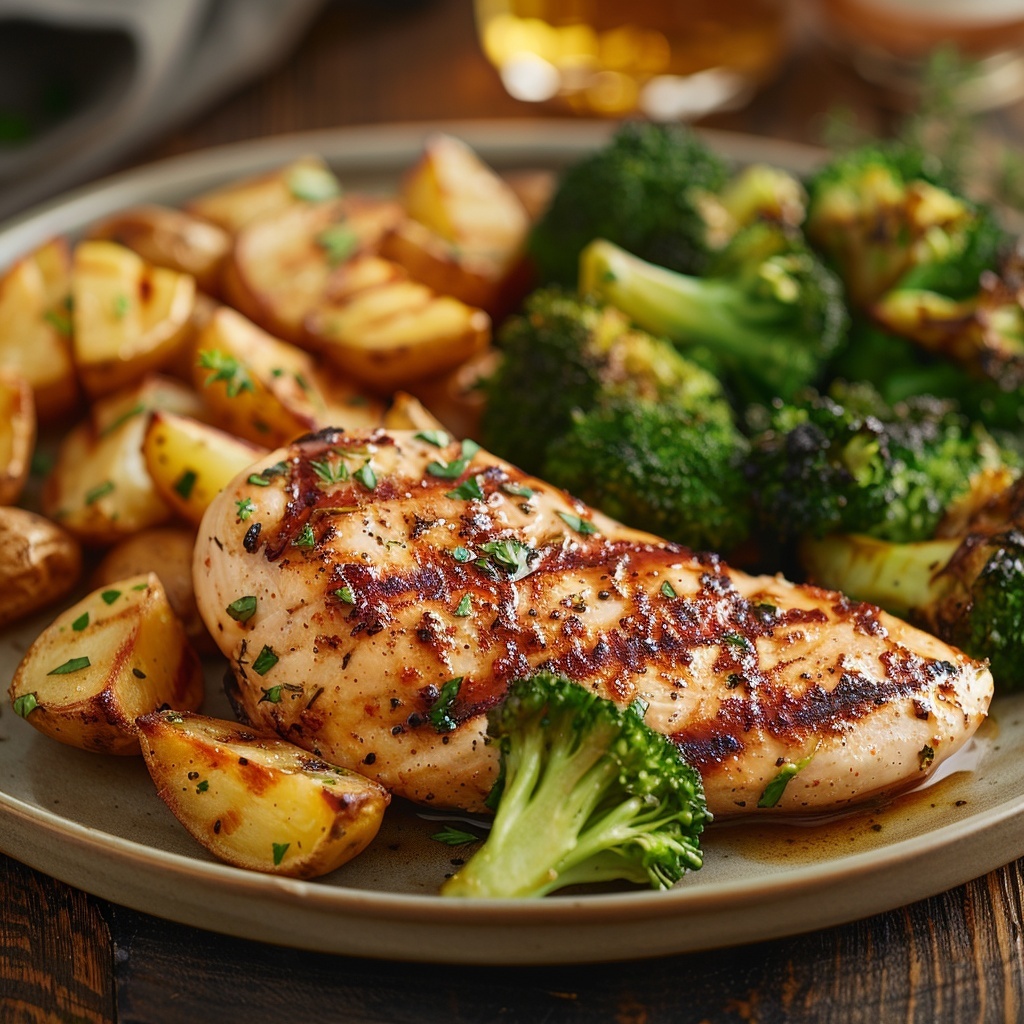
Beautiful Ways to Present Your Chicken
Presentation might seem like an extra step when you’re just cooking for family, but taking a minute to make your food look appealing actually makes it taste better. Our eyes influence our perception of flavor more than most people realize.
Slice on the bias: Instead of cutting straight down through the chicken, angle your knife to create longer, more elegant slices. Fan these slices on the plate for a restaurant-quality look.
Add fresh herbs: A sprinkle of freshly chopped parsley, basil, or cilantro adds a pop of color and fresh flavor. Even if you used dried herbs in cooking, fresh herbs for garnish make a visual difference.
Drizzle with sauce: A simple lemon butter sauce, balsamic reduction, or herb oil drizzled over the chicken or artfully around the plate elevates the presentation immediately.
Use color contrast: Serve your golden chicken on a bed of vibrant green vegetables or next to bright roasted red peppers. The color contrast makes everything look more appetizing.
Stack components: For a fancy presentation, place a mound of mashed potatoes or rice on the plate, top with the chicken breast, and then add a vegetable garnish on top of the chicken.
Add lemon wedges: Fresh lemon wedges on the plate look pretty and serve a practical purpose. Your diners can add extra brightness if they want it.
Healthier Alternatives for Different Dietary Needs
One of the best things about chicken breast recipes is how easily they adapt to various dietary preferences and health goals. These variations maintain the core techniques while adjusting ingredients to fit different needs.
Keto-Friendly Chicken Breast
The basic recipe is already quite low in carbs, but you can make it even more keto-appropriate by increasing the fat content. Use extra olive oil or butter, and finish with a rich cream sauce made from heavy cream, butter, and parmesan cheese. Add high-fat garnishes like avocado slices or a dollop of full-fat sour cream. Pair with cauliflower rice or zucchini noodles instead of traditional carb-heavy sides.
The spice blend works perfectly for keto eating. Skip any honey-based marinades or sweet glazes that might be in other variations. Focus on savory, herb-forward flavors that complement the chicken without adding sugar. This version is incredibly satisfying and keeps you full for hours thanks to the protein and fat combination.
Paleo-Approved Chicken
Paleo eating eliminates dairy and processed ingredients, which means swapping the butter for ghee or additional olive oil. Use only spices and herbs without any additives or anti-caking agents. Coconut aminos can replace any soy-based marinades if you’re trying other variations. The core technique remains exactly the same.
This version focuses on the natural flavors of the chicken enhanced by herbs and quality fats. Serve with roasted sweet potatoes and a big green salad for a complete paleo meal. The simplicity of ingredients aligns perfectly with paleo principles while delivering maximum flavor.
Low-Sodium Option
For those watching sodium intake, eliminate the salt from the spice mix and rely on other flavors for seasoning. Fresh herbs provide much more flavor than dried versions, so use fresh whenever possible. Lemon juice, vinegar, and other acids brighten flavors without adding sodium. Garlic, onion, and pepper add flavor dimensions that make you less likely to miss the salt.
Cook the chicken in the same way but finish with a squeeze of fresh lemon and maybe a drizzle of high-quality olive oil. You can also make a quick low-sodium sauce using unsalted chicken stock reduced with fresh herbs. This version proves that you don’t need a ton of salt for flavorful chicken breast.
Mediterranean-Style Variation
This variation embraces the flavors of Greece and Italy by using Mediterranean herbs and finishing elements. Add dried oregano, basil, and thyme to your spice mix. After cooking, top the chicken with a mixture of chopped tomatoes, cucumbers, red onion, and kalamata olives dressed with olive oil and red wine vinegar. Crumbled feta cheese adds a salty, tangy element.
The cooking method stays the same, but the finishing ingredients transport the dish to the Mediterranean. Serve with a Greek salad and some crusty bread for a complete meal. This version is perfect for summer eating when you want something light and fresh.
Asian-Inspired Chicken
Transform the basic chicken breast into an Asian-influenced dish by changing up the seasonings. Use a marinade of soy sauce, fresh ginger, garlic, and a touch of sesame oil. After cooking, slice the chicken and serve over rice with steamed vegetables. Drizzle with a sauce made from soy sauce, rice vinegar, honey, and sriracha.
The pan-searing technique remains your foundation, but the flavor profile completely changes with different seasonings. Add sliced green onions and sesame seeds as garnish. This version works beautifully in stir-fries or served cold over salad with an Asian-style dressing.
Mexican-Spiced Variation
Replace the Italian herbs with a Mexican spice blend featuring cumin, chili powder, smoked paprika, and a pinch of cayenne. After cooking, slice the chicken and use it in tacos, burrito bowls, or fajitas. Top with fresh salsa, guacamole, and a squeeze of lime. The smoky, spicy flavors pair perfectly with black beans, rice, and roasted peppers.
This variation demonstrates how versatile the basic pan-seared technique is. Same cooking method, completely different flavor outcome. It’s perfect for taco Tuesday or whenever you’re craving Mexican food but want to keep things relatively healthy.
Common Mistakes to Avoid
Mistake 1: Cooking Chicken Straight from the Fridge
This is one of the most common errors that leads to unevenly cooked chicken. When you put cold chicken in a hot pan, the outside cooks much faster than the inside. By the time the center reaches a safe temperature, the outer portions are dry and overcooked. Cold meat also tends to stick more to the pan.
Take your chicken out of the refrigerator about 15-20 minutes before you plan to cook it. This allows the meat to come to room temperature, which promotes even cooking throughout. The chicken will also develop a better crust because you won’t be fighting against that internal cold temperature. If you forget this step occasionally, it’s not the end of the world, but it does make a noticeable difference in the final result.
Mistake 2: Using Too Low of a Heat Setting
Many home cooks are nervous about high heat and turn their burner to medium or even medium-low. This results in chicken that steams rather than sears, creating a gray, bland surface instead of a golden-brown, flavorful crust. Low heat also means longer cooking time, which increases the risk of drying out the meat.
Medium-high heat is your friend when cooking chicken breasts. Yes, it feels a bit scary at first, but a properly heated pan is essential for good results. The key is to watch your chicken and adjust if things are browning too quickly. Start with medium-high, and if you see smoking or burning, reduce slightly. With practice, you’ll learn exactly what setting works best on your particular stove and with your particular pans.
Mistake 3: Flipping the Chicken Too Often
There’s a temptation to fuss with your chicken, flipping it multiple times or moving it around the pan. Every time you flip or move the chicken, you interrupt the browning process. Those beautiful brown crusts develop when the meat stays in contact with the hot pan undisturbed. Constant flipping also increases the chance of the chicken breaking apart or the coating falling off.
Flip your chicken exactly once. Put it in the pan, leave it alone for 5-7 minutes, flip it, and leave it alone for another 4-6 minutes. That’s it. Resist the urge to peek, poke, or move things around. Trust the process and practice patience. The only exception is if you’re spooning butter over the top during the final minutes of cooking, which is actually beneficial.
Mistake 4: Skipping the Meat Thermometer
Guessing when chicken is done based on time alone or cutting into it to check leads to either undercooked chicken or dry, overcooked chicken. Chicken breasts vary so much in size and thickness that cooking times are really just estimates. Visual cues can be misleading too. An instant-read thermometer removes all the guesswork.
Insert the thermometer into the thickest part of the breast, making sure not to touch any bone if you’re cooking bone-in pieces. You’re looking for 165°F for safe consumption. I actually remove my chicken at 160-162°F and let carryover cooking bring it to 165°F during the resting period. This prevents overcooking. A good thermometer costs $10-20 and will improve your chicken cooking immediately.
Mistake 5: Cutting Into the Chicken Immediately
This mistake breaks my heart every time I see someone do it. After all the care you’ve taken to cook the chicken properly, slicing into it immediately means all those precious juices run out onto the cutting board. You’ll literally watch the moisture leave your chicken. What should be juicy and tender becomes dry within seconds.
Always let your chicken rest for at least 5 minutes after cooking. I know you’re hungry and ready to eat, but this short wait makes all the difference between okay chicken and amazing chicken. The resting period allows the juices to redistribute throughout the meat. When you finally cut into it, the moisture stays where it belongs. Tent the chicken loosely with foil if you’re worried about it getting cold.
Frequently Asked Questions
How do I keep chicken breast from drying out?
The most effective strategies for preventing dry chicken breast include not overcooking it, using a meat thermometer to check for doneness at 165°F, and allowing the chicken to rest after cooking. Pounding the chicken to an even thickness helps it cook uniformly so some parts don’t dry out while waiting for thicker sections to finish. Brining for 15-30 minutes before cooking adds moisture that stays in the meat during cooking. Using enough oil or fat during cooking and not cooking at too high of a temperature also prevents the exterior from drying out before the interior is done.
Can I use frozen chicken breasts for these recipes?
You should always thaw chicken completely before cooking for the best results. Frozen or partially frozen chicken cooks unevenly, with the outside overcooking before the inside thaws and cooks through. The safest way to thaw chicken is in the refrigerator overnight, which takes about 24 hours for a package of breasts. For faster thawing, seal the chicken in a leak-proof bag and submerge it in cold water, changing the water every 30 minutes until thawed. Never thaw chicken on the counter at room temperature, as this creates food safety risks.
What’s the best way to know when chicken is fully cooked?
An instant-read thermometer is the only reliable way to determine if chicken is fully cooked. Insert it into the thickest part of the breast, and it should read 165°F for safe consumption. Visual cues like clear juices or white meat are less reliable because chicken can look done but still be undercooked in the center, or it can look slightly pink but actually be safe to eat. Cutting into the chicken to check releases all the juices and dries out your meat, so a thermometer really is the best investment you can make for cooking chicken perfectly every time.
Why does my chicken stick to the pan?
Chicken sticks to the pan for several reasons, most commonly because the pan wasn’t hot enough when you added the chicken, you’re trying to flip it before it’s developed a proper crust, or there isn’t enough fat in the pan. Make sure your oil is shimmering before adding chicken. Once the chicken is in the pan, let it cook undisturbed until it releases naturally, which usually takes 5-7 minutes on the first side. Using a well-seasoned cast iron pan or quality stainless steel also helps prevent sticking. Non-stick pans eliminate this problem but don’t develop as good of a crust.
Can I bake chicken breasts instead of pan-searing them?
You absolutely can bake chicken breasts instead of pan-searing them, though the texture and flavor will be slightly different. For oven-baked chicken, preheat your oven to 400°F, season the chicken the same way, and place it on a baking sheet. Bake for 20-25 minutes until the internal temperature reaches 165°F. Baked chicken won’t have the same golden-brown crust that pan-searing provides, but it’s a great hands-off method when cooking for a crowd or when you want to use the stovetop for side dishes. You can brush the chicken with oil or butter halfway through to add moisture.
How long can I keep leftover cooked chicken in the fridge?
Cooked chicken breasts will stay safe and taste good in the refrigerator for 3-4 days when stored properly in an airtight container. Make sure to refrigerate the chicken within two hours of cooking to prevent bacterial growth. For best texture and flavor, use the leftover chicken within this timeframe. After 4 days, the quality deteriorates and food safety becomes questionable. If you know you won’t use the leftovers within 4 days, freeze them instead. Properly wrapped cooked chicken stays good in the freezer for up to 3 months.
Do I need to wash chicken before cooking it?
You should never wash raw chicken before cooking it. This advice surprises many people, but washing chicken actually spreads bacteria around your sink and kitchen through water splatter. Any bacteria on the chicken will be killed during proper cooking anyway. The USDA specifically recommends against washing poultry. Instead, simply pat the chicken dry with paper towels, which helps remove moisture that would prevent proper browning. Throw those paper towels directly in the trash and wash your hands immediately after handling raw chicken.
What sides go well with these chicken breast recipes?
The beauty of simply seasoned chicken breast is that it pairs with almost any side dish. For quick weeknight meals, roasted vegetables like broccoli, brussels sprouts, or carrots work perfectly. A simple green salad with vinaigrette adds freshness. Mashed potatoes, rice pilaf, or quinoa make hearty accompaniments. For lower-carb options, cauliflower rice or zucchini noodles complement the chicken nicely. In summer, grilled vegetables or corn on the cob are excellent choices. The neutral flavor profile of chicken breast means you can match it to whatever sides you have on hand or are craving.
Can I marinate chicken breasts overnight?
Marinating chicken breasts overnight is not only safe but often produces more flavorful results than shorter marinating times. The acids in marinades like lemon juice or vinegar help tenderize the meat while the oil and seasonings infuse flavor. However, don’t marinate for more than 24 hours, especially with acidic marinades, as the texture can become mushy. If your marinade is particularly acidic, 2-4 hours is actually sufficient. Always marinate in the refrigerator, never at room temperature, and discard used marinade rather than reusing it since it’s been in contact with raw chicken.
Why are my chicken breasts tough instead of tender?
Tough chicken breasts usually result from overcooking. Chicken breast is very lean meat without much fat or connective tissue to keep it moist during cooking. When cooked beyond 165°F, the proteins contract tightly and squeeze out all the moisture, resulting in a dry, tough texture. Using a meat thermometer and removing the chicken at exactly 165°F prevents this. Starting with room temperature chicken, pounding to even thickness, and letting it rest after cooking all contribute to tender results. Brining before cooking also helps prevent toughness by allowing the meat to retain more moisture during the cooking process.
Bringing It All Together
Learning to cook chicken breasts perfectly is honestly one of the most valuable skills you can develop in the kitchen. These recipes have rescued countless weeknight dinners at my house, impressed guests at dinner parties, and made meal prep something I actually look forward to instead of dread. The techniques are straightforward, but the impact on your cooking is huge.
What I love most about these go-to chicken breast recipes is how they’ve taken the stress out of dinner planning. I no longer stare at a package of chicken wondering what to do with it. I have reliable methods that work every time, and the confidence to adjust and adapt based on what I have in my pantry. That confidence makes cooking fun instead of stressful.
The beauty of mastering these basics is that they open doors to endless variations. Once you understand the fundamental technique of properly cooking a chicken breast, you can season it any way you want. Mexican spices for taco night, Asian marinades for stir-fry, Italian herbs for pasta dishes. The possibilities are truly endless, and you’re not dependent on following a recipe exactly.
I encourage you to make these recipes your own. Try the basic version first to get the technique down, then experiment with different seasonings and serving styles. Keep notes on what your family loves. Build your own collection of go-to methods that work for your schedule and preferences. That’s exactly what I did, and it completely transformed how I approach weeknight cooking. These chicken breast recipes might just become your kitchen heroes too.
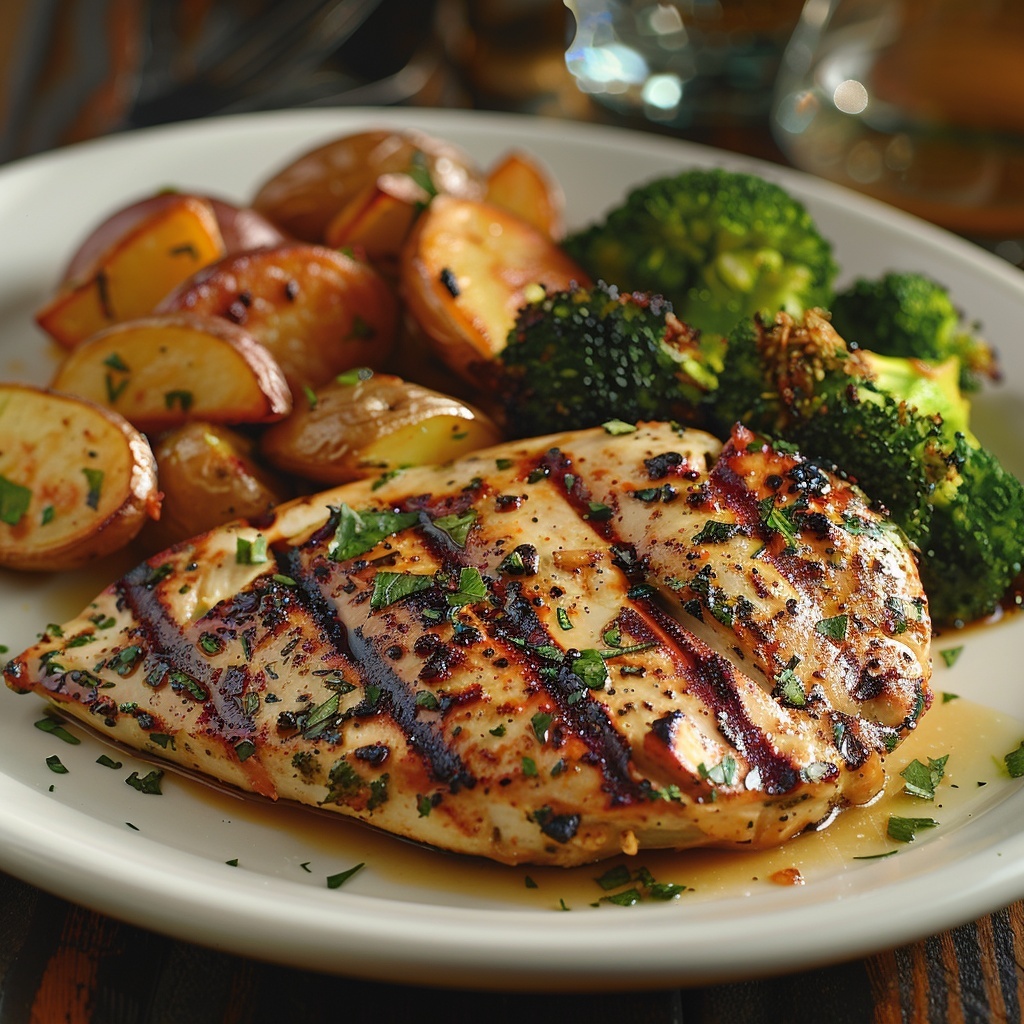
My go-to chicken breast recipes, perfect every time
Ingredients
Equipment
Method
- Take the chicken breasts out of the refrigerator 15 minutes before cooking.
- Pat the chicken dry with paper towels and pound them to an even thickness of about 3/4 inch.
- In a small bowl, mix garlic powder, onion powder, oregano, basil, paprika, salt, and pepper.
- Drizzle about half a tablespoon of olive oil on each chicken breast and rub it over the surface.
- Generously coat both sides of the chicken breasts with the spice mixture and let them sit.
- Heat a large skillet over medium-high heat and add the remaining olive oil until it shimmers.
- Place the chicken breasts in the hot skillet and cook undisturbed for 5-7 minutes until golden brown.
- Flip the chicken breasts and cook for an additional 4-6 minutes, adding butter to the pan.
- Cook until the internal temperature reaches 165°F.
- Transfer the chicken to a plate and let it rest for 5 minutes before serving, squeezing fresh lemon juice over top.