
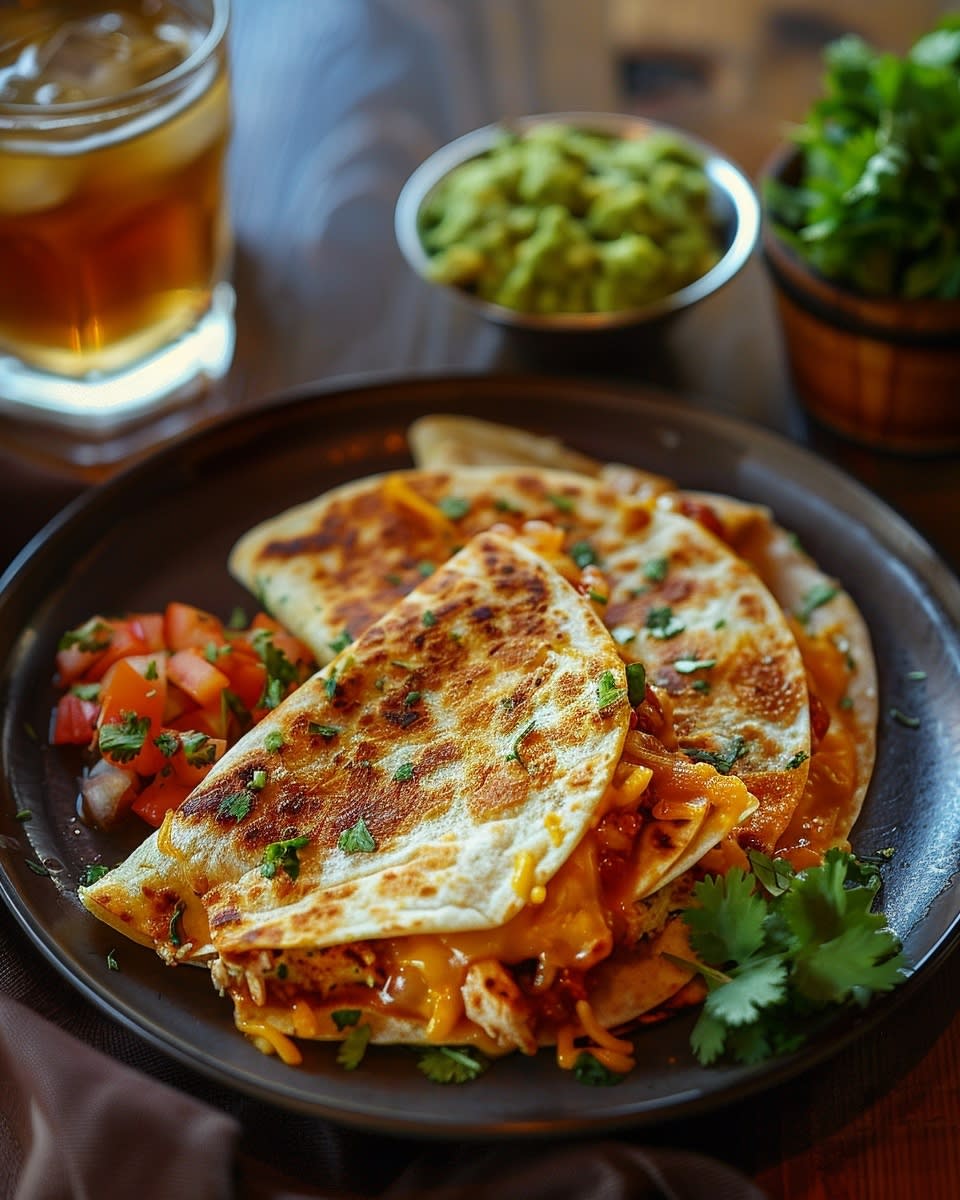
Welcome to My Quesadilla Journey
Last Tuesday, my daughter walked into the kitchen after soccer practice and asked for “something cheesy and fast.” I had twenty minutes before her online tutoring session started. That’s when I pulled out my trusty cast iron skillet and made what has become our family’s go-to meal: a quesadilla with cheese and chicken. She devoured it in minutes, and I got my “best mom ever” badge for the day.
This recipe has saved me more times than I can count. It’s the meal I turn to when the fridge looks empty but I need to feed hungry mouths. It’s what I make on lazy Sunday afternoons when cooking feels like too much work. And honestly, it’s what I crave when I want something comforting without spending an hour in the kitchen.
The beauty of a chicken and cheese quesadilla is its simplicity. You don’t need fancy ingredients or complicated techniques. You need a tortilla, some cheese, cooked chicken, and a few minutes of your time. But here’s the secret: while the basic recipe is foolproof, knowing what extras to add can turn a good quesadilla into something your family asks for by name.
I’ve been making quesadillas for almost fifteen years now. I’ve tried countless variations, made plenty of mistakes, and learned what works and what doesn’t. My first attempt was a soggy mess because I overloaded it with ingredients. My second was too bland because I was scared to season anything. But over time, I’ve figured out the perfect balance.
This recipe works for quick weeknight dinners when everyone has different schedules. My husband can eat at six, my kids at seven, and each quesadilla takes less than five minutes to cook. It’s also perfect for those relaxed weekend afternoons when you want something tasty but don’t want to dirty every pot in your kitchen. I’ve served these at birthday parties, game nights, and even cut them into small triangles for appetizers at family gatherings.
What to Add to Chicken and Cheese Quesadillas
The foundation of any great quesadilla with cheese and chicken starts with quality basics. I always use rotisserie chicken from the store when I’m short on time. It’s already seasoned and juicy. On days when I have more time, I’ll grill chicken breasts with cumin, paprika, and garlic powder. The key is making sure your chicken is already cooked and slightly warm before assembling your quesadilla.
Cheese is not negotiable in this recipe. It’s the glue that holds everything together. But choosing the right cheese matters more than you might think. I’ll talk more about specific cheese types in a moment, but remember this: you want a cheese that melts smoothly and doesn’t turn greasy or rubbery.
Now let’s talk about the fun part. The additions that take your quesadilla from basic to amazing.
Bell peppers are my first choice when I want to add vegetables. I keep a mix of red, yellow, and orange peppers in my fridge. They add sweetness and a slight crunch. I slice them thin and sauté them for about three minutes before adding them to the quesadilla. Green bell peppers work too, but they have a more bitter taste that not all kids enjoy.
Onions bring depth and flavor. I prefer red onions because they’re milder and slightly sweet. White or yellow onions work great if you cook them until they’re soft and golden. Raw onions can be too strong and crunchy, so I always cook them first. Caramelize them if you have an extra ten minutes. The sweet, rich flavor is worth it.
For people who love spice, jalapeños are a game changer. I learned this trick from my neighbor who grew up in Texas. She pickles jalapeños and keeps a jar in her fridge at all times. Fresh jalapeños work too, but remove the seeds unless you want serious heat. I usually put jalapeños on just half of the quesadilla so my kids can enjoy the mild side while I get my spicy fix.
Here are some other additions I’ve tried and loved:
- Black beans add protein and a creamy texture. Rinse canned beans and pat them dry before adding.
- Corn kernels bring sweetness and pop. Frozen corn works perfectly. Just thaw and drain it first.
- Tomatoes add moisture, but be careful. Too much tomato makes your quesadilla soggy. I dice them small and remove the seeds.
- Spinach is my sneaky way of adding greens. Wilt it in the pan first, then squeeze out extra water.
- Cilantro adds fresh, bright flavor. Add it right before folding your quesadilla.
- Green onions give a mild onion flavor without the bite. Slice them thin.
- Avocado makes everything better, but add it after cooking. It doesn’t heat well inside the quesadilla.
Some people add rice, which makes the quesadilla more filling. I’ve done this when stretching leftovers. Just use cold rice and not too much, or your tortilla won’t seal properly.
Salsa is another popular addition. I prefer adding it on the side for dipping rather than inside the quesadilla. When salsa cooks inside, it releases liquid that can make everything mushy. But if you love salsa inside your quesadilla, use thick salsa and only a tablespoon or two.
Bacon is my secret weapon for weekend quesadillas. I cook bacon until it’s crispy, crumble it, and sprinkle it over the cheese. The smoky, salty flavor pairs beautifully with chicken. My kids call these “special quesadillas” and request them for birthday dinners.
Mushrooms work well if you cook them first. Raw mushrooms release too much water. Sauté them in butter until they’re golden brown and all the liquid has evaporated. They add an earthy, rich flavor that adults especially love.
The trick with any addition is balance. You want enough fillings to make each bite interesting, but not so much that your quesadilla falls apart or won’t fold. I learned this the hard way after several quesadillas exploded in my pan, cheese oozing everywhere.
My rule of thumb: about two ounces of chicken, a quarter cup of cheese, and no more than a third cup of additional fillings per quesadilla. This keeps everything manageable and ensures your tortilla can handle the load.
Seasoning matters too. Even with all these additions, don’t forget basic seasonings. I always sprinkle a little cumin, chili powder, and garlic powder over my fillings. Salt and pepper are essential. These simple spices make the flavors pop without overwhelming the dish.
One addition I avoid is too much sauce inside the quesadilla. BBQ sauce, ranch, or sour cream should go on the side. Cooking wet ingredients inside creates steam that makes your tortilla soft instead of crispy. Trust me on this one. Crispy exterior, melty interior is what you’re after.


Choosing the Best Cheese for Chicken Quesadillas
Once you’ve figured out what extras you want to include, it’s time to tackle the most important ingredient: cheese. I’ve experimented with probably every cheese in my grocery store’s dairy section, and let me tell you, not all cheeses are created equal when it comes to quesadillas.
My absolute favorite is Monterey Jack cheese. It melts like a dream and has a mild, creamy flavor that doesn’t overpower the chicken. When my kids were toddlers and refused anything with “too much flavor,” Monterey Jack saved dinner more times than I can count. It gets perfectly gooey without turning greasy, and it stretches beautifully when you pull apart the quesadilla halves.
Cheddar cheese is another solid choice, though I’ve learned to be picky about which type. Sharp cheddar can be too strong for some people. I usually go with medium cheddar, which gives you that classic cheese flavor without overwhelming everything else. Here’s something interesting I discovered by accident: mixing cheddar with Monterey Jack gives you the best of both worlds. The cheddar brings flavor, and the Monterey Jack brings that perfect melt.
Now, if you want to get a bit fancy, Oaxaca cheese is what you’ll find in authentic Mexican restaurants. It’s a bit like mozzarella but with more flavor. The texture is stringy and melts beautifully. I found it at a local Mexican grocery store after searching for months. My husband, who’s usually indifferent about cheese types, actually noticed the difference. That’s saying something.
Pepper Jack is my personal go-to when I’m making quesadillas just for myself. It has jalapeño and pepper pieces mixed right in, so you get little bursts of spice throughout. My teenage son started requesting this once he decided he was “too old” for mild cheese. Teenagers, right?
For those watching their fat intake or counting calories, reduced-fat cheese can work, but I’ll be honest with you. It doesn’t melt quite as smoothly. I’ve made it work by mixing it with a small amount of regular cheese. This gives you a better melt while still cutting some calories. My sister does this because she’s been tracking her macros, and she says it’s a reasonable compromise.
Some people swear by mozzarella cheese, especially the low-moisture kind. It melts well and has that satisfying cheese pull. But I find it a bit bland for quesadillas. If you’re going this route, definitely season your chicken well and consider adding extra spices. The mozzarella needs help in the flavor department.
By the way, queso quesadilla is an actual type of cheese you can buy. I know, the name is almost too perfect. It’s a Mexican melting cheese that’s mild and creamy. When I can find it, I use it. But honestly, it’s not always available at regular grocery stores, and Monterey Jack works just as well.
Here’s the thing about melting cheese perfectly: temperature matters more than most people think. Medium heat is your friend. Too hot, and the outside of your tortilla burns before the cheese melts. Too low, and you end up with a limp, barely warm quesadilla. I keep my burner at medium, and I give each side about two to three minutes.
Another trick I learned from my mother-in-law is to grate your own cheese instead of buying pre-shredded. Those pre-shredded bags have anti-caking agents that prevent the cheese from melting as smoothly. I resisted this tip for years because, honestly, who wants extra work? But she was right. Freshly grated cheese melts into this beautiful, creamy layer that binds everything together. The bagged stuff can get a bit grainy.
How much cheese should you use? I stick to about a quarter cup per quesadilla, maybe a bit more if I’m feeling generous. Too little, and your fillings don’t stick together. Too much, and it oozes out the sides and burns on your pan. Finding that balance took me a few tries, but now I can eyeball it perfectly.
If you’re dealing with dietary restrictions like lactose intolerance, there are some decent dairy-free cheese options now. I tested several when my niece, who’s lactose intolerant, came to stay with us for a week. The cashew-based ones melted better than the others. They don’t taste exactly like regular cheese, but they get the job done. Just like with egg salad sandwiches where you can swap mayo for alternatives, quesadillas can adapt to dietary needs too.
Is a Chicken Quesadilla Good for Diabetics?
My dad was diagnosed with type 2 diabetes about five years ago. Suddenly, every family meal required careful consideration. When I made quesadillas one evening, he asked me to check if they fit into his meal plan. That question sent me down a research rabbit hole that actually changed how I think about this dish.
The short answer is yes, a chicken and cheese quesadilla can work for diabetics, but it needs some modifications. The main concern is the tortilla. Most flour tortillas are made with refined white flour, which causes blood sugar to spike. They’re high on the glycemic index, meaning they convert to sugar quickly in your body.
What I did for my dad was switch to whole wheat tortillas. They have more fiber, which slows down how quickly your body processes the carbohydrates. The fiber content helps prevent those dramatic blood sugar spikes. He tested his blood sugar after eating my modified quesadilla, and the results were much better than with regular tortillas.
Low-carb tortillas are even better if you can find them. They’re usually made with a blend of wheat and other fibers. Some brands have only six or seven net carbs per tortilla compared to thirty or more in regular flour tortillas. My dad actually prefers these now, even though he was skeptical at first. He says they taste nearly identical to regular tortillas.
The chicken part is actually great for diabetics. Protein helps stabilize blood sugar and keeps you feeling full longer. I always use grilled or baked chicken without sugary marinades or sauces. Plain rotisserie chicken works perfectly. Just avoid any versions with honey glazes or teriyaki flavoring, which add unnecessary sugars.
Cheese has minimal impact on blood sugar since it’s mostly protein and fat. But it does have calories and saturated fat, so portion control matters. I use slightly less cheese in my dad’s quesadillas, maybe two tablespoons instead of a quarter cup. He doesn’t even notice the difference, especially when I pack in extra vegetables.
Speaking of vegetables, loading up your quesadilla with bell peppers, onions, and spinach is a smart move for anyone managing diabetes. These add volume and nutrients without adding significant carbs. My dad’s nutritionist told him to think of vegetables as “free food” within reason. They add fiber, vitamins, and help fill you up.
Funny enough, beans are a bit controversial. They have carbs, yes, but they’re also high in fiber and protein. My dad’s doctor said a small amount of black beans is fine. I use maybe two tablespoons per quesadilla when I include them. They add creaminess and make the meal more satisfying.
One thing I completely changed was the serving size. Instead of making my dad two full quesadillas, I make one and pair it with a large salad or some roasted vegetables. Similar to how I balance baked salmon with veggies, the key is filling half your plate with non-starchy vegetables. This approach keeps him satisfied while managing his carb intake.
Timing matters too, according to his nutritionist. Eating protein and fat before the carbs can help minimize blood sugar spikes. So now when I serve quesadillas, I encourage him to eat a few bites of chicken and cheese first, then work on the rest. It sounds a bit strange, but his glucose monitor shows it makes a difference.
What you pair with your quesadilla is just as important as what’s inside it. Skip the chips and replace them with raw vegetables and salsa or guacamole. These sides add flavor and nutrition without the carb overload. My dad loves sliced jicama, which has a satisfying crunch and minimal impact on blood sugar.
For toppings, plain Greek yogurt makes a better choice than sour cream. It has more protein and less fat. My dad couldn’t tell the difference once I stirred in some lime juice and cilantro. Salsa is naturally low in calories and carbs, so pile it on. Just watch out for store-bought versions with added sugar.
The method I use now for diabetic-friendly quesadillas is pretty straightforward. I choose a low-carb or whole wheat tortilla, add about three ounces of seasoned chicken, a small amount of cheese, and lots of vegetables. I cook it in a non-stick pan with just a light spray of oil instead of butter. The result is a meal with roughly twenty to thirty grams of carbs, depending on the tortilla, which fits into most diabetic meal plans.
My dad tests his blood sugar two hours after eating, and these modified quesadillas keep his numbers in a healthy range. He’s happy because he doesn’t feel like he’s missing out on foods he loves. That’s honestly the most important thing. Managing diabetes shouldn’t mean giving up everything you enjoy.
Just like how quick beef stir fry can be adapted for different dietary needs, quesadillas are flexible enough to work for almost anyone. The foundation of the recipe stays the same, but you adjust the details based on what your body needs. It’s about being thoughtful with your ingredients rather than following rigid rules that make you feel deprived.
If you’re managing diabetes or cooking for someone who is, talk to their healthcare provider about specific carb targets. Everyone’s different. But with smart ingredient swaps and reasonable portions, a quesadilla with cheese and chicken can definitely be part of a healthy eating plan. It certainly works for my dad, and he’s grateful he doesn’t have to skip family quesadilla nights anymore.


Can You Eat a Quesadilla on Keto?
My cousin started a keto diet about two years ago. She lost thirty pounds and felt amazing, but she kept telling me how much she missed quesadillas. One afternoon, she came over looking defeated and said she’d been craving one for weeks. I told her we were going to figure this out together. That afternoon turned into a fun experiment in my kitchen, and honestly, we created something she now makes at least twice a week.
The traditional quesadilla doesn’t work for keto because of one major ingredient: the flour tortilla. A single flour tortilla can have anywhere from twenty-five to forty grams of carbs, which would blow through your daily carb allowance in one meal. On keto, you’re typically staying under twenty to thirty grams of carbs per day. So yeah, regular tortillas are out.
But here’s where it gets interesting. The rest of the ingredients in a chicken and cheese quesadilla are actually perfect for keto. Chicken is pure protein with zero carbs. Cheese has minimal carbs and lots of fat, which is exactly what you want. Even the additions like peppers, onions, and jalapeños are fine in reasonable amounts. The problem was never the filling. It was always just the wrapper.
My cousin and I started with low-carb tortillas. Several brands make these specifically for keto dieters, and they usually have around three to six net carbs per tortilla. Mission and La Tortilla Factory both make decent versions. They’re made with wheat fiber, oat fiber, and sometimes almond flour. The texture is slightly different from regular tortillas, but once you fill them with cheese and chicken and cook them until they’re crispy, you honestly can’t tell much difference.
The next option we tried was cheese wraps, and this is where things got really fun. You can actually buy premade cheese wraps at stores like Whole Foods and Trader Joe’s. They’re literally just thin sheets of baked cheese. Or you can make your own at home by spreading shredded cheese in a circle on parchment paper and baking it until it’s crispy. We tried cheddar and mozzarella. Both worked beautifully. You get this extra layer of cheese flavor, and everything stays totally keto-friendly.
Here’s another option that surprised me: egg wraps. Beat two eggs with a tablespoon of cream cheese and cook it like a thin crepe. Let it cool slightly, then use it as your tortilla. It holds together better than you’d think. My cousin actually prefers these now because they’re softer and more flexible than the cheese wraps. Plus, you get extra protein from the eggs.
The most creative solution we found was using cauliflower tortillas. Several brands sell these frozen. They’re made with cauliflower, eggs, and cheese pressed into a tortilla shape. They have about four net carbs each. The downside is they’re a bit more fragile, so you have to be gentle when flipping them. But the taste is surprisingly good, especially when you load them up with flavorful fillings.
Some people skip the tortilla entirely and make a quesadilla bowl. Layer your chicken, cheese, peppers, and onions in a bowl, microwave it until the cheese melts, and eat it with a fork. It’s not quite the same as biting into a crispy quesadilla, but it gets the job done. My cousin makes these for quick lunches at work.
By the way, coconut flour tortillas exist too. I tried making them from scratch once. They required coconut flour, eggs, and psyllium husk powder. The result was edible but not amazing. They had a slightly sweet taste that didn’t quite work with savory fillings. I wouldn’t recommend this route unless you’re really desperate.
Now, let me walk you through how we make a proper keto chicken and cheese quesadilla that my cousin swears by. First, you need cooked chicken. Rotisserie chicken works great, or you can grill chicken breasts seasoned with salt, pepper, cumin, and paprika. Shred or dice about three ounces of chicken per quesadilla.
For cheese, we stick with cheddar or Monterey Jack. About a third of a cup per quesadilla. Remember, fat is your friend on keto, so don’t skimp on the cheese. This is one diet where you get to be generous with dairy.
Add whatever low-carb vegetables you like. We usually include diced bell peppers and a small amount of onion. Keep the onions minimal because they have more carbs than you’d think. About a tablespoon of diced onion is plenty. Jalapeños are perfect because they’re low in carbs and add tons of flavor. Spinach is another great choice.
Here’s the method: Heat a non-stick pan over medium heat. Place your low-carb tortilla in the pan. Sprinkle half the cheese on one side of the tortilla. Add your chicken and vegetables. Sprinkle the remaining cheese on top. Fold the tortilla in half. Cook for two to three minutes per side until the cheese is melted and the outside is golden brown and crispy.
The key to making keto quesadillas taste amazing is seasoning. Since you’re working with fewer carbs, you need to boost flavor in other ways. I always add extra spices. Cumin, chili powder, garlic powder, and smoked paprika all work beautifully. A squeeze of lime juice at the end brightens everything up.
For toppings, sour cream is keto-approved in reasonable amounts. A dollop on top adds creaminess and tang. Guacamole is even better because avocados are loaded with healthy fats and minimal carbs. Salsa works too, but check the label because some brands add sugar. Fresh pico de gallo is your safest bet.
My cousin tracks her macros religiously, and she calculated that one of our keto quesadillas comes in at around eight net carbs, depending on which tortilla substitute you use. That leaves plenty of room for other meals throughout the day. The fat and protein content keeps her full for hours, which she says is the biggest benefit.
What really makes this work is treating the keto version as its own dish rather than trying to replicate the original exactly. The flavors are all there. The satisfaction of biting into something warm and cheesy is there. It’s just packaged differently. Once my cousin accepted that mindset, she stopped feeling like she was missing out.
One trick she learned was to make a big batch of filling at the start of the week. She seasons and cooks several chicken breasts, dices them, and stores them in the fridge with sautéed peppers and onions. Then making a quesadilla becomes a five-minute job. She grabs a low-carb tortilla, assembles everything, and cooks it quickly. It’s as convenient as the original version.
If you’re really committed to keto and want to explore more options, almond flour tortillas are worth trying. They’re a bit grainier in texture but have only three to four net carbs. You can find them at health food stores or order them online. They’re pricier than regular tortillas, but if you’re serious about staying in ketosis, the investment might be worth it.
Here’s something interesting that my cousin noticed after a few weeks of making keto quesadillas: she actually stopped craving the regular version. Her taste buds adjusted. The low-carb tortillas started tasting normal to her. She said the regular flour tortillas now seem too heavy and make her feel sluggish. It’s amazing how quickly your body adapts when you stick with something.
Following healthy food habits doesn’t mean giving up the dishes you love, whether that’s sticking to keto principles or any other nutritional approach. It’s about finding creative ways to work within your chosen framework while still enjoying your meals. Food should make you happy, not frustrated.
If you’re exploring different meal options that fit various dietary approaches, you might enjoy browsing through more easy lunch recipes that can be adapted to your specific needs and preferences. There’s always a way to make your favorite foods work with your lifestyle.
The bottom line with keto quesadillas is simple: yes, you absolutely can eat them. You just need to get creative with the tortilla. The filling stays basically the same, which means you still get all those delicious flavors you’re craving. My cousin hasn’t felt deprived once since we figured this out, and she’s maintained her weight loss for nearly two years now.
Whether you choose low-carb tortillas, cheese wraps, egg wraps, or even skip the wrapper entirely, you can have your quesadilla and stay in ketosis too. It just takes a willingness to experiment and maybe accept that different doesn’t mean worse. Sometimes different is actually better.
Final Thoughts
Making a quesadilla with cheese and chicken has become more than just cooking dinner in my house. It’s become our family’s answer to busy weeknights, unexpected guests, and those moments when everyone wants something different but I only want to cook one meal. The beauty of this dish is how it bends to fit whatever you need it to be. Add vegetables for nutrition, swap the tortilla for dietary restrictions, change the cheese for different flavors, or keep it simple when life gets complicated. Your quesadilla can be as basic or as creative as your day allows, and it’ll still turn out delicious.
Frequently Asked Questions
What to add to chicken and cheese quesadillas?
Beyond chicken and cheese, bell peppers and onions are my top additions. Sauté them first for better texture and flavor. Jalapeños add heat, while black beans and corn bring extra protein and sweetness. Spinach, cilantro, and green onions work great too. Just remember not to overload your quesadilla. Stick to about a third cup of additional fillings so your tortilla doesn’t fall apart. Season everything with cumin, chili powder, and garlic powder for maximum flavor.
Is a chicken quesadilla good for diabetics?
Yes, with modifications. Switch to whole wheat or low-carb tortillas to reduce blood sugar spikes. Use plain grilled chicken without sugary sauces. Load up on vegetables like peppers and spinach to add fiber and nutrients. Keep cheese portions reasonable, around two tablespoons per quesadilla. Pair your quesadilla with a large salad or non-starchy vegetables to balance your plate. One modified quesadilla typically contains twenty to thirty grams of carbs, which fits into most diabetic meal plans.
What kind of cheese is best for chicken quesadillas?
Monterey Jack is my favorite because it melts smoothly and has a mild flavor everyone enjoys. Medium cheddar adds more taste without being overwhelming. I often mix both for the best of both worlds. Oaxaca cheese gives you authentic Mexican flavor if you can find it. Pepper Jack works great if you like spice. Freshly grated cheese melts better than pre-shredded because it doesn’t contain anti-caking agents.
Can you eat a quesadilla on keto?
Absolutely, with the right tortilla substitute. Use low-carb tortillas that have only three to six net carbs. Cheese wraps made from baked cheese are another excellent option. Egg wraps work beautifully and add extra protein. Cauliflower tortillas are available frozen and have around four net carbs each. The chicken, cheese, and low-carb vegetable fillings are already keto-friendly. One keto quesadilla typically has about eight net carbs, leaving room for other meals throughout your day.
How do you keep quesadillas from getting soggy?
Never overload your quesadilla with wet ingredients. If using tomatoes, remove the seeds and dice them small. Cook vegetables like peppers, onions, and mushrooms first to remove excess moisture. Keep salsa and sour cream on the side for dipping rather than cooking them inside. Use medium heat and give each side enough time to crisp up properly, about two to three minutes. Pat your cooked chicken dry before adding it to remove any extra moisture.
Can you make quesadillas ahead of time?
I don’t recommend making fully assembled quesadillas ahead because they get soggy. Instead, prep your ingredients in advance. Cook and shred your chicken, sauté your vegetables, and grate your cheese. Store everything separately in the fridge for up to three days. Then assembly takes just a minute when you’re ready to cook. If you must make them ahead, cook the quesadillas, let them cool completely, wrap them individually, and freeze them. Reheat in the oven at 350 degrees for best results.
What’s the best pan for cooking quesadillas?
A cast iron skillet is my top choice because it distributes heat evenly and gets that perfect crispy exterior. Non-stick pans work great too and require less oil. Whatever pan you use, make sure it’s large enough to fit your whole tortilla comfortably. I use a twelve-inch skillet for standard tortillas. Medium heat is crucial regardless of your pan type. Too hot burns the outside before the cheese melts.
How do you flip a quesadilla without it falling apart?
Use a large spatula that can support the entire quesadilla. Press down gently on the top with your other hand or another spatula while flipping. Make sure the cheese has started melting before you attempt to flip, as this helps hold everything together. Don’t overload your quesadilla with fillings, which makes flipping nearly impossible. Practice makes perfect, and even if it breaks a bit, it still tastes delicious.
What should you serve with chicken and cheese quesadillas?
I always serve them with sour cream, guacamole, and salsa for dipping. A simple side salad with lime vinaigrette balances the richness. Mexican rice or cilantro-lime rice makes a great side if you want something more filling. Black beans, either whole or refried, are classic accompaniments. For lighter options, serve with fresh vegetable sticks, jicama slices, or a corn salad. Tortilla chips and queso are always popular at my house too.
Can you freeze cooked quesadillas?
Yes, cooked quesadillas freeze surprisingly well. Let them cool completely after cooking, then wrap each one individually in aluminum foil or plastic wrap. Place them in a freezer bag and freeze for up to three months. To reheat, unwrap and bake at 350 degrees for about fifteen minutes until heated through and crispy. Don’t microwave them because they’ll turn rubbery and soggy. Freezing is perfect for meal prep or using up leftover ingredients.
Ingredients
Equipment
Method
- Heat a cast iron skillet or non-stick pan over medium heat.
- Place one tortilla in the hot skillet.
- Sprinkle half the cheese over one half of the tortilla.
- Add the cooked chicken on top of the cheese.
- Layer with sautéed bell peppers and onions, along with any additional desired fillings.
- Sprinkle the remaining cheese on top of the fillings.
- Fold the tortilla in half over the filling.
- Cook for 2-3 minutes until the bottom is golden brown and crispy.
- Carefully flip the quesadilla and cook the other side for another 2-3 minutes.
- Remove from the skillet, slice into wedges, and serve with sour cream, guacamole, or salsa.