
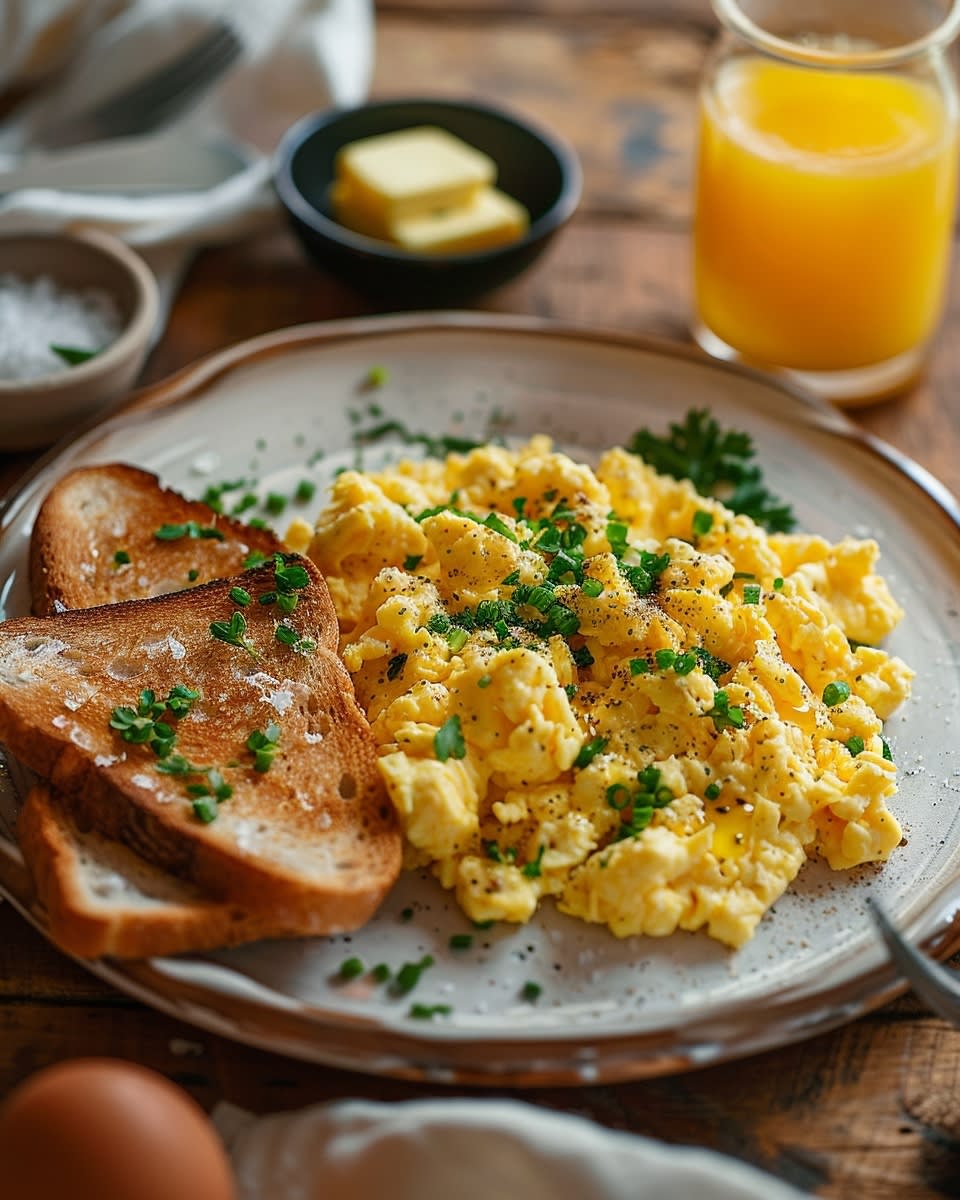
Welcome to My Kitchen: Quick Scrambled Eggs and Toast
Last Tuesday morning, I woke up ten minutes before I needed to leave for work. My stomach was growling, and I knew skipping breakfast wasn’t an option. I rushed to the kitchen and made my go-to meal: quick scrambled eggs and toast. Within five minutes, I had a hot, satisfying breakfast ready to go. That’s when I realized this recipe deserved to be shared with everyone who faces those chaotic mornings.
If you’re reading this, chances are you’ve had one of those mornings too. Maybe you hit snooze one too many times. Perhaps the kids took forever to get ready. Or you simply don’t want to spend an hour cooking before your day even starts. I get it. Life moves fast, and breakfast shouldn’t slow you down.
That’s exactly why I’m excited to share this recipe with you today. Quick scrambled eggs and toast is my secret weapon for busy mornings. It’s simple enough for beginners yet satisfying enough to keep you full until lunch. You don’t need fancy ingredients or special cooking skills. Just a few basic items and less time than it takes to brew your morning coffee.
This recipe has saved me countless times. I’ve made it on rushed weekday mornings. I’ve whipped it up for lazy weekend brunches. I’ve even served it to picky eaters who rarely finish their meals. Every single time, it delivers. The eggs come out fluffy and creamy. The toast provides that perfect crunch. Together, they create a breakfast that feels comforting and complete.
Why Quick Scrambled Eggs and Toast Makes the Perfect Breakfast
Let me tell you why this meal has earned its spot as my number one breakfast choice. First, it takes less than ten minutes from start to finish. I’m not exaggerating. You can crack eggs, scramble them, and toast bread faster than you can scroll through your morning social media feed. When time is tight, this recipe doesn’t let you down.
The ingredients list is wonderfully short. You probably have everything in your kitchen right now. Eggs, bread, butter, and a pinch of salt. That’s the basic version. You can get fancy if you want, but you don’t have to. This simplicity means fewer trips to the grocery store and less money spent on breakfast.
Now let’s talk about nutrition. Eggs pack a serious protein punch. One large egg contains about six grams of protein, which helps keep you energized throughout the morning. They also contain vitamins like B12, which supports your energy levels, and vitamin D, which helps your body absorb calcium. The whole grain toast adds fiber to keep your digestive system happy and provides complex carbs for sustained energy.
Here’s what you get in a typical serving of scrambled eggs and toast:
- High-quality protein to build and repair muscles
- Essential vitamins and minerals your body needs
- Healthy fats that help you feel full longer
- Carbohydrates for quick energy
- Fiber for digestive health
The flavor combination never gets old. Creamy eggs meet buttery, crispy toast. It’s a classic pairing that people have loved for generations. You can taste why this breakfast has stood the test of time. Every bite delivers comfort and satisfaction.
I love how customizable this meal is. Some mornings I keep it simple with just salt and pepper. Other days I add cheese, herbs, or vegetables. My kids like theirs with a sprinkle of cheddar. My partner prefers a dash of hot sauce. Everyone can make it their own, which means fewer complaints at the breakfast table.
This recipe works for any skill level. If you’re just learning to cook, scrambled eggs are the perfect starting point. They’re forgiving and hard to mess up completely. Even if they’re not picture-perfect, they’ll still taste good. As you practice, you’ll develop your own technique and preferences.
The Benefits That Keep Me Coming Back
Beyond the obvious time-saving advantage, quick scrambled eggs and toast offers benefits that make it stand out from other quick and easy breakfast ideas. I’ve tried everything from granola bars to smoothies, but nothing compares to how this meal makes me feel.
The protein in eggs keeps my hunger at bay. I’m not reaching for snacks an hour later like I do after eating sugary cereal. This staying power helps me focus on work instead of thinking about my next meal. Studies show that eating protein at breakfast can reduce cravings and help with weight management.
Eggs are also incredibly affordable. A dozen eggs costs less than a single fancy coffee drink. When you’re feeding a family or watching your budget, this matters. You can make a nutritious breakfast for everyone without breaking the bank. Compare that to eating out or buying pre-made breakfast items.
The warmth of this meal provides comfort that cold breakfast options can’t match. There’s something special about sitting down to hot food in the morning. It feels nurturing and sets a positive tone for the day. Even on stressful mornings, taking five minutes to eat warm scrambled eggs and toast helps me feel grounded.
Cleanup is minimal. You’ll use one pan for the eggs and a toaster for the bread. Maybe a plate and fork. That’s it. No mountain of dishes to face when you get home. This simplicity extends the appeal of this recipe beyond just the cooking time.
I also appreciate how this breakfast fits different dietary needs. It’s naturally gluten-free if you use gluten-free bread. You can make it dairy-free by skipping the butter or using plant-based alternatives. It’s vegetarian by default. This flexibility means you can serve it to almost anyone.
The reliability factor can’t be overstated. This recipe works every time. You won’t have recipe fails or disappointing results. Once you’ve made it a few times, you can prepare it almost on autopilot. That consistency brings peace of mind when mornings are already unpredictable enough.
When people ask me about good breakfast options, I always mention this one first. It checks every box: fast, affordable, nutritious, and delicious. Whether you’re cooking for yourself or feeding a crowd, quick scrambled eggs and toast delivers exactly what you need to start your day right.


What You’ll Need for Perfect Scrambled Eggs and Toast
So now that you know why this breakfast works so well, let’s get into the actual ingredients. I’m about to make your shopping list incredibly easy.
Here’s the beautiful truth about this recipe: you probably have everything already sitting in your fridge and pantry. I can’t tell you how many times I’ve stood in front of my refrigerator at 6:30 AM, half-awake, relieved to find I had exactly what I needed. No last-minute store runs. No substitutions that might ruin the dish. Just simple, real food.
The star of the show is, of course, fresh eggs. I typically use two eggs per person, though if someone’s really hungry, I’ll go with three. Look for eggs with firm shells and no cracks. I prefer large eggs because they’re the standard measurement in most recipes, but medium or extra-large work just fine too. The fresher the eggs, the better they’ll taste. When I crack a fresh egg, the yolk stands up nice and tall, and the white stays together instead of spreading all over the pan.
Next up is bread. This is where you get to express yourself a bit. White bread, whole wheat, sourdough, rye, multigrain—whatever makes you happy. I usually grab whole wheat because I like the nutty flavor and the extra fiber, but my kids prefer soft white bread. Some mornings I’ll use thick-cut artisan bread from the bakery section. Other days it’s whatever sandwich bread we have in the bag. The beauty of this recipe is that it works with any bread you choose. Just make sure it’s fresh enough to toast well without crumbling.
Butter is next on the list. I keep both salted and unsalted butter in my fridge, though for this recipe either one works perfectly. You’ll need butter for cooking the eggs and for spreading on your toast. If you’re watching calories or prefer a different option, olive oil works great for scrambling eggs. Coconut oil adds an interesting flavor if you’re feeling adventurous. By the way, if you’re completely out of butter, even a little cooking spray will do in a pinch.
Salt and pepper round out the essential ingredients. I’m talking about regular table salt or sea salt, whatever you keep by your stove. Freshly ground black pepper tastes better than pre-ground, but honestly, use what you have. These seasonings might seem basic, but they make a huge difference in bringing out the natural flavors of the eggs.
Now let me share the optional ingredients that take this breakfast from good to amazing. Shredded cheese—cheddar, mozzarella, or even fancy gruyere—melts beautifully into scrambled eggs. Fresh herbs like chives, parsley, or dill add a pop of color and freshness. Milk or cream makes the eggs extra fluffy, though I’ll explain in the instructions why you don’t actually need it. Hot sauce, salsa, or ketchup are great for serving alongside. Sometimes I’ll dice up leftover vegetables like bell peppers or mushrooms to fold into the eggs.
If you’re looking to switch things up during the week, you might also enjoy trying hard boiled eggs for breakfast on days when you want something you can grab and go. Or if you prefer something warm and comforting, oatmeal with cinnamon and honey offers a completely different but equally satisfying morning meal.
Here’s a quick rundown of the ingredients for scrambled eggs and toast, organized by priority:
Essential ingredients: Fresh eggs (2-3 per person), bread slices (1-2 per person), butter (about 1 tablespoon for cooking and spreading), salt (a pinch), black pepper (to taste)
Optional but recommended: Milk or cream (1 tablespoon per egg), shredded cheese (2 tablespoons per serving), fresh herbs (1 teaspoon chopped), your favorite hot sauce
The total cost for the basic version runs about two dollars per person, maybe less if you buy eggs on sale. Compare that to a drive-through breakfast sandwich that costs five or six bucks. You’re getting better nutrition and better taste for a fraction of the price.
How to Make Scrambled Eggs and Toast Step by Step
Alright, let’s get cooking. I’m going to walk you through this exactly how I do it on a typical Wednesday morning when I’m juggling getting myself ready while making sure everyone eats something decent.
Start by putting your bread in the toaster. I know this seems obvious, but timing matters here. I learned this the hard way after making perfect eggs only to wait another three minutes for cold bread to toast. By starting the toast first, everything finishes at roughly the same time. Set your toaster to your preferred darkness level. I like mine medium-dark for a good crunch without burning.
While the bread toasts, crack your eggs into a bowl. This is important—don’t crack them directly into the pan. Using a bowl lets you pick out any shell pieces that might fall in. It also makes whisking easier. I tap each egg firmly on the counter, then pull the shell apart over the bowl. If you get a piece of shell in there, use a larger piece of shell to scoop it out. Works like a magnet.
Now whisk those eggs. I use a fork and beat them until the yolks and whites are completely combined. You want a uniform yellow color with no streaks of clear egg white. This usually takes about twenty seconds of good whisking. Some people add a tablespoon of milk or cream at this stage. Funny enough, I used to do that too, until a chef friend told me it actually makes the eggs watery. These days I skip it and get better results. If you want extra fluffy eggs, just whisk in a tiny pinch of baking powder—seriously, try it sometime.
Season your eggs right in the bowl. I add a good pinch of salt and a few grinds of pepper. Don’t be shy with the salt. Eggs need proper seasoning to taste their best. Mix the seasonings in with your fork.
Place a non-stick pan over medium heat. This is crucial—medium heat, not high. I’ve rushed this step before by cranking the heat, and you end up with rubbery, overcooked eggs. Trust me on the medium setting. Let the pan heat for about thirty seconds.
Add a tablespoon of butter to the pan. Watch it melt and coat the bottom of the pan. When the butter starts to foam slightly but hasn’t browned yet, you’re ready for the eggs. If you’re using oil instead, heat it until it shimmers but doesn’t smoke.
Pour the whisked eggs into the pan. Here’s where the magic happens. Let them sit undisturbed for about twenty seconds. You’ll see the edges start to set. Now take a spatula and gently push the eggs from the edges toward the center. Tilt the pan so the uncooked egg flows to the empty spaces. This technique creates those beautiful, fluffy curds that make restaurant-style scrambled eggs so appealing.
Keep pushing and folding gently. Don’t stir constantly like you’re making a soup. Think of it more like you’re folding laundry—gentle, deliberate movements. The whole cooking process takes about two to three minutes. Here’s the thing most people miss: take the eggs off the heat when they’re still slightly wet and glossy. They’ll continue cooking from residual heat. If you wait until they look completely done in the pan, they’ll be overdone on the plate.
By now your toast should have popped up. Perfect timing. Butter it immediately while it’s hot so the butter melts into all those little air pockets. If you’re adding anything to your toast—jam, avocado, whatever—now’s the time.
Plate your eggs next to your toast. If you’re using cheese, sprinkle it over the hot eggs so it melts. Fresh herbs go on top as a final garnish. The whole process from cracking eggs to plating takes about five minutes once you’ve done it a few times.
Want to make this breakfast even more portable? Check out this breakfast wrap with egg and cheese that uses similar ingredients but in a grab-and-go format. And if you’re in the mood for toast with a completely different topping, toast with peanut butter and banana makes another quick option.
Here’s a pro tip I discovered by accident: if you’re cooking for multiple people, keep the first batch of eggs warm in a low oven while you make the second batch. Just cover the plate loosely with foil and set your oven to its lowest temperature. This way everyone eats hot food at the same time instead of the first person finishing while you’re still cooking for the last person.
The key to perfect texture comes down to gentle heat and not overcooking. Those are the two secrets that separate okay scrambled eggs from incredible ones. Practice this a few times and you’ll develop your own rhythm. Some people like their eggs a bit firmer. Others prefer them super soft and custardy. Adjust the cooking time to match your preference.


Creative Ways to Make Your Scrambled Eggs and Toast Even Better
Here’s where things get really fun. Once you’ve mastered the basic recipe, you can start playing around with different flavors and ingredients. I think of the classic version as a blank canvas—it’s perfect on its own, but sometimes you want to splash some color on there.
My favorite way to upgrade scrambled eggs is with cheese. I’m talking about adding it right at the end when the eggs are almost done. Cheddar is my go-to because it melts beautifully and adds a sharp, tangy flavor. I use about two tablespoons of shredded cheese per serving. Just sprinkle it over the eggs in the last thirty seconds of cooking, give it a gentle fold, and watch it get all melty and delicious. My daughter refuses to eat eggs without cheese now, which I suppose is my fault for spoiling her.
Mozzarella creates this wonderful stretchy texture that kids love. Feta cheese brings a salty, tangy punch that pairs amazingly with fresh tomatoes. Goat cheese makes the eggs taste fancy without any extra effort—just crumble it on top. Swiss cheese is milder and melts into creamy pockets throughout the eggs. Pepper jack adds a nice kick if you like things spicy.
Fresh herbs completely transform this breakfast. I grow a small herb garden on my kitchen windowsill specifically for mornings like this. Chives are probably the most classic choice for eggs—their mild onion flavor doesn’t overpower anything. I snip them with scissors directly over the finished eggs. Parsley adds brightness and a fresh taste. Dill brings an unexpected but delightful flavor that reminds me of brunch at nice restaurants. Basil works surprisingly well, especially if you’re also adding tomatoes. Even cilantro has its place if you’re going for a southwestern vibe.
The trick with herbs is to add them at the very end. If you cook them too long, they lose their vibrant color and fresh taste. Just chop them finely and sprinkle them over your plated eggs as a finishing touch. A little goes a long way—one teaspoon of fresh herbs per serving is plenty.
Vegetables turn this simple breakfast into something more substantial. I often have leftover vegetables from dinner, and they’re perfect for folding into scrambled eggs. Bell peppers add sweetness and crunch—I dice them small and sauté them in the butter before adding the eggs. Mushrooms bring an earthy, savory quality that makes the breakfast feel heartier. Spinach wilts right into the eggs and sneaks in some extra nutrients. Cherry tomatoes burst and create these little pockets of juicy flavor.
Onions and garlic are flavor powerhouses. I’ll sometimes sauté a couple tablespoons of diced onion in the pan before adding the eggs. Takes an extra minute but adds so much depth. A small clove of minced garlic works wonders too, though be careful not to burn it. Scallions give you onion flavor without the cooking time—just slice them thin and mix them right into the raw eggs before cooking.
Here’s something I discovered last summer: diced avocado on top of the finished eggs. It doesn’t go into the pan—you add it fresh at the end. The creamy texture contrasts beautifully with the fluffy eggs, and it’s packed with healthy fats. Salsa is another fresh topping that adds moisture and flavor without much effort. I keep a jar in my fridge specifically for breakfast.
Now let’s talk about the toast side of this equation. You can get creative there too. Sometimes I’ll rub a cut garlic clove over the hot toast before buttering it—sounds intense but it’s actually quite subtle and delicious. Spreading a thin layer of cream cheese on the toast creates a nice tangy contrast to the eggs. My partner likes to put a slice of tomato and some salt on his toast.
If you’re feeling adventurous, try different spreads. Hummus on toast with scrambled eggs on top is actually amazing, especially if you add a sprinkle of paprika. Pesto brings an Italian twist that works surprisingly well. Even a thin smear of Dijon mustard adds a sophisticated touch that elevates the whole meal.
For a protein boost, cooked bacon or sausage crumbles mixed into the eggs make this breakfast even more filling. I usually cook the meat first, set it aside, then use a bit of the rendered fat to cook the eggs—waste not, want not, right? Ham works great too, especially if you have leftover holiday ham that you’re trying to use up. Smoked salmon turns this into a fancy brunch situation. Just lay thin slices on top of the finished eggs and suddenly you’re eating something that could cost fifteen dollars at a restaurant.
By the way, if you’re interested in exploring more morning meal options, browsing through various easy breakfast ideas can give you tons of inspiration for switching up your routine throughout the week while keeping things simple and doable.
Hot sauce deserves its own mention. I keep three different kinds in my fridge because different hot sauces bring different flavors. Tabasco adds vinegar and heat. Sriracha brings sweetness along with the spice. Green hot sauce made from jalapeños or serranos offers a fresh, bright heat. Find what you like and don’t be afraid to use it generously.
Sometimes I’ll make what I call “everything eggs” where I throw in whatever vegetables, cheese, and herbs I have on hand. It’s never the same twice, and that’s part of the fun. Last week I had leftover roasted red peppers, some crumbled feta, and fresh oregano. The combination was incredible. The week before, I used sautéed zucchini, parmesan, and basil. Both versions were completely different but equally delicious.
Seasonings beyond salt and pepper open up even more possibilities. A pinch of smoked paprika adds depth and a subtle smoky flavor. Garlic powder is convenient when you don’t have fresh garlic. Onion powder works the same way. Red pepper flakes bring heat without changing the texture. Everything bagel seasoning has become trendy for a reason—it’s delicious on eggs and toast.
For international flavors, try adding curry powder to your eggs for an Indian-inspired breakfast. Just a quarter teaspoon per serving changes everything. Cumin and chili powder create a Tex-Mex vibe, especially paired with salsa and avocado. Italian seasoning blend makes the eggs taste like they belong in a frittata.
Here’s a weird one that actually works: a tiny splash of soy sauce mixed into the raw eggs before cooking. I learned this from a friend who grew up in Japan, and it adds this subtle umami flavor that’s really interesting. You don’t taste soy sauce exactly—it just makes the eggs taste more deeply savory and complex.
The shelf life of eggs matters when you’re buying in bulk or trying to use up ingredients, and proper storage ensures you’re always working with quality ingredients that’ll give you the best-tasting results.
If you’re watching your calorie intake, egg whites alone work fine, though you lose some of the rich flavor and the nutrients found in yolks. I sometimes do a combination—two whole eggs plus two egg whites—to boost protein while keeping calories reasonable. The texture is still good, just a bit lighter.
Greek yogurt can replace butter for a tangy, protein-rich twist. Add a spoonful to the raw eggs before whisking. It creates a creamy texture similar to using cream but with added nutrition. This is one of those unexpected tricks that really works.
Don’t forget about the bread itself as a place for creativity. Spreading mashed avocado on your toast before putting the eggs on top creates a California-style breakfast. Topping your toast with the scrambled eggs and then adding a fried egg on top sounds excessive but trust me, some mornings you need that extra protein and richness. My teenager does this before soccer tournaments and swears it helps his performance.
Nuts and seeds might sound strange, but toasted pine nuts or slivered almonds sprinkled over the finished eggs add crunch and healthy fats. Sunflower seeds or pumpkin seeds work too. This is one of those additions that surprises people but gets them thinking differently about what breakfast can be.
Remember, none of these variations require significant extra time. Most additions take just thirty seconds to a minute more than the basic recipe. That’s the beauty of starting with such a simple, quick foundation—you can dress it up without losing the convenience that makes it perfect for busy mornings.
I hope these ideas inspire you to experiment and find your own favorite combinations. The best variation is the one that makes you excited to eat breakfast. Don’t be afraid to try weird combinations or use whatever’s in your fridge. Some of my best breakfast discoveries happened by accident when I was just using up odds and ends. That’s how I found out that leftover roasted Brussels sprouts are actually fantastic chopped up and mixed into scrambled eggs. Who knew?
Questions You Might Have About Making Quick Scrambled Eggs and Toast
How long does it take to make quick scrambled eggs and toast?
From the moment you start gathering ingredients to sitting down with a hot plate, you’re looking at about five to seven minutes. If you’re making this for the first time, maybe add an extra couple minutes while you get comfortable with the process. Once you’ve made it a few times, you’ll probably get it down to five minutes flat. I’ve timed myself on rushed mornings, and I can consistently have this ready in under six minutes including cleanup.
Can I use any type of bread for this recipe?
Absolutely, and I encourage you to try different kinds to see what you like best. White, wheat, sourdough, rye, multigrain, English muffins, bagels—they all work perfectly fine. The bread is really about your personal preference and what you have available. Gluten-free bread works great if you need that option. Even day-old bread that’s slightly stale actually toasts up nicely because it has less moisture. The only bread I’d avoid is anything that’s actually moldy or so stale it crumbles when you touch it.
Is this recipe suitable for kids?
Yes, definitely. I make this for my kids all the time, and it’s actually one of the first recipes I taught them to make themselves. The protein keeps them full during school, and you can adjust the seasonings to match their preferences. If your kids are picky, start with just a tiny pinch of salt and let them add ketchup if they want. As they get older, they can help with the cooking process—whisking eggs is a great first kitchen task for young children. Just supervise them around the hot stove until they’re old enough to handle it safely.
How can I make this dish healthier?
There are several easy swaps you can make. Use whole grain or whole wheat bread instead of white bread for more fiber. Cook your eggs in olive oil or avocado oil instead of butter to change the fat profile. Add vegetables like spinach, tomatoes, or peppers to increase vitamins and minerals. You could use egg whites only or a combination of whole eggs and whites to reduce cholesterol and calories. Choose low-fat cheese or skip it entirely. These small changes add up without sacrificing much taste or convenience.
What should I do if my eggs are too runny or too dry?
If your eggs are too runny, you simply need to cook them a bit longer. Put them back in the pan over low heat and gently fold them for another thirty seconds to a minute. If they’re too dry, unfortunately you can’t reverse that, but you can learn from it for next time. Remember to remove eggs from heat while they still look slightly wet and glossy. The residual heat will finish cooking them perfectly. Adding a small pat of butter to overcooked eggs can help make them seem less dry when serving.
Can I prepare this ahead of time?
Scrambled eggs are really best enjoyed fresh, but I understand the appeal of meal prep. You can prepare the eggs ahead and reheat them, though they won’t be quite as fluffy as fresh ones. Store them in an airtight container in the fridge for up to three days. Reheat gently in the microwave in fifteen-second intervals, stirring between each one. The toast definitely needs to be made fresh—otherwise it gets soggy. If you’re really pressed for time, you could crack your eggs into a bowl the night before, cover it, and refrigerate it so you just have to whisk and cook in the morning.
Are there any dairy-free options for this recipe?
Absolutely. Use olive oil or coconut oil instead of butter for cooking the eggs. Spread your toast with dairy-free butter alternatives or simply use olive oil. Skip the milk or cream that some people add to eggs—you don’t need it anyway. If you’re adding cheese, there are several good dairy-free cheese options available now, though you can certainly skip cheese altogether and the eggs will still taste great. Nutritional yeast sprinkled on top adds a cheesy flavor without any dairy. The basic eggs, toast, and salt combination is naturally dairy-free as long as you choose your cooking fat wisely.
How can I store leftover scrambled eggs and toast?
Store leftover scrambled eggs in an airtight container in the refrigerator for up to three or four days. Let them cool to room temperature first before sealing and refrigerating. Toast doesn’t store well at all—it gets soggy and unpleasant. If you have leftover toast, you could turn it into breadcrumbs for another recipe, but honestly, it’s best to only toast what you’ll eat immediately. When reheating the eggs, use low power in the microwave and stir frequently to avoid rubbery texture. A quick reheat in a pan with a tiny bit of butter works even better if you have an extra minute.
What’s the best type of pan to use for scrambled eggs?
A non-stick pan is definitely your best friend for scrambled eggs. It prevents sticking and makes cleanup incredibly easy. I use an eight-inch or ten-inch non-stick skillet that I’ve had for years. Cast iron can work if it’s well-seasoned, but you’ll need to use more fat to prevent sticking. Stainless steel pans are trickier because eggs love to stick to them—you’d need to use more butter or oil and watch the temperature carefully. Whatever pan you choose, medium heat is key. A well-maintained non-stick pan means you can even use less butter if you’re watching calories.
Can I make scrambled eggs in the microwave instead?
You can, though the texture won’t be quite as good as stovetop scrambled eggs. If you’re in a dorm room or don’t have access to a stove, crack your eggs into a microwave-safe bowl, whisk them with a fork, and microwave on high for thirty seconds. Stir, then continue microwaving in fifteen-second intervals, stirring after each one, until they’re cooked to your liking. The eggs won’t have those nice fluffy curds, and they can get rubbery easily if you overcook them even slightly. But in a pinch, it works. I’ve made microwave scrambled eggs in hotel rooms during family vacations, and while they’re not perfect, they’re certainly edible and much cheaper than room service.
So there you have it—everything I know about making quick scrambled eggs and toast, from the basic recipe to all the creative variations you can try. This breakfast has been a constant in my kitchen for years, and I genuinely believe it can become a staple in yours too. Start with the simple version until you’re comfortable, then branch out and experiment with different additions. Before you know it, you’ll have your own signature version that your family asks for by name. Happy cooking, and enjoy those delicious, fluffy eggs!
Ingredients
Equipment
Method
- Toast the bread in a toaster to your preferred darkness level.
- Crack the eggs into a bowl and whisk until uniform in color.
- Season the eggs with salt and pepper.
- Heat a non-stick pan over medium heat and add butter, allowing it to melt.
- Pour the whisked eggs into the pan and let them sit undisturbed for about 20 seconds.
- Gently push the eggs from the edges towards the center with a spatula.
- Continue folding the eggs gently until they are cooked but still slightly wet and glossy.
- Butter the toasted bread while hot.
- Plate the eggs next to the toast; add cheese and herbs if desired.