
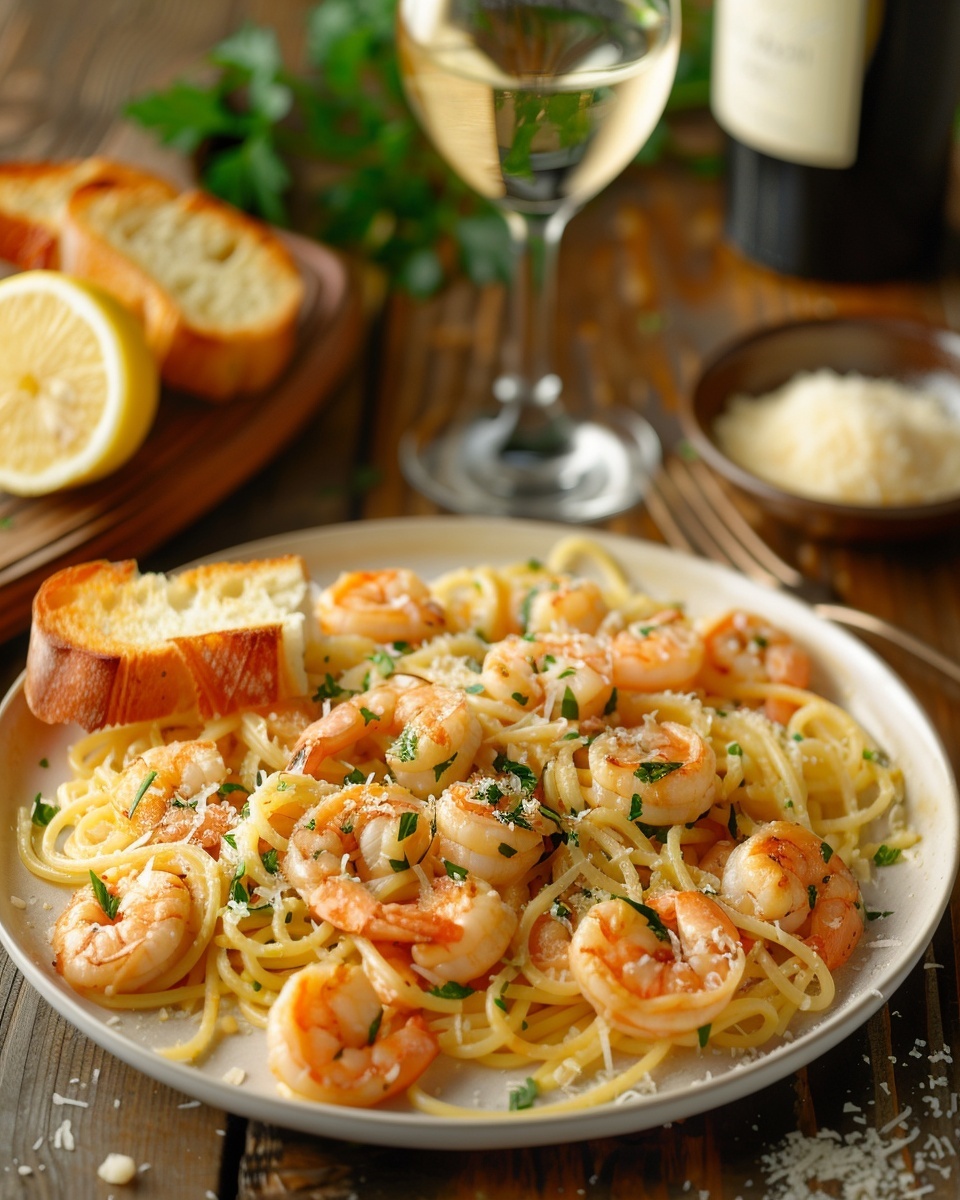
Last Tuesday night, I found myself staring into my fridge at 6 PM with absolutely no dinner plan. Then I spotted a pound of shrimp I’d picked up on sale and some pasta in the pantry. Within twenty minutes, I had a restaurant-quality meal on the table that made my family think I’d been cooking all afternoon. That’s the magic of shrimp scampi with pasta. It looks fancy, tastes amazing, and comes together faster than ordering takeout.
Welcome to my kitchen! Today, I’m excited to share with you a classic and delicious dish: Shrimp Scampi with Pasta. Whether you’re a seasoned chef or a beginner in the kitchen, this recipe is sure to impress. The beauty of shrimp scampi lies in how it adapts to your mood and preferences. Some nights I make a creamy shrimp scampi pasta recipe when I want something rich and comforting. Other times, I go for the classic garlic and butter version when I’m craving something lighter. You can even try baked shrimp scampi when you want to free up your stovetop for other dishes.
This dish has earned its place as a dinner favorite for good reason. It combines tender, juicy shrimp with a bright, garlicky sauce that clings perfectly to pasta. The versatility is unmatched. Add vegetables like asparagus or cherry tomatoes for extra nutrition. Make it creamy by stirring in some heavy cream or cream cheese. Keep it traditional with just butter, garlic, white wine, and lemon. Every version works beautifully.
I’ve tested countless variations over the years, from the Olive Garden shrimp scampi recipe copycat to the Pioneer Woman’s shrimp scampi version. Each one brings something special to the table. The key is understanding the basics so you can make this dish your own.
What Kind of Pasta Do You Use with Shrimp Scampi?
Choosing the right pasta makes a real difference in how your shrimp scampi turns out. I’ve tried this recipe with just about every pasta shape in my pantry, and I can tell you what works best.
Angel hair pasta is my top choice for shrimp scampi. This delicate, thin pasta cooks in about 4 minutes and has a wonderful texture that doesn’t overpower the shrimp. The fine strands catch the butter and garlic sauce perfectly, giving you flavor in every bite. When I make shrimp scampi with angel hair pasta, the dish feels light and elegant. It’s ideal for those nights when you want something that tastes refined without feeling heavy.
The thin nature of angel hair means it absorbs the sauce quickly. This creates a beautiful coating on each strand. I always save about a cup of the pasta cooking water before draining. This starchy water helps the sauce cling better to the angel hair and brings everything together.
Linguine comes in as a close second favorite. This flat, ribbon-like pasta has more body than angel hair. It stands up well to heavier sauces, which makes it perfect for creamy shrimp scampi variations. The wider surface area means more sauce sticks to each piece. When I’m making a richer version with cream or adding vegetables like asparagus, linguine handles it beautifully without getting mushy.
I remember the first time I tried linguine with my shrimp scampi. My mother-in-law was visiting, and she mentioned that’s how they always made it in her family. The pasta had more chew and created a more substantial meal. Now I alternate between angel hair and linguine depending on how hungry everyone is.
Spaghetti works great too and is probably what you already have in your pantry. It’s slightly thicker than linguine and holds its shape well. Spaghetti gives you that classic Italian-American restaurant feel. The round shape twirls nicely on a fork with the shrimp, making it fun to eat. This is my go-to when I’m cooking for kids or anyone who prefers familiar pasta shapes.
Here’s what I’ve learned about each pasta type:
- Angel Hair: Best for light, traditional garlic butter sauces. Cooks fastest (3-4 minutes). Creates an elegant presentation.
- Linguine: Perfect for creamy sauces and recipes with added vegetables. Takes about 9-11 minutes to cook. More filling and substantial.
- Spaghetti: Works with any sauce variation. Cooks in 8-10 minutes. Most versatile and commonly available.
Some people ask about using penne or other short pasta shapes. I don’t recommend them for shrimp scampi. The sauce doesn’t coat tubular pasta as well, and the shrimp don’t mix in as nicely. Long pasta creates that signature twirl of noodles, shrimp, and sauce that makes this dish so satisfying.
The cooking time matters too. I always cook my pasta to just under al dente when making shrimp pasta. This means the pasta still has a slight firmness when you bite it. Here’s why: after draining, I toss the pasta directly into the pan with the shrimp and sauce. It finishes cooking in that flavorful butter and garlic mixture, absorbing all those delicious flavors while reaching perfect tenderness.
For a healthy shrimp scampi recipe, whole wheat versions of these pasta shapes work well. The nutty flavor of whole wheat actually complements the garlic and lemon in the sauce. Just add an extra minute or two to the cooking time.
One trick I picked up from a chef friend: match your pasta thickness to your sauce consistency. Thin sauces pair with thin pasta like angel hair. Thicker, creamier sauces need the sturdier structure of linguine or spaghetti. This balance keeps everything coating evenly without the pasta getting lost or overwhelmed.
Fresh pasta is another option, though I rarely use it for shrimp scampi. Fresh angel hair or linguine cooks in just 2-3 minutes and has a softer texture. It’s lovely but not necessary. Save your money and stick with good quality dried pasta. The results are just as delicious.
Whatever pasta you choose, make sure you salt your cooking water generously. It should taste like the sea. This is your only chance to season the pasta itself, and it makes a noticeable difference in the final dish.


How to Make Shrimp Scampi with Pasta
Now that you’ve picked your perfect pasta, let me walk you through exactly how I make this dish from start to finish. The process is surprisingly simple, but there are a few key moments where technique really matters.
First things first: get your water boiling for the pasta. I fill my largest pot with water and add a generous amount of salt. While that’s heating up, I prep my shrimp. This usually means peeling and deveining if I bought them whole. Sometimes I grab the pre-peeled kind from the grocery store when I’m short on time, and honestly, nobody can tell the difference in the final dish.
Here’s something I learned the hard way: pat your shrimp completely dry with paper towels. Wet shrimp won’t brown properly. They’ll steam instead of getting that beautiful golden color on the outside. I lay them out on a plate lined with paper towels and give them a good pat on both sides. Then I season them lightly with salt and pepper right before cooking.
The magic happens in a large skillet. I heat it over medium-high heat and add olive oil. Once it’s shimmering, I add the shrimp in a single layer. Don’t crowd them! If your pan isn’t big enough, cook them in two batches. Each shrimp needs about 2 minutes per side. You’ll know they’re done when they turn pink and form a nice C-shape. Overcook them into an O-shape and they get tough and rubbery. The moment they’re done, I pull them out and set them aside on a plate.
In the same pan, I reduce the heat to medium and add butter. Lots of it. This isn’t the time to be shy. As the butter melts, I toss in minced garlic. The smell that fills your kitchen at this moment is absolutely incredible. I cook the garlic for maybe 30 seconds, just until it becomes fragrant. Burned garlic tastes bitter, so watch it closely.
Next comes the white wine. I pour in about half a cup and let it bubble away for a couple minutes. This cooks off the alcohol and concentrates the flavor. If you don’t cook with wine, chicken broth works fine. The acidity is what matters here. Then I add lemon juice, red pepper flakes if I want some heat, and a bit more butter because why not?
By now, your pasta should be almost done. Remember, drain it when it’s just under al dente. I scoop out a cup of that starchy pasta water first, then drain everything else. The pasta goes straight into the skillet with the sauce. I toss it around, letting it soak up all those flavors. If the sauce seems too thick, I add splashes of the reserved pasta water until it reaches the perfect consistency. It should coat the noodles but still have some movement in the pan.
Finally, the shrimp go back in. I toss everything together for just a minute to heat the shrimp through. Fresh parsley goes in at the very end, along with a final squeeze of lemon juice. The whole process from starting the garlic to plating takes maybe 15 minutes.
For a creamy shrimp scampi pasta recipe, I make one simple change. After the wine reduces, I stir in half a cup of heavy cream. Some people use cream cheese instead, which creates an even thicker sauce. I’ve tried both, and they’re equally delicious. The cream mellows out the garlic and wine, creating this luscious sauce that clings to every piece of pasta. My kids actually prefer this version because it’s less tangy than the traditional recipe. When I’m making creamy scampi, I almost always use linguine instead of angel hair because the heartier pasta balances the richness better. If you enjoy creamy pasta dishes, you might also love my Chicken Alfredo Pasta recipe, which uses similar techniques.
Funny enough, adding vegetables transforms this into a complete meal. Shrimp scampi pasta with asparagus is my favorite variation. I trim the asparagus and cut it into bite-sized pieces. These go into the pan right after I remove the cooked shrimp. The asparagus cooks in the butter and garlic for about 4 minutes until it’s tender but still has some snap. Then I continue with the recipe as usual. The asparagus adds color, nutrition, and a slight earthiness that complements the bright lemon and garlic perfectly. Cherry tomatoes work beautifully too. I halve them and toss them in with the asparagus. They soften and release their juices into the sauce.
For a healthy shrimp scampi recipe, I cut back on the butter and use more olive oil instead. I also bulk up the dish with vegetables like zucchini noodles mixed with regular pasta, or I add spinach that wilts right into the sauce. The flavor stays amazing, but you lighten the calorie load significantly. Whole wheat pasta adds fiber and makes the meal more filling. Similar to how I prepare my Baked Salmon with Lemon, focusing on quality ingredients means you can cut back on heavy additions without sacrificing taste.
By the way, the baked shrimp scampi version is perfect for entertaining. Instead of cooking everything on the stovetop, I toss the pasta with the sauce and shrimp in a baking dish. I top it with breadcrumbs mixed with Parmesan cheese and a drizzle of olive oil. It bakes at 375°F for about 20 minutes until the top is golden and crispy. This frees me up to spend time with guests instead of standing over the stove.
Common Mistakes to Avoid When Making Shrimp Scampi
Let me save you from the errors I made when I first started making this dish. These mistakes seem small, but they make a huge difference.
The biggest mistake is overcooking the shrimp. I cannot stress this enough. Shrimp cook incredibly fast. From the moment they hit the hot pan, you have maybe 4-5 minutes total before they go from perfectly tender to disappointingly rubbery. I set a timer now because it’s so easy to get distracted chopping parsley or grating cheese. Remember that C-shape versus O-shape rule. The tighter the curl, the more overcooked they are. Also, keep in mind that the shrimp continue cooking slightly even after you remove them from heat, so pulling them just before they look completely done is actually perfect.
Another common problem is not using enough salt. Shrimp scampi needs proper seasoning at every stage. Salt the pasta water heavily. Season the shrimp before cooking them. Taste your sauce before adding the pasta and adjust the salt then. I’ve served underseasoned scampi before, and it just tastes flat no matter how much garlic you’ve used. The salt brings out all the other flavors.
Here’s the thing about garlic: burning it ruins everything. Garlic goes from perfectly golden to acrid and bitter in seconds. I always add it to the pan after reducing the heat from cooking the shrimp. I also mince it finely so it cooks evenly. Those big chunks you sometimes see in restaurant dishes? They’re often undercooked in the middle and taste harsh. If you do accidentally burn your garlic, throw it out and start over. I know it seems wasteful, but trying to salvage burned garlic never works.
Using too little pasta water is another issue I see all the time. That starchy water is liquid gold for bringing your sauce together. It helps emulsify the butter and oil, creating a silky sauce instead of a greasy one. I always save at least a cup, even if I don’t end up using all of it. Adding it gradually while tossing the pasta gives you complete control over the sauce consistency. Much like when preparing Stuffed Bell Peppers, having all your components ready before you start cooking prevents rushing and mistakes.
Don’t skip the wine or substitute it with more broth without adding acid. The acidity from white wine brightens the entire dish and cuts through the richness of the butter. If you don’t use wine, add extra lemon juice or even a splash of white wine vinegar. The dish needs that tangy element to balance the fat.
Lastly, using low-quality ingredients shows in such a simple dish. Buy shrimp that smell fresh and ocean-like, not fishy. Use real butter, not margarine. Fresh garlic makes a world of difference compared to pre-minced stuff in jars. Good Parmesan cheese that you grate yourself tastes completely different from the pre-grated kind. When you’re only using a handful of ingredients, each one needs to shine. Think of it like Grilled Steak with Roasted Veggies, where the quality of your main ingredients determines the success of the entire meal.
One more thing: don’t let the pasta sit after draining it. It should go immediately into the sauce while it’s still steaming hot. Pasta starts sticking together and drying out within minutes of draining. Getting it into that buttery, garlicky sauce right away ensures every strand gets coated evenly.


Popular Shrimp Scampi Recipes from Restaurants
Ever wonder why restaurant shrimp scampi tastes different from what you make at home? I used to think they had some secret ingredient I didn’t know about. Turns out, each restaurant chain has tweaked the classic recipe to create their own signature version. Let me share what I’ve discovered about some popular restaurant-style recipes that you can recreate in your own kitchen.
The BJs shrimp scampi pasta recipe is something special. BJ’s Restaurant uses a combination of garlic, white wine, and butter like the traditional version, but they add a generous amount of fresh tomatoes and basil. The tomatoes break down slightly in the sauce, creating this beautiful pink-ish color and adding a subtle sweetness that balances the garlic. They also use bowtie pasta instead of the traditional angel hair or linguine, which gives the dish a completely different feel. Those little pockets in the bowtie pasta catch the sauce perfectly.
What makes the BJ’s version stand out is the sheer amount of shrimp they pile on. We’re talking at least eight to ten large shrimp per serving. They also finish the dish with a sprinkle of feta cheese, which isn’t traditional at all but adds this wonderful tangy, salty element. I tried recreating this at home last month, and my teenagers couldn’t believe it wasn’t from the actual restaurant. The key is using really ripe, sweet cherry tomatoes and not skimping on the fresh basil at the end.
Now, the Olive Garden shrimp scampi recipe takes a different approach entirely. Olive Garden leans heavily into the butter. Their version is richer and more indulgent than traditional scampi. They use angel hair pasta and coat it in what seems like an almost obscene amount of butter and garlic. But here’s their trick: they add a good splash of the pasta cooking water to create this silky, emulsified sauce that’s not greasy at all despite all that butter.
Olive Garden also uses a white wine that’s slightly sweeter than what you’d typically use. Some people think they might add a tiny pinch of sugar, though I can’t confirm that. What I can tell you is that their version is less acidic and more mellow than classic scampi. They finish it with a mountain of freshly grated Parmesan cheese and parsley. When I make the Olive Garden copycat version at home, I use about six tablespoons of butter for four servings and add the pasta water very gradually while stirring constantly. That emulsification is what makes it taste like the restaurant version.
The shrimp scampi Pioneer Woman recipe is Ree Drummond’s take on this classic, and it’s exactly what you’d expect from her: straightforward, foolproof, and packed with flavor. She keeps things pretty traditional but amps up the lemon. Where most recipes call for the juice of one lemon, she uses two, plus lemon zest. That brightness really cuts through the butter and makes the whole dish taste fresher.
Ree also adds a good amount of crushed red pepper flakes for heat, which I love. Her recipe uses linguine, and she’s very specific about tossing the pasta in the sauce for a full minute to let it really absorb all those flavors. One thing that’s different about her approach is that she doesn’t remove the shrimp from the pan while making the sauce. She pushes them to the side and builds the sauce right there with them, which I think helps the shrimp stay more flavorful. I’ve tried both methods, and honestly, her way works great if you’re careful not to overcook the shrimp while the sauce comes together.
Each of these restaurant versions teaches us something valuable. BJ’s shows us that adding vegetables and cheese can transform the dish. Olive Garden proves that proper emulsification makes all the difference in sauce texture. The Pioneer Woman reminds us that sometimes cranking up the acid and heat creates more balanced flavors. None of them are “better” than the traditional recipe, they’re just different interpretations that appeal to various tastes.
By the way, I keep a little notebook where I jot down what I notice when eating out. Last year, I tried shrimp scampi at probably a dozen different restaurants just to compare. Some added sun-dried tomatoes. Others used different herbs like oregano or thyme instead of just parsley. One place even added capers, which sounds weird but actually worked because they brought that same briny quality that good shrimp should have. The beauty of shrimp scampi with pasta is how adaptable it is to your personal preferences.
What Goes Well with Shrimp Scampi for Dinner?
Here’s something I learned from my Italian neighbor: a great pasta dish doesn’t need much else, but the right accompaniments turn a good meal into a memorable one. When I serve shrimp pasta, I think about contrasts. The scampi is rich and garlicky, so I want sides that either complement those flavors or provide a refreshing counterpoint.
Garlic bread is the obvious choice, and there’s a reason it’s a classic pairing. That crispy, buttery bread is perfect for soaking up every last bit of scampi sauce left on your plate. I make mine by slicing a French baguette, spreading it with butter mixed with minced garlic and parsley, then broiling it until golden. The crunch contrasts beautifully with the tender pasta and shrimp. Sometimes I’ll sprinkle a little mozzarella or Parmesan on top before broiling for extra richness.
But if your scampi is already pretty heavy, especially if you made the creamy shrimp scampi version, garlic bread might be overkill. That’s when I turn to a fresh salad instead. A simple arugula salad with lemon vinaigrette is my go-to. The peppery arugula and tart dressing cut through the butter and cream perfectly. I toss the arugula with lemon juice, olive oil, a touch of Dijon mustard, salt, and pepper. Sometimes I’ll add shaved Parmesan and pine nuts. The whole thing takes five minutes to throw together, and it makes the meal feel lighter and more balanced.
A Caesar salad works beautifully too, especially with the traditional garlic butter version of scampi. The creamy Caesar dressing echoes the richness of the pasta, and the romaine adds a satisfying crunch. I actually make a lighter Caesar by using Greek yogurt instead of all mayonnaise in the dressing. It still tastes indulgent but doesn’t weigh you down.
Roasted vegetables are another excellent choice. I especially love roasted broccoli or Brussels sprouts with shrimp scampi. The slight char and caramelization on the vegetables adds a depth that complements the bright lemon and garlic in the pasta. I toss the vegetables with olive oil, salt, pepper, and roast them at 425°F until they’re crispy on the edges. The earthiness of roasted vegetables balances the seafood beautifully.
Steamed asparagus makes sense too, especially if you didn’t already add asparagus to your pasta. A squeeze of lemon over the asparagus ties it right into the flavors of the scampi. Green beans work the same way. I blanch them quickly in boiling water, then toss them with a little butter and toasted almonds. Simple, fresh, and the green color looks gorgeous on the plate next to the pasta.
For a heartier meal, roasted cherry tomatoes are wonderful. I roast them with whole garlic cloves, olive oil, and fresh thyme until they burst and get jammy. The concentrated tomato flavor and the roasted garlic create these sweet, savory bites that contrast with the tangy scampi sauce. Plus, tomatoes and shrimp are natural partners. If you’re looking for inspiration on how to round out a complete, satisfying dinner with properly balanced sides and mains, checking out various combinations can spark new ideas.
Here’s the thing about side dishes: they should enhance, not compete. I learned this from my grandmother who always said a meal should have different textures and temperatures. So if your scampi is hot and soft, add something cold and crunchy like a salad. If it’s rich, add something acidic or bitter to balance it. If it’s simple, you can afford to make a more complex side dish.
A vegetable soup as a starter works nicely too. I’ll sometimes make a quick minestrone or Italian wedding soup before serving shrimp scampi. The warm, comforting soup gets everyone’s appetite going, and it adds vegetables to the meal without overwhelming the main dish. Just keep the portions small since the pasta is quite filling.
Wine pairing matters if you’re into that sort of thing. A crisp white wine like Pinot Grigio or Sauvignon Blanc complements shrimp scampi perfectly. The acidity in the wine mirrors the lemon in the dish and cleanses your palate between bites. I’m not a wine expert by any means, but I’ve noticed that the same wine you cook with usually pairs well with the finished dish.
For families with kids or anyone not drinking alcohol, sparkling water with lemon or a light lemonade works great. The carbonation and citrus refresh your mouth the same way wine would. My kids actually prefer this, and I’ve started making cucumber-infused water that feels fancy without any alcohol.
Don’t forget about portion sizes when planning your sides. Shrimp scampi with pasta is already a complete dish with protein and carbs. You don’t need massive sides. A small salad or a couple pieces of bread per person is plenty. I used to make way too much food and end up with tons of leftovers. Now I focus on quality over quantity. A perfectly dressed salad and a few slices of good crusty bread alongside the scampi creates a restaurant-quality meal at home.
Funny enough, one of my favorite things to serve with shrimp scampi is absolutely nothing else. Sometimes the pasta dish is so good it deserves to be the star of the show without any competition. I’ll just make sure I have plenty of it, maybe set out some extra Parmesan and red pepper flakes, and call it dinner. There’s something satisfying about a simple, focused meal that doesn’t require juggling multiple dishes and timing everything perfectly.
One last tip: think about heart health when planning your complete meal. Shrimp is actually a lean protein that’s low in calories and rich in beneficial nutrients, but the butter-heavy sauce can add up quickly. Balancing your scampi with fiber-rich vegetables and whole grains helps create a more nutritionally complete plate. I try to fill half my plate with vegetables, a quarter with the pasta and shrimp, and use whole wheat pasta when I can. This way, I get to enjoy the rich flavors without overdoing it.
Whether you’re making this for a quiet Tuesday night or serving it at a dinner party, the right sides transform shrimp scampi from just dinner into an experience. Pay attention to colors on the plate too. The pale pasta and pink shrimp look beautiful next to bright green vegetables or deep red tomatoes. We eat with our eyes first, and a visually appealing plate makes everything taste better.
With a little practice and confidence, you’ll find yourself whipping up restaurant-quality shrimp scampi with pasta any night of the week. The best part? You get to customize every element to match exactly what you’re craving. So grab some shrimp, boil that pasta water, and get ready to impress yourself and everyone at your table.
Frequently Asked Questions
What kind of pasta do you use with shrimp scampi?
Angel hair pasta is the traditional choice because its delicate strands catch the butter and garlic sauce beautifully without overpowering the shrimp. Linguine works wonderfully for creamier versions since it has more body and surface area to hold heavier sauces. Spaghetti is a versatile option that most people already have in their pantry and twirls nicely with the shrimp. I recommend staying away from short pasta shapes like penne because they don’t coat as well with the sauce. Cook whichever long pasta you choose to just under al dente, then finish it in the sauce for the best texture.
What are some common mistakes to avoid when making shrimp scampi?
The biggest mistake is overcooking the shrimp, which makes them rubbery instead of tender. Cook them just until they form a C-shape, not a tight O-shape. Another common error is burning the garlic, which turns the whole dish bitter, so add garlic to a pan that’s not screaming hot and watch it carefully. Not saving pasta water is a mistake I see often, that starchy water helps emulsify the sauce and brings everything together. Using too little salt at each stage results in a flat-tasting dish. Finally, letting drained pasta sit instead of immediately tossing it with the sauce causes it to stick together and dry out.
What is shrimp scampi sauce made of?
Traditional shrimp scampi sauce is made with butter, garlic, white wine, lemon juice, and fresh parsley. The butter provides richness, while the garlic gives it that signature aromatic flavor. White wine adds acidity and depth, and lemon juice brightens everything up. Some recipes add red pepper flakes for heat, and many include a bit of the starchy pasta cooking water to help emulsify the sauce. For creamy versions, heavy cream or cream cheese gets stirred in after the wine reduces. The key is balancing the fat from the butter with the acid from the wine and lemon.
What goes well with shrimp scampi for dinner?
Garlic bread is the classic pairing because it’s perfect for soaking up every bit of that delicious sauce. A fresh green salad with lemon vinaigrette provides a refreshing contrast to the rich, buttery pasta. Roasted vegetables like broccoli, asparagus, or Brussels sprouts add color, nutrition, and a nice textural contrast. Steamed green beans or a simple Caesar salad work beautifully too. The key is choosing sides that either complement the garlic and lemon flavors or provide a refreshing counterpoint to the richness of the dish.
Can I make shrimp scampi ahead of time?
Honestly, shrimp scampi tastes best when served immediately because the pasta can absorb too much sauce and the shrimp can overcook if reheated. That said, you can prep all your ingredients ahead of time, like cleaning the shrimp, mincing the garlic, and measuring out your ingredients. If you absolutely need to make it in advance, undercook everything slightly and store the components separately. When reheating, add a splash of chicken broth or white wine to loosen the sauce and warm everything gently over low heat. The baked version holds up better for make-ahead meals since it’s meant to have a drier texture.
What size shrimp should I buy for shrimp scampi?
I recommend large shrimp, which are typically labeled as 31-40 count per pound, or extra-large at 26-30 count. These sizes are substantial enough to stand up to the pasta without getting lost, and they’re less likely to overcook than tiny shrimp. Jumbo shrimp work too, though you might want to cut them in half so they distribute better throughout the pasta. Avoid the really small shrimp because they cook in seconds and can easily turn rubbery. Buy them already peeled and deveined if you want to save time, though shell-on shrimp often have better flavor.
Can I substitute the white wine in shrimp scampi?
Yes, you can use chicken broth or vegetable broth if you don’t cook with wine. The key is adding extra lemon juice or a splash of white wine vinegar to replace the acidity that wine provides. Without that acidic component, the dish tastes too heavy and one-dimensional. I’ve used chicken broth with an extra tablespoon of lemon juice many times with great results. Some people use dry vermouth, which actually works wonderfully and lasts longer in the fridge than wine. Just avoid using sweet wines or cooking wines with added salt, as they’ll throw off the flavor balance.
How do I know when shrimp are perfectly cooked?
Perfectly cooked shrimp are pink and opaque, and they curl into a loose C-shape. They should still look plump and moist, not shriveled. The total cooking time is usually just 4-5 minutes, about 2 minutes per side. If the shrimp curl into a tight O-shape or circle, they’re overcooked and will have a tough, rubbery texture. I always pull shrimp from the heat just before they look completely done because they continue cooking from residual heat. Fresh shrimp should smell like the ocean, not fishy, and buying good quality shrimp makes a noticeable difference in the final dish.
Can I make a dairy-free version of shrimp scampi?
Absolutely! Replace the butter with extra-virgin olive oil for a dairy-free version that’s still delicious. Use a good quality olive oil since it becomes a main flavor component. The sauce will be slightly lighter and less rich, but the garlic, lemon, and wine flavors still shine through beautifully. Many traditional Italian scampi recipes actually use only olive oil anyway. If you’re making the creamy version, coconut cream can substitute for heavy cream, though it adds a subtle coconut flavor. Cashew cream is another option that provides richness without dairy and has a more neutral taste.
How many servings does one pound of shrimp make?
One pound of shrimp typically serves 3-4 people when making shrimp scampi with pasta, depending on how generously you want to serve it. If shrimp are the main protein and you’re not serving many sides, figure about 6-8 ounces of shrimp per person. For a lighter meal with substantial sides, 4 ounces per person works fine. I usually buy 1.5 pounds of shrimp when cooking for four people because my family loves having plenty of shrimp in every bite. Remember that shrimp shrink slightly when cooked, so what looks like a lot of raw shrimp will reduce down somewhat in the finished dish.
Ingredients
Equipment
Method
- Get a large pot of water boiling and add a generous amount of salt.
- While the water is heating, pat shrimp dry and season lightly with salt and pepper.
- In a large skillet, heat olive oil over medium-high heat.
- Add shrimp in a single layer and cook for about 2 minutes until pink, then flip and cook for another 2 minutes.
- Remove shrimp from pan and set aside.
- In the same pan, reduce heat to medium and add butter.
- Once melted, add minced garlic and sauté until fragrant, about 30 seconds.
- Pour in the white wine (or chicken broth) and let bubble for 2-3 minutes to cook off alcohol.
- Add lemon juice and red pepper flakes if desired.
- Drain pasta when cooked just under al dente, reserving a cup of pasta cooking water.
- Add drained pasta to the skillet, tossing to coat in the sauce, adding reserved pasta water as needed.
- Return cooked shrimp to the skillet and toss everything together for 1 minute to heat through.
- Garnish with chopped parsley and additional lemon juice before serving.