
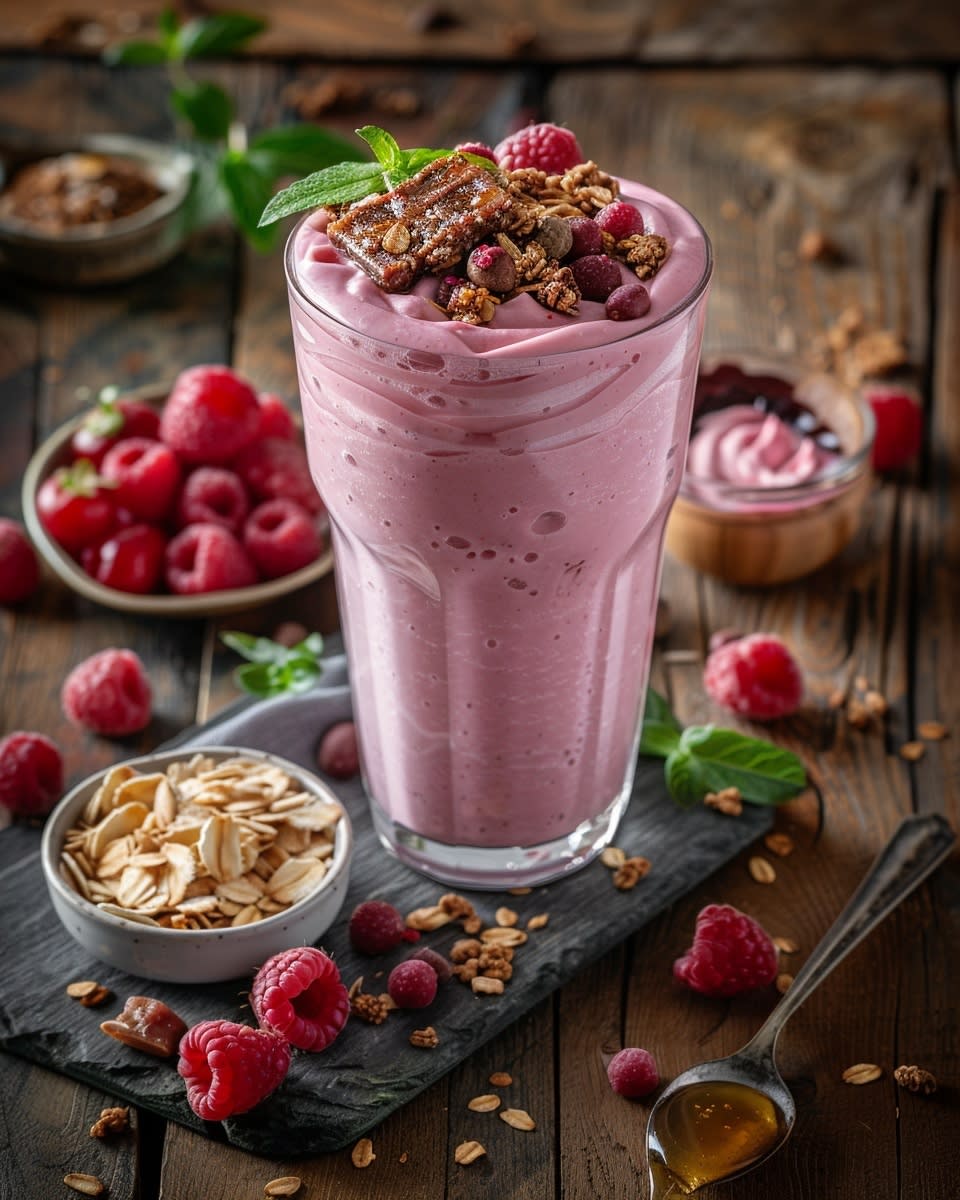
The Morning Smoothie That Changed Everything
I’ll never forget the morning I almost gave up on breakfast entirely. I was running late, my kids were complaining about being hungry, and I had exactly five minutes before we needed to walk out the door. That’s when I threw some frozen berries, a banana, and yogurt into my blender and hoped for the best. What came out was magic. My kids actually asked for seconds, I made it to work on time, and I felt full until lunch. That simple moment changed my entire morning routine.
Welcome to my blog! Today, I’m excited to share with you some of my favorite simple breakfast smoothie recipes. Whether you’re looking to lose weight, keep your kids happy, or just start your day off right, these easy smoothie recipes are perfect for a quick and healthy breakfast. I’ve spent years testing different combinations and learning what works for real people with real schedules.
Why Start Your Day with a Simple Breakfast Smoothie?
A simple breakfast smoothie is not just delicious. It’s also a great way to get in some essential nutrients first thing in the morning. It’s quick, easy, and can be customized to suit different dietary needs and preferences. Plus, they are perfect for busy mornings when you don’t have much time to prepare a full meal.
I used to skip breakfast all the time. I’d tell myself I wasn’t hungry or that I’d grab something later. But by 10 a.m., I was starving and reaching for whatever snack was closest. Usually cookies or chips from the vending machine. My energy was low, and I felt sluggish all morning. Once I started making healthy breakfast smoothies recipes part of my routine, everything shifted.
The beauty of smoothies is their flexibility. You can pack them with fruits, vegetables, protein, and healthy fats. You can make them thick like a milkshake or thin enough to drink quickly. The options are endless, and that’s what makes them so practical for different lifestyles.
The Real Benefits I’ve Noticed
Let me get real with you for a minute. When I first heard about breakfast smoothies for weight loss, I was skeptical. How could blending fruit help anyone lose weight? But the science actually makes sense. When you start your morning with a nutrient-rich smoothie, you’re less likely to overeat later in the day.
Here’s what I’ve personally experienced after making smoothies a regular habit:
- More energy throughout the morning without the coffee crash
- Better digestion and regular bathroom habits
- Fewer mid-morning snack cravings
- Clearer skin after about two weeks
- Weight loss without feeling deprived or hungry
- More vegetables in my diet without even trying
The weight loss part surprised me the most. I wasn’t trying to lose weight when I started. But after a month of replacing my usual bagel or cereal with a smoothie, my clothes fit better. I had dropped about six pounds without changing anything else about my routine.
Perfect for Every Member of Your Family
My kids used to fight me every morning about eating something healthy. Toast with butter was about all I could get them to eat willingly. But breakfast smoothies for kids turned breakfast into something fun. They love picking out the fruit we use. They enjoy watching everything blend together. And they don’t realize they’re drinking spinach and other vegetables I sneak in.
My seven-year-old calls them “magic drinks” because I can make them different colors. Purple from blueberries, green from spinach, orange from mangoes. She thinks it’s a game, but she’s getting vitamins and minerals without the usual mealtime battle.
Even my husband, who claimed he didn’t like smoothies, became a convert. He wanted something that would keep him full until lunch during his long work meetings. I started making breakfast smoothies that keep you full by adding protein powder, nut butter, and oats. Now he asks me to make extra so he can take some to work.
The Time-Saving Factor
Let’s talk about time because that’s what mornings are really about. Most of my easy smoothie recipes take less than five minutes from start to finish. That includes cleanup. Compare that to making eggs, toast, and bacon. Or even pouring cereal and cutting up fruit on the side.
I prep my smoothie ingredients the night before. I put the frozen fruit, spinach, and any other add-ins in individual bags or containers in the freezer. In the morning, I dump everything into the blender, add liquid, and press start. While it blends, I’m packing lunches or checking my email.
You can even make smoothies ahead of time. I sometimes blend a big batch on Sunday and freeze individual portions. Then I grab one on my way out the door. It thaws slightly during my commute and is perfect to drink by the time I get to my desk.
Adding Oats for Extra Staying Power
One game-changing discovery for me was adding oats to my smoothies. A breakfast smoothie with oats keeps you satisfied much longer than fruit alone. Oats add fiber, texture, and a subtle nutty flavor. They also make your smoothie thicker and more filling.
I use regular rolled oats, not the instant kind. You can throw them in dry, and your blender will grind them up. Or you can soak them in your liquid for a few minutes first if you have a less powerful blender. Either way works great.
The healthy breakfast smoothies with oats that I make most often include a quarter cup of oats. That’s enough to add substance without making the smoothie taste like you’re drinking oatmeal. My kids don’t even notice the oats are there, which is perfect for picky eaters.
Getting Started with Basic Ingredients
You don’t need a pantry full of expensive superfoods to make best breakfast smoothie recipes. I started with basic ingredients I already had at home. A bag of frozen fruit from the grocery store costs just a few dollars. A container of yogurt. Some milk or juice. Maybe a banana.
That’s honestly all you need to get started. As you get more comfortable, you can add things like spinach, protein powder, chia seeds, or nut butter. But those additions aren’t necessary when you’re just beginning.
My first smoothie was literally just frozen strawberries, a banana, and orange juice. It was delicious and simple. I didn’t stress about making it perfect or Instagram-worthy. I just wanted something quick and nutritious.
The blender matters somewhat, but you don’t need the most expensive model. I used a basic twenty-dollar blender for my first year. It worked fine for most recipes. I only upgraded when I started making smoothies daily and wanted something more powerful for frozen ingredients and leafy greens.
Making Smoothies Work for Your Goals
Different people want different things from their breakfast. Some want to lose weight. Others need energy for workouts. Parents want their kids to eat healthier. The great thing about smoothies is that you can adjust them for any goal.
For breakfast smoothies for weight loss, I focus on protein and fiber while keeping the sugar content reasonable. I use Greek yogurt for protein. I add spinach or kale for nutrients without many calories. I limit the fruit to one or two servings and skip adding honey or other sweeteners.
For breakfast smoothies that keep you full, I include healthy fats and complex carbs. Avocado makes smoothies creamy and satisfying. Nut butter adds protein and fat. Oats provide slow-releasing energy. These ingredients might add more calories, but they prevent you from getting hungry an hour later.
The best part is that you’re in control. You know exactly what goes into your breakfast. No hidden ingredients, no mystery additives, no reading tiny labels. Just real food blended into something delicious and convenient.


Smoothies That Actually Help You Lose Weight
Now that you understand why smoothies work so well for busy mornings, let’s talk about something that really matters to a lot of people. Weight loss. I know it’s a sensitive topic, and I’m not here to tell you what your body should look like. But I can share what worked for me when I was trying to shed some pounds after having my second kid.
The key to breakfast smoothies for weight loss is balance. You can’t just blend three bananas with chocolate syrup and expect to lose weight, right? But you also can’t make something so bland and unsatisfying that you’re raiding the snack drawer by 9 a.m. I learned this the hard way when I tried making smoothies with just water and spinach. That lasted exactly two days before I gave up completely.
What actually works is creating smoothies that are nutrient-dense but not calorie-heavy. Think about it like this. You want ingredients that give your body what it needs without overdoing the calories. Berries are your best friend here. They’re naturally sweet but relatively low in sugar compared to tropical fruits. Strawberries, blueberries, raspberries, and blackberries all work beautifully.
Greek yogurt became my secret weapon. It has way more protein than regular yogurt, which means it keeps you full longer. Plus, it makes smoothies thick and creamy without needing ice cream or lots of banana. I usually add about half a cup to my weight loss smoothies. Some mornings when I’m really hungry, I’ll add a bit more.
Here’s something nobody told me at first. You can add vegetables to smoothies without them tasting like salad. Spinach is practically flavorless when you blend it with fruit. I’m talking huge handfuls of spinach that completely disappear behind the berry flavor. My friend didn’t believe me until she tried it herself. Now she adds spinach to every smoothie she makes.
The Ingredients That Changed My Weight Loss Game
When I started researching healthy breakfast smoothies recipes for weight loss, I got overwhelmed by all the exotic ingredients people recommended. Spirulina, maca powder, fancy protein powders that cost more than my grocery budget. But honestly? The simple stuff works just as well.
I stick with spinach because it’s cheap and available everywhere. One big handful gives you iron, vitamins, and fiber. Frozen berries because they’re less expensive than fresh and just as nutritious. Sometimes I’ll grab whatever’s on sale. The mixed berry bags are usually a good deal.
For protein, I rotate between Greek yogurt, regular protein powder, and sometimes cottage cheese. Yeah, cottage cheese in a smoothie sounds weird. But if you blend it really well, it becomes super creamy and adds tons of protein. My cousin taught me that trick, and it’s been a game changer for mornings when I’m out of yogurt.
Funny enough, adding healthy fats actually helps with weight loss. A tablespoon of almond butter or a quarter of an avocado makes your smoothie more satisfying. Fats slow down digestion, which means you stay full longer. I used to avoid fats completely when trying to lose weight, but that approach just left me hungry and cranky. On those mornings when I really want something filling, I sometimes make a breakfast wrap with egg and cheese instead, but smoothies are quicker most days.
One more thing about weight loss smoothies. Watch your portions of fruit. Fruit is healthy, but it still contains sugar and calories. I limit myself to one cup of frozen berries and maybe half a banana. That’s enough sweetness without going overboard. If it’s not sweet enough, I add a tiny bit of stevia or a few drops of vanilla extract instead of honey.
Building Smoothies That Actually Keep You Full
Let me tell you about the disaster smoothies I made when I first started. They tasted fine, but I was starving again within an hour. Turns out, you need more than just fruit and juice to stay satisfied until lunch. The secret is adding ingredients that provide lasting energy.
That’s where oats come in. A breakfast smoothie with oats is completely different from a regular fruit smoothie. The oats add substance and fiber that digest slowly. Your blood sugar stays stable instead of spiking and crashing. I used to feel shaky and tired mid-morning. Adding oats fixed that problem almost immediately.
I usually add between a quarter and a half cup of rolled oats. Start with less if you’re not used to the texture. Some people soak their oats in milk for five minutes before blending. I’m usually too impatient for that, so I just throw them in dry. My blender handles it fine. If yours struggles, the soaking trick really does help.
The texture of healthy breakfast smoothies with oats is thicker and more substantial. It’s almost like drinking a meal rather than a snack. My husband loves these because he does physical labor all morning and needs something that sticks with him. Regular fruit smoothies left him hungry by his first break.
Protein is the other key ingredient for staying full. I aim for at least fifteen to twenty grams of protein in my morning smoothie. That might come from Greek yogurt, protein powder, nut butter, or a combination. Protein takes longer to digest than carbs, so it keeps hunger away.
By the way, if you’re looking for other filling breakfast options, I also love making toast with peanut butter and banana on days when I want something I can actually chew. But on rushed mornings, smoothies win every time.
My Go-To Formula for Satisfying Smoothies
After making hundreds of smoothies, I’ve developed a formula that works every time. It’s flexible enough to change based on what I have available, but it always creates something filling and delicious. Here’s how I think about building the best breakfast smoothie recipes for staying full.
First, I choose my liquid base. Usually unsweetened almond milk because it’s low in calories but creamy. Sometimes regular milk if I want more protein. Occasionally water mixed with a bit of juice if I’m trying to keep calories really low. I use about one cup of liquid, sometimes more if I want a thinner consistency.
Then comes the protein source. This is non-negotiable if you want to stay full. Greek yogurt, protein powder, nut butter, or cottage cheese. Pick at least one. On days when I’m extra hungry or planning a tough workout, I’ll combine two protein sources.
Next, the oats. A quarter to half cup depending on how hungry I am and how long until my next meal. The oats are what transform a regular smoothie into breakfast smoothies that keep you full for hours. They’re also super cheap, which is nice when you’re making smoothies every single day.
Fruit comes next. I keep it reasonable, usually one cup of frozen berries or half a banana plus some berries. Frozen mango is delicious too. The frozen fruit also acts as ice, making your smoothie cold and thick without watering it down.
Finally, the extras. A handful of spinach that nobody will taste. Maybe a tablespoon of chia seeds for extra fiber and omega-3s. A spoonful of nut butter if I want more richness. A dash of cinnamon or vanilla for flavor. These additions aren’t mandatory, but they boost the nutrition without adding many calories.
The whole process takes maybe three minutes. Sometimes less if I’m really rushing. Compare that to making quick scrambled eggs and toast, which definitely takes longer even though it’s also delicious. Both are good options, but smoothies win on busy mornings.
Adjusting Smoothies for Different Needs
One size definitely doesn’t fit all when it comes to breakfast. My smoothie needs are different from my husband’s needs, which are different from my kids’ needs. That’s actually the beautiful part about smoothies. You can customize them endlessly.
When I’m trying to lose weight, I make my smoothies lighter. More vegetables, less fruit, no added sweeteners. Lots of protein to keep me satisfied. Maybe 250 to 300 calories total. That leaves room for snacks and other meals throughout the day without going over my calorie goals.
My husband needs way more calories because he’s bigger and more active. His smoothies include extra oats, more nut butter, maybe even a scoop of protein powder plus yogurt. His morning smoothie might be 500 calories or more. That’s what keeps him going until lunch without getting hungry.
Here’s the thing about figuring out what works for you. It takes some experimenting. I kept notes on my phone for the first few weeks. I’d write down what I put in each smoothie and how I felt afterward. Did I get hungry an hour later? Did I have good energy? Did I like the taste enough to make it again?
Those notes helped me understand my own patterns. I learned that if I skimp on protein, I’m hungry by mid-morning no matter what else I include. I discovered that too much banana makes me feel sluggish. Small observations that made a big difference in creating easy smoothie recipes that actually work for my life.
Sometimes I still crave a traditional breakfast instead. On weekends, I might make yogurt with honey and nuts and sit down to eat it slowly. But during the workweek, smoothies are my lifeline. They’re the reason I actually eat breakfast now instead of skipping it and feeling terrible by lunch.


Easy Smoothie Recipes That Kids Actually Ask For
Getting my daughter to eat anything healthy used to feel like negotiating with a tiny, stubborn lawyer. She’d examine every meal like it might contain poison. Vegetables? Absolutely not. Anything green? Not happening. But then I discovered something magical. Kids who won’t touch a salad will happily drink spinach if you blend it with strawberries and call it a princess smoothie.
The trick with breakfast smoothies for kids isn’t hiding vegetables, though that helps. It’s making the whole experience fun. My kids help me choose the fruit. They press the blender button. They pick out their favorite cup and straw. Suddenly, breakfast isn’t a battle anymore. It’s an activity they look forward to.
Here’s what I learned about making smoothies kids will actually drink. First, don’t overthink it. Kids like simple flavors they recognize. Strawberry. Banana. Chocolate. Start there and build slowly. The first smoothie I made my daughter was just strawberries, milk, and a tiny bit of honey. She loved it. That became our baseline, and we experimented from there.
Second, texture matters more than you’d think. Some kids hate pulpy smoothies. Others don’t mind. My son prefers his really thick, almost like ice cream. My daughter wants hers thin enough to drink through a straw easily. I adjust the liquid amount based on who I’m making it for. It’s such a small thing, but it makes a huge difference in whether they’ll finish it.
The color thing is real too. Kids eat with their eyes first. Purple smoothies from blueberries are exciting. Pink ones from strawberries feel special. Even that weird brownish color you get from mixing too many fruits becomes acceptable if you call it “dinosaur juice” or something equally ridiculous. I’m not above silly names if it means my kids get nutrients.
My Most Popular Kid-Friendly Smoothie Combinations
After years of making smoothies for my kids and their friends, I’ve figured out which combinations work every single time. These are the easy smoothie recipes that kids request by name. The ones they tell their friends about at school. The ones that make other parents text me asking for the recipe.
The strawberry banana classic never fails. One cup of frozen strawberries, half a banana, a cup of milk, and a tiny drizzle of honey if needed. That’s it. Blend until smooth. My kids have been drinking this version since they were toddlers. Sometimes I add half a cup of vanilla yogurt to make it creamier. They’ve never once complained.
Then there’s what we call the berry blast. Mixed frozen berries, a handful of spinach that completely disappears, half a banana, and orange juice. The orange juice makes it taste slightly tropical and masks any vegetable flavor. The dark purple color looks cool, which helps with the appeal factor. This one is secretly packed with vitamins, but my kids just think it tastes like candy.
Chocolate banana is basically a milkshake disguised as breakfast, but I’m okay with that. One banana, a cup of milk, a tablespoon of cocoa powder, and a spoonful of peanut butter. Sometimes I add a few ice cubes to make it extra cold. This is the smoothie my son asks for on his birthday. It feels like a treat, but it’s actually pretty nutritious with the banana and peanut butter providing good stuff.
On days when my kids want something different, I make a tropical version with frozen mango, pineapple, half a banana, and coconut milk. It tastes like vacation. The natural sweetness from the tropical fruit means you don’t need any added sweetener. Even kids who claim they don’t like mango will drink this one because the flavors blend together so well.
Sneaking in the Good Stuff Without a Fight
Let’s be honest about something. Sometimes we need to be a little sneaky to get kids to consume vegetables. I’m not talking about lying to your kids. But I am talking about smart ingredient choices that boost nutrition without changing the taste they love.
Spinach is your best friend here. It genuinely has almost no flavor when blended with fruit. I started with just a few leaves and gradually increased to full handfuls. My kids never noticed the progression. Now I regularly put two huge handfuls of fresh spinach in their smoothies. They see me do it. They just don’t care because it still tastes like berries.
Frozen cauliflower is another secret weapon. Sounds weird, right? But hear me out. A handful of frozen cauliflower makes smoothies incredibly creamy and thick. It has virtually no flavor. It adds vitamins and fiber. And kids cannot detect it at all when mixed with stronger flavors like berries or chocolate. I buy the pre-riced frozen cauliflower because it blends easier.
Avocado works too, especially in chocolate or berry smoothies. Quarter of a small avocado makes the texture amazing and adds healthy fats. The green color disappears when blended with darker fruits. My kids have no idea they’re drinking avocado, which is hilarious because they refuse to eat it any other way.
Greek yogurt instead of regular yogurt bumps up the protein without changing the taste. Kids need protein to stay focused at school and have energy for activities. But good luck getting them to eat plain chicken breast for breakfast. A smoothie with Greek yogurt gives them that protein in a form they’ll actually consume.
One thing I check occasionally is the calorie content of different fruits and add-ins, especially when I’m trying to make sure my growing kids are getting enough energy for their busy days without going overboard on sugar. It helps me balance the ingredients better.
Making Smoothie Time More Fun
Kids are way more likely to drink something they helped create. That’s just how their brains work. They feel ownership over it. So I involve them in the process as much as possible, even on rushed mornings.
We have a smoothie station in our kitchen. It’s just a lower cabinet where I keep the plastic cups, reusable straws, and a few smoothie-safe ingredients. My kids can reach everything themselves. They feel independent and helpful when they grab their cup and pick which straw color they want.
Sometimes we do “smoothie surprise” where each kid closes their eyes and picks three ingredient cards I’ve made. Whatever they pick, we blend together. This has led to some interesting combinations. Spinach, mango, and chocolate actually worked pretty well. Strawberry, banana, and peanut butter became a new favorite. Blueberry, avocado, and vanilla was surprisingly good.
The silly names really do help. My kids are more excited about drinking a “superhero strength shake” than a “spinach smoothie,” even though they’re the exact same thing. We have princess smoothies, dragon fuel, unicorn magic, monster energy, and rocket juice. All just different combinations of fruit and vegetables with ridiculous names that make breakfast more entertaining.
Letting them press the blender button is a big deal too. There’s something satisfying about making all that noise and watching the ingredients transform. Even my teenager, who’s generally too cool for everything, still likes being the one to start the blender. It’s a small thing that takes zero extra time but makes them feel involved.
Handling Picky Eaters and Food Sensitivities
Some kids are pickier than others. My friend’s daughter will only drink smoothies if they’re pink. Not purple. Not red. Pink. So she uses strawberries and a tiny bit of banana, and that’s it. That’s fine. A limited smoothie is still better than no breakfast at all.
If your kid doesn’t like cold drinks, serve the smoothie at room temperature. Sounds strange, but some kids have sensitive teeth or just prefer things not ice-cold. Use fresh fruit instead of frozen and skip the ice. The taste is the same, just warmer. Who cares as long as they drink it?
For kids with food allergies or sensitivities, smoothies are actually perfect because you control every ingredient. Dairy-free? Use almond milk, oat milk, or coconut milk. My nephew is allergic to dairy, and he loves smoothies made with coconut milk and frozen fruit. They’re naturally creamy without any yogurt.
Nut allergies? Skip the nut butter and use sunflower seed butter instead. Or just leave it out entirely and add extra banana for creaminess. There are always substitutions that work. I’ve made delicious smoothies with just fruit, dairy-free milk, and a handful of oats. Nothing fancy needed.
The main thing is not giving up if the first attempt fails. My son rejected smoothies entirely for months. Then one day he saw his friend drinking one and suddenly decided they were acceptable. Kids are unpredictable like that. Keep offering without pressure, and eventually most of them come around.
Quick Tips for Stress-Free Smoothie Mornings
Making smoothies with kids around can be chaotic. I’ve learned a few tricks that make mornings run smoother. First, prep the night before. I put all the frozen ingredients in individual containers or bags. Morning me is grateful to evening me for this every single time.
Keep a smoothie ingredient checklist on your fridge. Sounds overly organized, but it saves so much time at the grocery store. I know exactly what I need to restock. Frozen berries, bananas, spinach, yogurt, milk. Having it written down means I never forget the one crucial ingredient that makes my kid’s favorite smoothie.
Invest in an extra blender jar if your blender brand sells them. On mornings when multiple people want different smoothies, I can blend one, pour it out, and immediately start the next without washing between. This has probably saved me hours over the years.
Start with less liquid than you think you need. You can always add more if the smoothie is too thick. But if you add too much liquid at the start, you can’t really fix it without adding a ton more fruit or ice. I usually start with three-quarters of a cup of milk and add more as needed.
For anyone looking for more morning meal inspiration beyond smoothies, I’ve found tons of helpful ideas at easy breakfast ideas that work well for families with different preferences and time constraints. Some mornings require variety to keep everyone happy.
A Final Encouraging Thought
The truth is, there’s no perfect breakfast or perfect smoothie recipe. There’s only what works for your family on any given morning. Some days you’ll make an Instagram-worthy creation packed with superfoods. Other days you’ll blend whatever fruit is about to go bad with some milk and call it done. Both are completely fine. The fact that you’re trying to give your family a healthy start to the day is what matters. Start simple, adjust as you go, and remember that even small nutritional wins add up over time.
Frequently Asked Questions About Simple Breakfast Smoothies
What are the benefits of drinking a simple breakfast smoothie?
Drinking a smoothie for breakfast gives you an easy way to pack in fruits, vegetables, protein, and healthy fats all at once. It’s much faster than preparing a traditional meal, which makes it perfect for busy mornings. Smoothies can help with weight management because they’re portion-controlled and filling when made correctly. They also improve digestion thanks to all the fiber from fruits and vegetables. Plus, you’re more likely to eat breakfast regularly when it only takes five minutes to prepare, and that consistent morning fuel keeps your energy stable throughout the day.
Can I make a simple breakfast smoothie ahead of time?
Yes, you can definitely make smoothies in advance, though they’re best consumed within 24 hours. I often blend a big batch on Sunday evening and pour individual servings into mason jars or bottles. Store them in the refrigerator if you’ll drink them the next day, or freeze them for longer storage. Frozen smoothies thaw perfectly in the fridge overnight or at room temperature for a couple hours. Just shake well before drinking since some separation is normal. The texture might be slightly different from fresh, but the taste and nutrition remain good.
Are there any specific ingredients I should avoid in a simple breakfast smoothie?
I’d avoid adding too much fruit juice since it’s high in sugar without the fiber that whole fruit provides. Also skip adding regular sugar, honey, or other sweeteners if your fruit is already sweet enough. Pre-sweetened yogurts often contain lots of added sugar, so plain yogurt is a better choice. Be careful with high-calorie additions like excessive nut butter or coconut oil unless you’re specifically trying to increase calories. And watch out for protein powders with lots of artificial ingredients if you prefer natural options. Basically, stick with whole food ingredients as much as possible and let natural sweetness from fruit do the work.
How can I make my simple breakfast smoothie more filling?
Adding protein is the number one way to make smoothies more satisfying. Use Greek yogurt, protein powder, cottage cheese, or nut butter to boost protein content. Oats are another game-changer because they add fiber and substance that digests slowly. Including healthy fats like avocado, chia seeds, or nut butter helps too since fat takes longer to digest. Using a banana makes smoothies creamier and more substantial. Finally, make sure you’re drinking enough volume—sometimes a small smoothie just isn’t enough food, so don’t be afraid to make a larger serving with balanced ingredients.
Is a simple breakfast smoothie suitable for people with dietary restrictions?
Absolutely, smoothies are incredibly adaptable for various dietary needs. For dairy-free diets, use almond milk, oat milk, coconut milk, or any plant-based alternative. If you’re avoiding gluten, just make sure your oats are certified gluten-free. Vegan smoothies work great with plant-based protein powder, dairy-free milk, and nut butter instead of yogurt. For nut allergies, use seed butter like sunflower or pumpkin seed butter. Low-sugar diets can focus on berries and vegetables with minimal banana. The beauty of making your own smoothie is complete control over every ingredient.
How long does a breakfast smoothie keep me full?
A well-balanced smoothie should keep you satisfied for three to four hours, similar to any solid breakfast. The key is including enough protein, healthy fats, and fiber from ingredients like oats. If you’re getting hungry after just an hour, your smoothie probably needs more substance. Try adding an extra scoop of protein powder, a tablespoon of nut butter, or a quarter cup more oats. Everyone’s metabolism is different too—active people and those with faster metabolisms might need larger smoothies or additional protein. Pay attention to your own hunger patterns and adjust your recipe accordingly.
What’s the best type of blender for making breakfast smoothies?
You don’t need an expensive high-powered blender to make good smoothies, though they do make things easier. A basic blender works fine if you’re using soft fruits, liquids, and maybe some spinach. If you want to blend frozen fruit, ice, and tougher ingredients like raw kale or whole oats, a more powerful blender helps. I started with a twenty-dollar model and upgraded after a year to a mid-range blender around $100. The mid-range option blends faster and smoother but isn’t necessary when you’re just starting out. Choose based on your budget and how often you’ll actually use it.
Can kids drink the same smoothies as adults?
Kids can definitely drink similar smoothies, though you might need to adjust portions and ingredients. Kids generally prefer sweeter flavors, so you might use more fruit and less bitter greens than an adult weight-loss smoothie. They also need adequate calories for growth and energy, so don’t make their smoothies too light. Protein is important for kids too, but they might not need as much as an active adult. The basic formula works for everyone—just adjust amounts based on age, size, and activity level. My kids drink smaller versions of whatever I make myself, just with maybe a bit more banana for sweetness.
Do breakfast smoothies actually help with weight loss?
Smoothies can support weight loss when they replace higher-calorie breakfasts and keep you full enough to avoid snacking. The key is keeping them nutrient-dense but not calorie-dense, which means lots of vegetables, moderate fruit, good protein, and controlled portions of healthy fats. A 300-calorie smoothie that keeps you satisfied until lunch is definitely better than skipping breakfast and then overeating later. However, smoothies don’t magically cause weight loss on their own—they’re just a helpful tool for portion control and nutrition. They worked for me because they made healthy eating convenient, which helped me stay consistent with better food choices overall.
What should I do if my smoothie is too thick or too thin?
If your smoothie is too thick, just add more liquid a little bit at a time until you reach the consistency you want. Start with a quarter cup and blend again. You can use milk, water, or juice depending on your recipe. If it’s too thin, add more frozen fruit, a handful of ice, another spoonful of yogurt, or some oats. Frozen banana is especially good for thickening smoothies while adding natural sweetness. Sometimes I actually prefer my smoothies really thick and eat them with a spoon like a smoothie bowl. There’s no wrong consistency—just whatever you enjoy drinking.
Ingredients
Equipment
Method
- Gather all ingredients.
- If using, soak the oats in the liquid for a few minutes.
- Place all ingredients into the blender.
- Blend until smooth.
- Adjust the consistency if necessary by adding more liquid.
- Pour into a glass and enjoy immediately.