
Why Simple Overnight Oats Changed My Mornings Forever
I used to be that person who hit snooze five times and then rushed out the door with nothing but coffee in my system. My mornings were chaos. Then I discovered simple overnight oats, and everything changed. Now I wake up to a ready-made breakfast that tastes like dessert but fuels me like a champion.
The best part? I make them while I’m already cleaning up dinner. Five minutes of effort at night means zero stress in the morning. No cooking. No waiting. Just grab and go.
Overnight oats have become wildly popular for good reason. They’re perfect for anyone who wants a healthy breakfast without the morning hassle. Students love them. Busy parents swear by them. Even my friend who claims she “doesn’t do mornings” keeps three jars in her fridge at all times.
The beauty of this breakfast lies in its flexibility. You can make overnight oats vegan with plant-based milk. You can add Greek yogurt for extra protein. You can use water if you want to keep things super simple. The recipe adapts to whatever you have on hand or whatever your diet requires.
I’ve experimented with countless combinations over the past two years. Some were amazing. Some were learning experiences (note to self: pickle juice does not work as a liquid base). But the basic formula never fails. It’s become such a staple that I feel off when I don’t have a jar waiting for me in the fridge.
What Are Simple Overnight Oats?
Let me break down exactly what makes overnight oats different from your regular bowl of oatmeal. Traditional oatmeal requires cooking. You heat water or milk, add your oats, and stand there stirring. Simple overnight oats skip all that. You mix raw oats with liquid and let them sit in the fridge overnight. The oats absorb the liquid and soften completely. No heat needed.
The texture is different too. Cooked oatmeal tends to be warm and porridge-like. Overnight oats are cold, creamy, and have a slightly chewy texture. Think of it as the difference between cooked pudding and mousse. Both are good, but they’re completely different experiences.
The basic ingredients are incredibly simple:
- Rolled oats (also called old-fashioned oats)
- Liquid of your choice (milk, plant milk, or water)
- Optional sweetener (maple syrup, honey, or mashed banana)
- Add-ins and toppings (whatever you like)
That’s it. The standard ratio I use is 1:1. One part oats to one part liquid. Some people prefer theirs thicker and use less liquid. Others like them soupier and add more. After you make them a few times, you’ll figure out your perfect consistency.
The process couldn’t be easier. Mix your oats and liquid in a jar or container. Add any sweeteners or flavors you want. Stir it all together. Put the lid on and stick it in the fridge. Wait at least 4 hours, though overnight (8-12 hours) is ideal. In the morning, give it a stir and add your toppings.
Making them ahead of time is the real magic. I prep three or four jars on Sunday night. Then I have breakfast ready for most of the week. No thinking required. No decisions to make when I’m still half asleep. Just grab a jar and a spoon.
Many people ask me about overnight oats quaker specifically. Yes, Quaker oats work perfectly for this recipe. I actually prefer Quaker Old Fashioned Oats because they have the right texture. They’re thick enough to hold up overnight but not so thick that they stay crunchy. Just don’t use quick oats or instant oats. They turn to mush. You want the rolled oats for the best texture.
Vegan and Dairy-Free Options for Everyone
One of my favorite things about overnight oats vegan versions is how naturally they work. You don’t need to make weird substitutions or sacrifice flavor. Plant-based milk works just as well as dairy milk. Sometimes I think it works even better.
Overnight oats coconut milk is my top choice when I want something rich and tropical. The coconut milk makes the oats incredibly creamy. It adds a subtle sweetness that pairs perfectly with berries or mango. I use the kind from a carton, not the thick canned version. Save that for curry.
Almond milk is my everyday choice. It’s neutral enough to work with any flavor combination. Oat milk (yes, oats soaked in oat milk) creates an extra creamy texture. Soy milk adds more protein. Cashew milk is rich and smooth. I’ve tried them all, and they all work great.
Here’s my trick for making sure your vegan overnight oats are creamy and delicious: add a tablespoon of chia seeds or ground flaxseed. These create a pudding-like consistency. They also add healthy fats and fiber. The texture becomes luxurious instead of watery.
For vegan toppings and mix-ins, the options are endless:
- Fresh fruit: berries, sliced bananas, diced apples, or peaches
- Nuts and seeds: almonds, walnuts, pumpkin seeds, or sunflower seeds
- Nut butters: almond butter, cashew butter, or tahini
- Dried fruit: raisins, cranberries, or chopped dates
- Coconut flakes: toasted or raw
- Dark chocolate chips: because life is short
My current obsession is chocolate peanut butter overnight oats. This combination tastes like a dessert but keeps me full until lunch. I add two tablespoons of cocoa powder to my basic oat mixture. Then I swirl in a big spoonful of peanut butter. In the morning, I top it with sliced banana and a few dark chocolate chips.
The peanut butter overnight oats version works with any plant-based milk. I usually use almond milk for this flavor. The slight nuttiness of the almond milk enhances the peanut butter. It’s like eating a candy bar for breakfast, except it’s actually good for you.
If you’re not vegan but want extra protein, try overnight oats with greek yogurt. I add about a quarter cup of Greek yogurt to my basic recipe. This makes them super thick and tangy. The protein keeps me satisfied for hours. Peanut butter overnight oats greek yogurt combinations are especially filling.
Don’t overlook overnight oats with water either. I know it sounds boring. But when you add enough flavor through fruit, spices, and toppings, water works fine. It’s lighter and lets the other flavors shine. Plus it’s the cheapest option and works for anyone with milk allergies.
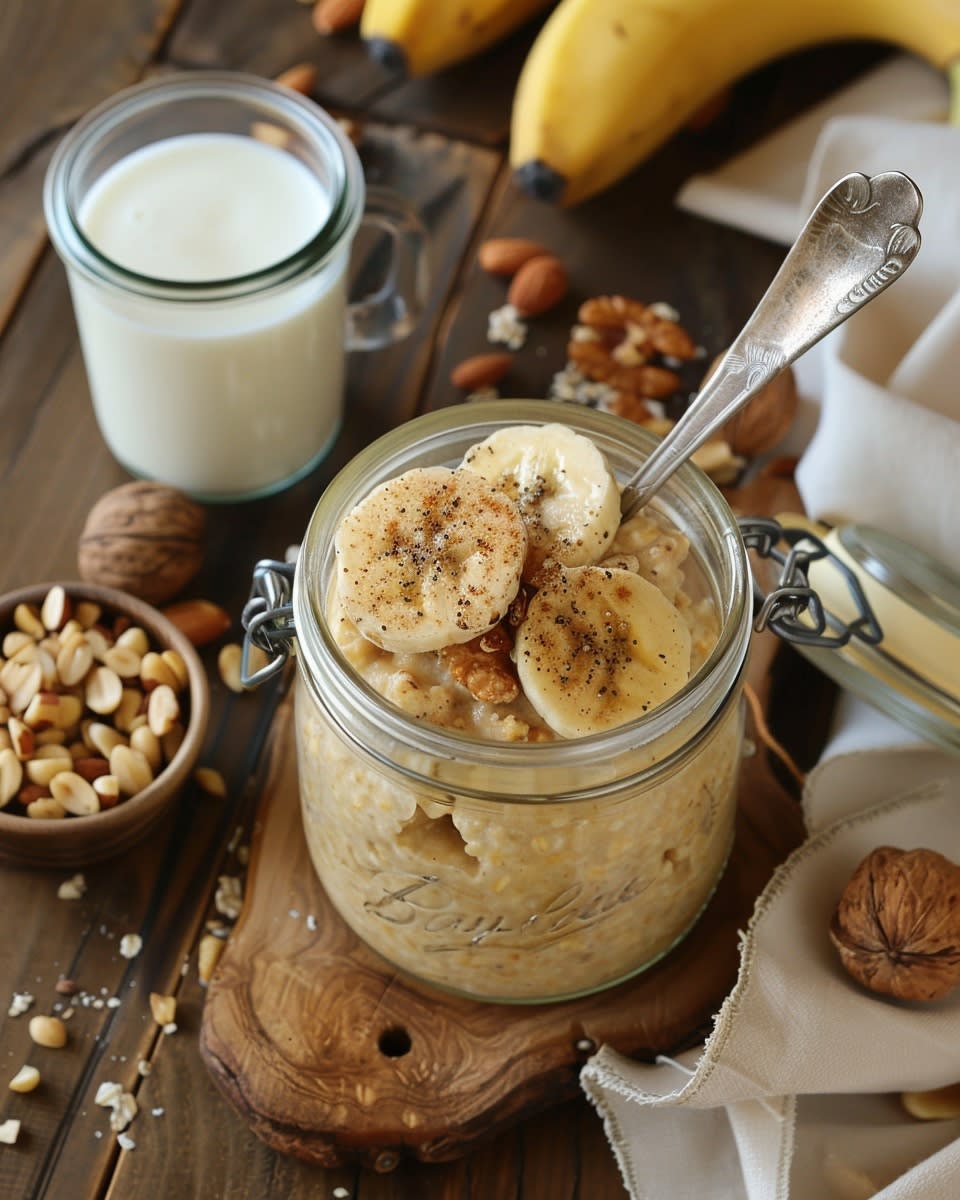
Banana overnight oats are perfect for anyone who wants natural sweetness without added sugar. I mash half a banana into the oats before refrigerating. Then I slice the other half on top in the morning. The mashed banana makes the oats creamy and adds potassium. It’s my go-to when I have bananas that are getting too ripe.
For my friends in the UK, simple overnight oats uk style often includes adding a bit of honey and mixed berries. The portions tend to be slightly smaller too. I learned this when I visited London last year. My cousin makes hers with British porridge oats, which are basically the same as rolled oats.
Simple overnight oats with yogurt creates the thickest, most filling version. I use about half the usual amount of liquid and add yogurt to make up the difference. This version is almost like eating a parfait. It’s fancy enough to serve guests but easy enough for a regular Tuesday.
The key to success with any variation is experimenting. Your first batch might be too thick or too thin. That’s normal. Adjust the liquid next time. Try different flavor combinations. Find what makes you excited to wake up in the morning.


Greek Yogurt Takes Your Oats to the Next Level
Now that we’ve covered the basics, let me tell you about the one ingredient that completely transformed my overnight oats game. Greek yogurt. Seriously, adding this thick, tangy powerhouse changes everything about the texture and nutrition profile.
When I first tried overnight oats with greek yogurt, I was skeptical. I thought it might be too heavy or too sour. But that first spoonful proved me completely wrong. The oats became this incredibly creamy, almost mousse-like consistency. They felt substantial. Like actual food instead of just breakfast filler.
The protein boost is no joke either. Regular overnight oats have some protein from the oats themselves, maybe 5 or 6 grams. Add a half cup of Greek yogurt and you’re looking at an additional 15 to 20 grams of protein. That’s comparable to what you’d get from a protein breakfast burrito bowl, except it takes about a tenth of the effort to prepare.
Here’s my go-to recipe for peanut butter overnight oats greek yogurt that I make at least twice a week. Mix half a cup of rolled oats with a quarter cup of milk (I use almond milk, but any works). Add a quarter cup of plain Greek yogurt. Stir in one tablespoon of natural peanut butter and one teaspoon of honey or maple syrup. I also throw in a pinch of cinnamon because why not. Mix everything until the peanut butter is distributed throughout. Cover and refrigerate overnight. In the morning, I top it with banana slices and a sprinkle of granola for crunch.
The thing about Greek yogurt is that it changes the fundamental texture. Without yogurt, overnight oats are soft and uniform. With yogurt, they become thick and rich. You know that feeling when you eat really good ice cream and it coats your mouth? That’s what Greek yogurt does to your oats. My husband describes it as “breakfast you can stand a spoon up in,” which isn’t the most poetic description but it’s accurate.
Taste-wise, Greek yogurt versions have a slight tang. I actually love this because it balances out sweeter toppings like fruit or honey. But I know some people find that tanginess off-putting. If you’re in that camp, here are my tricks for mellowing it out. First, use vanilla Greek yogurt instead of plain. The vanilla masks a lot of the sourness. Second, add a mashed banana before refrigerating. Bananas are naturally sweet and creamy, and they counteract the tang beautifully. Third, use a smaller amount of yogurt. Start with just two tablespoons instead of a quarter cup. You’ll still get some creaminess without overwhelming sourness.
Compared to milk-only overnight oats, the Greek yogurt versions keep me full for hours longer. I used to get hungry again around 10 AM. Now I can easily make it to lunch without thinking about food. That sustained energy comes from the protein and the fat in the yogurt working together.
By the way, not all Greek yogurt is created equal for this purpose. I’ve found that full-fat Greek yogurt works best for overnight oats. The non-fat versions can be grainy and don’t create that luxurious creaminess. Two percent is a good middle ground if you’re watching fat intake but still want decent texture. Also, avoid any Greek yogurt with added thickeners or stabilizers. You want just milk and cultures on that ingredient list.
The Magic of Bananas and Other Fruits
Let’s talk about banana overnight oats because this combination deserves its own spotlight. Bananas are like nature’s perfect overnight oats ingredient. They sweeten without added sugar. They thicken the mixture naturally. And they add potassium, fiber, and other good stuff your body needs.
I discovered the banana method by accident. I had some bananas that were getting spotty on my counter. You know that stage where they’re too ripe for just eating but perfect for banana bread? I was too lazy to make banana bread, so I mashed one into my overnight oats mixture. The next morning I opened my jar and thought I’d messed something up. The oats were almost pudding-thick and tasted sweet and banana-y without any added sweetener.
Here’s my simple banana overnight oats recipe that I make whenever I need comfort food for breakfast. Take one very ripe banana and mash it thoroughly with a fork. Mix it with half a cup of rolled oats and half a cup of milk. Add a quarter teaspoon of cinnamon and a tiny pinch of salt. Stir everything together until combined. Refrigerate overnight. In the morning, top with a drizzle of peanut butter, some chopped walnuts, and maybe a few chocolate chips if you’re feeling it. This tastes remarkably similar to banana peanut butter toast but with way more staying power.
The key with bananas is ripeness. Those perfect yellow bananas you’d pack in a lunchbox? Too firm for overnight oats. You want bananas with brown spots. The browner, the better. Those overly ripe bananas are sweeter and mash more easily. They basically dissolve into the oats and create this natural sweetness throughout.
But bananas aren’t your only fruit option. Funny enough, I’ve become a bit obsessed with testing different fruits in my overnight oats. Berries are fantastic because they don’t require any prep work beyond rinsing. I add fresh blueberries or raspberries directly to the jar before refrigerating. They release some juice overnight and tint the oats this gorgeous pink or purple color. Plus they add antioxidants and natural sweetness.
Strawberries are better chopped and added in the morning as a topping. They get mushy if you mix them in overnight. Same with sliced peaches or nectarines. Fresh is great, but frozen fruit works perfectly too. I buy big bags of frozen mixed berries and add a handful to my jars. They thaw overnight and create this fruity syrup that mixes into the oats.
Apples are underrated in overnight oats. I dice a small apple into tiny pieces and mix it in with some cinnamon and a drizzle of maple syrup. It’s like eating apple pie for breakfast. The apple pieces stay slightly crunchy even after sitting overnight, which adds nice texture contrast. This combination reminds me of mornings when my mom would make us hot oatmeal with apples and cinnamon on cold winter days.
Here’s the thing about fruit additions. They bump up the nutrition significantly without adding much effort. Most fruits add fiber, vitamins, and natural sugars that give you energy. They also make your breakfast feel more complete and satisfying. It’s similar to how a quick yogurt and fruit bowl feels more substantial than plain yogurt alone.
One fruit combination I keep coming back to is mango and coconut. I use coconut milk as my liquid base, add some diced fresh or frozen mango pieces, and top it with toasted coconut flakes in the morning. It tastes like vacation. Like I should be eating it on a beach somewhere instead of at my kitchen counter before work.
Why Water-Based Overnight Oats Deserve More Respect
Okay, I need to defend overnight oats with water for a minute. I know it sounds boring. Maybe even sad. But hear me out because water-based overnight oats can be just as delicious as milk-based versions when you do them right.
The main advantage is simplicity and calorie reduction. Milk adds anywhere from 50 to 150 calories depending on what type you use. Water adds zero. For people tracking calories or trying to lose weight, that difference matters. You can “spend” those saved calories on more interesting toppings like nuts or nut butter.
Water also creates a cleaner flavor profile. It doesn’t compete with your other ingredients. When I make chocolate overnight oats with cocoa powder, I actually prefer using water. The chocolate flavor comes through more clearly without milk muddying it up. Same thing with fruit-heavy versions. The natural fruit sweetness shines when water is your base.
The trick to making water-based overnight oats taste good is layering in other flavors. First, always add a tiny pinch of salt. Salt makes everything taste better, even oatmeal. It enhances all the other flavors without making things taste salty. Second, add vanilla extract. Just half a teaspoon transforms plain water-and-oats into something that tastes intentional. Third, use plenty of toppings. This is where your flavor really comes from.
My favorite water-based recipe uses half a cup of oats with half a cup of water. I add a pinch of salt, half a teaspoon of vanilla extract, one tablespoon of chia seeds, and one tablespoon of maple syrup. I mash in half a banana for creaminess. In the morning, I top it with fresh berries, a tablespoon of almond butter, and some sliced almonds. Nobody would guess that mixture started with just water as the liquid.
Another benefit of water is that it works for everyone. People with dairy allergies or nut allergies can’t use most milk alternatives. But everyone can have water. It’s the most inclusive option, which matters when you’re making breakfast for a group or trying to accommodate different dietary needs.
The texture with water is definitely thinner than with milk. That’s just physics. But you can compensate by adding more oats or letting them sit longer. Sometimes I make my water-based oats with a ratio of two parts oats to three parts water instead of the usual 1:1. This creates a thicker consistency similar to milk-based versions.
Here’s something I’ve noticed. Water-based overnight oats are easier to digest for me personally. Milk, even plant-based milk, sometimes sits heavy in my stomach. Water-based versions feel lighter. I still get full and satisfied, but I don’t feel weighed down. On days when I have an early morning workout or need to be really alert, I choose the water version. It’s like the difference between a microwave mug omelette and a heavy diner omelet. Both are good, but sometimes you want something that won’t slow you down.
The cost savings are real too. Water is free. When you’re making overnight oats five times a week, the milk costs add up. I calculated once that switching to water-based oats three days a week saves me about fifteen dollars a month. That might not sound like much, but it’s enough for a bag of really good coffee or some fancy toppings.
Don’t write off water-based overnight oats until you’ve tried them with proper seasoning and good toppings. They’re lighter, cheaper, and more customizable than you’d expect. Plus there’s something satisfying about making something delicious from the most basic ingredients possible.


Simple Overnight Oats UK and Beyond
I’ll never forget the first time I visited my friend Sarah in Manchester. She pulled out a jar from her fridge that looked like something from a café, except it was clearly homemade. That’s when I discovered that simple overnight oats uk style have their own little twist. British folks tend to use jumbo oats, which are similar to rolled oats but slightly thicker. They also love adding a bit of honey and what they call “tinned fruit” which is just canned fruit to us Americans.
The UK has absolutely embraced overnight oats as a morning staple. Walk into any Tesco or Sainsbury’s and you’ll find entire sections dedicated to porridge oats and overnight oats ingredients. But what makes the British version slightly different is the emphasis on simplicity and tradition. They’re less likely to go wild with elaborate toppings and more likely to stick with classic combinations like golden syrup, berries, and maybe some toasted seeds.
Here’s my version of a proper simple overnight oats with yogurt recipe inspired by my time in the UK. In a jar, combine half a cup of jumbo oats or regular rolled oats with a quarter cup of whole milk and a quarter cup of full-fat yogurt. Add one teaspoon of honey and a small handful of mixed berries, either fresh or frozen. If you want to be really British about it, add a tiny pinch of salt and maybe some toasted pumpkin seeds on top. Stir everything together and let it sit overnight. In the morning, drizzle with a bit more honey if you want extra sweetness. The yogurt makes it thick and creamy, which is exactly how they like their porridge across the pond.
What I love about the UK approach is that it’s unpretentious. Nobody’s trying to make their overnight oats Instagram-worthy with elaborate arrangements. It’s just good, solid breakfast food that gets you through the morning. They understand that breakfast doesn’t need to be complicated to be satisfying.
But let’s expand beyond the UK for a minute. Overnight oats translate beautifully across different cultures because the base is so adaptable. In India, I learned from my colleague that they sometimes add cardamom and saffron to their overnight oats. Just a few crushed cardamom pods transform the entire flavor profile. It becomes exotic and warming instead of plain and neutral. Add some chopped pistachios and dried rose petals on top, and you’ve got something that tastes like dessert.
Mexican-inspired overnight oats are another favorite of mine. I mix cinnamon into the basic recipe, then top with diced mango, a sprinkle of chili powder, and a squeeze of lime juice. I know that sounds weird. Sweet oats with chili and lime? But trust me on this. The combination is incredible. It’s that perfect balance of sweet, spicy, and tangy. Sometimes I add a dollop of Greek yogurt on top to cool down the spice.
In Scandinavian countries, they love adding lingonberry jam to their overnight oats. I couldn’t find lingonberry jam locally, so I substituted with cranberry sauce leftover from Thanksgiving. It worked surprisingly well. The tartness cuts through the creamy oats and adds this festive, almost Christmas-morning feeling to breakfast.
Here’s where it gets fun. Middle Eastern flavors work amazingly in overnight oats too. I make a version with tahini swirled through the oats, a drizzle of date syrup, and chopped pistachios on top. Sometimes I add a pinch of cinnamon or even a tiny bit of orange zest. The tahini adds this nutty, savory element that’s completely different from peanut butter but equally delicious.
Japanese-inspired matcha overnight oats have become my Sunday morning treat. I whisk a teaspoon of matcha powder into my milk before adding it to the oats. This creates a gorgeous green color and adds a subtle tea flavor. Top with sliced strawberries and a sprinkle of black sesame seeds. It feels fancy without requiring any extra effort. Plus matcha has caffeine, which means I’m getting my coffee fix built right into breakfast.
The Mediterranean approach uses overnight oats coconut milk as a base with additions like chopped dates, walnuts, and a drizzle of olive oil. Yes, olive oil in oatmeal. Before you make that face, remember that olive oil is used in desserts all the time in Mediterranean cooking. It adds richness and healthy fats. Just use a good quality, mild olive oil so it doesn’t overpower everything.
I’ve also experimented with chai spices in my overnight oats. Mix your oats with chai tea instead of regular milk. Or add your own spice blend with cinnamon, ginger, cardamom, and a tiny pinch of black pepper. Top with a splash of vanilla yogurt and some chopped almonds. It tastes like drinking a chai latte but in bowl form.
Caribbean flavors translate beautifully too. Coconut milk as your base with additions like diced pineapple, shredded coconut, and a splash of rum extract. Okay, maybe skip the rum extract on workday mornings. But on weekends? Game changer. Add some chopped macadamia nuts and you’ve basically got a tropical vacation in a jar.
The point is that simple overnight oats work as a blank canvas for whatever flavors you love. Think about your favorite desserts, your favorite cuisines, your favorite flavor combinations. Chances are you can adapt them to work in overnight oats. The basic ratio stays the same. You’re just switching up the spices, fruits, and toppings.
I encourage you to get weird with it. Try flavors that sound odd together. Some of my best combinations came from random experiments. That time I added espresso powder and orange zest? Amazing. The attempt with pickle juice I mentioned earlier? Not amazing. But you don’t know until you try.
By the way, following balanced eating patterns doesn’t mean your food has to be boring. Overnight oats prove that healthy eating can include international flavors, interesting spice combinations, and exciting morning meals. The guidelines emphasize variety and nutrient-dense foods, which is exactly what you get when you experiment with different overnight oats combinations.
Building Your Perfect Overnight Oats System
Let me share something that changed my entire breakfast routine. I stopped thinking about overnight oats as a single recipe and started treating it like a system. Now I keep certain base ingredients always stocked in my pantry, and I rotate through different combinations based on what I’m craving or what needs to be used up in my fridge.
My pantry staples specifically for overnight oats include rolled oats obviously, chia seeds, ground flaxseed, cinnamon, vanilla extract, maple syrup, and honey. In my fridge I always have some type of milk, Greek yogurt, and at least two types of fresh fruit. With just these basics, I can make dozens of different combinations without needing to go shopping.
I prep my jars in assembly-line fashion. Sunday evening after dinner, I line up four mason jars on my counter. I measure the oats into each jar first. Then I add any dry ingredients like chia seeds or spices. Then comes the liquid. I might do two jars with almond milk and two with coconut milk. Or three with milk and one with water for variety. Pop the lids on and stack them in the fridge. Total time invested is maybe ten minutes, and I’ve got breakfast sorted for Monday through Thursday.
The trick is varying your toppings. I don’t add toppings until the morning I eat them. This keeps things from getting soggy and lets me adjust based on what I’m feeling that day. Some mornings I want something light and fruity. Other mornings I need serious fuel and load up on nut butter and granola. Having the bases prepped but the toppings flexible means I never get bored.
Here’s something nobody tells you about overnight oats. They’re amazing for using up odds and ends in your kitchen. That last tablespoon of peanut butter stuck to the jar? Perfect for overnight oats. Three sad-looking strawberries that aren’t quite good enough to eat plain? Chop them up for oat toppings. Half a banana that’s getting too brown? Mash it into tomorrow’s batch. This breakfast has probably reduced my food waste by a significant amount.
I’ve also learned that different seasons call for different overnight oats approaches. Summer is all about fresh berries, peaches, and lighter flavors. I use water or light almond milk and skip heavy additions. Fall brings out the cinnamon, apple chunks, and maple syrup. Winter is when I embrace chocolate peanut butter overnight oats and other rich, warming combinations. Spring is perfect for citrus additions like orange zest or grapefruit segments.
Temperature is worth discussing too. Most people eat overnight oats straight from the fridge. I did that for months. Then one chilly morning I tried heating mine up for thirty seconds in the microwave. Mind blown. Warm overnight oats have a completely different texture from cold ones. They’re creamier and more porridge-like but still retain that overnight oats consistency. Now I heat them about half the time, especially in winter.
If you’re feeding a family or have a partner with different tastes, make individual jars with different flavor profiles. My husband likes his overnight oats plain with just banana and honey. I’m over here making elaborate tropical combinations. We both prep on Sunday, we both grab breakfast from the fridge, and we’re both happy. It’s way easier than trying to cook separate breakfasts or arguing about what to eat.
One more thing about the system approach. Keep a note in your phone about combinations you loved and combinations you didn’t. I started doing this after I made an amazing batch and couldn’t remember exactly what I’d put in it. Now when I nail a really good combination, I immediately write it down with specific measurements. My notes app has become this weird overnight oats journal, but it’s actually super useful.
The beauty of having a solid overnight oats system is that it removes decision fatigue from your mornings. You’re not standing in your kitchen at 6:30 AM trying to figure out what to eat. You’re not tempted to skip breakfast because cooking seems like too much effort. You just open the fridge, grab a jar, add your toppings, and you’re done. This is the same reason why having go-to easy breakfast ideas in your routine makes mornings so much smoother and less stressful.
Start simple if you’re new to overnight oats. Make one jar. See if you like it. Adjust the ratio next time if needed. Once you’ve got your basic recipe down, that’s when you start playing with flavors. Before you know it, you’ll have your own system and your own favorite combinations. You might even become that person who tries to convert everyone else to the overnight oats lifestyle. I definitely am.
Frequently Asked Questions About Simple Overnight Oats
How long do simple overnight oats last in the fridge?
Overnight oats stay good in the fridge for about five days when stored in an airtight container. I wouldn’t push it much beyond that because the texture starts to get weird and the freshness declines. If you’ve added fresh fruit, eat them within three days since fruit goes bad faster. The oats themselves are fine for longer, but safety first. I usually make four jars at a time, which gets me through most of my work week without anything going bad.
Can I use quick oats instead of rolled oats for overnight oats?
I really don’t recommend using quick oats for overnight oats. Quick oats are cut smaller and processed more, which means they absorb liquid way faster. You’ll end up with something that’s more like baby food consistency than the nice, chewy texture you want. Rolled oats, also called old-fashioned oats, are the perfect thickness for overnight soaking. Steel-cut oats are too tough and won’t soften enough overnight. Stick with rolled oats for the best results.
What are some good toppings for simple overnight oats?
The topping possibilities are honestly endless. My favorites include fresh berries, sliced bananas, chopped nuts like almonds or walnuts, nut butter drizzles, a sprinkle of granola for crunch, coconut flakes, dark chocolate chips, and dried fruit like raisins or cranberries. Seeds work great too, like pumpkin seeds or sunflower seeds. Sometimes I add a dollop of yogurt on top even if I didn’t mix yogurt into the oats themselves. The key is mixing textures with something creamy, something crunchy, and something fresh.
Can I make a large batch of overnight oats and store them?
You can definitely make multiple jars at once, but I don’t recommend making one giant batch in a big container. Individual jars work better because you’re only exposing one serving to air and spoons each time you eat. This keeps the others fresher longer. I prep four to five jars every Sunday and they stay perfectly fresh through Thursday or Friday. Make sure you’re using clean jars with tight-fitting lids. Don’t add toppings until you’re ready to eat each jar.
Are overnight oats good for weight loss?
Overnight oats can absolutely support weight loss when prepared thoughtfully. They’re high in fiber which keeps you full and satisfied for hours, reducing the chance you’ll snack before lunch. The key is watching your portions and not going overboard with high-calorie toppings like nut butter, chocolate, or sweeteners. A basic recipe with oats, water or unsweetened milk, and fresh fruit is relatively low in calories but very filling. The protein from Greek yogurt or the healthy fats from chia seeds also help with satiety.
Can I eat overnight oats cold or should I heat them up?
Both ways work perfectly fine. Most people eat overnight oats straight from the fridge, which is one of the main appeals since there’s zero morning prep. But heating them up is totally an option if you prefer warm breakfast. I microwave mine for about 30 seconds when I want something warm and comforting. The texture changes slightly when heated, becoming more like traditional porridge but still retaining some of that overnight oats creaminess. Try both and see which you prefer.
What is the best way to layer the ingredients for overnight oats?
Honestly, layering doesn’t matter much since you’ll stir everything together anyway. But if you want to be organized about it, I put the oats in first, then add any dry ingredients like chia seeds or spices, then pour the liquid over top. Give it a good stir to make sure everything’s combined and the oats are fully submerged in liquid. Some people like to create pretty layers with yogurt and fruit for visual appeal, which works great if you’re making them in clear jars. Just stir before eating.
How can I make my overnight oats more filling?
The best way to boost the staying power is adding protein and healthy fats. Greek yogurt adds a ton of protein. Chia seeds or ground flaxseed add fiber and healthy fats. A tablespoon of nut butter provides both protein and fat. You can also simply use more oats, though that increases calories too. I find that a quarter cup of Greek yogurt plus a tablespoon of almond butter keeps me full until lunch easily. Avoid making them too sweet with lots of honey or syrup since sugar can cause energy crashes.
Can I use flavored instant oatmeal packets for overnight oats?
You technically could, but I wouldn’t recommend it. Those instant packets contain quick oats which get mushy overnight, plus they usually have a lot of added sugar and artificial flavoring. You’re better off starting with plain rolled oats and adding your own real flavors through fruit, spices, and natural sweeteners. It’s cheaper and healthier. If you really want convenience, buy plain instant oats and add your own fresh ingredients rather than using the pre-flavored packets.
Do overnight oats have to sit for a full night?
While overnight sitting is ideal, you can get away with as little as four hours if you’re in a pinch. The oats need time to absorb the liquid and soften properly. I’ve made them in the morning and eaten them at lunch, and they turned out fine. But the texture is definitely better when they’ve had a full eight to twelve hours to sit. The oats become creamier and more uniform in texture. If you’re regularly short on time, consider making them before bed for the next day rather than trying to rush the soaking process.
The best part about overnight oats is that once you make them a few times, you’ll develop your own rhythm and preferences. What works in my kitchen might be slightly different from what works in yours, and that’s completely fine. Experiment, adjust, and find your perfect simple overnight oats combination that makes you actually excited to wake up in the morning.
Ingredients
Equipment
Method
- Mix oats and liquid in a jar or container.
- Add any desired sweeteners or flavors.
- Stir until well combined.
- Seal the jar and refrigerate overnight (at least 4 hours, ideally 8-12 hours).
- In the morning, stir, add your toppings, and enjoy.