
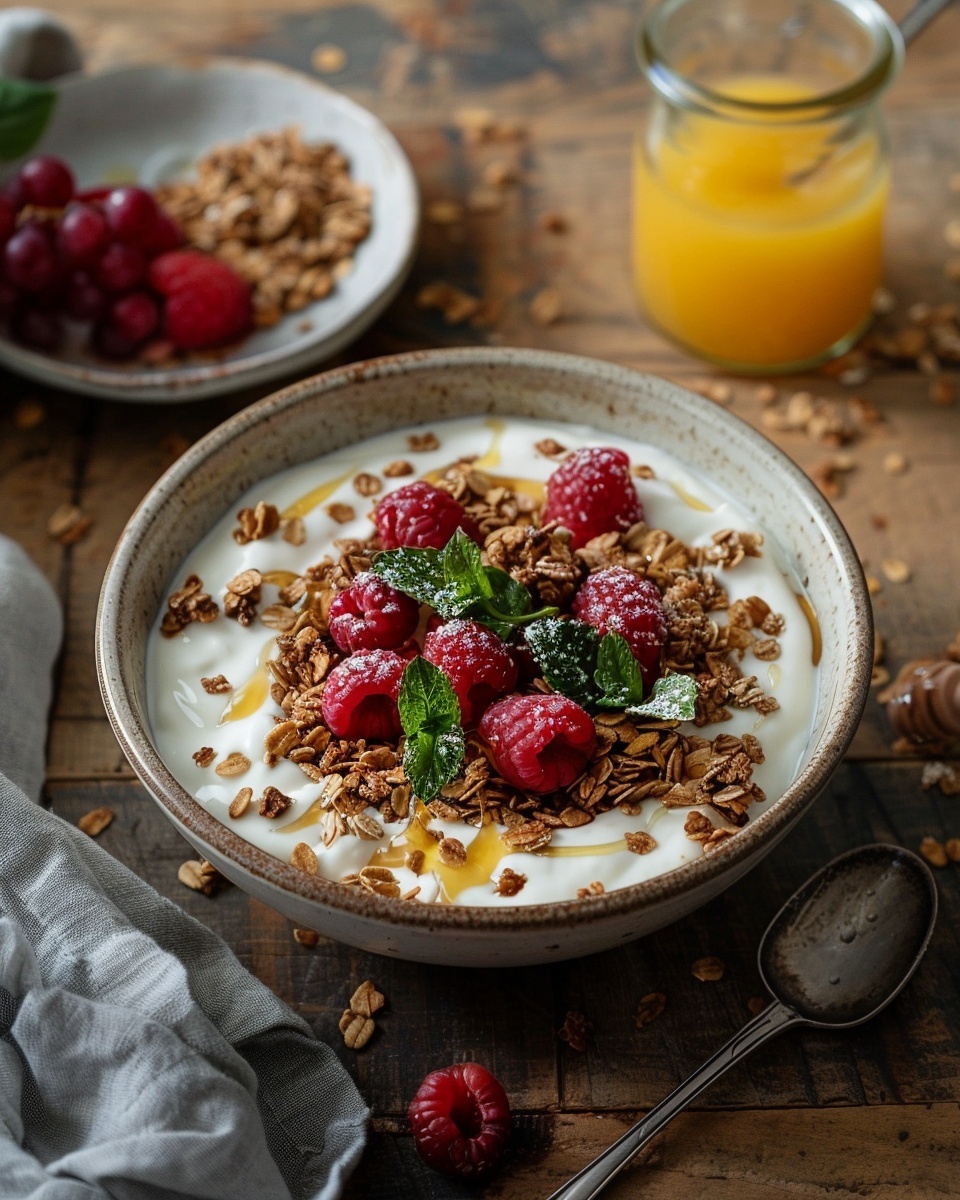
I used to skip breakfast all the time. I’d rush out the door with just coffee and then feel tired by 10 a.m. One morning, I threw together some yogurt, berries, and a handful of granola in a bowl. That simple choice changed everything. I felt full, focused, and ready to tackle my day. That’s when I realized a simple yogurt bowl with fruit and granola isn’t just food—it’s a morning game plan that actually works.
This breakfast takes less than five minutes to make. You don’t need cooking skills or fancy equipment. Just grab a bowl, add your favorite yogurt, top it with fresh or frozen fruit, sprinkle on some granola, and you’re done. It’s the kind of meal that fits into even the busiest morning routine.
I make these bowls at least three times a week now. Sometimes I use strawberries and blueberries. Other days I’ll add sliced bananas and a drizzle of honey. The beauty of this breakfast is that it never gets boring because you can switch up the ingredients based on what you have or what sounds good that day.
Why a Simple Yogurt Bowl is a Great Choice
Starting your day with a yogurt bowl does more than just fill your stomach. It gives your body a solid mix of protein, carbs, and healthy fats that keep you going until lunch. I notice a huge difference in my energy levels on days when I eat this compared to when I grab something sugary or skip breakfast completely.
Yogurt brings protein and probiotics to the table. The protein helps keep you full and supports your muscles. The probiotics are good bacteria that help your digestive system work better. Greek yogurt has even more protein than regular yogurt, which is why I often reach for it when I know I have a long morning ahead.
The fruit adds vitamins, minerals, and fiber to your bowl. Berries are packed with antioxidants that fight inflammation. Bananas give you potassium for healthy muscles and heart function. Peaches, mangoes, kiwis—whatever fruit you choose brings its own nutritional benefits. I love using frozen berries in winter when fresh ones cost too much or aren’t as good.
Granola rounds out the meal with complex carbs and a satisfying crunch. It gives you energy that lasts instead of the quick spike and crash you get from sugary cereals. Many granolas also include nuts and seeds, which add healthy fats and extra protein. Just watch the sugar content on store-bought granola because some brands pack in way too much.
This combination creates a balanced healthy breakfast that covers all your nutritional bases. You get protein from the yogurt, vitamins and fiber from the fruit, and sustained energy from the granola. It’s like a complete breakfast package in one simple bowl.
Are yogurt, fruit, and granola bowls healthy?
Yes, these bowls are healthy when you make smart choices about your ingredients. The key is picking plain yogurt instead of flavored varieties loaded with added sugar. I buy plain Greek yogurt and add my own sweetness with fruit or a small drizzle of honey or maple syrup. This way, I control exactly how much sugar goes into my bowl.
Watch your granola portions too. Granola is nutritious but calorie-dense. A serving size is usually only a quarter cup, which looks smaller than you might think. I measure mine at first until I got a good sense of what a proper portion looks like. This helps keep the calories reasonable while still getting that crunch I love.
The fruit portion is where you can be more generous. Fruit has natural sugars, but it also comes with fiber, vitamins, and water content that make it a healthy choice. I usually add about a cup of mixed fruit to my bowl. Sometimes more if I’m really hungry or if I’ve just finished a workout.
One bowl gives you a good chunk of your daily calcium, vitamin D, protein, and fiber needs. It’s way healthier than a donut, a muffin, or many other grab-and-go breakfast options. When I eat this for breakfast, I’m not starving an hour later like I am with other meals.
The Versatility That Keeps Things Interesting
I never get tired of yogurt bowls because I can customize them endlessly. Some mornings I make mine tropical with mango, pineapple, and coconut flakes. Other days I go classic with strawberries and blueberries. In fall, I love adding diced apples with cinnamon and a bit of almond butter.
You can adapt this breakfast to match the seasons. Summer brings amazing fresh berries and stone fruits. Winter is perfect for using frozen fruit or adding warmed apple slices. Spring gives you fresh strawberries. Fall is apple and pear season. Each time of year offers something different to keep your bowls exciting.
The toppings are another place to get creative. Beyond granola, I sometimes add:
- Chia seeds for extra fiber and omega-3 fats
- Sliced almonds or walnuts for crunch and healthy fats
- A spoonful of nut butter for extra protein
- Dark chocolate chips for a treat (just a few!)
- Unsweetened coconut flakes for tropical flavor
- Hemp seeds for plant-based protein
- A sprinkle of cinnamon or vanilla extract for flavor without calories
You can also change up the yogurt base. Regular yogurt, Greek yogurt, Icelandic skyr, and dairy-free options like coconut or almond yogurt all work great. Each type brings a slightly different taste and texture. I keep a few different kinds in my fridge so I can switch things up based on my mood.
This flexibility makes yogurt bowls perfect for families too. Everyone can build their own bowl with their preferred ingredients. My kids love choosing their own fruit and toppings. It gets them involved in breakfast and more likely to actually eat it.
The simple yogurt bowl with fruit and granola works for different eating styles too. Need more protein? Add extra Greek yogurt or some nut butter. Want fewer carbs? Use less granola and more nuts. Going dairy-free? Swap in plant-based yogurt. The basic formula stays the same, but you can adjust it to fit your specific needs.
I’ve made these bowls work in every situation. Busy weekday mornings when I have five minutes. Lazy weekend brunches when I can take my time and make something pretty. Post-workout refueling. Even as a light dinner when I’m not super hungry. It’s become my go-to meal that works anytime.


Choosing the Best Ingredients for Your Yogurt Bowl
Now that you know how versatile these bowls can be, let’s talk about picking the right stuff to put in them. I learned pretty quickly that not all yogurts, fruits, and granolas are created equal. The quality of your ingredients makes a huge difference in both taste and nutrition.
Finding the Best Yogurt for Your Bowl
The yogurt you choose becomes the foundation of your entire bowl, so it’s worth being picky. I always head straight for Greek yogurt because of its thick, creamy texture and high protein content. Regular yogurt has around 5-7 grams of protein per serving, but Greek yogurt typically packs in 15-20 grams. That’s a massive difference when you’re trying to stay full until lunch.
Here’s the thing—texture matters more than I thought it would. Greek yogurt is strained to remove extra whey, which gives it that rich, almost dessert-like consistency. It holds up better under toppings too. Regular yogurt can get watery and thin when you pile on fruit and granola, but Greek yogurt stays thick and creamy.
When I’m shopping, I always flip the container around and check the ingredient list. The best yogurt should have just two ingredients: milk and live active cultures. That’s it. If I see a bunch of weird additives, thickeners, or artificial sweeteners, I put it back. Plain yogurt might seem boring compared to all those flavored options, but those vanilla and strawberry varieties usually contain as much sugar as a candy bar.
I buy the big tubs of plain Greek yogurt because they’re way more economical than individual cups. A 32-ounce container lasts me about a week and costs less than buying smaller portions. Plus, there’s less plastic waste, which makes me feel a bit better about my environmental impact.
Full-fat versus low-fat is another decision you’ll face. I used to always grab fat-free yogurt because I thought it was healthier. Turns out, the fat in yogurt helps you absorb certain vitamins and keeps you satisfied longer. Now I usually buy 2% or whole milk Greek yogurt. The taste is so much better, and I don’t get hungry again an hour later. If you’re watching calories closely, low-fat works fine, but don’t feel like you have to go fat-free.
For my friends who can’t do dairy, there are solid alternatives now. Coconut yogurt has a nice tropical flavor that works great with certain fruits. Almond and cashew yogurts are creamy and mild. Just check the protein content because many dairy-free yogurts have way less protein than regular yogurt. Some brands now make dairy-free Greek-style yogurts with added protein, which close that gap.
What Fruits Go Best with Yogurt and Granola?
Honestly, I’ve never met a fruit that doesn’t work in a yogurt bowl, but some definitely shine brighter than others. Berries are my absolute favorites. Strawberries, blueberries, raspberries, and blackberries all bring bright flavors and gorgeous colors. They’re also nutritional powerhouses loaded with antioxidants and relatively low in sugar compared to other fruits.
Bananas deserve a special mention. They add natural sweetness and a creamy texture that blends beautifully with yogurt. I slice them thin so I get a piece in almost every bite. They’re also dirt cheap and available year-round, which makes them perfect for budget-conscious mornings.
Seasonal fruits make the biggest flavor impact. Summer peaches and nectarines are incredible when they’re ripe and juicy. Fall brings crisp apples and pears that add a nice crunch. Winter citrus like orange segments or grapefruit pieces give you a bright, tangy wake-up call. Spring strawberries taste completely different from the ones you get in January—sweeter, more fragrant, just better all around.
I buy whatever’s on sale and in season. This saves money and ensures the fruit actually tastes good. Nothing’s more disappointing than paying extra for fresh berries that taste like cardboard because they were shipped from halfway across the world. By the way, frozen fruit is a total game-changer during off-seasons. I keep bags of frozen blueberries and mango chunks in my freezer. They’re picked and frozen at peak ripeness, so the flavor and nutrition are locked in.
Tropical fruits like mango, pineapple, and kiwi bring an exciting twist. They transport me to somewhere sunny even when it’s gray and cold outside. Kiwi adds this beautiful bright green color and has even more vitamin C than an orange. Pineapple’s sweetness balances out the tanginess of yogurt perfectly.
Some mornings I mix different fruits together for a more complex flavor profile. Strawberries and bananas are a classic combo. Blueberries with peaches taste like summer in a bowl. Mango with raspberries creates this sweet-tart balance that wakes up your taste buds. You really can’t go wrong experimenting here.
If you’re looking for other protein-packed breakfast ideas that are just as customizable, check out this scrambled eggs with toast and avocado recipe. It’s another one of those build-your-own-style breakfasts that never gets old.
Picking the Right Granola
The granola aisle can be overwhelming. There are approximately seven thousand options, and they all claim to be healthy. I’ve bought way too many bags of granola that turned out to be basically cookies in disguise—loaded with sugar and not much else.
Read the nutrition label before you buy. Look at the sugar content first. A good granola should have less than 10 grams of sugar per serving, ideally closer to 5 or 6 grams. Some brands have 15-20 grams, which is dessert territory. The ingredient list should start with whole grains like oats, not sugar or oil.
I look for granola types that include nuts and seeds because they add protein, healthy fats, and extra crunch. Almonds, walnuts, pecans, pumpkin seeds, and sunflower seeds all show up in quality granolas. These ingredients make the granola more filling and nutritionally complete.
The oil type matters too. Coconut oil, olive oil, or avocado oil are better choices than generic vegetable oils. Some granolas are made with butter, which tastes amazing but adds saturated fat. I don’t stress about this too much since I’m only eating a small portion, but it’s something to be aware of.
Flavor-wise, pick something that complements your other ingredients. Plain honey granola works with everything. Vanilla or cinnamon granolas pair well with apple and pear. Chocolate granola (in moderation) is fantastic with berries and bananas. I keep two different kinds in my pantry so I can switch things up.
Making your own granola is easier than you’d think and gives you total control over ingredients. I do this maybe once a month when I have extra time. It’s basically just oats, a bit of oil or honey, some nuts, and whatever spices you like, baked until golden. Homemade granola stays fresh for weeks in an airtight container and tastes way better than most store-bought versions.
For people who need a heartier breakfast, you might want to try a breakfast hash with potatoes and sausage on those mornings when yogurt won’t cut it. But honestly, a well-built yogurt bowl can be surprisingly filling.
Fresh Versus Frozen: What Actually Works Better
I used to be a fresh-fruit snob. Then I realized I was throwing away half the berries I bought because they’d go bad before I could eat them. Frozen fruit solved that problem completely.
Frozen berries are picked at peak ripeness and flash-frozen within hours. This locks in nutrients and flavor. Fresh fruits at the grocery store are often picked before they’re fully ripe so they can survive shipping. By the time you eat them, frozen might actually be fresher in terms of nutrient content.
The texture is different though. Frozen fruit gets a bit soft when it thaws. For yogurt bowls, this actually works fine because you’re mixing everything together anyway. I sometimes use frozen fruit straight from the freezer, which makes my yogurt bowl almost like ice cream. On hot summer mornings, this is absolutely perfect.
Cost-wise, frozen usually wins. A bag of frozen berries costs less than buying the same amount fresh and lasts for months in your freezer. No waste, no pressure to use them before they go bad. I always have frozen blueberries, strawberries, and mango on hand as my backup plan.
Fresh fruit shines when it’s in season and local. Those farmers market strawberries in June taste completely different from anything frozen. If you can get quality fresh fruit at a good price, go for it. Otherwise, frozen is a smart, practical choice that still gives you great nutrition and flavor.
Some mornings call for something warm and baked instead of cold yogurt. That’s when I make these apple cinnamon breakfast muffins that fill the whole kitchen with the most amazing smell. But I always come back to yogurt bowls because they’re just so easy.
Quality ingredients don’t have to break the bank. I buy store-brand Greek yogurt, whatever fruit is on sale, and mid-range granola. My breakfast still tastes great and costs way less than stopping at a café. If you’re grabbing breakfast on the go, a homemade breakfast sandwich with egg might be easier to eat in the car, but yogurt bowls in mason jars work surprisingly well for portable breakfast too.


Putting It All Together
Alright, you’ve got your ingredients picked out. Now comes the fun part—actually building your bowl. I know it seems almost too simple to need instructions, but the way you layer everything actually makes a difference in how it tastes and looks. Plus, there are a few tricks I’ve learned that take these bowls from basic to seriously satisfying.
Start with your yogurt base. I scoop about one cup of Greek yogurt into my bowl. Some people prefer less, some more—it depends on how hungry you are and what else you’re eating that day. Spread it out a bit so it covers the bottom of the bowl evenly. This creates a nice foundation for everything else.
Next, add your fruit. I like to arrange it in sections rather than just dumping everything in randomly. If I’m using strawberries, blueberries, and banana slices, I’ll place each type in its own little zone. This looks way prettier and also means you get different flavor combinations in different bites. Sometimes you’ll get strawberry with yogurt, other times blueberry and granola together. It keeps things interesting.
The granola goes on last. This is crucial. If you put granola down first and then cover it with yogurt, it starts getting soggy immediately. By sprinkling it on top right before you eat, it stays crunchy. I usually add about a quarter cup, though I’ll admit I’m not always super precise about measuring it anymore.
Here’s where you can get creative with presentation. I sometimes arrange the fruit in stripes or a spiral pattern. My daughter likes making faces with berries for eyes and a banana smile. It takes an extra thirty seconds but makes breakfast feel special instead of rushed. On mornings when I’m eating at my desk, I honestly just throw everything in and call it done. Both approaches work fine.
Drizzle time comes next if you’re into that. A thin stream of honey or maple syrup adds sweetness and makes everything look glossy and appetizing. I don’t do this every time, but when the yogurt is particularly tart or the fruit isn’t super sweet, it really helps. A tiny drizzle is all you need—maybe half a teaspoon.
Additional toppings go on at the very end. If I’m adding chia seeds, hemp hearts, coconut flakes, or a few dark chocolate chips, they get sprinkled over everything else. This way they don’t sink into the yogurt and you can actually see and taste them. A pinch of cinnamon or a few fresh mint leaves can make your bowl feel gourmet without any extra effort.
One trick I learned from my neighbor is to create yogurt bowl “parfaits” by layering instead of topping. You put a layer of yogurt, then fruit, then granola, then repeat. It looks impressive when you use a clear glass or jar. The problem is the granola in the middle layers definitely gets soggy, so I only do this if I’m eating it immediately or if I keep the granola separate until serving time.
Will Granola Get Soggy in Yogurt Overnight?
Yes, it absolutely will. I learned this the hard way when I tried meal prepping breakfast bowls for the whole week. By day two, my crunchy granola had turned into a sad, mushy mess. The yogurt’s moisture seeps into the granola and breaks down that crispy texture pretty quickly.
If you want to prep yogurt bowls ahead of time, you need to keep the granola separate. I portion out my yogurt and fruit into mason jars or containers, then keep the granola in small snack bags or reusable containers on the side. In the morning, I just grab both, dump the granola on top, and eat. This adds maybe ten seconds to my morning routine but keeps everything fresh and crunchy.
Some people keep a jar of granola at work and bring just the yogurt and fruit from home. This works great if you have desk space for snacks. I did this for a while when I was eating breakfast at the office every day. The granola jar lasted about two weeks and saved me from having to carry extra containers back and forth.
Another option is using nuts instead of granola if you’re making bowls the night before. Sliced almonds, chopped walnuts, or pecans hold up better against moisture. They still soften a bit, but not nearly as much as granola does. They also add that crunch factor you’re looking for, plus healthy fats and protein.
For people who really want everything in one container, there’s a trick I saw online that actually works. You put the granola at the bottom of your jar, then add a layer of fruit as a barrier, then put the yogurt on top. When you’re ready to eat, you flip the whole thing over into a bowl. The granola stays relatively dry because the fruit protected it from the yogurt. It’s a bit extra, but it does work if you want that Instagram-worthy layered jar look.
Is It Healthy to Eat Yogurt and Granola Every Day?
Eating a yogurt bowl every single day can definitely be part of a healthy diet, but I wouldn’t recommend eating the exact same thing for breakfast every morning forever. Our bodies need variety to get all the different nutrients we require. I eat yogurt bowls three or four times a week and mix in other breakfast options on the other days.
The main concern with daily yogurt and granola is getting into a nutritional rut. If you’re eating the same fruits, the same yogurt, and the same granola day after day, you’re probably missing out on nutrients found in other foods. Different colored fruits and vegetables contain different vitamins and antioxidants. Rotating your choices ensures you’re covering all your bases.
Granola can also add up calorie-wise if you’re not careful with portions. Even healthy granola is energy-dense. Eating it every day without measuring could lead to consuming more calories than you realize. I’m not saying you need to obsess over every calorie, but being aware of portion sizes matters. Some days I use less granola and add more fruit or nuts instead just to switch things up.
Another thing to consider is sugar intake. Even when you’re choosing plain yogurt and low-sugar granola, the natural sugars in fruit add up. This isn’t necessarily bad—fruit sugar comes packaged with fiber and nutrients—but if you’re eating massive bowls with two cups of fruit and sweetened granola every single day, you might want to dial it back a bit.
The best approach is what nutritionists call “eating the rainbow.” Use different colored fruits throughout the week. Try different yogurt types. Switch between granola and other toppings like nuts or seeds. Some weeks I’ll have yogurt bowls Monday, Wednesday, and Friday, then eggs on Tuesday, oatmeal on Thursday, and maybe a whole grain toast with nut butter on Saturday when I’m thinking about food sustainability and using up what’s already in my pantry. This variety keeps my diet balanced and interesting.
Listen to your body too. If you’re feeling great, satisfied, and energized eating yogurt bowls regularly, that’s a good sign. If you’re feeling tired, still hungry, or bored with your breakfast, that’s your cue to mix things up. I pay attention to how I feel a few hours after eating. If I’m reaching for snacks by 10 a.m., I know I need more protein or a bigger breakfast the next day.
Quality matters more than frequency. A well-made yogurt bowl with plain yogurt, fresh fruit, and good granola eaten every day beats grabbing processed breakfast pastries or skipping breakfast entirely. It’s all about context and what else you’re eating throughout the day. If your other meals are varied and nutritious, having a consistent healthy breakfast isn’t a problem at all.
By the way, if you’re looking for more breakfast variety without spending tons of time cooking, our breakfast section has dozens of quick ideas that rotate well with yogurt bowls. I keep a running list of five or six breakfast options I like, so I never get stuck in a rut or resort to grabbing junk food on busy mornings.
The bottom line is that yogurt bowls are healthy enough to eat frequently, but variety in your overall diet is what really matters. I think of them as a reliable breakfast staple rather than the only breakfast I’ll ever need. They’re like that friend you can always count on—solid, dependable, and always there when you need them—but you’ve got other friends too.
Building the perfect simple yogurt bowl with fruit and granola is less about following strict rules and more about finding what works for your taste, schedule, and nutritional needs. Start with the basics, experiment with different combinations, and don’t be afraid to get creative. Some of my best bowls happened when I was just using up random ingredients from my fridge. That’s the beauty of this breakfast—it’s flexible, forgiving, and ready to adapt to whatever you’ve got going on.
FAQ
Can I make yogurt bowls ahead of time for the week?
You can prep the yogurt and fruit portions ahead, but keep the granola separate until you’re ready to eat. I portion everything into mason jars on Sunday night—yogurt and fruit together in the jar, granola in small bags on the side. This way the granola stays crunchy and you still get the convenience of grab-and-go breakfast. The yogurt and fruit combo stays fresh in the fridge for about three to four days, so I usually prep half the week at a time.
What’s the best ratio of yogurt to fruit to granola?
I usually go with about one cup of yogurt, three-quarters to one cup of fruit, and a quarter cup of granola. This gives you a good balance of protein, vitamins, and crunch without going overboard on calories. If you’re really hungry or just worked out, bump up the yogurt and fruit. If you want fewer carbs, reduce the granola and add nuts instead. The ratios aren’t set in stone—adjust based on your hunger level and nutritional goals.
Can kids eat yogurt bowls for breakfast?
Absolutely, and most kids love them because they can customize their own bowls. My kids pick their favorite fruits and toppings, which makes them way more likely to actually eat breakfast. Just watch the sugar content in yogurt and granola for younger kids. Plain yogurt might be too tart for some children, so you can mix in a bit of vanilla yogurt or let them add their own honey. It’s a great way to get them eating fruit without a fight.
How do I make my yogurt bowl more filling?
Add more protein and healthy fats. Switch to full-fat Greek yogurt or Icelandic skyr, which has even more protein. Throw in a tablespoon of nut butter, some hemp seeds, or extra nuts. You can also add chia seeds, which absorb liquid and expand in your stomach, keeping you fuller longer. If you’re still hungry, increase the yogurt portion to one and a half cups or pair your bowl with a piece of whole grain toast on the side.
What if I don’t like cold breakfast?
Try warming your fruit before adding it to the yogurt. I sometimes heat frozen berries in the microwave for thirty seconds until they’re warm and jammy. Pour them over your yogurt and they’ll warm it up slightly without making it hot. You can also use room temperature yogurt instead of cold from the fridge. Some people prefer overnight oats if they really can’t do cold yogurt, but warmed fruit makes a surprising difference in how the temperature feels.
Are there low-carb versions of yogurt bowls?
Yes, just swap the granola for nuts, seeds, and unsweetened coconut flakes. Use full-fat Greek yogurt and stick with lower-sugar fruits like berries instead of bananas or tropical fruits. A handful of sliced almonds, some chia seeds, and a few raspberries keeps the carbs lower while still giving you that satisfying crunch and natural sweetness. You can also add a small amount of low-carb granola made with nuts and seeds instead of oats.
Can I use flavored yogurt instead of plain?
You can, but check the sugar content first because most flavored yogurts have a ton of added sugar. If you find one with reasonable sugar levels, go for it. I sometimes buy vanilla Greek yogurt as a compromise—it has a bit of added sweetness but way less than strawberry or other fruit flavors. Mixing half plain and half vanilla yogurt is another trick that gives you some sweetness without going overboard.
What’s the best way to transport a yogurt bowl?
Mason jars with tight lids are my go-to for portable yogurt bowls. Put the yogurt and fruit in the jar, seal it tight, and keep the granola in a separate small container or bag. Some people use those bento-style lunch containers with different compartments, which works great for keeping everything separate. I keep a spoon in my desk drawer at work so I don’t have to remember to bring one from home every time.
How long does a prepared yogurt bowl last in the fridge?
Without granola, about three to four days. The yogurt stays good and the fruit holds up reasonably well, though some fruits like bananas and sliced apples can brown a bit. Berries, peaches, and mango chunks keep their quality better. If you’re prepping for more than two days out, stick with frozen fruit or hardier fresh options. Always store it in an airtight container and never leave it at room temperature for more than an hour or two.
Can I add vegetables to my yogurt bowl?
It sounds weird, but some vegetables actually work. Grated carrots add sweetness and crunch. Diced cucumber mixed with savory yogurt, lemon, and herbs makes a refreshing Mediterranean-style breakfast bowl. Roasted sweet potato chunks can work if you go the savory route with plain yogurt and seeds. I’ve even added spinach to a smoothie bowl version where I blend the yogurt with fruit. It’s definitely not traditional, but if you want extra veggies in the morning, there are creative ways to make it happen.
Ingredients
Equipment
Method
- Scoop 1 cup of Greek yogurt into a bowl.
- Arrange your chosen fruit on top of the yogurt.
- Sprinkle 1/4 cup of granola over the fruit.
- Optional: Drizzle with honey or maple syrup, if desired.
- Add any additional toppings, if using.