
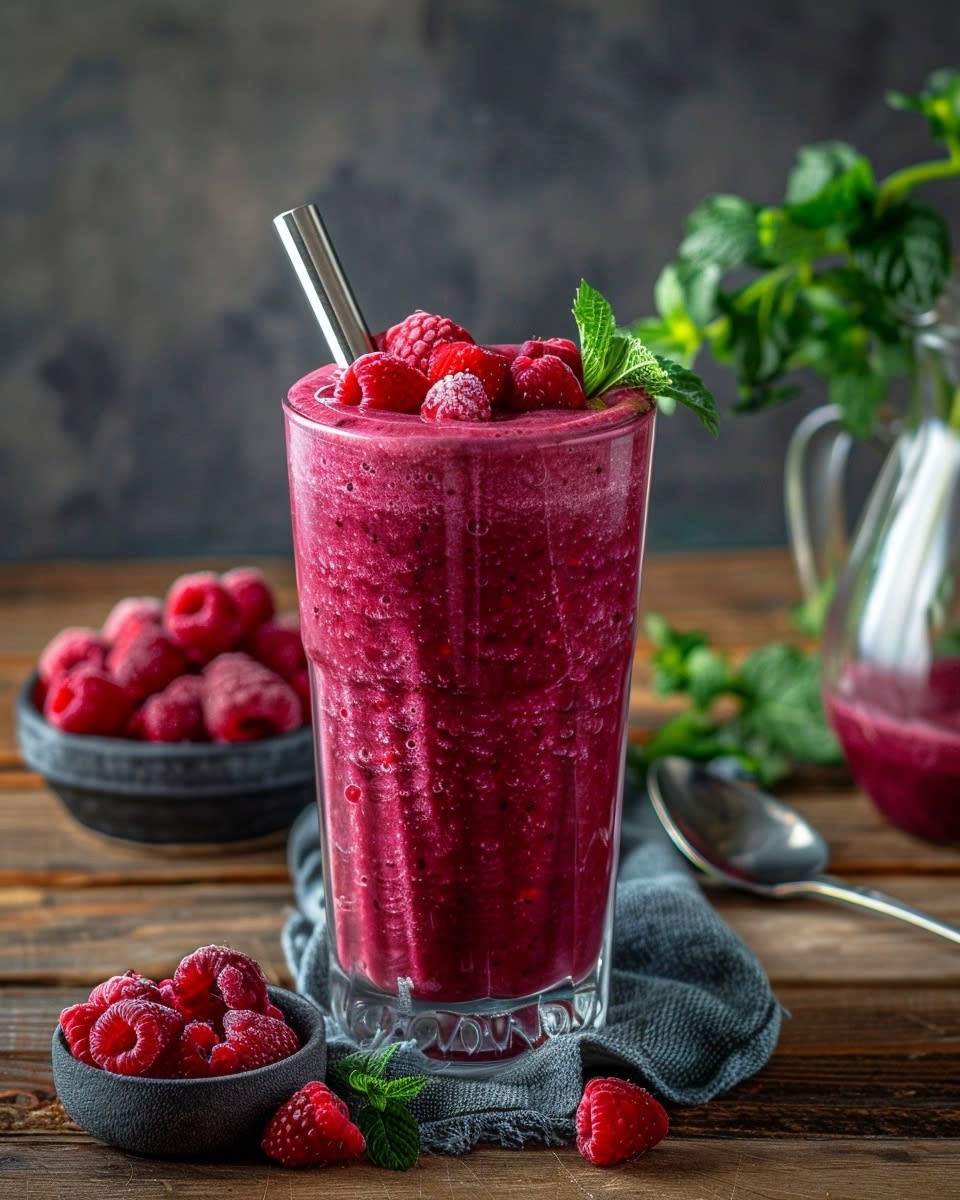
Why I Started Making Smoothies with Frozen Berries Every Morning
Last summer, I opened my fridge at 6 a.m. and found a container of strawberries that had turned into a fuzzy science experiment. That was my wake-up call. I needed a better way to enjoy berries without the constant race against spoilage. That’s when I discovered the magic of making a smoothie with frozen berries.
Smoothies have become a morning ritual for millions of Americans. Walk into any office before 9 a.m., and you’ll see desk after desk with colorful smoothie cups. The smoothie market in the USA is worth billions because people want something quick, healthy, and tasty. We’re all rushing somewhere, and a smoothie fits perfectly into that lifestyle.
The real game changer for me was switching to frozen berries. No more guilt about wasted fruit. No more emergency grocery runs because my fresh berries went bad. Just grab a handful from the freezer, toss them in the blender, and you’re done. The convenience changed my entire morning routine.
Frozen berries work year-round, which matters more than you might think. Fresh blueberries cost a fortune in winter, but frozen ones stay affordable no matter the season. You can make a perfect berry smoothie with milk on a snowy January morning just as easily as you can in July.
Why Choose a Smoothie with Frozen Berries?
I used to think frozen berries were somehow inferior to fresh ones. Turns out I was completely wrong. When berries get frozen at peak ripeness, they lock in all their nutrients. Sometimes frozen berries contain even more antioxidants than fresh ones that sat in a truck for days.
The health benefits are impressive. Berries pack serious amounts of antioxidants that fight cell damage in your body. They’re loaded with vitamin C, which keeps your immune system strong. A single cup of mixed berries gives you a solid dose of fiber too. Your digestive system will thank you.
Here’s what makes frozen berries so nutritious:
- They’re picked and frozen within hours, preserving vitamins and minerals
- The freezing process doesn’t destroy antioxidants
- They often contain fewer pesticides than fresh berries shipped long distances
- You get the same fiber content as fresh berries
- The nutritional value stays stable for months in your freezer
Storage couldn’t be easier. Fresh berries last maybe five days if you’re lucky. Frozen berries sit in your freezer for six months or more without losing quality. I buy big bags at warehouse stores and never worry about them going bad. This saves money and reduces food waste.
The versatility amazes me. You can make a mixed berry smoothie healthy version for breakfast, then switch to a dessert-style smoothie for an afternoon treat. Frozen strawberries, blueberries, raspberries, and blackberries all work beautifully. Mix them together or use just one type. The choice is yours every single day.
Frozen berries also create that thick, creamy texture everyone loves without needing ice. Ice waters down your smoothie, but frozen fruit keeps it rich and flavorful. The coldness from the frozen berries makes your smoothie refreshing right away.
Ingredients for a Basic Berry Smoothie
Let me share my go-to recipe that I’ve perfected over hundreds of smoothies. The beauty of a frozen berry smoothie recipe is its simplicity. You don’t need fancy ingredients or expensive supplements.
The Essential Base:
- 1 cup frozen mixed berries (or your favorite single berry)
- 1 cup milk of your choice
- 1 tablespoon honey or maple syrup (optional)
That’s it for the basics. Three ingredients create a delicious smoothie. You can stop right there and have something great.
The frozen berries bring all the flavor and nutrition. A cup of mixed berries gives you about 70 calories, 4 grams of fiber, and loads of vitamin C. The natural sugars provide quick energy without the crash you get from processed foods.
Milk adds protein and creaminess. Whole milk creates the richest texture with about 8 grams of protein per cup. It also provides calcium for strong bones and vitamin D. If you prefer a berry smoothie with almond milk, you’ll get fewer calories but still enjoy a creamy result. Almond milk works great for anyone avoiding dairy.
The sweetener is totally optional. Berries often provide enough natural sweetness on their own. I add honey when I use tart raspberries or if I need an extra energy boost. Honey contains trace minerals and antioxidants that white sugar doesn’t have. Maple syrup gives a distinct flavor that pairs wonderfully with blueberries.
Dietary Alternatives That Actually Work:
Many recipes call for yogurt, but you don’t need it. A berry smoothie without yogurt tastes just as good and works for people who can’t digest dairy well. The milk provides enough creaminess by itself.
Bananas appear in almost every smoothie recipe out there. They make things creamy and sweet, but some people can’t stand them. A mixed berry smoothie without banana lets the berry flavor shine through without competition. The frozen berries create plenty of thickness on their own.
Here’s a quick comparison of milk options:
| Milk Type | Calories per Cup | Protein | Best For |
|---|---|---|---|
| Whole Milk | 150 | 8g | Creamiest texture |
| Almond Milk | 30-40 | 1g | Low calorie option |
| Oat Milk | 120 | 3g | Naturally sweet flavor |
| Soy Milk | 80 | 7g | High protein, dairy-free |
For anyone following specific diets, these ingredients adapt easily. Vegans can use plant-based milk and maple syrup instead of honey. People watching calories can skip the sweetener entirely. Those needing more protein can add a scoop of protein powder.
I keep it simple most mornings. The fewer ingredients you use, the faster you clean up. My blender goes from cabinet to clean in under five minutes. That speed matters when you’re trying to get out the door.
The nutritional value of this basic smoothie impresses me every time. You get multiple servings of fruit, calcium, protein, and natural energy. It beats a processed breakfast bar by miles. Your body processes real food better than anything that comes in a wrapper.
Start with these basics and build from there. Once you master a simple mixed berry smoothie healthy version, you can experiment with additions. But honestly, the basic recipe satisfies me most days. Sometimes simple really is best.


Step-by-Step Guide to Making a Smoothie with Frozen Berries
Now that you’ve got your ingredients ready, let me walk you through the actual blending process that took me way too long to figure out on my own.
First thing you need to know: liquid goes in first. Always. I learned this the hard way when I put frozen berries at the bottom and my blender made sounds like it was dying. The liquid creates a vortex that pulls everything down into the blades. Pour your milk into the blender before anything else touches that container.
Next, dump in your frozen berries. Don’t overthink the arrangement. They’ll find their way to the blades once things start spinning. If you’re adding sweetener, toss it in now too. Some people swear by adding the sweetener last, but honestly, it all gets mixed up anyway.
Here’s where most people mess up. They blast the blender on high immediately and end up with chunks of frozen fruit flying around instead of blending. Start your blender on the lowest setting. Let it run for about 10 seconds. You’ll hear the berries breaking apart as they hit the blades. The sound changes from loud crunching to a smoother whir.
Gradually increase the speed. I usually go from low to medium for another 10 seconds, then finally to high. The whole process takes maybe 30 seconds total. You want a completely smooth consistency with no icy chunks. If you see pieces stuck on the sides, stop the blender and use a spatula to scrape them down. Then blend for another 10 seconds.
The thickness matters more than you’d think. Too thick and you’re basically eating berry ice cream with a straw. Too thin and it’s just flavored milk. If your frozen berry smoothie recipe turns out too thick, add milk one tablespoon at a time until you reach the right consistency. Too thin? Add more frozen berries or even a few ice cubes.
Here’s a trick I picked up from my neighbor who owns a juice bar: add a dash of vanilla extract. Seriously, just a quarter teaspoon transforms the whole thing. The vanilla brings out the sweetness in the berries without adding sugar. It makes your smoothie taste almost bakery-like, especially with strawberries.
Cinnamon works magic with blueberries. A small sprinkle adds warmth and complexity. It also helps regulate blood sugar, which means you won’t crash an hour after drinking your smoothie. I add cinnamon on mornings when I know I won’t eat again for a while. The combination of berries and cinnamon reminds me of the overnight oats I make during colder months.
Funny enough, a tiny pinch of salt elevates the whole experience. Salt enhances sweetness the same way it does in baking. Just a few grains make your berries taste more like themselves. Don’t skip this step if you want restaurant-quality results at home.
Variations and Customizations for Your Mixed Berry Smoothie
After making the same basic smoothie for a few weeks, you’ll want to switch things up. That’s when customization becomes your best friend.
The mixed berry smoothie recipe with yogurt turns everything creamy and tangy. Use half a cup of Greek yogurt and half a cup of milk instead of a full cup of milk. Greek yogurt packs around 15 grams of protein, which keeps you full until lunch. The tanginess balances out the sweetness of the berries. I prefer plain yogurt because flavored varieties contain way too much added sugar.
When summer rolls around and fresh berries flood the farmers markets, making a fresh berry smoothie feels special. The texture differs slightly from frozen versions. Fresh berries create a lighter, less thick consistency. You’ll need to add ice cubes to get that cold, frosty texture. Use about half a cup of ice with a cup of fresh berries. The flavor tastes brighter and more delicate than frozen versions.
People always ask me about sneaking vegetables into smoothies. Spinach works surprisingly well. One handful of fresh spinach disappears completely into a berry smoothie. You cannot taste it at all. The berries overpower any green flavor. Your smoothie turns a murky purple color instead of bright red, but who cares? You just added a serving of vegetables to your breakfast without even trying. This trick works great for kids who refuse anything green.
Chia seeds became my secret weapon last year. Two tablespoons of these tiny seeds add omega-3 fatty acids, fiber, and protein. They also create an interesting texture as they absorb liquid and expand. Let your smoothie sit for five minutes after adding chia seeds, and it becomes almost pudding-like. Some people love this; others hate it. Try it yourself and decide.
By the way, avocado makes smoothies incredibly creamy without affecting the berry flavor much. Use a quarter of a ripe avocado. The healthy fats keep you satisfied for hours. I started adding avocado after reading that fat helps your body absorb the vitamins in berries better. The science made sense, and the results backed it up.
For a truly mixed berry smoothie healthy approach, I sometimes combine all my favorite additions. Here’s what that looks like: one cup frozen mixed berries, one cup almond milk, half a cup Greek yogurt, one tablespoon chia seeds, a handful of spinach, and a quarter avocado. Blend it all together and you’ve created a nutritional powerhouse. The calories run higher with all these additions, but every single calorie comes from whole foods that benefit your body.
Protein powder turns a regular smoothie into a post-workout recovery drink. I use vanilla-flavored protein powder because it complements berries nicely. Chocolate protein powder works too, especially with strawberries. Add one scoop and you’re looking at an extra 20-25 grams of protein. This combination keeps me full almost as long as the scrambled eggs I sometimes make on weekends.
Here’s the thing about nut butters: they add richness and staying power. A tablespoon of almond butter or peanut butter makes your smoothie taste almost dessert-like. The combination of berries and peanut butter sounds weird until you try it. Then you’ll understand why I make this version at least twice a week.
Oats might seem like an odd addition, but they work beautifully. Add a quarter cup of rolled oats to your blender before you pour in the liquid. Let everything blend together for a full minute. The oats create an incredibly thick, almost milkshake-like consistency. You’re basically drinking a portable yogurt and fruit bowl that requires no spoon.
Health Benefits of a Berry Smoothie with Milk
The berry smoothie with milk combination creates something greater than the sum of its parts. Milk provides calcium that strengthens your bones and teeth. One cup gives you about 30 percent of your daily calcium needs. Your body absorbs calcium better when you consume it with vitamin C, which berries provide in abundance. The two ingredients work together like a nutritional tag team.
Protein from milk helps repair muscles and keeps you feeling full. Eight grams per cup might not sound like much, but it’s enough to prevent mid-morning hunger pangs. I notice a huge difference on mornings when I drink a smoothie versus mornings when I grab something like toast with butter and jam instead. The protein makes all the difference.
The berry smoothie with almond milk offers different benefits. You’re trading protein for fewer calories and a lighter feel. Almond milk contains vitamin E, which protects your cells from damage. It’s also naturally lactose-free, which matters if dairy upsets your stomach. I switch to almond milk during summer when I want something less heavy.
Regular milk contains vitamin D, which most Americans don’t get enough of. Vitamin D helps your immune system function properly and improves your mood. During winter months, I stick with regular milk specifically for this reason. The combination of vitamin D from milk and antioxidants from berries supports overall wellness.
The balanced nutrition in a smoothie fits perfectly into a healthy lifestyle without requiring perfection. You don’t need to eat clean every single meal to benefit from one good choice. A smoothie provides quick nutrition on rushed mornings when cooking isn’t realistic. It’s better than skipping breakfast entirely or grabbing fast food.
Smoothies help you eat more fruit than you would normally. Drinking a cup of berries feels easier than sitting down to eat a cup of berries with a spoon. You’re meeting your daily fruit requirements without even thinking about it. The convenience factor removes barriers to healthy eating.
The antioxidants in berries reduce inflammation throughout your body. Chronic inflammation contributes to almost every major disease, from heart disease to diabetes. Berries contain compounds that fight this inflammation naturally. Combined with the nutrients in milk, you’re giving your body tools to maintain itself properly.
Honestly, the biggest health benefit might be consistency. A mixed berry smoothie healthy version becomes a habit you can actually maintain. It’s not complicated or time-consuming. You can stick with it long-term, which matters more than any single superfood. Small healthy choices repeated daily create real results over time.


Common Questions About Making a Berry Smoothie with Frozen Berries
After years of making smoothies almost daily, I’ve learned a lot through trial and error. Let me answer the questions people ask me most often.
How do I store frozen berries to keep them fresh?
The freezer door is actually the worst place for frozen berries, even though it seems convenient. Every time you open that door, temperature fluctuations happen. Store your berries in the back of the freezer where the temperature stays most consistent. I learned this after noticing ice crystals forming on bags I kept in the door.
Keep berries in their original bag if it seals well, or transfer them to an airtight container. Exposure to air causes freezer burn, which makes berries taste weird and papery. I use gallon-sized freezer bags when I buy bulk berries from warehouse stores. Squeeze out as much air as possible before sealing.
Here’s something most people don’t know: frozen berries last longer than the date on the package suggests. They’re safe to eat for up to a year if stored properly. The quality might decline slightly after six months, but they’re still perfectly fine for smoothies. I’ve used ten-month-old blueberries without noticing any difference in taste.
Don’t let berries thaw and refreeze. This destroys their texture completely and can introduce bacteria. Take out only what you need for each smoothie. If berries do thaw accidentally, use them immediately or refrigerate and consume within two days.
Can I use any type of milk in a berry smoothie?
Pretty much any milk works. I’ve tried everything from traditional dairy to weird alternatives like cashew milk and macadamia milk. Each brings something different to the table.
Coconut milk creates a tropical vibe that pairs beautifully with strawberries. The fat content makes everything super creamy. Just be aware that coconut flavor comes through strongly. Some people love this combination; others find it overwhelming. I go with coconut milk when I want my smoothie to feel like a vacation in a glass.
Oat milk became my surprising favorite last winter. It’s naturally sweet, so you need less added sweetener. The texture falls somewhere between almond milk and whole milk. Plus oat milk foams nicely, which creates an interesting mouthfeel. The environmental impact is lower than almond milk too, if that matters to you.
Soy milk delivers the most protein among plant-based options. It works great when you’re using your smoothie as a meal replacement. The flavor is pretty neutral and won’t compete with your berries. Just buy unsweetened versions unless you want your smoothie to taste like a candy bar.
By the way, lactose-free regular milk exists for people who love dairy but can’t digest it well. It tastes identical to regular milk because it is regular milk with the lactose broken down. This option gets overlooked too often.
What are some good substitutes for yogurt in a smoothie?
I went months making a berry smoothie without yogurt before I even tried adding it. Turns out you don’t need yogurt at all. Silken tofu creates creaminess without any soy taste. Blend a quarter cup of silken tofu with your berries and milk. You get protein and a smooth texture. Nobody will guess there’s tofu in there.
Cottage cheese might sound strange, but it works incredibly well. The curds blend completely smooth and add tons of protein. Use low-fat cottage cheese if you’re watching calories. Full-fat makes the smoothie taste almost decadent. I started using cottage cheese after my trainer suggested it as a post-workout option.
Frozen cauliflower florets create thickness without adding much flavor. Seriously. Add half a cup of frozen cauliflower to your next frozen berry smoothie recipe and tell me if you can taste it. You can’t. The berries completely mask the cauliflower while you gain all that fiber and nutrients. This trick changed everything for me.
Coconut cream from a can provides richness that rivals heavy cream. Scoop the thick part from the top of a chilled can. Add just a few tablespoons to your smoothie. The tropical flavor complements berries naturally. This works especially well with raspberries and blackberries.
How can I make my smoothie thicker or thinner?
Thickness adjustment is easier than people think. For a thicker smoothie, add more frozen berries one small handful at a time. Blend between additions so you can monitor the consistency. Another option is adding ice cubes, though this slightly dilutes the flavor.
Frozen banana pieces work like magic for thickness. I know I mentioned earlier that you don’t need bananas, but they’re useful when you specifically want something really thick. Keep sliced bananas in your freezer in a separate bag. Toss in a few pieces when you want that milkshake-like texture.
Oats make smoothies thicker while adding fiber and keeping you full longer. Start with two tablespoons of rolled oats and increase from there. Let the blender run for a full minute to pulverize the oats completely. Otherwise you’ll have chewy bits floating around.
To thin a smoothie, add liquid gradually. Pour in milk or even water one tablespoon at a time while the blender runs. You can always thin a smoothie but you can’t easily thicken it once you’ve added too much liquid. This is why I always start with less milk than I think I need.
Funny enough, time also affects thickness. A smoothie thickens as it sits because chia seeds expand and everything settles. If your smoothie seems too thick, wait five minutes and check again. If it’s still too thick, then add liquid.
Are there any fruits that don’t work well in a smoothie?
Most fruits work fine, but I’ve discovered some combinations that just don’t taste right together. Citrus fruits like oranges and grapefruits create a weird texture when blended with milk. The acid causes milk proteins to curdle slightly. It’s not unsafe, just unpleasant. If you want citrus, use water or juice instead of milk as your base.
Watermelon turns watery and bland in smoothies. The texture becomes almost slimy because watermelon is mostly water. I tried making a watermelon-berry smoothie once and ended up with flavored water that cost way too much. Save watermelon for eating fresh.
Whole apples need to be chopped really well or your blender will struggle. The skin can leave bitter chunks if your blender isn’t powerful. I only add apples if I have time to peel and dice them first. Otherwise I skip them entirely.
Pomegranate seeds technically work but the tiny hard parts in the center don’t blend completely. You end up with crunchy bits that feel weird when you’re expecting smooth liquid. Some people don’t mind this texture, but it bothers me.
Here’s the thing: stone fruits like peaches and mangoes blend beautifully when frozen. They create incredible creaminess. Pineapple works great too and adds natural sweetness. Basically any soft, juicy fruit succeeds in smoothies.
How many calories are in a typical berry smoothie?
A basic mixed berry smoothie healthy version with one cup frozen berries and one cup whole milk contains roughly 220 calories. That’s about the same as two eggs. The berries contribute around 70 calories while the milk adds 150 calories.
Switch to almond milk and you drop down to about 100 calories total. A berry smoothie with almond milk becomes one of the lightest breakfast options available. Add a tablespoon of honey and you’re up to 160 calories. Still reasonable for a complete breakfast.
Once you start adding extras, calories climb quickly. Half a cup of Greek yogurt adds 80-100 calories depending on the fat content. A tablespoon of peanut butter throws in another 95 calories. A scoop of protein powder contributes 100-120 calories. A full-loaded smoothie with all the additions can easily reach 500 calories.
But here’s what matters more than raw calorie count: the nutritional density. Those 500 calories from a loaded smoothie provide protein, fiber, healthy fats, vitamins, and minerals. Compare that to 500 calories from a fast food breakfast sandwich. The smoothie wins every time for actual nutrition.
I don’t obsess over calories in my morning smoothie. It keeps me full, energized, and satisfied. That’s worth way more than hitting some arbitrary calorie target. Your body needs fuel to function properly.
Can I add vegetables to my berry smoothie?
Absolutely, and you should. Spinach is the easiest starting point because it has almost no taste when blended. Start with a small handful if you’re nervous. You literally cannot taste it when it’s mixed with a cup of berries. The color looks less appetizing, but close your eyes and you’d never know it’s there.
Kale works too but tastes slightly more bitter than spinach. Remove the thick stems before blending. I use baby kale when I can find it because the leaves are tender and blend smoother. Kale adds a ton of vitamin K, which most people don’t get enough of.
Frozen cauliflower has become my secret weapon for sneaking vegetables into smoothies. It adds zero flavor but creates thickness and creaminess. I add half a cup to almost every smoothie now. You’re essentially drinking a serving of vegetables without even noticing.
Cucumber adds hydration and makes smoothies really refreshing. Peel it first because the skin can taste bitter. Add a few chunks of peeled cucumber to your mixed berry smoothie recipe with yogurt and thank me later. It tastes like a spa drink.
Beets turn everything bright pink, which looks amazing in photos. They taste earthy though, so start small. A quarter of a small beet is enough. Beets also stain everything they touch, so be careful. I learned this after turning my favorite blender container permanently pink.
Honestly, adding vegetables helps you meet nutrition goals without forcing yourself to eat salads for every meal. The MyPlate guidelines for everyday meals recommend filling half your plate with fruits and vegetables. Smoothies make this recommendation actually achievable on busy mornings.
Is it better to use fresh or frozen berries in a smoothie?
This debate comes up constantly, and I have strong opinions after making hundreds of smoothies both ways. Frozen berries win for convenience, cost, and consistency. They’re already washed, ready to use, and available year-round at stable prices.
Fresh berries do taste slightly brighter and more complex when they’re in season. A fresh berry smoothie made in July with just-picked strawberries hits different than anything from a freezer bag. The flavor is more nuanced. You notice individual notes instead of just general berry sweetness.
The texture differs noticeably. Fresh berries create a lighter, less thick smoothie. You need to add ice to get that frozen consistency, which waters things down. Frozen berries create natural thickness without dilution. For me, texture matters as much as flavor.
Cost and waste factor in heavily. Fresh berries cost double or triple during off-season months. They go bad quickly, leading to waste and guilt. Frozen berries eliminate both problems. The savings add up to hundreds of dollars yearly.
Nutritionally, they’re basically identical. Frozen berries are picked at peak ripeness and frozen within hours, locking in nutrients. Fresh berries might sit in trucks and stores for days, losing some nutritional value. Studies show frozen produce often contains more vitamins than fresh produce that’s been sitting around.
My honest recommendation? Use frozen berries for daily smoothies and save fresh berries for special occasions when they’re in season locally. This approach gives you the best of both worlds without breaking the bank or creating food waste.
What’s the best time of day to drink a berry smoothie?
Morning works best for most people, myself included. A smoothie provides quick energy that kicks in faster than solid food. Your body digests liquid nutrition within 20-30 minutes. I feel energized and ready to work by the time I finish getting dressed.
Pre-workout smoothies fuel exercise really well. The natural sugars from berries give you quick energy while the protein from milk supports your muscles. I drink mine about 45 minutes before heading to the gym. Any closer to workout time and I feel too full.
Post-workout recovery benefits from smoothies too. Add protein powder to your berry smoothie with milk and you’ve created the perfect muscle recovery drink. The combination of protein and carbs helps your body rebuild and refuel. Professional athletes drink smoothies after training for good reason.
Afternoon slumps respond well to smoothies. Instead of reaching for coffee or energy drinks around 3 p.m., I sometimes make a small smoothie. The natural sugars pick me up without the jitters or crash that caffeine brings. This habit saved me from so many vending machine trips.
Evening smoothies work as light dinners when you’re not super hungry. I know breakfast foods get pushed as morning-only options, but who made that rule? A smoothie at 7 p.m. beats ordering pizza when you’re too tired to cook.
Do I need an expensive blender to make good smoothies?
Not necessarily, though it helps. I started with a thirty-dollar blender from a discount store. It worked fine for basic smoothies but struggled with frozen berries. The motor strained and overheated. I had to stop and shake the container constantly to get everything blended.
Mid-range blenders around 100 dollars handle frozen berries much better. They have stronger motors and better blade designs. Most people don’t need anything fancier than this. I upgraded to a mid-range model after my cheap one died, and the difference was noticeable immediately.
High-end blenders like Vitamix or Blendtec cost several hundred dollars. They blend absolutely anything into silk-smooth liquid. If you make smoothies daily and have the budget, they’re worth it. The motors last for years without issues. My friend still uses her Vitamix from 2010.
Here’s what really matters: blade quality and motor power. A blender needs at least 500 watts to handle frozen fruit easily. Multiple blade levels help create better circulation. A tamper tool lets you push ingredients down while blending without stopping.
The container material matters less than people think. Glass looks nice but weighs a ton. Plastic works fine and won’t break if you drop it. Some people worry about plastic chemicals, but modern BPA-free containers are safe.
Buy the best blender you can reasonably afford if you plan to use it regularly. A good blender pays for itself by saving you money on store-bought smoothies. Those things cost six or seven dollars each. Make smoothies at home for a month and you’ve covered the cost of a decent blender.
Can I make smoothies ahead of time?
Yes, with some caveats. Fresh smoothies taste best immediately after blending, but you can store them for 24 hours in the refrigerator. The ingredients separate over time, so shake well before drinking. The texture won’t be quite as perfect, but it’s still perfectly good.
I make smoothies the night before sometimes when I know my morning will be chaotic. Pour the finished smoothie into a mason jar or bottle with a tight lid. Fill it all the way to the top to minimize air exposure. Oxidation causes browning and nutrient loss.
Smoothies freeze surprisingly well for longer storage. Pour them into individual containers or ice cube trays. Frozen smoothie cubes make great additions to future smoothies. They add flavor and thickness while keeping everything cold. I freeze extra smoothie in muffin tins, then pop out the frozen portions and store them in a freezer bag.
Some ingredients don’t store well. Bananas oxidize quickly and turn brown, which looks unappetizing. Chia seeds continue absorbing liquid and create a weird gel-like texture after sitting overnight. Leafy greens can taste more bitter after several hours.
For best results, blend your frozen berries and milk, then store that base overnight. Add fresh ingredients like yogurt or protein powder right before drinking. This compromise gives you convenience without sacrificing too much quality.
Meal prep culture has made ahead-of-time smoothies popular, but honestly, blending takes less than two minutes. Unless your mornings are truly insane, fresh is better. I only prep ahead when I’m traveling or dealing with particularly crazy schedules.
If you’re looking for more ways to simplify your morning routine, checking out other quick breakfast ideas might give you options for days when even smoothie-making feels like too much effort.
Making a smoothie with frozen berries has honestly changed how I approach breakfast. Some mornings I want something elaborate, but most days I just need fuel that tastes good and keeps me going. A simple berry smoothie delivers exactly that without requiring perfection or complicated ingredients. Your smoothie doesn’t need fifteen superfoods and exotic powders to be valuable. Start basic, experiment when you feel like it, and enjoy the process. The best smoothie is the one you’ll actually make consistently.
Your Questions About Berry Smoothies Answered
How long do frozen berries last in the freezer?
Frozen berries stay good for up to one year when stored properly in the back of your freezer in airtight containers or sealed bags. The quality remains excellent for about six months, then declines slightly but stays safe to consume. I’ve used berries that were eight or nine months old without noticing significant flavor changes. Just make sure they don’t thaw and refreeze, which ruins texture completely. Check for ice crystals or freezer burn before using older bags.
What’s the best ratio of berries to liquid for smoothies?
Start with a one-to-one ratio: one cup frozen berries to one cup liquid. This creates a medium-thick smoothie that most people enjoy. Adjust from there based on your preference. I use slightly less liquid when I want something really thick, maybe three-quarters of a cup. More liquid makes it easier to drink through a straw if that matters to you. The beauty of smoothies is that you control everything, so experiment until you find your perfect ratio.
Can I use frozen berries that have ice crystals on them?
Yes, ice crystals are normal and don’t mean the berries are bad. They form from temperature fluctuations in your freezer. Just use the berries as you normally would. The ice blends right into your smoothie without affecting flavor. Excessive ice crystals or freezer burn create a different situation where berries look dried out and discolored. Those won’t hurt you but will taste off, so I avoid using heavily freezer-burned berries.
Do berry smoothies help with weight loss?
Smoothies can support weight loss when they replace higher-calorie meals or snacks. A basic berry smoothie with milk contains around 200-250 calories with good nutrition. That’s less than most breakfast sandwiches or pastries while keeping you fuller longer thanks to fiber and protein. However, loading smoothies with multiple high-calorie additions can backfire. I think of smoothies as nutritious meal replacements rather than magical weight loss drinks. They work when they fit into an overall balanced eating pattern.
Why does my smoothie separate into layers?
Separation happens naturally as heavier ingredients settle to the bottom. This is completely normal and doesn’t mean anything went wrong. The fiber from berries tends to rise while liquid sinks. Just give your smoothie a good shake or stir before drinking. Adding ingredients like chia seeds or oats helps reduce separation because they absorb liquid and create a more uniform texture. I actually don’t mind separation at all since everything tastes the same once mixed.
Can kids drink berry smoothies made for adults?
Absolutely. Kids benefit from the same nutrients adults do. You might want to adjust sweetness since children often prefer things sweeter than adults. I add a bit more honey when making smoothies for my nephew. Skip protein powder and supplements unless your pediatrician recommends them. Basic fruit and milk smoothies provide everything growing kids need. They’re also a great way to sneak in vegetables like spinach that kids refuse to eat otherwise.
What’s the difference between a smoothie and a milkshake?
Smoothies focus on whole fruits, milk, and healthy additions like yogurt or oats. Milkshakes typically contain ice cream, sugar, and flavored syrups with minimal actual fruit. The nutritional profiles differ dramatically. A berry smoothie might have 200-300 calories with vitamins, fiber, and protein. A milkshake easily hits 600-800 calories mostly from sugar and fat. That said, you can blur the lines by adding ice cream to your smoothie if you want something more dessert-like. I do this occasionally as an afternoon treat.
Should I peel fruits before adding them to smoothies?
Most berries don’t need peeling since their skins are thin and nutritious. Strawberry tops should be removed though. For other fruits you might add, it depends on your blender power and preference. Apple and pear skins blend fine in high-powered blenders but can leave chunks in weaker ones. Always peel citrus fruits since the pith tastes extremely bitter. Banana peels are technically edible but taste horrible, so definitely peel those. When in doubt, leave edible skins on for extra fiber and nutrients.
Can diabetics drink berry smoothies safely?
Diabetics can enjoy smoothies but need to watch portion sizes and added sugars. Berries are actually one of the better fruits for blood sugar management because they’re high in fiber and lower in sugar than many fruits. Skip added honey or maple syrup and rely on the natural sweetness of berries. Adding protein from yogurt or protein powder helps slow sugar absorption. Anyone managing diabetes should test their blood sugar after drinking smoothies to see how their body responds. Everyone reacts differently, so personal monitoring matters most.
What equipment do I need besides a blender?
Honestly, a blender is pretty much all you need. A measuring cup helps if you care about precise portions, but I usually just eyeball everything now. A good spatula helps scrape every last bit from the blender, which matters when you’ve created something delicious. I like having reusable straws because thick smoothies can be hard to drink from a regular glass. Mason jars work great as smoothie containers if you want to take yours on the go. That’s really it though. Smoothies are beautifully simple and don’t require specialty equipment.
Ingredients
Equipment
Method
- Pour the milk into the blender.
- Add the frozen berries to the blender.
- If using, add honey or maple syrup.
- Start the blender on the lowest setting for about 10 seconds.
- Gradually increase the speed to medium for another 10 seconds.
- Finally, blend on high until you reach a smooth consistency (about 10 seconds).
- If the smoothie is too thick, add more milk a tablespoon at a time. If too thin, add more frozen berries.