
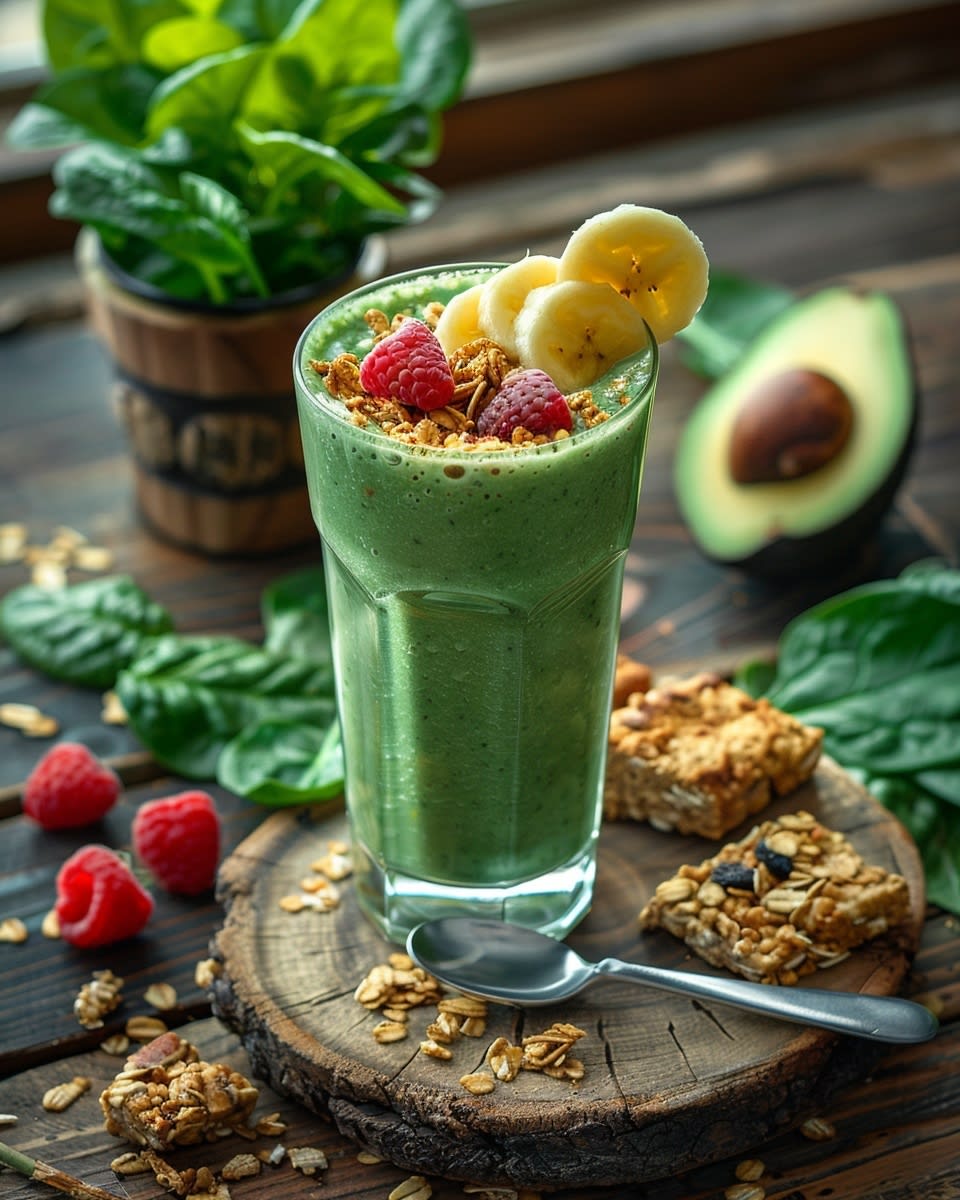
My Love Affair with the Spinach Avocado Smoothie
I still remember the morning I threw spinach into my blender for the first time. My daughter looked at me like I’d lost my mind. “Mom, that’s going to taste like grass,” she said with her nose wrinkled. But I was tired of the same old breakfast routine and wanted something that would actually give me energy past 10 AM. That first sip changed everything. The creamy avocado masked any “green” taste, and I felt full until lunch. Three years later, my spinach avocado smoothie is still my go-to breakfast at least four times a week.
This smoothie isn’t just another health trend that sounds good on paper but tastes like cardboard. It’s actually delicious, takes five minutes to make, and keeps you satisfied for hours. The best part? You can drink your breakfast while getting ready for work or sipping it during your commute. No more skipping breakfast or grabbing a sugary pastry because you’re running late.
The spinach avocado smoothie works as a quick meal replacement, an after-workout snack, or even a healthy dessert when you add a touch of honey. I’ve made it for friends who swore they hated “green drinks,” and they always ask for the recipe. The creamy texture from the avocado makes it feel indulgent, while the spinach sneaks in nutrients without announcing itself.
What makes this smoothie special is its flexibility. You can adjust it to fit almost any diet plan. Looking for a spinach avocado smoothie keto option? Skip the fruit and add coconut oil. Want something for spinach avocado smoothie weight loss? Keep it simple with water as your base and skip high-calorie add-ins. The basic recipe adapts to whatever your body needs.
Why You Should Try a Spinach Avocado Smoothie
Let’s talk about what this smoothie actually does for your body. I’m not going to promise it’ll cure everything or turn you into a superhero. But the nutritional punch it delivers is real and measurable.
One serving gives you a solid amount of fiber, healthy fats, vitamins, and minerals. All of this comes in at around 200-300 calories, depending on what you add. Compare that to a breakfast sandwich or a bowl of cereal with milk, and you’re getting way more nutrition for the same or fewer calories.
The iron in spinach helps carry oxygen through your blood. This means better energy levels and clearer thinking. I noticed I stopped reaching for that second cup of coffee around 2 PM once I started drinking this smoothie regularly. The vitamin K in spinach supports bone health, while the folate helps your cells function properly.
Avocado brings healthy monounsaturated fats to the mix. These fats help your body absorb the vitamins from the spinach. They also keep you full longer because fat takes time to digest. This is why a spinach avocado smoothie keeps you satisfied while a sugary smoothie leaves you hungry an hour later.
The potassium in avocado actually beats what you’d get from a banana. It helps regulate blood pressure and supports muscle function. The fiber from both ingredients helps your digestion stay regular and feeds the good bacteria in your gut.
What Are the Health Benefits of a Spinach Avocado Smoothie?
The spinach avocado smoothie benefits go beyond just one or two nutrients. Here’s what you’re really getting:
- Better skin: The vitamins A and E in both ingredients support healthy skin cell production
- Improved digestion: High fiber content keeps things moving smoothly
- Stable energy: Healthy fats and complex carbs prevent blood sugar spikes
- Heart health: Monounsaturated fats and potassium support cardiovascular function
- Weight management: High satiety factor means less snacking between meals
- Better nutrient absorption: The fat in avocado helps your body use fat-soluble vitamins
I started drinking this smoothie to lose weight after my second child. I didn’t follow any strict diet. I just replaced my usual breakfast with this smoothie and stopped eating processed snacks. I lost 15 pounds over four months without feeling deprived or hungry.
The eating well spinach avocado smoothie approach focuses on whole foods that nourish your body. You’re not drinking a meal replacement shake filled with artificial ingredients. You’re blending real foods that your great-grandmother would recognize.
For anyone following a low-carb plan, the avocado spinach smoothie low carb version works perfectly. A basic recipe with spinach, avocado, unsweetened almond milk, and ice has only about 8-10 grams of net carbs. That fits easily into most low-carb eating plans.
Spinach Avocado Smoothie Variations
The basic recipe is great, but sometimes you want to mix things up. I rotate through different versions depending on what I have in my fridge and what I’m craving.
The avocado spinach pineapple smoothie is my summer favorite. The pineapple adds natural sweetness and gives you bromelain, an enzyme that helps with inflammation. It also has vitamin C that boosts your immune system. The tropical flavor makes it feel like a vacation in a glass. I usually add coconut water as the liquid base to enhance the island vibe.
When fall arrives, I switch to an avocado spinach apple smoothie. Green apples work best because they’re not too sweet and have a nice tartness. The apple adds pectin, a type of fiber that’s great for gut health. This version tastes like a healthier version of apple pie when you add a pinch of cinnamon.
My husband loves the avocado spinach strawberry smoothie. Strawberries bring a sweet and tangy flavor that kids especially enjoy. They’re also loaded with antioxidants and vitamin C. This version turns a pretty pink color that doesn’t scream “healthy green drink” to picky eaters. I’ve served this to my kids’ friends, and they had no idea they were drinking spinach.
Some people can’t do bananas because of allergies or blood sugar concerns. The avocado spinach smoothie no banana version works just as well. Banana is often used to add creaminess and sweetness, but avocado already provides the creamy texture. You can use a handful of frozen mango or a few dates for natural sweetness instead.
If you work out regularly, try the avocado spinach protein smoothie. I add a scoop of vanilla protein powder and sometimes a tablespoon of almond butter. This version has about 25-30 grams of protein and keeps me full for at least five hours. It’s perfect after a morning workout when your muscles need fuel to recover.
Each variation brings different nutrients and flavors to the table. The pineapple version has more vitamin C. The strawberry option adds antioxidants. The apple variation provides extra fiber. You can’t really go wrong with any combination of spinach, avocado, and fruit.


Making a Spinach Avocado Smoothie for Specific Diets
Now that you’ve seen all the different flavor combinations you can play with, let’s talk about adapting this smoothie to fit your specific eating plan. Here’s the thing—I’ve been on just about every diet out there over the years. Whole30, keto, low-carb, calorie counting, you name it. What I love about the spinach avocado smoothie is that it actually works with almost all of them. You just need to know which ingredients to keep and which ones to swap out.
The secret is understanding what makes each diet tick. Keto people need to keep carbs super low and fat high. Low-carb folks have a bit more wiggle room. Weight loss diets focus on calories and satiety. Once you know the rules, tweaking this smoothie becomes second nature.
The spinach avocado smoothie keto version is probably the easiest adaptation I make regularly. My brother follows keto strictly to manage his blood sugar, and I started making these for him during family visits. The key is keeping your net carbs under 20 grams for the whole day, so breakfast needs to stay low. Your base ingredients of spinach and avocado already fit perfectly. Spinach has about 1 gram of net carbs per cup, and half an avocado has roughly 2 grams. That leaves you plenty of room to work with.
For the liquid base in a keto version, I use unsweetened almond milk or coconut milk. The canned coconut milk adds extra healthy fats that keto dieters need. Some mornings I’ll throw in a tablespoon of MCT oil or coconut oil for an additional fat boost. This helps keep you in ketosis while making the smoothie incredibly filling. I’ve gone six hours without thinking about food after drinking a high-fat version like this.
The tricky part with keto is avoiding fruit. Most fruits have too many carbs and will kick you out of ketosis. But you still want some flavor, right? I add a few drops of stevia or monk fruit sweetener for sweetness without the carbs. A teaspoon of vanilla extract makes a huge difference in taste. Sometimes I’ll add unsweetened cocoa powder for a chocolate version that feels like dessert for breakfast. A handful of ice and maybe some heavy cream, and you’ve got a keto-approved smoothie that tastes way better than it sounds.
How Can I Make a Spinach Avocado Smoothie That Is Keto-Friendly?
This question comes up constantly in my Facebook group where people share healthy recipes. The answer is simpler than most people think. Start with your spinach and avocado base, then follow these guidelines: Use full-fat coconut milk or heavy cream as your liquid (about one cup). Add ice to get the right consistency. Include a tablespoon of chia seeds or flax seeds for extra fiber and omega-3s. Sweeten only with keto-approved sweeteners like stevia, erythritol, or monk fruit. Skip all fruit entirely, or use a small amount of berries if you absolutely need it. Berries have the lowest carbs of any fruit, so a quarter cup of raspberries or blackberries won’t wreck your macros.
I also add protein powder to my keto version most days. Look for one with zero or very low carbs. Collagen powder works great and doesn’t have much taste. Some people add a raw egg for protein, though I’ve never been brave enough to try that. The texture already reminds me of sweet potato toast with avocado in smoothie form—rich and satisfying.
The avocado spinach smoothie low carb variation gives you more flexibility than strict keto. Low-carb diets usually allow between 50-100 grams of carbs per day instead of keto’s 20-30 grams. This means you can include a small banana or some berries without guilt. I prefer this approach personally because I like having fruit in the morning. A quarter of a banana adds natural sweetness and only about 7 grams of carbs.
When my daughter started asking for smoothies before school, I knew fruit had to be part of the equation. The low-carb version lets me add half a cup of frozen berries or a few chunks of pineapple. She gets the sweet taste she wants, and I don’t stress about sugar overload. Funny enough, she thinks she’s getting a treat while I know she’s drinking two cups of spinach.
Can I Make a Spinach Avocado Smoothie Without Bananas?
Absolutely, and I actually prefer it most days. People assume you need banana for creaminess, but the avocado already handles that job perfectly. The avocado spinach smoothie no banana version is what I make when I want to keep my sugar intake lower or when I simply run out of bananas.
Instead of banana, try using frozen cauliflower. I know that sounds weird. My sister laughed when I first suggested it. But a quarter cup of frozen cauliflower adds bulk and creaminess without any noticeable flavor. It also adds only about 1 gram of net carbs. Frozen zucchini works the same way. These vegetables blend smooth and cold, giving you that thick milkshake texture without the fruit sugars.
Nut butters are another great banana replacement. A tablespoon of almond butter or cashew butter adds healthy fats, protein, and a subtle sweetness. My breakfast rotation also includes variations similar to buckwheat porridge with almond milk, but this smoothie wins when I’m rushing out the door. The nut butter version keeps me full just as long.
For people dealing with banana allergies or blood sugar issues, frozen mango provides natural sweetness. Use just a quarter cup to keep carbs reasonable. Or go completely fruit-free and rely on vanilla extract, cinnamon, and a pinch of stevia for flavor. I’ve made dozens of no-banana versions, and honestly, I don’t miss it at all.
Spinach Avocado Smoothie for Weight Loss
Let me be real with you—no single food makes you lose weight. But this smoothie can definitely support your weight loss goals if you’re making other healthy choices too. The spinach avocado smoothie weight loss approach works because of two main factors: fiber and healthy fats.
Fiber slows down digestion, which means you feel full longer. Both spinach and avocado deliver plenty of it. When you drink this smoothie for breakfast, you’re not reaching for snacks an hour later like you would after toast or cereal. I used to eat a bagel every morning and be starving by 10 AM. Now I drink this smoothie at 7 and don’t think about food until noon.
The healthy fats in avocado trigger satiety hormones in your body. These hormones tell your brain you’re satisfied. That’s why eating fat doesn’t make you fat—it actually helps you eat less overall. When I replaced my carb-heavy breakfast with this smoothie, I naturally cut my daily calorie intake without trying. I wasn’t white-knuckling through hunger or counting every calorie. I just felt satisfied with less food.
By the way, this works way better than those meal replacement shakes filled with artificial ingredients. Real food keeps you satisfied longer. The fiber content also helps regulate your blood sugar, preventing the crashes that make you crave junk food. Stable blood sugar equals fewer cravings equals easier weight loss.
Is a Spinach Avocado Smoothie Good for Weight Loss?
Yes, if you make it right. The key is keeping your portions reasonable and not adding a bunch of high-calorie extras. A basic smoothie with spinach, half an avocado, unsweetened almond milk, and a little fruit comes in around 200-250 calories. That’s a solid breakfast that won’t derail your calorie goals.
Where people mess up is adding too much. I’ve seen recipes calling for a whole avocado, a cup of coconut milk, two bananas, and honey. That’s pushing 600 calories and defeats the purpose. Stick with half an avocado maximum. Use water or unsweetened almond milk as your base instead of juice or full-fat coconut milk. Keep fruit to one serving or less.
I lost weight by replacing my usual breakfast with this smoothie and making no other changes at first. After a month, I started noticing I wanted less food at lunch too. The smoothie’s combination of fiber, fat, and nutrients kept my appetite under control all day. My portions naturally got smaller because I wasn’t constantly hungry. Over four months, I dropped 15 pounds without following any strict diet plan.
Think of it like building a healthy foundation similar to starting your day with cottage cheese and banana or healthy breakfast cookies with oats. You’re giving your body real nutrition that sets you up for success. The difference is the smoothie is faster and easier when you’re rushed.
Another weight loss benefit is the smoothie’s versatility. You can drink it while getting ready for work, which means no more skipping breakfast because you’re running late. Skipping breakfast usually leads to overeating later in the day. Having a quick, healthy option ready means you start your day right every single time.
The protein powder version I mentioned earlier works especially well for weight loss. Protein increases satiety even more than fat or carbs. A scoop of quality protein powder bumps your smoothie to 25-30 grams of protein, which research shows helps preserve muscle while losing fat. I noticed better results when I added protein powder compared to the fruit-only versions.


Boosting Protein with an Avocado Spinach Smoothie
Here’s something I learned the hard way—drinking a smoothie that’s mostly fruit and greens without enough protein left me feeling hungry way too fast. I’d make these beautiful green smoothies packed with spinach and berries, drink them down feeling proud of myself, and then wonder why I was raiding the pantry two hours later. The problem wasn’t the spinach or the avocado. The problem was I wasn’t getting enough protein to actually keep me satisfied.
Protein is the building block your body uses for basically everything important. Your muscles, hair, skin, enzymes, hormones—they all need protein to function properly. When you eat protein, it breaks down slower than carbs, which means steadier energy without the crashes. It also triggers hormones that tell your brain you’re full. That’s why a protein-rich breakfast keeps you going while a carb-heavy one leaves you hungry before lunch.
Most basic spinach avocado smoothies have maybe 3-5 grams of protein from the spinach and plant milk. That’s not terrible, but it’s not enough to call it a complete meal. Your body needs around 20-30 grams of protein per meal to feel truly satisfied and support muscle maintenance. Once I started boosting the protein in my morning smoothie, everything changed. I stopped snacking mindlessly. I had better focus at work. My energy stayed consistent all morning.
The beauty of the avocado spinach protein smoothie is you can easily add protein without ruining the taste or texture. Greek yogurt is my go-to addition most days. A half cup of plain Greek yogurt adds about 10-12 grams of protein and makes the smoothie incredibly thick and creamy. It tastes like a milkshake, honestly. My kids can’t tell the difference between this and ice cream when I blend it well enough.
I use full-fat Greek yogurt because the fat helps with vitamin absorption and keeps me fuller longer. Some people worry about the calories in full-fat dairy, but I find I eat less overall when my breakfast has adequate fat and protein. Plus, understanding nutrition basics helped me realize that good fats from real food aren’t the enemy—processed junk and excess sugar are.
Protein powder is another easy addition, though I’m picky about which ones I use. I’ve tried dozens of brands over the years, and many taste chalky or artificial. My current favorite is vanilla whey protein, which blends smooth and adds about 20 grams of protein per scoop. Plant-based protein powders work great too if you’re vegan or sensitive to dairy. Pea protein, hemp protein, and brown rice protein all blend well in smoothies.
One trick I learned from a nutritionist friend: add the protein powder last and blend on low speed. High-speed blending can make protein powder foamy and weird-textured. I blend my spinach, avocado, liquid, and ice first until smooth, then add the protein powder and pulse it a few times. Perfect texture every single time.
Nut butters are my favorite protein addition when I want something that tastes indulgent. A tablespoon of almond butter adds about 3-4 grams of protein plus healthy fats that make the smoothie incredibly satisfying. Peanut butter, cashew butter, and sunflower seed butter all work great. I sometimes mix peanut butter with a little cocoa powder for a chocolate peanut butter version that tastes like dessert but keeps me full until lunch.
How Can I Add More Protein to My Spinach Avocado Smoothie?
Let me walk you through the different options and how much protein each one adds. This way you can mix and match based on what you have in your kitchen and what fits your taste preferences.
Greek yogurt is probably the easiest protein boost. Half a cup adds 10-12 grams of protein and makes your smoothie thick and creamy. Use plain unsweetened yogurt to control sugar content. The tanginess actually balances out the sweetness from any fruit you add. I buy the big containers of plain Greek yogurt because they’re cheaper and I use it constantly.
Protein powder gives you the biggest protein punch for the calories. One scoop typically has 20-25 grams of protein. Whey protein digests quickly, making it great post-workout. Plant proteins digest slower, which is better for sustained energy throughout the morning. I keep both vanilla and unflavored protein powder in my pantry so I can switch up the flavors.
Nut and seed butters add 3-4 grams of protein per tablespoon plus healthy fats. Almond butter, peanut butter, cashew butter, and sunflower seed butter all work well. They make the smoothie richer and more filling. My daughter loves the peanut butter version so much she requests it every weekend.
Chia seeds or hemp hearts are smaller additions but they add up. Two tablespoons of chia seeds add about 4 grams of protein plus tons of omega-3s and fiber. Hemp hearts have about 6 grams of protein per two tablespoons and blend in without any noticeable texture. I throw hemp hearts in almost every smoothie I make because they’re so nutritionally dense.
Silken tofu might sound weird, but a quarter cup adds about 5 grams of protein and makes your smoothie incredibly smooth. You can’t taste it at all. I started using tofu in smoothies when I was trying to cut back on dairy but still wanted that creamy texture. It works beautifully and costs way less than protein powder.
Cottage cheese is another secret weapon. A quarter cup has about 7 grams of protein and blends smoother than you’d think. Use a high-speed blender to avoid lumps. The mild flavor disappears completely when you add fruit or vanilla extract. Funny enough, my husband refuses to eat cottage cheese normally but drinks it in smoothies without complaint.
Here’s a sample recipe for my go-to high-protein version that keeps me full for hours:
- 1 cup fresh spinach, packed
- 1/2 medium avocado
- 1/2 cup plain Greek yogurt
- 1 scoop vanilla protein powder
- 1 tablespoon almond butter
- 1 cup unsweetened almond milk
- 1/2 teaspoon vanilla extract
- 5-6 ice cubes
- Optional: stevia or honey to taste
Blend the spinach and almond milk first until the spinach is completely broken down. Add the avocado, Greek yogurt, almond butter, vanilla, and ice. Blend until smooth. Finally, add the protein powder and pulse a few times until just combined. This recipe gives you about 35-40 grams of protein in one smoothie. That’s more than enough to count as a complete meal.
The texture is thick enough to eat with a spoon if you want. Sometimes I pour it into a bowl and top it with a few berries and some granola for crunch. It feels more like eating a meal than drinking one, which helps my brain register that I’ve actually eaten breakfast.
By the way, timing your protein intake matters more than most people realize. Having protein first thing in the morning helps stabilize your blood sugar for the entire day. Studies show that people who eat high-protein breakfasts have fewer cravings and consume fewer calories overall compared to those who eat carb-heavy breakfasts. I noticed this difference within a week of switching to protein-rich smoothies.
The combination of protein from Greek yogurt and powder, healthy fats from avocado and almond butter, and fiber from spinach creates the perfect trifecta for satiety. Your stomach empties slowly, your blood sugar stays stable, and you feel energized without feeling stuffed. It’s the goldilocks zone of breakfast—not too heavy, not too light, just right.
I’ve made this smoothie for my sister who lifts weights four times a week, and she swears it helps with muscle recovery better than the store-bought protein shakes she used to drink. The whole food ingredients provide vitamins and minerals that processed shakes lack. Plus, you know exactly what’s going into your body instead of relying on a label that lists twenty ingredients you can’t pronounce.
For people who work out in the morning, drink this smoothie within 30 minutes after your workout. That’s when your muscles are most receptive to protein for recovery. I blend mine the night before sometimes and keep it in the fridge in a mason jar. Give it a good shake in the morning, and it’s ready to go right after my workout. Saves precious time when I’m already sweaty and tired.
One last tip about protein that nobody talks about: your body can only absorb so much at once. Eating 100 grams of protein in one sitting doesn’t work any better than spreading it throughout the day. Aim for 25-35 grams of protein per meal, and your body will use it efficiently. This smoothie hits that target perfectly without being excessive.
Looking back, I wish someone had told me about protein-boosting my smoothies years ago. I spent so much time drinking smoothies that left me hungry and wondering why I couldn’t stick to healthy eating. Turns out I was missing the one ingredient that would have made everything work. Now my mornings start with a protein-packed smoothie, and I don’t think about food again until lunch rolls around naturally. That’s what proper nutrition feels like—effortless instead of exhausting.
If you’re looking for more ways to start your day with nutrient-dense meals that actually keep you satisfied, check out these healthy breakfast recipes that work with busy schedules and real life. The spinach avocado smoothie fits perfectly into a morning routine that prioritizes both health and convenience.
Give the high-protein version a try tomorrow morning. Seriously, blend up one batch and see how different you feel compared to your usual breakfast. I’m betting you’ll notice the difference in your energy and hunger levels within a day or two. Once you experience what a properly balanced breakfast feels like, there’s no going back to the old way.
FAQ Section
What are the health benefits of a spinach avocado smoothie?
A spinach avocado smoothie delivers a concentrated dose of vitamins A, C, E, and K along with minerals like potassium, iron, and magnesium. The healthy fats from avocado help your body absorb fat-soluble vitamins while keeping you satisfied for hours. The high fiber content supports digestive health and feeds beneficial gut bacteria. Regular consumption can improve skin health, support heart function, stabilize energy levels, and help with weight management. The combination of nutrients also supports immune function and reduces inflammation throughout your body.
How can I make a spinach avocado smoothie that is keto-friendly?
Making a keto-friendly version is simple when you focus on keeping carbs under 5-7 grams per serving. Use spinach and half an avocado as your base, then add full-fat coconut milk or heavy cream as your liquid. Skip all fruit completely or use a small amount of berries if needed. Add MCT oil or coconut oil for extra healthy fats to keep you in ketosis. Sweeten only with stevia, erythritol, or monk fruit. Include protein powder with zero carbs and consider adding chia seeds for fiber and omega-3s without the carb load.
Can I make a spinach avocado smoothie without bananas?
Absolutely, and many people prefer it without banana to reduce sugar and carbs. The avocado already provides all the creaminess you need, so banana isn’t necessary for texture. Try using frozen cauliflower or zucchini to add bulk without flavor or carbs. Nut butters like almond or cashew butter add creaminess and subtle sweetness. For natural sweetness without banana, use a small amount of frozen mango, a few dates, or simply rely on vanilla extract and cinnamon with a touch of stevia. These alternatives keep your smoothie thick and satisfying without any banana at all.
Is a spinach avocado smoothie good for weight loss?
Yes, when made correctly, this smoothie supports weight loss through several mechanisms. The combination of fiber and healthy fats keeps you full for 4-6 hours, preventing snacking and reducing overall calorie intake. The protein content helps preserve muscle mass while losing fat. Stable blood sugar from the balanced nutrition prevents cravings for junk food. A basic recipe contains only 200-250 calories while providing substantial nutrition. The key is keeping portions reasonable—use half an avocado maximum, choose water or unsweetened almond milk as your base, and limit high-calorie add-ins like nut butters to one tablespoon.
How can I add more protein to my spinach avocado smoothie?
The easiest ways to boost protein are adding Greek yogurt (10-12 grams per half cup), protein powder (20-25 grams per scoop), or nut butters (3-4 grams per tablespoon). Hemp hearts add 6 grams of protein per two tablespoons with minimal taste impact. Silken tofu contributes 5 grams per quarter cup and blends smooth. Cottage cheese provides 7 grams per quarter cup if you have a high-speed blender. Combine multiple protein sources to reach 30-40 grams per smoothie, which creates a truly satisfying meal replacement that keeps you full until lunch.
Can I prep spinach avocado smoothies ahead of time?
You can prep ingredients ahead, but I don’t recommend blending and storing for more than 24 hours because avocado oxidizes and turns brown. The best method is preparing smoothie packs by portioning spinach, frozen fruit, and any add-ins into freezer bags or containers. Store these in the freezer, then just add avocado, liquid, and protein when you’re ready to blend. If you must blend ahead, add a squeeze of lemon juice to slow oxidation, store in an airtight container in the fridge, and shake well before drinking. The texture and color won’t be quite as good, but it’s still drinkable for up to 24 hours.
What liquid should I use in my spinach avocado smoothie?
The liquid you choose depends on your nutritional goals and taste preferences. Unsweetened almond milk is my go-to because it’s low in calories (30-40 per cup) and has a neutral flavor. Coconut milk adds richness and works great for keto versions. Regular milk provides extra protein and calcium if dairy doesn’t bother you. Coconut water adds electrolytes and a subtle sweetness, perfect for post-workout smoothies. Plain water works if you want the lowest calorie option and don’t mind a less creamy texture. Green tea cooled down adds antioxidants and a subtle flavor that pairs surprisingly well with the other ingredients.
How thick should my spinach avocado smoothie be?
This really comes down to personal preference, but I like mine thick enough to eat with a spoon if I want to. The avocado naturally makes the smoothie creamy and substantial. For a thicker consistency, use less liquid (start with 3/4 cup instead of a full cup), add more ice cubes, or include frozen fruit instead of fresh. Frozen cauliflower or frozen zucchini also thicken without adding flavor. For a thinner, more drinkable consistency, simply add more liquid or use less ice. Greek yogurt makes it much thicker while nut milks keep it lighter. Start thick and add liquid gradually until you reach your preferred consistency.
Can kids drink spinach avocado smoothies?
Kids can absolutely enjoy these smoothies, and it’s an excellent way to sneak vegetables into their diet without the usual fight. The key is making it taste good enough that they actually want to drink it. Add fruit like strawberries, pineapple, or mango to sweeten it naturally and create a prettier color that doesn’t scream “green vegetable drink.” Use vanilla Greek yogurt instead of plain for extra sweetness. Let them help blend it and choose which fruit to add—kids are way more likely to drink something they helped create. My daughter has been drinking variations of this smoothie since she was three, and she has no idea she’s consuming two cups of spinach regularly.
Why does my spinach avocado smoothie taste bitter sometimes?
Bitterness usually comes from using too much spinach, overripe or underripe avocado, or blending the spinach too aggressively, which can release bitter compounds. Stick to 1-2 cups of spinach maximum, and make sure your avocado is perfectly ripe—soft but not brown inside. Baby spinach tends to be milder than mature spinach leaves. Balance any remaining bitterness with natural sweetness from fruit, vanilla extract, or a tiny pinch of salt, which actually enhances sweetness. A squeeze of lemon or lime juice brightens the flavor and masks bitterness. If all else fails, adding a tablespoon of honey or a few dates usually solves the problem completely.
Ingredients
Equipment
Method
- Blend spinach and almond milk until the spinach is completely broken down.
- Add avocado, Greek yogurt, almond butter, and ice. Blend until smooth.
- If using protein powder, add it last and pulse a few times to mix.