
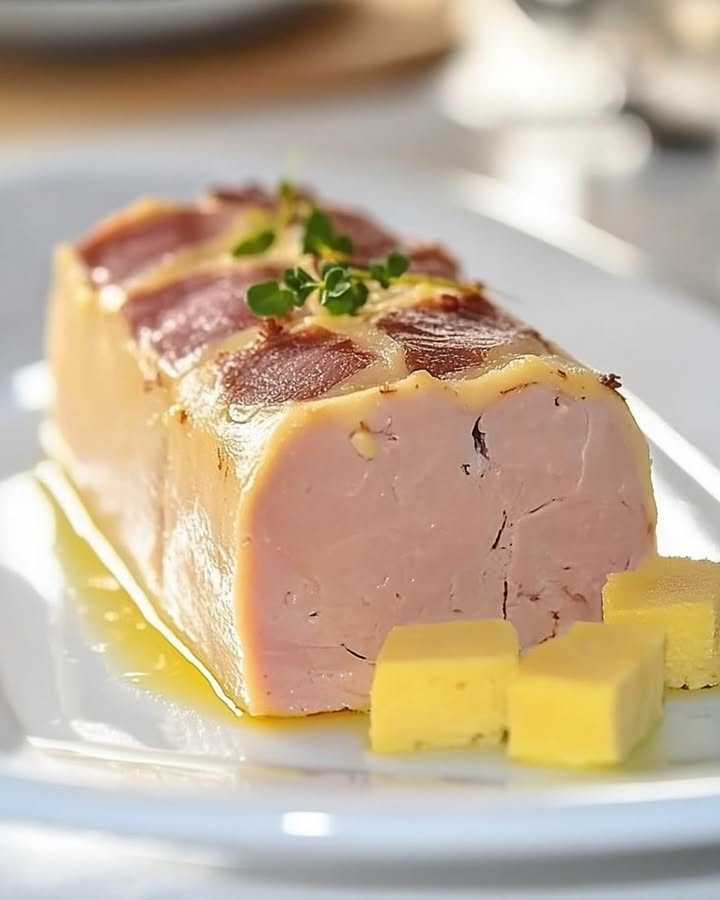
Let’s Dive into a Stunning Homemade Terrine de Foie Gras
Imagine the rich, velvety texture of foie gras melting in your mouth, paired with the subtle notes of cognac and a hint of Porto. This Stunning Homemade Terrine de Foie Gras is not just a dish; it’s an experience that will leave your guests asking for more. I first tried this recipe at a friend’s dinner party, and I was so impressed that I had to make it myself. It’s a showstopper, and I’m excited to share it with you!
A Little History Behind the Classic French Delicacy
Foie gras has been a cherished delicacy in French cuisine for centuries, dating back to ancient Egypt. The traditional method of preparing foie gras involves force-feeding geese or ducks to enlarge their livers, which are then cooked and served in various forms. While the practice is controversial, the result is undeniably luxurious. Today, many chefs and home cooks have adapted the recipe to create a more ethical and accessible version, like this Stunning Homemade Terrine de Foie Gras.
Why You’ll Love This Recipe
This Stunning Homemade Terrine de Foie Gras is a perfect blend of tradition and modernity. The flavors are rich and indulgent, yet the preparation is surprisingly simple. The combination of cognac, farine, and finely chopped shallots adds a depth of flavor that elevates the dish. Plus, it’s a great way to impress your guests without spending hours in the kitchen.
Perfect Occasions to Prepare This Recipe
This Stunning Homemade Terrine de Foie Gras is ideal for special occasions like Christmas, New Year’s Eve, or even a romantic dinner. It’s also a fantastic addition to a wine and cheese night or a sophisticated cocktail party. Serve it with some toasted bread and a glass of chilled white wine for a truly memorable experience.
Ingredients for Your Stunning Homemade Terrine
- 500 g of foie gras cru
- 1 teaspoon of salt
- 1/2 teaspoon of pepper
- 2 tablespoons of cognac
- 1 tablespoon of flour
- 1 finely chopped shallot
- 3 to 4 tablespoons of Porto jelly or meat jelly
- Toasted bread for serving
Substitution Options
- If you can’t find foie gras, you can use high-quality chicken liver pâté as a substitute.
- Cognac can be replaced with brandy or even a good quality whiskey.
- Farine (flour) can be substituted with cornstarch for a gluten-free option.
- Porto jelly can be replaced with red wine jelly or any other fruit-based jelly.
Preparation Section
Step 1: Prepare the Foie Gras
Start by taking the foie gras out of the refrigerator and letting it come to room temperature for about 30 minutes. This step is crucial as it makes the foie gras easier to work with. Meanwhile, preheat your oven to 90°C (194°F).
Step 2: Mix the Seasonings
In a small bowl, mix together the salt, pepper, and cognac. The aroma of the cognac will fill your kitchen, making it feel like a little piece of France. This mixture will add a wonderful depth of flavor to the foie gras.
Step 3: Combine the Ingredients
Cut the foie gras into small pieces and place them in a mixing bowl. Add the seasoning mixture, flour, and finely chopped shallot. Gently mix everything together until the foie gras is well coated. The texture should be smooth and creamy, with a slight graininess from the shallots.
Step 4: Assemble the Terrine
Line a terrine mold with plastic wrap, making sure there’s enough overhang to cover the top later. Carefully spoon the foie gras mixture into the mold, pressing it down gently to remove any air pockets. This will help the terrine hold its shape and ensure an even texture.
Step 5: Bake the Terrine
Place the terrine mold in a larger baking dish filled with hot water (a bain-marie). This gentle cooking method helps the foie gras cook evenly without drying out. Bake in the preheated oven for about 45 minutes. The terrine should be set but still slightly jiggly in the center.
Step 6: Cool and Chill the Terrine
Remove the terrine from the oven and let it cool to room temperature. Once cooled, cover the top with the overhanging plastic wrap and refrigerate for at least 24 hours. This resting time allows the flavors to meld and the terrine to set properly, resulting in a smooth and rich texture.
Step 7: Serve and Enjoy
When ready to serve, unmold the terrine onto a serving plate. Drizzle the top with Porto jelly and serve with slices of toasted bread. The combination of the creamy foie gras, the sweet and tangy Porto jelly, and the crispy toast is simply divine.
Timing
Prep Time: 30 minutes
Cooking Time: 45 minutes
Resting Time: 24 hours
Total Time: 25 hours and 15 minutes
Chef’s Secret
One of my favorite tricks is to add a small amount of truffle oil to the foie gras mixture. Just a few drops can elevate the flavor profile and add a luxurious touch. Be careful not to overdo it, as truffle oil can be quite strong.
Extra Info
Did you know that foie gras is often served with a sweet accompaniment? The sweetness balances the richness of the foie gras. In France, it’s common to pair foie gras with fig jam or a compote made from apples or pears. Feel free to experiment with different sweet elements to find your perfect match.
Necessary Equipment
- Terrine mold
- Baking dish for bain-marie
- Mixing bowls
- Plastic wrap
- Kitchen knife
- Cutting board
Storage
Store the Stunning Homemade Terrine de Foie Gras in the refrigerator, wrapped tightly in plastic wrap. It will keep for up to 5 days. If you want to freeze it, wrap it in a layer of plastic wrap followed by a layer of aluminum foil. It can be frozen for up to 2 months. When you’re ready to serve, thaw it in the refrigerator overnight.
For the best texture, bring the terrine to room temperature for about 15 minutes before serving. This will allow the flavors to fully develop and the texture to become perfectly spreadable.
Make sure to label the container with the date it was made. This will help you keep track of how long it’s been in the fridge or freezer and ensure you enjoy it at its peak freshness.
Tips and Advice
- Use a sharp knife to slice the terrine. A dull knife can cause the terrine to crumble.
- For a smoother texture, you can pass the foie gras through a fine-mesh sieve after mixing the ingredients.
- Don’t skip the resting time. It’s essential for the terrine to set properly and for the flavors to meld.
Presentation Tips
- Garnish the terrine with a few sprigs of fresh herbs like thyme or parsley for a pop of color.
- Serve the terrine on a decorative platter with a variety of crackers and breads.
- Add a small bowl of fig jam or apple compote on the side for a sweet contrast.
Healthier Alternative Recipes
- Chicken Liver Pâté: Replace the foie gras with chicken livers for a lighter, more budget-friendly option. The process is similar, but the cooking time may be shorter.
- Mushroom Pâté: For a vegetarian version, use a mixture of sautéed mushrooms, onions, and garlic. Blend them with cream and seasonings, then bake in a terrine mold.
- Beetroot and Goat Cheese Terrine: Layer roasted beets and goat cheese in a terrine mold, alternating with a sprinkle of thyme and a drizzle of balsamic glaze.
- Salmon and Dill Terrine: Mix smoked salmon with cream cheese, dill, and lemon juice. Pour into a terrine mold and chill until set.
- Carrot and Ginger Terrine: Blend cooked carrots with ginger, cream, and a touch of honey. Pour into a mold and chill until firm.
- Eggplant and Olive Tapenade Terrine: Layer grilled eggplant with olive tapenade and a sprinkle of parmesan cheese. Bake and chill before serving.
Common Mistakes to Avoid
Mistake 1: Using Cold Foie Gras
Using cold foie gras can make it difficult to cut and mix. Always let it come to room temperature before starting. This ensures a smoother texture and easier handling.
Mistake 2: Overcooking the Terrine
Overcooking the terrine can make it dry and tough. Keep an eye on it and remove it from the oven when it’s just set but still slightly jiggly in the center. This will give you the perfect, creamy texture.
Mistake 3: Not Letting It Rest
Skipping the resting time can result in a less flavorful and poorly set terrine. The 24-hour chilling period is crucial for the flavors to meld and the texture to firm up. Patience is key here!
Mistake 4: Using Too Much Flour
Adding too much flour can make the terrine dense and heavy. Use just enough to bind the ingredients, and make sure to mix it in thoroughly. A light touch is all you need.
Mistake 5: Not Lining the Mold Properly
Not lining the terrine mold with plastic wrap can make it difficult to unmold. Make sure the plastic wrap is smooth and covers the entire surface of the mold. This will ensure a clean, easy removal.
FAQ
Can I use a different type of alcohol instead of cognac?
Yes, you can use brandy or even a good quality whiskey as a substitute for cognac. The key is to use a high-quality alcohol that complements the rich flavor of the foie gras.
How do I know if the foie gras is done?
The foie gras should be set but still slightly jiggly in the center. It should also reach an internal temperature of around 60°C (140°F). Use a food thermometer to check the temperature if you’re unsure.
Can I freeze the terrine?
Yes, you can freeze the terrine. Wrap it in a layer of plastic wrap followed by a layer of aluminum foil. It can be frozen for up to 2 months. Thaw it in the refrigerator overnight before serving.
What can I serve with the terrine?
Serve the terrine with toasted bread, crackers, or a selection of cheeses. You can also add a sweet element like fig jam or apple compote to balance the richness of the foie gras.
Is foie gras ethical?
The production of foie gras is a topic of debate. Some people choose to avoid it due to animal welfare concerns. However, there are ethical and sustainable producers who use more humane methods. Consider your values and preferences when deciding whether to include foie gras in your diet.
Can I make this recipe without a terrine mold?
Yes, you can use a loaf pan or a similar rectangular mold if you don’t have a terrine mold. Just make sure to line it with plastic wrap to ensure easy removal.
How long does the terrine need to rest?
The terrine needs to rest in the refrigerator for at least 24 hours. This allows the flavors to meld and the texture to set properly. Patience is key for the best results.
Can I use a different type of jelly?
Yes, you can use red wine jelly, fruit-based jelly, or even a compote made from apples or pears. The goal is to add a sweet and tangy element that complements the rich flavor of the foie gras.
Is this recipe suitable for vegetarians?
No, this recipe contains foie gras, which is an animal product. However, you can try one of the vegetarian alternatives like the Mushroom Pâté or the Beetroot and Goat Cheese Terrine.
Can I make this recipe ahead of time?
Absolutely! This Stunning Homemade Terrine de Foie Gras is perfect for making ahead of time. You can prepare it up to 5 days in advance and store it in the refrigerator. Just bring it to room temperature for about 15 minutes before serving.
Conclusion
There you have it—a Stunning Homemade Terrine de Foie Gras that’s sure to impress your family and friends. From the rich, creamy texture to the delightful blend of flavors, this dish is a true masterpiece. Whether you’re hosting a special occasion or just looking to treat yourself, this recipe is a must-try. So, roll up your sleeves, gather your ingredients, and get ready to create a culinary delight that will leave everyone asking for more. Bon appétit!