
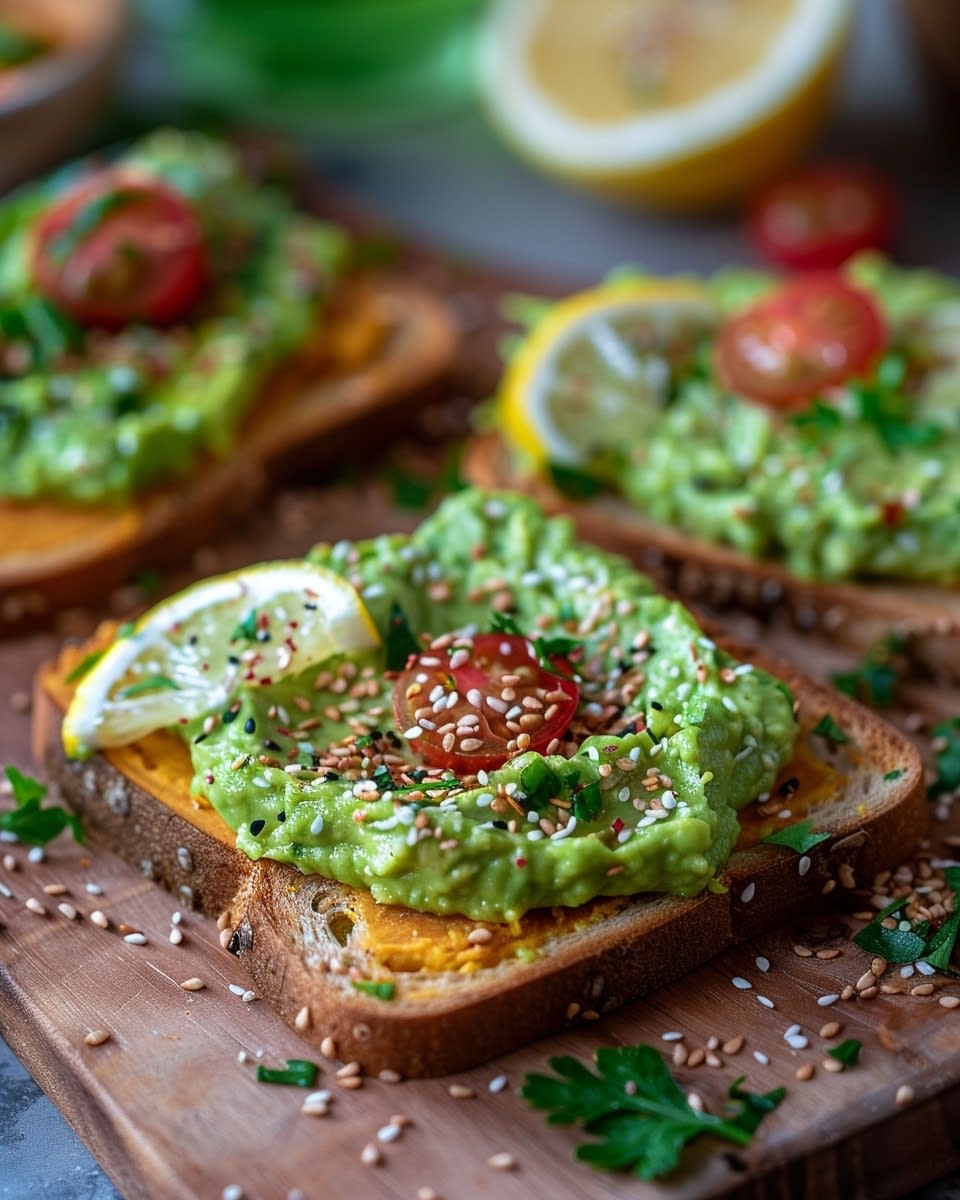
Why Sweet Potato Toast with Avocado is My Favorite Morning Game-Changer
Last Tuesday morning, I stood in my kitchen staring at an empty bread bag. My usual toast routine had hit a wall. That’s when I spotted three sweet potatoes sitting in my produce basket. What happened next changed my breakfast forever.
I sliced one lengthwise, popped it in my toaster, and topped it with mashed avocado. The result? A crispy, slightly sweet base with creamy avocado on top. My family devoured every slice. Now, we make sweet potato toast with avocado at least three times a week.
This isn’t just another trendy breakfast. It’s actually a smart swap that keeps you full longer and tastes amazing. The natural sweetness of the potato pairs perfectly with rich, buttery avocado. Plus, you can customize it a million different ways.
I’m excited to share everything I’ve learned about making this simple dish. You’ll discover the best cooking methods, topping ideas, and tips that make preparation easy. Trust me, once you try this, your old toast might feel boring.
The Health Benefits Behind Sweet Potato and Avocado Breakfast
Let me tell you why sweet potato and avocado breakfast combinations work so well for your body. Sweet potatoes are packed with fiber, vitamins, and complex carbohydrates. They give you steady energy instead of the quick spike and crash you get from regular bread.
One medium sweet potato contains more than 400% of your daily vitamin A needs. It also provides vitamin C, potassium, and manganese. These nutrients support your immune system, vision, and overall health.
Avocados bring healthy fats to the table. These fats help your body absorb the vitamins from the sweet potato. They also keep you satisfied for hours. I used to get hungry by 10 AM after eating regular toast. Now I stay full until lunch.
The best part? This recipe is naturally sweet potato avocado toast vegan. No animal products needed. Just two whole foods working together. You can add other plant-based toppings to boost nutrition even more.
Both ingredients have a low glycemic index compared to white bread. This means they won’t cause dramatic blood sugar swings. That’s why I feel more focused and energized after eating this breakfast.
How to Make Perfect Sweet Potato Toast Every Time
Making sweet potato toast is easier than you think. The basic method is simple. Wash your sweet potato, slice it lengthwise into planks about 1/4 inch thick, and cook until tender and slightly crispy on the edges.
Here’s what you need to know about choosing the right sweet potato. Look for medium-sized ones that are firm and smooth. They should feel heavy for their size. Avoid any with soft spots, cracks, or sprouts.
The shape matters too. Pick sweet potatoes that are relatively straight and uniform. This gives you even slices that fit nicely in your toaster or cook evenly in the oven. I learned this the hard way after trying to toast a curvy potato that got stuck in my toaster.
You want slices thick enough to stay sturdy but thin enough to cook through. Too thick, and they stay raw in the middle. Too thin, and they turn into chips. Quarter-inch thickness is the sweet spot.
Three Easy Cooking Methods for Sweet Potato Toast
I’ve tested every method possible. Each one has its benefits depending on your time, equipment, and texture preference.
Toaster or Toaster Oven Method
The sweet potato toaster oven method is my go-to on busy mornings. Place your slices directly in the toaster slots or on a toaster oven tray. Toast on the highest setting for two to three cycles. The exact time depends on your toaster’s power and your slice thickness.
Check them after each cycle. They should feel tender when you poke them with a fork. The edges will get slightly crispy and caramelized. This method gives you that authentic toast texture.
One warning: cheaper toasters sometimes have trouble with this. If your slices keep popping up too soon, try the toaster oven instead. It gives you more control over cooking time.
Air Fryer Method
The sweet potato toast air fryer technique produces the crispiest results. Brush your slices lightly with olive oil or cooking spray. Place them in a single layer in the air fryer basket.
Cook at 375°F for about 10 to 12 minutes, flipping halfway through. The circulating hot air creates an evenly cooked slice with crispy edges and a soft center. This is my weekend method when I have a few extra minutes.
The air fryer works great when making multiple slices at once. I can cook four to six pieces together for the whole family. Just make sure they don’t overlap or they won’t crisp up properly.
Microwave Method
Yes, you can learn how to make sweet potato toast in microwave. While it won’t get crispy, it works in a pinch. Place your slices on a microwave-safe plate. Cover with a damp paper towel.
Microwave on high for 3 minutes. Check for doneness. Continue cooking in 30-second intervals until tender. The texture will be softer and more similar to regular cooked sweet potato than toast.
I use this method when I’m staying at a hotel or somewhere without a proper kitchen. It’s not my favorite, but it gets the job done. You can always pan-fry the microwaved slices for a minute on each side to add some crispness.
My Tips for Sweet Potato Toast Success
After making hundreds of batches, I’ve picked up some tricks. First, prep extra slices on Sunday. Cook a bunch at once and store them in the fridge. They reheat beautifully in the toaster for quick weekday breakfasts.
Don’t skip the oil if you want crispy edges. A light brush of olive oil or avocado oil makes a huge difference. The fat helps with browning and adds flavor.
Season your slices before cooking. A sprinkle of sea salt and black pepper enhances the natural sweetness. Sometimes I add garlic powder or smoked paprika for extra flavor.
Watch them closely the first few times you make them. Every cooking device is different. Once you figure out the perfect timing for your equipment, you’ll be able to make them on autopilot.
Let them cool for about a minute before adding toppings. If you pile on the avocado immediately, it can get warm and mushy. A brief cooling period keeps your toppings fresh and appealing.


Endless Sweet Potato Toast Topping Ideas That’ll Never Get Boring
Once you’ve mastered the cooking technique, the real fun begins. I’ve experimented with so many topping combinations that my husband jokes our kitchen has turned into a sweet potato laboratory. Honestly, that’s not far from the truth.
The classic mashed avocado is just the starting point. I like to season mine with lemon juice, red pepper flakes, and a pinch of sea salt. But here’s where things get interesting. You can go savory, sweet, or somewhere in between. My kids prefer sweet toppings in the morning, while I lean toward savory during the week.
For savory options, try hummus with sliced cucumbers and cherry tomatoes. Or spread some almond butter and top with sliced radishes and microgreens. One of my recent favorites is mashed white beans mixed with garlic and herbs. It creates this creamy sweet potato spread on toast that reminds me of fancy restaurant brunch.
Sometimes I’ll make a batch of egg white scramble with zucchini and pile it on top of my sweet potato slices. The combination of fluffy eggs and crispy sweet potato is absolutely divine. Plus, you’re getting even more protein and vegetables to start your day right.
Sweet versions work great too, especially on weekends. Cashew butter with sliced bananas and a drizzle of honey tastes like dessert for breakfast. Ricotta cheese with fresh berries and a sprinkle of cinnamon makes me feel like I’m eating at a café. The natural sweetness of the potato enhances whatever you put on top.
By the way, if you’re looking for other nutritious breakfast options to rotate with your sweet potato toast, try pairing it with a green smoothie with banana and kale. Together, they create a balanced meal that covers all your nutritional bases.
Store-Bought Options Worth Trying
Listen, I get it. Some mornings you don’t even want to slice a sweet potato. That’s where convenient alternatives come in handy. I discovered sweet potato toasts caulipower at my local grocery store last month. They’re pre-sliced and frozen, ready to pop in your toaster.
The Caulipower brand makes these pretty decent. They’re thinner than what I usually cut myself, but they toast up nicely and save probably ten minutes of prep time. Perfect for those mornings when my daughter needs help finding her soccer cleats and I’m already running late.
I’ve also found options at sweet potato toast sprouts markets. Sprouts carries several brands of pre-cut sweet potato slices in the freezer section. Some are plain, while others come pre-seasoned with different spice blends. The rosemary and garlic version makes me feel fancy without any extra effort.
Funny enough, these store-bought versions got my mother-in-law hooked on sweet potato toast. She was intimidated by the whole slicing and cooking process. Now she keeps a bag of frozen slices in her freezer and makes them whenever she babysits our kids. Sometimes convenience wins, and that’s totally okay.
The downside is they cost more per serving than buying whole sweet potatoes. I typically reserve them for emergency breakfast situations or keep a backup bag for those weeks when life gets extra chaotic. But if budget isn’t a concern and time is tight, they’re definitely worth checking out.
The Bulletproof Sweet Potato Toast Trend
Here’s something interesting I stumbled across while researching breakfast hacks. Bulletproof sweet potato toast takes the concept of bulletproof coffee and applies it to your morning toast. The idea is to add healthy fats that keep you energized and satisfied for hours.
The traditional bulletproof approach involves mixing grass-fed butter or ghee with MCT oil. When applied to sweet potato toast, you’re basically creating a high-fat, moderate-carb breakfast that supports sustained energy. I was skeptical at first, but after trying it for a week, I noticed I wasn’t reaching for snacks mid-morning.
Here’s my simplified version. Toast your sweet potato slice using your preferred method. While it’s still warm, spread about a teaspoon of grass-fed butter or coconut oil on top. Then add your mashed avocado, which already contains healthy fats. The combination creates this rich, satisfying base.
Some people drizzle MCT oil over everything, though I find that makes things a bit too slippery for my taste. I prefer adding a tablespoon of hemp seeds or chia seeds on top instead. They provide omega-3 fatty acids without changing the texture too much. If you’re a fan of seeds, you might also enjoy checking out this yogurt bowl with seeds and berries for another nutrient-dense breakfast option.
The benefits go beyond just feeling full. These healthy fats help your brain function better. I genuinely notice clearer thinking and better focus when I eat this version before tackling work projects. Your body also absorbs the fat-soluble vitamins in sweet potato more effectively when you eat them with fat.
One thing to keep in mind: this is a higher-calorie breakfast than plain sweet potato with plain avocado. If you’re watching your calorie intake, you might want to adjust portion sizes or save this version for days when you know you’ll be super active.
What Goodful Taught Me About Sweet Potato Toast
I’m kind of obsessed with goodful sweet potato toast recipes on their platform. Goodful has this whole series dedicated to creative breakfast ideas, and their sweet potato toast content is absolutely packed with inspiration. They approach it from a meal-prep angle, which honestly changed how I think about this dish.
One of their best tips is to make a whole week’s worth of toast slices on Sunday afternoon. They recommend cooking them about 80% done, then storing them in airtight containers with parchment paper between each slice. When you’re ready to eat, just pop them back in the toaster for one cycle to finish cooking and warm them up.
Goodful also suggests organizing your toppings in small containers so everything’s ready to assemble quickly. I now keep a container of mashed avocado with lemon juice (it stays green for about three days), another with hummus, and pre-washed greens in my fridge. Mornings became so much easier once I adopted this system.
They’ve introduced me to flavor combinations I never would have thought of myself. Like sweet potato toast with tahini, sliced peaches, and a sprinkle of za’atar. Or one topped with cottage cheese, everything bagel seasoning, and sliced tomatoes. That last one has become my lunch go-to instead of a sandwich.
Another genius idea from Goodful is creating a sweet breakfast version that rivals any pastry. They spread almond butter on the toast, top it with thin apple slices, add a handful of granola, and finish with a tiny drizzle of maple syrup. My kids request this every Saturday morning now. It pairs perfectly with almond flour breakfast muffins when I’m serving brunch for guests.
My Current Favorite Combinations
After months of experimentation, I’ve settled on a rotation of five combinations that I cycle through. This keeps breakfast interesting without requiring too much decision-making at 6:30 AM.
Monday usually gets the classic: mashed avocado, cherry tomatoes, hemp seeds, and a squeeze of lime. Tuesday is peanut butter with banana slices and a sprinkle of cacao nibs. Wednesday tends to be my Mediterranean version with hummus, cucumber, olives, and feta cheese crumbles.
Thursday brings out my comfort food version: a fried egg on top with hot sauce and cilantro. Friday is often cream cheese, smoked salmon, capers, and red onion—basically a deconstructed bagel situation. The sweet potato base actually works better than I expected with lox.
Here’s the thing about sweet potato and avocado breakfast combinations specifically: they’re naturally balanced. The sweet potato gives you complex carbs and fiber, while the avocado provides healthy fats and more fiber. Add a protein source like eggs, Greek yogurt, or nut butter, and you’ve got a complete meal that hits all the macronutrient targets.
The beauty of this whole approach is the flexibility. You can keep it simple when life gets hectic, or get creative when you have extra time and energy. Some mornings I literally just mash half an avocado on top and call it breakfast. Other mornings I go full chef mode with multiple toppings and garnishes. Both versions work, and both taste great.


Everything Else You Need to Know About Sweet Potato Toast with Avocado
After making this breakfast probably a hundred times by now, I still get questions from friends and family. My neighbor saw me carrying sweet potatoes into my house last week and stopped me for a fifteen-minute conversation about toast logistics. So I figured it’s time to address all those lingering questions that come up.
One thing I’ve learned is that small details make a surprising difference. The type of salt you use, whether you peel your avocado or scoop it, even the time of day you eat this—it all matters more than you’d think. Let me share what I wish someone had told me when I first started making sweet potato toast.
Temperature is a huge factor nobody talks about. Room temperature avocado spreads way easier than cold avocado straight from the fridge. I now take my avocado out about twenty minutes before I start cooking. This tiny adjustment made my morning assembly so much smoother. No more torn sweet potato slices from aggressive spreading.
Speaking of spreading, invest in a good offset spatula if you make this regularly. I used a butter knife for months before my sister gave me one for my birthday. Game-changer. The angled blade lets you spread evenly without pushing through the toast. These little kitchen tools genuinely improve your breakfast experience.
Here’s something interesting about flavor development. If you roast your sweet potato slices instead of just toasting them, you get deeper caramelization. I do this on Sunday afternoons when I’m already using the oven for meal prep. Toss the slices with a tiny bit of oil, spread them on a baking sheet, and roast at 425°F for about 15 minutes, flipping halfway. The edges get these crispy, almost candy-like spots that regular toasting doesn’t achieve.
Another tip for maximizing nutrition: eat the skin. I know some people find it chewy, but that’s where a ton of the fiber lives. If the texture bothers you, try scrubbing the potato really well with a vegetable brush instead of peeling it. The skin softens during cooking and becomes totally edible. Plus, according to nutrient reference values from official dietary resources, keeping the skin on helps you retain more vitamins and minerals that would otherwise be lost.
The way you cut your avocado matters too. I used to just mash it roughly with a fork, which worked fine. But then I learned to dice it into small cubes first, then lightly mash it. This creates a chunkier texture with some pieces intact. Way more interesting in your mouth than smooth paste. Sometimes I skip mashing altogether and just layer thin avocado slices on top. Depends on my mood.
Acidity is essential for both flavor and function. A squeeze of lemon or lime juice brightens everything and keeps your avocado from turning brown. I keep a little bottle of lime juice in my fridge door specifically for this purpose. Fresh is better, but bottled works when I’m out of fresh citrus. Don’t skip this step—it really does make the whole thing taste more balanced.
By the way, if you’re getting bored with just avocado, try making a quick avocado salsa situation. Dice your avocado, mix it with chopped cherry tomatoes, red onion, cilantro, lime juice, and salt. Spoon this mixture onto your sweet potato toast. It’s basically guacamole but chunkier. My husband requests this version specifically now.
Texture contrast adds another dimension. Crunchy elements like toasted pepitas, sunflower seeds, or even crushed tortilla chips create an interesting bite. I sprinkle something crunchy on top probably half the time. It transforms the eating experience from soft-on-soft to this satisfying combination that keeps your attention.
If you’re trying to increase your vegetable intake, this is a sneaky vehicle. I pile on whatever vegetables I have—shredded carrots, thinly sliced bell peppers, baby spinach, arugula, sprouts. The sweet potato base supports a surprising amount of toppings before it gets unwieldy. Last Thursday I managed to fit an entire salad on top of mine. It was messy but delicious.
For those really hectic mornings, I sometimes make a simplified version using just salt, pepper, and a drizzle of good olive oil on the sweet potato toast. No avocado required. It’s still satisfying and takes literally thirty seconds to assemble. Not every breakfast needs to be Instagram-worthy. Some mornings you just need fuel.
One more thing about storage that I figured out recently: cooked sweet potato slices freeze beautifully. I made a double batch last month and froze half. They go straight from freezer to toaster without thawing. Takes an extra toasting cycle, but otherwise tastes exactly the same as fresh. This discovery changed everything for my meal prep strategy.
Presentation does matter, at least psychologically. When I arrange my toppings nicely instead of just throwing everything on haphazardly, I enjoy my breakfast more. Weird but true. I’ll fan out the avocado slices, place the toppings deliberately, maybe add a little garnish. Takes an extra thirty seconds but makes me feel like I’m treating myself well. Some mornings that mental shift is exactly what I need.
For anyone exploring more options, you might want to browse through some healthy breakfast recipes to find other dishes that pair well with this or give you variety throughout the week. I like rotating between a few different breakfast styles so I don’t get tired of any single option.
The community around this recipe is actually pretty active online. People share their variations constantly, and I’ve discovered some of my favorite combinations from random comments on food blogs. Don’t hesitate to experiment with flavors from your own cultural background. I’ve seen versions with kimchi, others with curry spices, some with Middle Eastern za’atar blends. The sweet potato base is surprisingly adaptable to different flavor profiles.
Common Questions About Making Sweet Potato Toast with Avocado
How do I choose the right sweet potato for toasting?
Look for medium-sized sweet potatoes that are firm with smooth skin and no soft spots or cracks. They should feel heavy for their size and have a relatively straight shape for even slicing. I prefer ones that are about 2 to 3 inches in diameter since they create slices that fit nicely in most toasters. Avoid very large ones as they take longer to cook through, and skip any with green patches or sprouting eyes. The orange-fleshed varieties work best for this purpose because they have a naturally creamy texture when cooked.
Can I use a regular toaster for sweet potato toast?
Yes, most regular toasters work fine for sweet potato toast. You’ll need to run the slices through two to three toasting cycles on the highest setting. The key is making sure your slices are about 1/4 inch thick so they fit in the slots without getting stuck. Some cheaper toasters have narrower slots that might not accommodate sweet potato slices easily. If your toaster keeps popping them up too soon, consider using a toaster oven instead, which gives you more control over timing. Just watch them the first time to figure out the right number of cycles for your specific toaster.
What are some other vegan toppings for sweet potato toast?
The options are honestly endless for sweet potato avocado toast vegan variations. Try hummus with roasted red peppers, tahini with sliced cucumbers, or cashew cream with sautéed mushrooms. Nut butters like almond or peanut butter work great with banana slices and chia seeds. Mashed white beans seasoned with garlic and herbs create a protein-rich spread. For sweeter versions, try coconut yogurt with berries, or date paste with almond butter and cinnamon. Even simple options like olive tapenade, sun-dried tomato spread, or guacamole keep things interesting throughout the week.
Is sweet potato toast gluten-free?
Yes, sweet potato toast is naturally gluten-free since it’s made entirely from sweet potatoes. This makes it a perfect option for people with celiac disease or gluten sensitivity. You’re essentially using the sweet potato as a replacement for grain-based bread. Just make sure any toppings you add are also gluten-free—most whole foods like avocado, vegetables, and fruits are fine. Watch out for processed toppings or spreads that might contain hidden gluten. This is one of the reasons I love this breakfast option so much; it works for almost every dietary restriction.
How long does it take to cook sweet potato toast in an air fryer?
The sweet potato toast air fryer method typically takes 10 to 12 minutes at 375°F. You’ll want to flip the slices halfway through cooking for even browning. Thicker slices might need an extra minute or two, while very thin slices could be done in 8 to 9 minutes. I recommend checking them around the 10-minute mark by poking with a fork—they should be tender inside with slightly crispy edges. Lightly brushing the slices with oil before air frying helps them crisp up better. Every air fryer is a bit different, so adjust timing based on your specific model.
Can I make sweet potato toast ahead of time?
Absolutely, and I highly recommend it for busy mornings. Cook your sweet potato slices using any method, let them cool completely, then store them in an airtight container in the fridge for up to five days. Place parchment paper between slices to prevent sticking. When you’re ready to eat, just pop them in the toaster for one cycle to warm and crisp them up. You can even freeze cooked slices for up to three months—they go straight from freezer to toaster. I usually prep a week’s worth on Sunday afternoons. The only thing I wouldn’t recommend making ahead is the avocado topping, which is best prepared fresh.
What are the nutritional benefits of sweet potato and avocado?
This combination is a nutritional powerhouse. Sweet potatoes provide complex carbohydrates, fiber, vitamin A, vitamin C, potassium, and manganese. They have a low glycemic index that helps stabilize blood sugar. Avocados contribute healthy monounsaturated fats, more fiber, potassium, vitamin E, and B vitamins. The fats in avocado help your body absorb the fat-soluble vitamins from the sweet potato. Together, they create a balanced meal that keeps you full for hours, supports your immune system, promotes healthy skin and vision, and provides sustained energy. Plus, both ingredients are anti-inflammatory and packed with antioxidants.
Are there any low-carb alternatives to sweet potato toast?
If you’re following a low-carb or keto diet, sweet potato toast won’t fit since sweet potatoes are relatively high in carbohydrates. Instead, try using thick slices of zucchini, eggplant, or portobello mushrooms as your base. These can be grilled, roasted, or pan-fried to create a similar sturdy platform for toppings. Cauliflower toast is another option—some brands make pre-formed cauliflower slices specifically for this purpose. You could also use firm tofu slices that have been pressed and pan-fried until crispy. While these alternatives won’t taste exactly like sweet potato, they work well with similar toppings and keep the carb count much lower.
How can I make sweet potato toast more filling?
Adding protein is the easiest way to make this breakfast more satisfying. Top your sweet potato toast with a fried or poached egg, scrambled eggs, or smoked salmon. Plant-based proteins like hemp seeds, chia seeds, or a thick layer of nut butter also work well. You can spread Greek yogurt or cottage cheese as a base before adding other toppings. Sometimes I’ll add a side of turkey sausage or tempeh bacon. Another strategy is to use two sweet potato slices instead of one, creating a sandwich situation with avocado and other fillings in the middle. The combination of complex carbs, healthy fats, and protein will definitely keep you full until lunch.
Can I add protein to my sweet potato toast with avocado?
Yes, and I actually recommend it for a more balanced meal. Eggs are the most popular protein addition—try a fried egg on top with runny yolk, or scrambled eggs piled high. Smoked salmon or canned tuna work beautifully for a pescatarian option. For plant-based protein, sprinkle hemp hearts, add a scoop of hummus, spread almond butter underneath the avocado, or crumble some baked tofu on top. Even a side of turkey bacon or chicken sausage counts if you want to keep the toast itself simpler. Greek yogurt makes a great creamy base that adds protein before you pile on the avocado and other toppings. Mixing in some nutritional yeast also boosts protein while adding a cheesy flavor.
I hope this gives you the confidence to make sweet potato toast part of your regular breakfast rotation. Start simple, figure out what works for your schedule and taste preferences, and then experiment from there. The beauty of this recipe is that it grows with you—it works whether you’re a beginner cook or someone who loves getting creative in the kitchen. Give it a try this week and see how it fits into your morning routine.
Ingredients
Equipment
Method
- Wash the sweet potato and slice it lengthwise into 1/4-inch thick planks.
- Choose a cooking method: toaster, air fryer, or microwave.
- Toaster: Toast slices directly in the toaster on the highest setting for 2-3 cycles until tender and slightly crispy.
- Air Fryer: Brush slices lightly with oil, place in a single layer, and cook at 375°F for 10-12 minutes, flipping halfway.
- Microwave: Place slices on a microwave-safe plate covered with a damp paper towel and microwave on high for 3 minutes, then check for tenderness.
- Let the slices cool for about a minute.
- Top with mashed avocado and your choice of additional toppings.
- Serve and enjoy!