
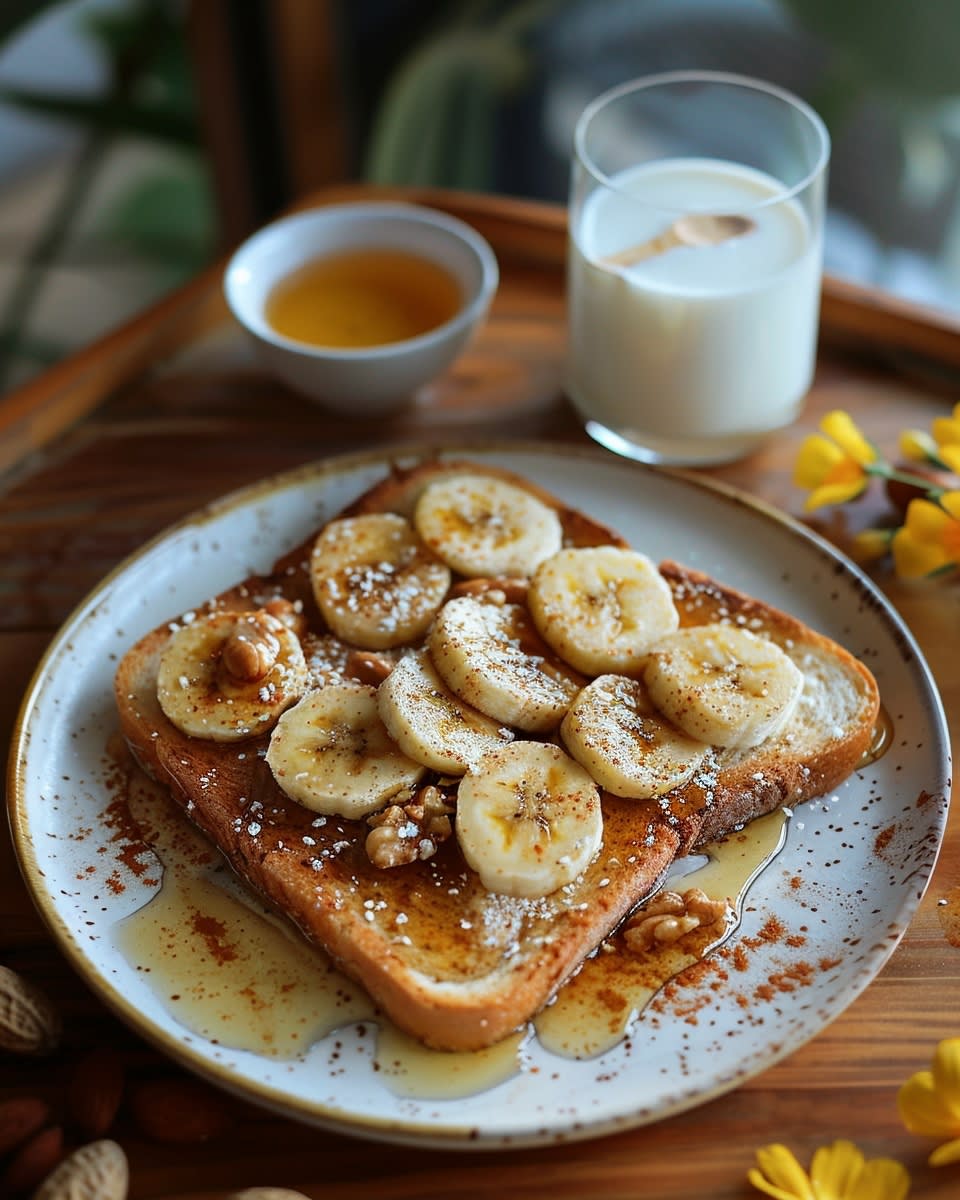
Why Toast with Peanut Butter and Banana Is My Go-To Breakfast
I’ll never forget the morning I was running late for work, threw together some toast with peanut butter and banana in about two minutes, and realized I’d stumbled onto breakfast gold. That simple combination kept me full until lunch and actually tasted amazing. No fancy ingredients. No complicated cooking. Just three everyday items that somehow create magic together.
This breakfast has become a staple in American kitchens for good reason. Walk into any coffee shop or diner, and you’ll likely spot someone enjoying this classic combo. It’s the kind of meal that works for everyone—from busy parents rushing kids to school to college students cramming for exams to fitness enthusiasts fueling their workouts.
The beauty of toast with peanut butter and banana lies in its simplicity and versatility. You get complex carbs from the bread, protein and healthy fats from the peanut butter, and natural sweetness plus essential vitamins from the banana. It’s a balanced meal that satisfies your hunger and supports your health goals. Plus, you can customize it endlessly based on your taste preferences and dietary needs.
The Simple Basics of Making Toast with Peanut Butter and Banana
Let’s talk about what you actually need to make this breakfast happen. The ingredient list is refreshingly short: bread, peanut butter, and a banana. That’s it. You probably already have these items in your kitchen right now.
For the bread, any variety works. Whole wheat gives you extra fiber. White bread offers a softer texture. Sourdough adds a tangy kick. Multigrain provides additional nutrients. I’ve tried them all, and honestly, they’re all delicious in their own way. Pick whatever you enjoy most or whatever’s in your pantry.
The peanut butter choice is equally flexible. Creamy spreads easily and creates a smooth texture. Chunky adds a satisfying crunch. Natural peanut butter with just peanuts and salt keeps things clean. Regular peanut butter with added ingredients tastes sweeter. I usually go for natural creamy because it feels healthier without sacrificing taste.
For bananas, ripeness matters. A slightly green banana will be firmer and less sweet. A banana with brown spots offers maximum sweetness and softer texture. I prefer mine with just a few brown speckles—sweet but still firm enough to slice neatly.
The preparation process takes about five minutes, even if you’re half asleep. Here’s what I do:
- Pop your bread in the toaster and set it to your preferred level of golden brown
- While the bread toasts, peel and slice your banana into thin rounds
- Once the toast pops up, spread peanut butter evenly across the warm surface
- Arrange banana slices on top of the peanut butter layer
- Enjoy immediately while the toast is still warm
The warm toast slightly melts the peanut butter, creating this incredible creamy layer that helps the banana slices stick. It’s a simple process that delivers consistent results every single time.
This breakfast saves me on hectic mornings. I can make it faster than I can order coffee at a drive-through. There’s no cooking required beyond toasting. No pots or pans to wash. Just a plate and a butter knife. When you’re rushing to get out the door, that convenience makes all the difference.
Understanding the Calories and Nutrition in Your Toast
Let’s get into the numbers because understanding toast with banana and peanut butter calories helps you make informed choices about your meals. The total calorie count varies based on portion sizes and specific products, but I’ll give you realistic averages.
A typical serving breaks down like this:
| Ingredient | Amount | Calories |
|---|---|---|
| Whole wheat bread | 2 slices | 160 calories |
| Peanut butter | 2 tablespoons | 190 calories |
| Banana | 1 medium | 105 calories |
| Total | 455 calories |
Those bread with peanut butter and banana calories provide substantial energy for your morning. If you’re watching your intake more closely, using one slice of toast instead of two drops the total to about 375 calories. Going lighter on the peanut butter—using one tablespoon instead of two—brings it down to around 360 calories.
The banana toast calories alone (just bread and banana without peanut butter) come in around 265 calories. But I wouldn’t recommend skipping the peanut butter because it provides crucial protein and healthy fats that keep you satisfied longer.
Looking at peanut butter on toast calories without the banana, you’re getting about 350 calories. The banana adds natural sweetness and important nutrients while only contributing about 105 calories. That’s a pretty good trade-off in my opinion.
Now let’s break down what these calories actually give you. This isn’t just empty energy. Each ingredient brings something valuable to the table.
The bread provides your carbohydrates, which fuel your brain and body. Whole wheat varieties offer around 30 grams of carbs per two slices, plus 6 grams of fiber and 8 grams of protein. That fiber keeps your digestive system happy and helps you feel full.
The peanut butter delivers protein and healthy fats. Two tablespoons contain about 8 grams of protein and 16 grams of fat (mostly unsaturated). These fats support brain function and hormone production. The protein helps build and repair your muscles. Peanut butter also provides vitamin E, magnesium, and potassium.
The banana brings natural sugars, fiber, and micronutrients. One medium banana has about 27 grams of carbs, 3 grams of fiber, and 1 gram of protein. Bananas are famous for their potassium content—about 422 milligrams per fruit. They also offer vitamin C, vitamin B6, and manganese.
When you combine everything, you get a balanced macronutrient profile that nutrition experts recommend. Your meal contains roughly:
- 55-60% carbohydrates for energy
- 15-20% protein for satiety and muscle support
- 25-30% healthy fats for sustained energy and nutrient absorption
This balance is why peanut butter and banana toast healthy options rank high on nutritionists’ breakfast lists. You’re not loading up on just carbs or just protein. You’re getting a well-rounded meal that covers multiple nutritional bases.
The combination also helps regulate your blood sugar. The fiber from the bread and banana slows down sugar absorption. The protein and fats from the peanut butter further stabilize your energy levels. You won’t experience that mid-morning crash that comes from eating sugary cereal or a pastry.
For those exploring peanut butter and banana toast weight loss options, this breakfast can definitely fit into your plan. The key is portion control and being mindful of your total daily calorie needs. At around 450 calories, this meal represents a reasonable breakfast that keeps you satisfied for hours. When you’re full and energized, you’re less likely to snack on unhealthy options before lunch.
Some people add honey for extra sweetness, creating peanut butter banana honey toast. One tablespoon of honey adds about 64 calories and 17 grams of sugar. If you’re counting calories closely, the banana already provides natural sweetness, so the honey isn’t necessary. But if you have the calorie budget and enjoy the taste, go for it.
The bottom line on nutrition? This banana and peanut butter healthy breakfast delivers solid fuel for your day without requiring a nutrition degree to prepare. You get quality carbs, adequate protein, healthy fats, fiber, vitamins, and minerals. That’s a win in my book.


Why This Simple Breakfast Is Actually a Powerhouse for Your Health
Beyond those numbers we just covered, there’s something deeper happening when you eat peanut butter and banana toast healthy meals regularly. I started noticing changes after making this my go-to breakfast for a month straight. My energy stayed consistent through morning meetings. I wasn’t grabbing random snacks from the office kitchen. My digestion improved. These weren’t coincidences—they were direct results of choosing better fuel.
The health benefits stack up in ways that honestly surprised me when I started researching. Bananas deliver a hefty dose of potassium, which most of us don’t get enough of. That mineral keeps your heart beating properly and your blood pressure in check. I have a friend who’s a nurse, and she always jokes that bananas are nature’s blood pressure medication. She’s not entirely wrong.
Vitamin B6 from bananas deserves more attention than it usually gets. This vitamin helps your body produce serotonin and norepinephrine—brain chemicals that regulate mood. Ever notice how a good breakfast makes you feel more optimistic about your day? That’s partly the B6 talking. Your body also uses it to create hemoglobin, which carries oxygen in your blood. Without enough B6, you’d feel exhausted constantly.
Here’s something interesting about peanut butter that I learned recently. It contains resveratrol, the same antioxidant found in red wine that everyone gets excited about. This compound fights inflammation and may protect against heart disease. Plus, peanut butter provides magnesium, which supports over 300 biochemical reactions in your body. When I’m stressed, I actually crave peanut butter, and now I know why—magnesium helps regulate your nervous system.
The vitamin E in peanut butter acts as a powerful antioxidant protecting your cells from damage. Your skin, eyes, and immune system all depend on adequate vitamin E. Two tablespoons give you about 15% of your daily requirement. Not bad for something that tastes like a treat.
By the way, the fiber content in this banana and peanut butter healthy breakfast is worth discussing beyond just feeling full. Fiber feeds the beneficial bacteria in your gut—your microbiome. These tiny organisms influence everything from your immune function to your mental health. When you eat enough fiber, you’re essentially nurturing an internal ecosystem that keeps you healthy. The combination of soluble fiber from bananas and the fiber in whole wheat bread creates an ideal environment for these good bacteria.
Funny enough, I used to think regularity was just something old people worried about. Then I hit my thirties and realized digestive health affects your entire quality of life. The fiber in this breakfast keeps things moving smoothly, if you know what I mean. No more sluggish mornings or uncomfortable afternoons. Just consistent, healthy digestion.
The resistant starch in slightly underripe bananas is fascinating. Your body can’t fully digest it, so it acts like fiber. This starch actually improves insulin sensitivity and may reduce your risk of type 2 diabetes. I try to use bananas that are still a bit firm for this reason. They’re less sweet, sure, but the health payoff seems worth it.
Making Peanut Butter and Banana Toast Work for Weight Loss Goals
Let’s address the elephant in the room—or should I say, the calories on the plate. Can you really eat peanut butter and banana toast weight loss style and still shed pounds? Absolutely, and I’ll explain how because this was a game-changer for me.
The secret isn’t eliminating this breakfast from your life. It’s understanding how protein and fiber work together to keep you satisfied. When I eat this for breakfast around 7 AM, I’m genuinely not hungry until noon or later. Compare that to when I used to grab a bagel or muffin—I’d be starving by 10 AM and reaching for whatever snacks I could find.
Protein from peanut butter triggers the release of hormones that signal fullness to your brain. It also has a higher thermic effect than carbs or fats, meaning your body burns more calories just digesting it. The fiber slows down digestion, creating this sustained release of energy rather than a spike and crash. Together, they’re like a tag team keeping your appetite under control.
Here’s the thing about weight loss that nobody wants to hear but everyone needs to understand—it’s not about perfection. It’s about consistency with meals that actually satisfy you. I’ve watched too many friends torture themselves with tiny portions of “diet food” that leave them miserable and eventually binging on junk. A properly portioned toast with peanut butter and banana keeps you full enough to make smart choices the rest of the day.
Portion control makes all the difference though. I measure my peanut butter now instead of just slathering it on. Two tablespoons looks smaller than you’d think if you’re used to eyeballing it. I use actual measuring spoons, and yes, I felt ridiculous at first. But that simple habit probably saves me 100 calories per breakfast. Over a month, that’s 3,000 calories—nearly a pound of fat.
Switching to natural peanut butter trimmed some calories for me too. The regular stuff often contains added sugars and hydrogenated oils. Natural versions with just peanuts and maybe salt cut out unnecessary additives while keeping all the good stuff. The oil separation annoyed me at first, but stirring takes like ten seconds. Small price to pay.
Whole grain bread instead of white bread adds more fiber and nutrients while keeping calories similar. The extra fiber means you’ll feel fuller longer. I actually prefer the nutty taste of whole grain now. White bread tastes weirdly sweet and bland to me these days. Your taste buds adapt faster than you’d expect.
If you’re serious about weight loss, consider the single-slice approach. One thick slice of artisan whole grain bread with your toppings comes in around 375 calories but still feels substantial. Pair it with hard boiled eggs for breakfast on the side if you need more protein and volume without many extra calories.
Some mornings I’ll have this toast alongside a smoothie with frozen berries for extra nutrients and volume. The liquid from the smoothie helps you feel even more satisfied. Just watch your total calorie intake across both items.
Creative Ways to Upgrade Your Toast Game
Once you’ve mastered the basics, experimentation becomes the fun part. I’ve probably tried fifty variations by now, and some were definite winners while others… well, let’s just say not everything needs Greek yogurt on it.
Sourdough bread completely transforms this breakfast. The tangy flavor plays beautifully with sweet banana and rich peanut butter. Plus, sourdough’s fermentation process makes it easier to digest and may even lower its glycemic index. I discovered a local bakery that makes incredible whole grain sourdough, and now I’m spoiled for regular bread.
Rye bread offers this earthy, slightly sour taste that pairs surprisingly well with peanut butter. It’s dense and filling, so one slice often satisfies me as much as two slices of regular bread. The strong flavor isn’t for everyone, but I’ve grown to love it. Reminds me of breakfasts at my grandmother’s house.
Ezekiel bread or other sprouted grain options pack even more nutrients than standard whole wheat. They’re made from whole grains that have begun sprouting, which increases vitamin content and makes minerals more bioavailable. They taste slightly sweet and have this satisfying chewiness. Fair warning though—they’re pricier than regular bread.
For toppings beyond the basics, cinnamon ranks as my number one addition. Just a sprinkle adds warmth and actually helps regulate blood sugar. It makes the whole thing taste almost dessert-like without adding calories. I keep a small shaker of cinnamon next to my toaster now.
Honey drizzled on top creates peanut butter banana honey toast that tastes absolutely indulgent. A teaspoon adds about 21 calories but takes the sweetness to another level. Raw honey brings potential antimicrobial benefits too. Just remember those extra calories if you’re tracking—the peanut butter banana honey toast calories climb to around 475 for the full meal.
Chia seeds scattered on top add omega-3 fatty acids, extra fiber, and a pleasant crunch. They’re tiny but mighty. Two teaspoons add about 40 calories but also 4 grams of fiber and 2 grams of protein. They don’t have much flavor, so they won’t mess with your taste experience.
Hemp hearts offer similar benefits with a slightly nutty taste. They’re rich in complete protein and healthy fats. I alternate between chia seeds and hemp hearts depending on what’s in my pantry. Sometimes I use both because why not?
Sliced strawberries alongside the banana add vitamin C and beautiful color. Blueberries bring antioxidants. Thin apple slices provide extra crunch. I’ve mixed banana with pretty much every fruit imaginable. Most combinations work, though banana and orange together was… not my favorite. Too much competing sweetness.
Almond butter or cashew butter instead of peanut butter changes the entire flavor profile while maintaining similar nutrition. Almond butter tastes lighter and slightly sweeter. Cashew butter is incredibly creamy with an almost buttery flavor. Both cost more than peanut butter, so I save them for weekends when I want something special.
A light spread of cream cheese under the peanut butter sounds weird but trust me on this. The tanginess cuts through the richness. I learned this combination from a diner in Brooklyn, and it’s been part of my rotation ever since. Obviously, this adds calories, so save it for days when you have room in your budget.
Dark chocolate chips melted slightly into warm toast? Absolutely yes. This ventures into dessert territory, but for weekend mornings or post-workout treats, it hits different. A tablespoon of chocolate chips adds about 70 calories but also joy, which I maintain has nutritional value.
Coconut flakes toasted lightly bring tropical vibes. Pumpkin seeds add magnesium and zinc. Sliced almonds provide extra crunch and vitamin E. Seriously, your toast can become a canvas for whatever sounds good that morning.
If you want something completely different, try mashing the banana instead of slicing it. Mix it with a bit of cinnamon and spread it like jam. The texture changes entirely, becoming almost like banana bread spread. Kids especially seem to love this version.
Sometimes I’ll have this as lunch instead of breakfast, paired with oatmeal with cinnamon and honey for a cozy meal on cold days. Or I’ll make it as an afternoon snack before the gym. There’s no rule that says this only works at 7 AM.
For those wanting more protein without more peanut butter, a side of scrambled eggs works perfectly. Or check out a breakfast wrap with egg and cheese to complete your morning spread. The toast provides carbs and healthy fats while eggs deliver protein and additional nutrients.
The beauty of this meal is its flexibility. You can keep it simple on rushed mornings or make it elaborate when you have time. Either way, you’re starting your day with real food that nourishes your body and actually tastes good. No sad diet meals. No deprivation. Just delicious fuel that happens to be healthy.


Your Top Questions About Toast with Peanut Butter and Banana Answered
Over the years of making this breakfast, I’ve gotten so many questions from friends, family, and even random people at the grocery store who spot my cart full of bananas and peanut butter. So let me tackle the questions that come up most often because chances are, you’re wondering about some of these too.
How many calories are in toast with peanut butter and banana?
The standard version with two slices of whole wheat bread, two tablespoons of peanut butter, and one medium banana contains approximately 455 calories. That number shifts based on your choices though. Using one slice instead of two drops you to around 375 calories. Going with one tablespoon of peanut butter brings it down to about 360 calories. White bread versus whole wheat doesn’t change calories much, maybe 10-20 calories difference. The banana size matters too—a large banana adds about 120 calories while a small one contributes roughly 90 calories. Honestly, I stopped obsessing over every single calorie once I realized this breakfast keeps me satisfied for hours, which prevents those mid-morning snack attacks that used to derail my eating.
Is peanut butter and banana toast good for weight loss?
Absolutely, as long as it fits within your daily calorie goals. I’ve maintained a fifteen-pound weight loss for two years while eating this regularly. The combination of protein, healthy fats, and fiber creates lasting satiety that prevents overeating later in the day. The key is controlling portions—measuring your peanut butter instead of eyeballing it makes a huge difference. This breakfast provides balanced energy that supports your metabolism rather than spiking blood sugar like sugary cereals or pastries do. The sustained fullness means you’re less likely to reach for office donuts or vending machine snacks. Just remember that no single food causes weight loss—your overall calorie balance throughout the day determines that. But this toast definitely supports weight management better than most breakfast options.
What are the health benefits of eating peanut butter and banana toast?
Beyond keeping you full, this combination delivers impressive nutritional benefits. The potassium from bananas supports heart health and blood pressure regulation. Vitamin B6 helps produce mood-regulating brain chemicals. Peanut butter provides magnesium for over 300 body processes, plus vitamin E for immune function and skin health. The fiber feeds beneficial gut bacteria that influence everything from digestion to mental health. Whole grain bread adds B vitamins and selenium. The healthy fats help your body absorb fat-soluble vitamins. I noticed my energy levels became more consistent after making this my regular breakfast—no more mid-morning crashes. My digestion improved noticeably too, though that’s probably more information than you wanted.
Can I use different types of bread for this toast?
Yes, and experimenting with bread varieties keeps things interesting. Whole wheat offers extra fiber. Sourdough adds tangy flavor and may be easier to digest due to fermentation. Rye provides earthy taste and dense texture. Ezekiel or sprouted grain breads pack more nutrients since sprouting increases vitamin availability. White bread works fine if that’s what you prefer or have available. Gluten-free bread accommodates dietary restrictions. I’ve even used English muffins or bagel thins successfully. The bread serves as your base, so choose whatever makes you happy and fits your nutritional goals. My current favorite is a seeded whole grain sourdough from a local bakery—costs more but tastes incredible. On budget weeks, regular whole wheat works just fine.
Are there any low-calorie alternatives to regular peanut butter?
Powdered peanut butter (like PB2) slashes calories dramatically—about 50 calories for two tablespoons versus 190 for regular peanut butter. You mix the powder with water to create a spread. The trade-off is reduced healthy fats, which means less satiety and fewer fat-soluble vitamin benefits. I’ve tried it and found myself hungry sooner. Almond butter and cashew butter have similar calorie counts to peanut butter, so they’re not really alternatives if calories are your concern. Some brands make “light” peanut butter with added fillers, but I’d rather eat less of the real thing than more of a processed version. My best advice? Use regular natural peanut butter but measure carefully. Two tablespoons provides satisfying richness. Going lighter usually backfires because you end up snacking later.
How can I make this toast more filling and satisfying?
Adding protein beyond what the peanut butter provides works wonders. A side of scrambled eggs bumps your protein significantly. Greek yogurt on the side adds creaminess plus probiotics. Hemp hearts sprinkled on top contribute complete protein and healthy fats without much volume. Increasing fiber helps too—chia seeds add substantial fiber and omega-3s. Using thicker bread slices creates more substantial texture. Sometimes I’ll make open-faced toasts using both slices separately, which psychologically feels like more food. Drinking a full glass of water with your meal increases stomach fullness. Eating slowly and mindfully rather than scarfing it down while checking your phone makes a difference too. Your brain needs about twenty minutes to register fullness, so taking your time lets those satiety signals kick in properly.
What are some other healthy toppings I can add to my toast?
Fresh berries like strawberries, blueberries, or raspberries add antioxidants and vitamin C without many calories. Sliced apples or pears provide extra crunch and fiber. A drizzle of honey or maple syrup adds natural sweetness if bananas alone aren’t sweet enough for you. Unsweetened coconut flakes bring tropical flavor and texture. Chopped nuts like walnuts or almonds contribute omega-3s and additional healthy fats. A sprinkle of cinnamon or pumpkin pie spice adds warmth without calories. Dark chocolate chips make it feel indulgent while providing antioxidants. Flax seeds ground fresh offer omega-3s that support brain health. I sometimes add a thin layer of ricotta cheese underneath the peanut butter for extra protein and creaminess. The USDA provides excellent guidance on food preservation techniques if you want to buy berries in bulk during peak season and freeze them for year-round use on your toast.
Is it better to eat this toast in the morning or as a snack?
Both work perfectly depending on your schedule and hunger patterns. As breakfast, it provides sustained energy that carries you through the morning. The carbs fuel your brain for focus and decision-making. As a pre-workout snack, it offers quick energy from the banana plus sustained fuel from the fats and protein. Post-workout, it helps replenish glycogen stores and provides protein for muscle recovery. As an afternoon snack, it prevents that 3 PM energy crash that sends people to the vending machine. I eat it for breakfast probably four days a week, but on gym days I sometimes have it two hours before my workout instead. Listen to your body and fit it into whatever time slot serves your energy needs best. There’s no magical window that makes this more or less effective.
How does this toast compare to other breakfast options in terms of nutrition?
Compared to sugary cereals, this toast provides more protein, healthy fats, and fiber while typically containing similar or fewer calories. Cereal gives you a quick sugar rush followed by a crash, while this toast sustains energy for hours. Against breakfast sandwiches from fast food places, this homemade option usually contains less sodium, fewer processed ingredients, and comparable calories. Pastries and muffins might taste good but offer minimal protein and tons of sugar—you’ll be starving within two hours. Yogurt parfaits can be healthy but often contain shocking amounts of added sugar in the granola and flavored yogurt. Egg-based breakfasts provide more protein but less carbohydrate energy, which some people need for morning activities. For a well-rounded collection of morning meals that match this nutrition profile, exploring more easy breakfast ideas gives you variety while maintaining solid nutritional standards throughout your week.
Can I make this toast ahead of time and store it for later?
Unfortunately, this is one meal that really works best fresh. Toast loses its pleasant texture when stored, becoming either soggy or stale depending on storage conditions. The banana slices oxidize and turn brown within a couple hours, which doesn’t affect nutrition but looks unappetizing. Peanut butter can make the bread soggy if it sits too long. That said, you can prep components ahead. Slice bananas and toss them with a tiny bit of lemon juice to slow browning, storing them in an airtight container in the fridge. Pre-portion peanut butter into small containers so you just grab and spread. Keep your bread in the freezer and toast slices directly from frozen—takes maybe thirty extra seconds. The actual assembly still needs to happen right before eating, but having components ready speeds the process. Honestly though, this meal is so quick to make fresh that prepping ahead barely saves time.
Here’s the thing about making toast with peanut butter and banana part of your routine—it’s forgiving. You don’t need to follow a recipe precisely. You won’t ruin it if you use slightly different amounts or swap ingredients. Some days I’m heavy-handed with the peanut butter because I’m extra hungry. Other mornings I use half a banana because that’s what’s left. It still works. This flexibility makes it sustainable long-term, which matters more than perfection.
I’ve watched friends try complicated breakfast meal prep routines that they abandon within weeks because the effort doesn’t match the payoff. This toast requires minimal effort yet delivers maximum nutrition and satisfaction. That combination keeps you coming back, which is ultimately what creates healthy habits.
The cultural staying power of this combination tells you something too. People have been pairing peanut butter and banana since the early 1900s. Elvis Presley famously loved his peanut butter and banana sandwiches (though he added bacon and grilled his). The fact that this pairing has survived generations suggests we’re onto something fundamentally delicious and satisfying. Sometimes simple classics beat trendy superfoods.
Your taste preferences might evolve over time like mine did. I started with white bread and sugary peanut butter because that’s what I grew up eating. Gradually I switched to whole wheat and natural peanut butter. Now I’m all about that seeded sourdough life. The transition happened naturally as my palate developed. Don’t force yourself to eat the “healthiest” version if you genuinely dislike it. Start where you are and make small improvements when they feel right.
One last thing I’ll mention—this breakfast has become a small ritual that brings me genuine pleasure on hectic mornings. Taking five minutes to make something nourishing for myself, even when I’m rushing, feels like an act of self-care. The smell of toast, the ritual of spreading peanut butter just right, arranging banana slices in neat rows—these tiny moments create calm before the chaos of the day begins. Maybe that sounds overly sentimental about toast, but it’s true. Food is more than just fuel. It’s also comfort, routine, and sometimes a little bit of joy.
So whether you’re looking for efficient fuel, working on weight goals, or just want something that tastes good and happens to be nutritious, this combination delivers. Make it your own. Experiment. Find your perfect version. Then enjoy the fact that you’ve discovered a breakfast that checks basically every box—quick, affordable, delicious, nutritious, and endlessly adaptable. That’s a win worth celebrating.
Give toast with peanut butter and banana a shot tomorrow morning, even if you’re skeptical. Pay attention to how you feel two hours later compared to your usual breakfast. Notice your energy levels, your hunger, your mood. Let your own experience guide you. And if you discover a variation that becomes your new favorite, I’d genuinely love to hear about it. The beauty of food is that we’re all constantly learning from each other, trading tips and tricks that make everyday meals a little bit better.
Ingredients
Equipment
Method
- Pop your bread in the toaster and set it to your preferred level of golden brown.
- While the bread toasts, peel and slice your banana into thin rounds.
- Once the toast pops up, spread peanut butter evenly across the warm surface.
- Arrange banana slices on top of the peanut butter layer.
- Enjoy immediately while the toast is still warm.