
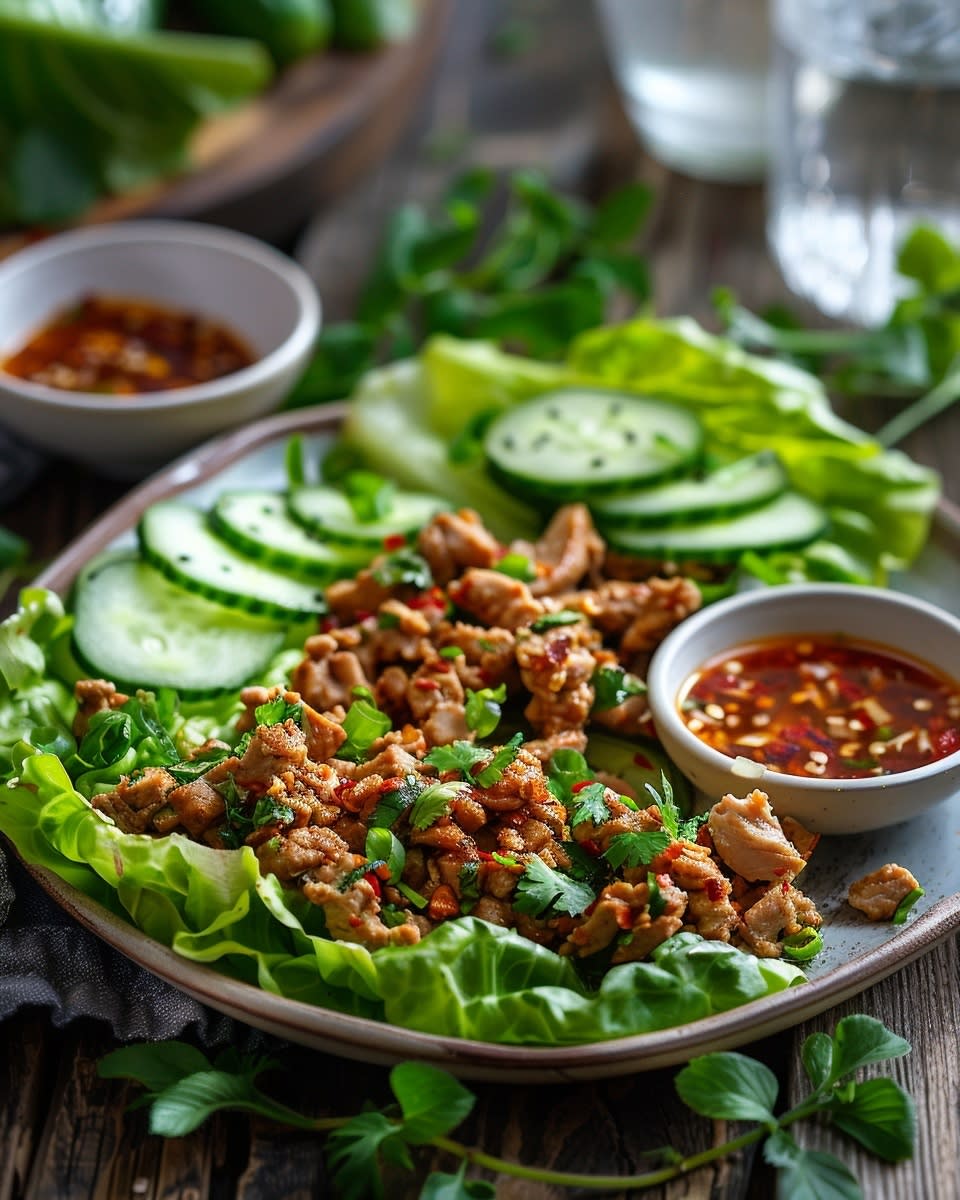
I still remember the first time I swapped out a heavy tortilla wrap for crisp lettuce leaves. That crunch changed everything. My lunch went from feeling like a food coma waiting to happen to something light and energizing. I could actually focus during my afternoon meetings instead of fighting off the urge to nap at my desk.
Welcome to my kitchen, where today we’re talking all about turkey lettuce wraps. These little bundles of joy have become my go-to meal when I want something satisfying but won’t leave me feeling stuffed. Whether you’re counting calories, following a specific eating plan, or just trying to add more vegetables to your day, these wraps deliver on every front.
I love turkey lettuce wraps because they’re basically a blank canvas. You can dress them up with bold Asian flavors, keep them simple with just a few ingredients, or turn them into a fancy appetizer for guests. They work for meal prep, quick weeknight dinners, or those days when you need lunch in under 15 minutes. Plus, my kids actually eat them without complaining, which feels like a small miracle.
What Are Turkey Lettuce Wraps?
Let’s break down what makes turkey lettuce wraps so special. At their core, they’re a simple concept. You take seasoned turkey, wrap it in fresh lettuce leaves, and add whatever toppings make your taste buds happy. Instead of bread or tortillas, the lettuce becomes your vessel. It’s crunchy, fresh, and adds basically zero calories to your meal.
The beauty of this dish lies in its flexibility. You can use ground turkey, diced deli turkey, or even leftover roasted turkey from last night’s dinner. The lettuce acts as both plate and utensil, making these wraps completely portable and fun to eat.
Here’s what makes turkey lettuce wraps stand out as a healthy choice:
- They pack protein without extra carbs from bread
- You get a serving of vegetables built right into the meal
- They keep you full without that heavy, sluggish feeling
- They’re naturally gluten-free and grain-free
- You can control exactly what goes into them
For anyone following ground turkey lettuce wraps keto style, these are perfect. They fit right into a low-carb lifestyle without any modifications needed. The same goes for ground turkey lettuce wraps paleo – just skip any dairy or processed ingredients and you’re good to go. People watching their weight love them too because turkey lettuce wraps calories stay impressively low while still delivering flavor and satisfaction.
The flavor profiles can take you on a culinary trip around the world. Korean turkey lettuce wraps bring sweet and savory notes with gochujang paste, sesame oil, and a touch of honey. Thai turkey lettuce wraps home chef versions lean into lime juice, fish sauce, and fresh herbs like cilantro and mint. You can also keep things simple with just garlic, ginger, and soy sauce for a basic Asian-inspired version.
Each style brings something different to the table. The Korean version gives you that addictive sweet-spicy-umami combination. Thai versions are bright and herbaceous with a citrus kick. Some people prefer a more American take with taco seasonings or buffalo sauce. The point is, you can never get bored with this recipe.
Ground Turkey Lettuce Wraps – Cooking Light and SkinnyTaste
Ground turkey is where most people start with this recipe, and for good reason. It’s a lean protein that cooks quickly and absorbs flavors beautifully. When I switched from ground beef to ground turkey in most of my recipes, I noticed my energy levels stayed more consistent throughout the day.
The ground turkey lettuce wraps cooking light approach focuses on keeping everything fresh and simple. This style typically uses 93% or 99% lean ground turkey to keep fat content minimal. You’ll see recipes that emphasize vegetables, bright seasonings, and quick cooking methods. The goal is maximum flavor with minimal calories and fat.
Turkey lettuce wraps skinnytaste recipes have become incredibly popular for a reason. Gina, the creator of SkinnyTaste, has mastered the art of making healthy food taste indulgent. Her approach usually includes:
- Building layers of flavor with aromatics like garlic and ginger
- Using just enough sauce to coat everything without drowning it
- Adding crunch with water chestnuts or carrots
- Balancing salty, sweet, and tangy elements
- Keeping prep time under 30 minutes
For a basic ground turkey version, you’ll need these key ingredients. Start with one pound of lean ground turkey – this gives you about four servings. Grab some butter lettuce or romaine hearts for your wraps. The butter lettuce cups are my favorite because they’re naturally shaped like little bowls and have a mild flavor that doesn’t compete with your filling.
Your flavor base typically includes fresh garlic, ginger, and green onions. These aromatics are non-negotiable if you want that authentic Asian-inspired taste. For the sauce, you’ll mix soy sauce, rice vinegar, sesame oil, and a touch of honey or coconut sugar. Some recipes add hoisin sauce for extra depth.
Water chestnuts are the secret ingredient many people overlook. They add a satisfying crunch that contrasts perfectly with the soft turkey. I dice them small so you get little pockets of texture in every bite. Shredded carrots add color and a hint of sweetness.
The cooking process for simple ground turkey lettuce wraps couldn’t be easier. Heat a large skillet over medium-high heat. Add your ground turkey and break it up as it cooks. This takes about 5-7 minutes. Once it’s browned, push it to the side and add your garlic and ginger to the empty space. Let those cook for about 30 seconds until they smell amazing.
Mix everything together and add your vegetables. Pour in your sauce and let it simmer for 2-3 minutes until it thickens slightly. The whole cooking process takes less time than ordering takeout. When it comes to ground turkey lettuce wraps calories, you’re looking at roughly 200-250 calories per serving, depending on your exact ingredients and portion sizes.
For deli turkey lettuce wraps, the approach is even simpler. You skip the cooking entirely. Just layer sliced turkey breast with cheese, tomatoes, and whatever else sounds good. Roll it up in lettuce leaves and you have lunch in 5 minutes. These are perfect for meal prep because you can make several at once and grab them throughout the week.
The best lettuces for wrapping are butter lettuce, romaine hearts, or iceberg. Butter lettuce is soft and pliable. Romaine gives you structure and a satisfying crunch. Iceberg is sturdy and holds lots of filling without tearing. I usually keep all three types in my fridge so I can pick based on my mood.


Deli Turkey Lettuce Wraps – Quick and Easy
While cooking ground turkey has its perks, sometimes you just don’t want to dirty a pan or turn on the stove. That’s where deli turkey lettuce wraps become your best friend.
I discovered the magic of deli turkey lettuce wraps during a particularly hectic week when I had back-to-back Zoom calls and zero time for actual cooking. I grabbed some deli turkey from my fridge, threw together a few toppings, and wrapped everything in lettuce. Ten minutes later, I had lunch. My productivity didn’t take a hit, and I didn’t resort to eating chips straight from the bag like I might have otherwise.
The beauty of deli turkey lettuce wraps lies in their simplicity. You’re essentially building a sandwich without the bread. Start with quality deli turkey breast – I look for the kind with minimal processing and low sodium content. The ingredient list should be short. Turkey, water, salt, maybe a few natural flavors. If you see a bunch of chemicals you can’t pronounce, keep looking.
For assembly, lay out your lettuce leaf first. Romaine works great here because it’s sturdy enough to hold everything without flopping over. Add two or three slices of turkey, then start layering your favorite additions. I usually go with sliced avocado, tomato, cucumber, and a thin smear of mustard or hummus. Sometimes I add a slice of cheese if I’m feeling indulgent.
Here’s the thing about these wraps – they’re incredibly forgiving. You can basically raid your fridge and use whatever needs to be eaten. That half a bell pepper sitting in your crisper drawer? Slice it thin and throw it in. Leftover roasted vegetables? Perfect addition. The crunch from fresh veggies combined with the protein from turkey creates a satisfying texture that keeps you full for hours.
Nutritionally speaking, deli turkey lettuce wraps fit beautifully into a balanced diet. You’re getting lean protein from the turkey, healthy fats if you add avocado or a spread, and fiber plus vitamins from the lettuce and vegetables. A typical wrap made with three ounces of turkey and plenty of veggies comes in around 150-200 calories, depending on your additions. Compare that to a regular turkey sandwich on bread, which easily hits 400-500 calories once you factor in mayo and cheese.
I pack these for my kids’ lunches too. They think eating with their hands is fun, and I’m secretly thrilled they’re consuming vegetables without complaint. Sometimes I’ll add a small container of ranch dressing on the side for dipping, which makes them even more appealing to younger eaters. If you’re looking for other quick, healthy meal ideas, you might also enjoy kale and chickpea salad for a plant-based protein option that’s equally portable.
Keto and Paleo-Friendly Ground Turkey Lettuce Wraps
Funny enough, I didn’t realize I was eating keto-friendly meals half the time until a friend pointed it out. Ground turkey lettuce wraps naturally align with both keto and paleo eating styles, which makes them perfect if you’re following either approach.
For ground turkey lettuce wraps keto style, the main focus is keeping carbs extremely low while maintaining moderate protein and higher fat content. The lettuce and turkey already check those boxes. Where you need to pay attention is with your sauce ingredients. Traditional recipes might call for honey or sugar, but you can easily swap those out for keto-friendly sweeteners like monk fruit or erythritol. A tiny amount goes a long way in balancing the salty-savory flavors.
I’ve found that adding extra healthy fats makes the keto version more satisfying. Drizzle some sesame oil over your finished wraps. Mix in diced avocado with your turkey mixture. Top everything with crushed macadamia nuts or almonds for added crunch and fat content. These small additions keep you in ketosis while making the meal more filling.
The ground turkey lettuce wraps paleo version requires slightly different modifications. Paleo eating eliminates grains, dairy, legumes, and processed ingredients. Most basic turkey lettuce wrap recipes already avoid grains, so you’re halfway there. The tricky part is the sauce. Regular soy sauce contains wheat, so you’ll want to use coconut aminos instead. They taste remarkably similar but are completely paleo-compliant.
Skip any cheese toppings and avoid hoisin sauce, which typically contains sugar and additives. Instead, build flavor with fresh herbs, lime juice, and compliant hot sauces. I make a simple paleo-friendly sauce by whisking together coconut aminos, apple cider vinegar, fresh ginger, garlic, and a splash of fish sauce. It hits all those umami notes without breaking any paleo rules.
Maintaining flavor while following dietary restrictions isn’t as hard as it sounds. The secret is layering multiple flavor elements. When I make korean turkey lettuce wraps for my keto-following neighbor, I use gochugaru (Korean red pepper flakes) for heat, coconut aminos for saltiness, rice vinegar for tang, and a keto sweetener for balance. The result tastes just as complex and satisfying as the original version.
One trick I’ve learned is to slightly increase the fat content when cooking the turkey for keto versions. Instead of using the leanest ground turkey, go for 93% lean instead of 99%. That extra bit of fat carries flavor better and helps with satiety. You can also cook your aromatics in a tablespoon of avocado oil or ghee before adding the turkey, which adds richness without carbs. Much like how grilled salmon with quinoa balances protein and healthy fats, these wraps can be adjusted to meet your macronutrient needs.
For both keto and paleo eating, the vegetable additions matter too. Water chestnuts are fine for keto but might be questioned by strict paleo followers due to their higher starch content. Stick with bell peppers, mushrooms, and leafy greens if you want to play it safe. Cauliflower rice makes an excellent addition that works for both dietary approaches and adds bulk without many carbs.
Counting Calories? Here’s What You Need to Know
Let’s talk numbers, because understanding ground turkey lettuce wraps calories helps you make informed choices about your meals.
A standard serving of ground turkey lettuce wraps made with four ounces of 93% lean ground turkey, vegetables, and a light sauce typically contains between 220-280 calories. That’s remarkably low for a meal that actually fills you up. By comparison, a similar serving of beef tacos with flour tortillas would set you back around 450-500 calories, and that’s before adding cheese and sour cream.
Breaking down the calorie content by component helps you see where everything comes from. Four ounces of cooked ground turkey provides roughly 180-200 calories and 22 grams of protein. The lettuce adds basically nothing – maybe 10 calories for several large leaves. Your vegetable additions like water chestnuts, carrots, and mushrooms contribute another 30-40 calories. The sauce is where calories can creep up if you’re not careful, adding anywhere from 50-100 calories depending on ingredients and quantity.
By the way, if you’re trying to keep things even lighter, you can make simple ground turkey lettuce wraps with minimal sauce. Just season the turkey well with garlic powder, ginger, salt, and pepper while cooking. Add a squeeze of lime juice at the end. You’ll cut another 50-75 calories per serving this way. I do this when I’m being extra mindful about my intake, and honestly, the wraps still taste great.
Portion control with these wraps is pretty intuitive. One pound of ground turkey typically yields four servings. That’s a quarter pound of cooked turkey per person, which alongside all the vegetables provides plenty of volume. If you’re particularly hungry, you can increase your serving size to five or six ounces of turkey and still stay under 350 calories for the entire meal.
Pairing these wraps with low-calorie sides creates a complete meal without overdoing it. I often serve mine with a small portion of cauliflower rice (about 25 calories per cup) or a simple cucumber salad dressed with rice vinegar (maybe 30 calories). Some steamed edamame on the side adds plant-based protein and fiber while keeping things under 100 additional calories. Similar to how a chicken buddha bowl with veggies offers a balanced, colorful meal, you can round out your lettuce wraps with complementary sides.
What really stands out about turkey lettuce wraps calories is the protein-to-calorie ratio. You’re getting substantial protein without the caloric density of fattier meats or the empty carbs from wraps and tortillas. This makes them ideal for anyone trying to lose weight while maintaining muscle mass. The high protein content also means you’ll feel satisfied longer, reducing the temptation to snack between meals.
For thai turkey lettuce wraps home chef versions, the calorie count stays similarly reasonable. The addition of fresh herbs, lime juice, and a light peanut sauce might add 50-75 calories, bringing your total to around 300 calories per serving. That’s still incredibly reasonable for a flavorful, restaurant-quality meal you made at home.
One comparison I find helpful is looking at lettuce wraps versus similar protein-based meals. A chicken stir-fry with rice runs about 450-550 calories. A salmon fillet with roasted vegetables hits around 400-450 calories (though if you want that zucchini noodles with pesto offer an even lighter alternative to traditional pasta dishes). A typical burger with a bun easily exceeds 600 calories. Turkey lettuce wraps consistently come in well below these options while still providing complete nutrition and satisfaction.


International Flavors: Korean and Thai Turkey Lettuce Wraps
Here’s where things get really exciting. Once you’ve mastered the basic turkey lettuce wrap formula, taking a detour into Korean and Thai flavors feels like upgrading from economy to first class. The foundation stays the same, but these international versions transport your taste buds somewhere completely different.
I got hooked on Korean turkey lettuce wraps after trying bulgogi at a friend’s house. That combination of sweet, savory, and spicy made me rethink everything I knew about ground meat. When I adapted those flavors for turkey instead of beef, I honestly couldn’t tell much difference. The sauce does so much heavy lifting that the lean turkey becomes this perfect canvas for bold flavors.
Korean-style wraps rely on a few signature ingredients that create that distinctive taste. Gochujang is your star player here – it’s a fermented red chili paste that brings heat, sweetness, and funk all at once. You can find it at most grocery stores now, usually in the international aisle. A little goes a long way. I use about two tablespoons for a pound of turkey, but you can adjust based on your heat tolerance.
Sesame oil is non-negotiable for authentic Korean flavor. Just a teaspoon or two added at the end of cooking makes everything smell amazing and adds that nutty richness. Fresh garlic and ginger are still important, but I use more garlic in Korean versions than I do in basic recipes. Soy sauce or coconut aminos provides the salty backbone, and a touch of rice vinegar adds brightness to cut through the richness.
The sweet element traditionally comes from sugar, but I use honey or maple syrup instead. About a tablespoon balances the heat from the gochujang perfectly. Some people add grated pear, which is traditional in Korean marinades and adds natural sweetness plus enzymes that tenderize meat. I’ve tried it both ways and honestly, the pear version is slightly better if you have one lying around.
Here’s my process for korean turkey lettuce wraps: Brown your ground turkey first, breaking it into small crumbles. While that’s cooking, whisk together your sauce in a small bowl – gochujang, soy sauce, honey, rice vinegar, minced garlic, and grated ginger. Once the turkey is cooked through, add diced shiitake mushrooms if you have them. They bring an earthy flavor that works beautifully with Korean seasonings.
Pour the sauce over everything and let it simmer for about five minutes until it thickens and coats the meat. Right before serving, stir in sliced green onions, sesame seeds, and that drizzle of sesame oil. The smell at this point is intoxicating. Serve it in butter lettuce cups with extra green onions, sesame seeds, and maybe some kimchi on the side if you’re feeling adventurous.
Thai turkey lettuce wraps take you in a completely different direction. Instead of sweet and spicy, you’re going for bright, herbaceous, and tangy. The flavors are lighter but equally complex. This is my summer version because all those fresh herbs feel perfect on a hot day.
For Thai-style wraps, fish sauce becomes your secret weapon. I know it sounds intimidating if you’ve never used it, but it adds this savory depth that you just can’t get any other way. You only need a tablespoon or two – enough to add umami without making everything taste fishy. Lime juice is equally important. I use the juice from two whole limes for one pound of turkey, plus extra wedges for serving.
Fresh herbs are what really make Thai versions special. Cilantro, mint, and Thai basil if you can find it. I roughly chop a huge handful of mixed herbs and stir half into the cooked turkey, then use the rest as a topping. The herbs stay fresh and vibrant instead of getting cooked down to nothing. Some finely sliced red onion or shallots add a sharp bite that wakes everything up.
For heat in Thai versions, I use fresh chilies rather than paste. A couple of Thai bird’s eye chilies minced up bring clean, bright heat that’s different from the fermented spice of gochujang. If those are too intense or hard to find, a jalapeño works fine. Remove the seeds if you’re heat-sensitive.
The thai turkey lettuce wraps home chef approach often includes a simple peanut sauce for drizzling or dipping. I make mine by whisking together peanut butter, lime juice, coconut aminos, a touch of honey, and some water to thin it out. Sometimes I add a bit of grated ginger or a tiny splash of fish sauce. It takes maybe three minutes and makes everything taste like you ordered from a restaurant.
Here’s my step-by-step for Thai-style wraps: Cook your ground turkey with minced garlic and fresh ginger. Add some diced bell peppers for sweetness and crunch. Once everything’s cooked, remove from heat and stir in your fish sauce, lime juice, and a tiny bit of honey or coconut sugar. The residual heat will warm the sauce without cooking it, which keeps those bright flavors intact.
Let it cool slightly, then fold in your fresh herbs, sliced chilies, and some crushed peanuts for texture. Serve in lettuce cups with extra herbs, lime wedges, and that peanut sauce on the side. Sometimes I add thin rice noodles if I want to make it more filling, though that obviously adds carbs if you’re watching those.
One thing I’ve learned from making both versions regularly is that the quality of your ingredients matters more with these international flavors. Fresh garlic and ginger beat the jarred stuff every time. Real fish sauce from an Asian market tastes better than whatever random bottle your regular grocery store carries. Fresh herbs instead of dried make or break the Thai version.
By the way, both Korean and Thai versions work great for meal prep, though I handle the herbs differently. For Korean wraps, everything can be made ahead and reheated without losing much. For Thai wraps, I cook the turkey mixture ahead but keep the fresh herbs separate until serving time. That way they stay bright and don’t get wilted and sad in the fridge.
The spice levels in both versions are completely adjustable. My kids eat toned-down versions of these with way less gochujang or fresh chilies. I make mine spicier by adding extra heat at the table with sriracha or chili oil. Everyone’s happy.
One trick for authentic flavor without buying tons of specialty ingredients is using pre-made sauces strategically. A good Korean BBQ sauce can stand in for homemade gochujang sauce in a pinch. Thai sweet chili sauce works as a shortcut for Thai versions. Just read the labels and pick options without too much added sugar or weird ingredients, especially if you’re concerned about preventing foodborne illness through proper ingredient storage and handling.
The international variations prove that turkey lettuce wraps never have to be boring. You can literally eat them every week and never get tired if you rotate through different flavor profiles. Monday might be Korean, Wednesday could be Thai, and Friday you’re back to simple garlic-ginger style. Each version brings something different while maintaining that same healthy, light quality that makes lettuce wraps so appealing in the first place.
Frequently Asked Questions About Turkey Lettuce Wraps
Can I use other types of meat for lettuce wraps?
Absolutely! Ground chicken works almost identically to turkey and absorbs flavors just as well. Ground pork creates richer, slightly fattier wraps that taste amazing with Asian seasonings. Lean ground beef can substitute in a pinch, though it changes the flavor profile. I’ve even made vegetarian versions with crumbled tofu or tempeh that turned out surprisingly good. Leftover rotisserie chicken shredded up makes fantastic quick wraps too. The cooking method and seasonings stay basically the same regardless of protein.
How do I store leftover turkey lettuce wraps?
Store the turkey filling and lettuce separately, otherwise you’ll end up with soggy, sad lettuce leaves. The cooked turkey mixture keeps in an airtight container in the fridge for up to four days. I actually think it tastes better the next day after the flavors have had time to blend together. Wash and dry your lettuce leaves thoroughly, then store them wrapped in paper towels inside a plastic bag or container. They’ll stay crisp for about three days this way. When you’re ready to eat, just reheat the filling and assemble fresh wraps.
Are turkey lettuce wraps suitable for vegetarians?
The traditional version isn’t, but adapting them for vegetarians is super easy. Crumbled firm tofu, tempeh, or textured vegetable protein work well as turkey substitutes. I press extra-firm tofu to remove moisture, crumble it, then cook it exactly like ground turkey with the same seasonings. Mushrooms chopped finely add meaty texture and umami flavor. Lentils make surprisingly good filling too – brown or green lentils hold their shape better than red. Just keep your protein source at about the same volume as you’d use turkey, and the wraps turn out great.
Can I make these wraps ahead of time?
You can prep components ahead, but I don’t recommend assembling them too early. The lettuce gets wilted and weepy if it sits with the filling for more than about thirty minutes. What works better is prepping everything separately. Cook your turkey filling the night before. Wash and dry your lettuce. Chop all your toppings and store them in small containers. When mealtime comes, assembly takes maybe five minutes and everything tastes fresh. For packed lunches, bring the filling in one container and lettuce leaves in another, then assemble right before eating.
What are some good side dishes to serve with turkey lettuce wraps?
I usually go with Asian-inspired sides that complement the flavors without being too heavy. Cucumber salad with rice vinegar and sesame seeds is refreshing and takes five minutes. Steamed edamame sprinkled with sea salt adds plant protein. Cauliflower rice seasoned with garlic keeps things low-carb. A simple miso soup makes the meal feel more substantial. Sometimes I’ll make quick-pickled vegetables like carrots or radishes for extra crunch and tang. Fresh fruit like watermelon or mango works great too, especially with Thai-flavored wraps.
How do I make the wraps more filling?
If the basic version doesn’t satisfy you, there are several ways to bulk them up without losing the healthy vibe. Add more vegetables to your filling – diced mushrooms, shredded cabbage, or bean sprouts increase volume without many calories. Serve with a side of quinoa or brown rice for those who need more carbs. Include avocado slices in your wraps for healthy fats that increase satiety. Nuts like cashews or peanuts add crunch and protein. Some people like adding a fried egg on top for extra protein and richness. You can also just increase your serving size to five or six ounces of turkey instead of four.
Are there any non-lettuce alternatives for the wraps?
Plenty of options exist if you’re not a lettuce person or want variety. Cabbage leaves work wonderfully – they’re sturdy and slightly sweet. Collard greens are popular in some communities and hold tons of filling without tearing. Rice paper wrappers create a different texture that’s fun. Nori sheets give you that sushi-like experience. Some people use thinly sliced cucumber or jicama for a crunchy vessel. Endive leaves are naturally cup-shaped and slightly bitter, which contrasts nicely with savory turkey. Even large basil or chard leaves work in a pinch.
How do I keep the lettuce crisp for longer?
The key is removing excess moisture and storing properly. After washing your lettuce, use a salad spinner to get it really dry. Any water left on the leaves speeds up wilting. Wrap the dried leaves loosely in paper towels, which absorb any remaining moisture. Store wrapped lettuce in a partially open plastic bag or container – you want some airflow but not so much that it dries out. Keep it in the crisper drawer of your fridge, which maintains higher humidity. Don’t store lettuce near ethylene-producing fruits like apples or bananas, which cause faster deterioration. Properly stored lettuce stays crisp for up to a week.
Can I freeze turkey lettuce wrap filling?
The cooked turkey filling freezes beautifully and makes meal prep even easier. Let it cool completely first, then transfer to freezer-safe containers or bags, removing as much air as possible. It keeps well for up to three months. Thaw overnight in the fridge, then reheat in a skillet over medium heat until warmed through. You might need to add a splash of water or extra sauce when reheating since it can dry out slightly. Never freeze the lettuce though – it turns into a soggy, inedible mess. Always use fresh lettuce for assembly after reheating your frozen filling.
What’s the best way to eat lettuce wraps without making a mess?
I’m not going to lie – lettuce wraps can be messy, but technique helps. Don’t overfill them – less is more here. Leave some space at the edges of your lettuce leaf. Fold the sides in first, then roll from the bottom up like a burrito. If your lettuce keeps tearing, try using two leaves layered together for extra strength. Eat over your plate and embrace the fact that some filling will escape. Have napkins ready. With Korean or Thai versions that have sauce, I sometimes use the lettuce more like a scoop and just accept the casual, hands-on eating experience. It’s part of the fun.
If you’re building out your collection of healthy lunch ideas, turkey lettuce wraps deserve a permanent spot in your rotation. They check every box – quick to make, endlessly customizable, genuinely delicious, and they won’t derail whatever health goals you’re working toward. Start with whichever version sounds most appealing to you, get comfortable with the basic technique, then branch out from there. Your future self will thank you for having this reliable, satisfying meal in your cooking repertoire.
Ingredients
Equipment
Method
- Heat a large skillet over medium-high heat.
- Add the ground turkey, breaking it up as it cooks for about 5-7 minutes until browned.
- Push the turkey to the side of the skillet and add garlic and ginger to the empty space.
- Sauté the aromatics for about 30 seconds until fragrant.
- Mix the garlic and ginger with the turkey and add diced water chestnuts and shredded carrots.
- Pour in soy sauce, rice vinegar, sesame oil, and honey or coconut sugar.
- Simmer for 2-3 minutes until the sauce thickens slightly.
- Remove from heat and assemble wraps by placing the turkey mixture in lettuce leaves.