
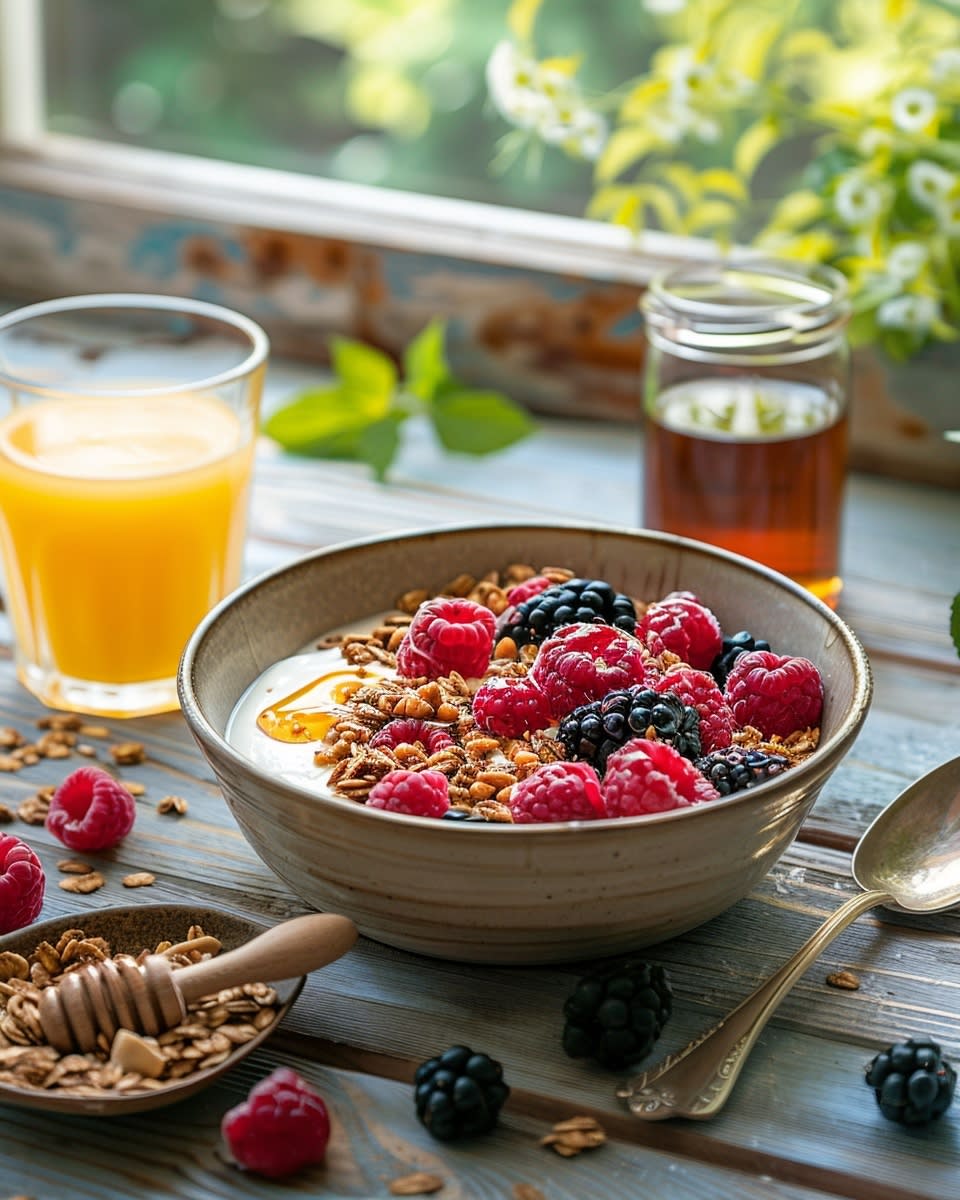
Yogurt Bowl with Seeds and Berries: A Simple Breakfast That Changed My Mornings
I used to be that person who grabbed a granola bar on the way out the door. You know the type. Always rushing, never quite satisfied, and hungry again by 10 a.m. Then one morning, my friend handed me a bowl of creamy yogurt topped with colorful berries and crunchy seeds. I’ll be honest—I didn’t expect much. But that first spoonful changed everything. The cool yogurt, sweet berries, and nutty seeds created this perfect combination that actually kept me full until lunch. That bowl became my daily ritual, and I haven’t looked back since.
A yogurt bowl with seeds and berries is one of those rare foods that checks every box. It tastes amazing. It’s packed with nutrients your body needs. You can make it in under five minutes. And here’s the best part—you can change it up every single day based on what you have in your kitchen or what you’re craving. Some mornings I want it sweet with honey and strawberries. Other days I go for a more tart version with plain yogurt and blackberries. The options are endless.
This isn’t just another trendy breakfast that health bloggers push. It’s a real solution for real people who want to eat better without spending hours in the kitchen. Whether you’re trying to lose weight, build muscle, improve your gut health, or just feel more energized, this simple bowl can help you get there. Seeds and berries aren’t just pretty toppings—they’re nutrition powerhouses that deliver serious health benefits with every bite.
Why Choose a Yogurt Bowl with Seeds and Berries?
Let me break down why this combination works so well. When you put yogurt, seeds, and berries together, you’re not just throwing random ingredients in a bowl. You’re creating a balanced meal that gives your body protein, healthy fats, fiber, vitamins, and minerals all at once. Each component brings something valuable to the table.
The Yogurt Base: Your Protein and Probiotic Foundation
Yogurt is the star of this show for good reason. A single cup of Greek yogurt can contain up to 20 grams of protein. That’s more than three eggs. Protein keeps you full longer, helps build and repair muscle, and gives you steady energy throughout your morning. I noticed a huge difference in my hunger levels once I started eating protein-rich breakfasts instead of carb-heavy ones.
But yogurt isn’t just about protein. It’s loaded with probiotics—those friendly bacteria that keep your gut healthy. Your digestive system needs these good bacteria to function properly. They help break down food, absorb nutrients, and even support your immune system. When your gut is happy, you feel better overall. I used to struggle with bloating after breakfast, but switching to yogurt helped settle my stomach.
Different types of yogurt offer different benefits:
- Greek yogurt has the most protein and a thick, creamy texture
- Regular yogurt contains more calcium and has a lighter consistency
- Icelandic yogurt (skyr) is even higher in protein than Greek yogurt
- Plant-based yogurt works great if you avoid dairy
I personally stick with plain Greek yogurt most days. The flavored versions often have tons of added sugar, which defeats the purpose of eating healthy. Plain yogurt lets you control the sweetness level yourself.
Seeds: Small but Mighty Nutritional Champions
Seeds might be tiny, but they pack an incredible nutritional punch. When I first started adding seeds to my healthy yogurt bowl, I didn’t realize just how much these little guys would do for my health. They’re loaded with omega-3 fatty acids, which your brain and heart need to function well. They also provide fiber that keeps your digestive system running smoothly.
Chia seeds are my go-to choice. Two tablespoons give you 10 grams of fiber and 5 grams of protein. They absorb liquid and create this interesting gel-like texture that makes your yogurt bowl more filling. Plus, they have almost no taste, so they won’t change the flavor of your bowl.
Flax seeds are another fantastic option. They contain lignans, which are plant compounds that may help reduce the risk of certain diseases. Just remember to buy ground flax seeds or grind them yourself. Your body can’t break down whole flax seeds, so they’ll just pass right through without giving you any benefits.
Pumpkin seeds add a satisfying crunch and a slightly nutty taste. They’re rich in magnesium, which many people don’t get enough of. Magnesium helps with energy production, muscle function, and even sleep quality. I sprinkle these on top right before eating so they stay crispy.
Hemp seeds taste mild and slightly nutty. They contain all nine essential amino acids, making them a complete protein source. That’s rare for plant-based foods. They also have a perfect ratio of omega-3 to omega-6 fatty acids.
Here’s what different seeds bring to your bowl:
| Seed Type | Key Benefits | Best For |
|---|---|---|
| Chia Seeds | High fiber, omega-3s, protein | Keeping you full longer |
| Flax Seeds | Omega-3s, lignans, fiber | Heart health and digestion |
| Pumpkin Seeds | Magnesium, zinc, protein | Energy and immune support |
| Hemp Seeds | Complete protein, balanced fats | Muscle recovery and brain health |
Berries: Nature’s Candy with Serious Health Benefits
Berries are what make this bowl feel like a treat instead of just another health food. They add natural sweetness, beautiful color, and a burst of fresh flavor. But they’re not just there to look pretty. Berries are among the healthiest fruits you can eat.
Blueberries are often called a superfood, and they’ve earned that title. They’re packed with antioxidants called anthocyanins, which give them their deep blue color. These antioxidants help protect your cells from damage and may improve brain function. Some studies suggest eating blueberries regularly can help with memory as you age.
Strawberries are loaded with vitamin C. Just eight medium strawberries give you more vitamin C than an orange. This vitamin supports your immune system and helps your skin stay healthy. Strawberries also have a lower glycemic index than many other fruits, so they won’t spike your blood sugar.
Raspberries contain even more fiber than most other berries. One cup has 8 grams of fiber—that’s almost a third of what most people need each day. They’re also rich in ellagic acid, an antioxidant that’s being studied for its potential health benefits.
Blackberries have one of the highest antioxidant levels of all berries. They’re also good sources of vitamin K, which is important for bone health and blood clotting. I love their slightly tart flavor mixed with creamy yogurt.
The best part about berries? They’re naturally low in calories and sugar compared to other sweet foods. A cup of mixed berries has fewer calories and less sugar than a single chocolate chip cookie, yet it satisfies your sweet tooth just as well. I used to crave sugary cereals for breakfast, but fresh berries on yogurt completely eliminated those cravings.
You can use fresh or frozen berries in your yogurt bowl recipe. I actually prefer frozen berries during winter months when fresh ones are expensive and don’t taste as good. Frozen berries are picked at peak ripeness and flash-frozen, which locks in their nutrients. Just let them thaw for a few minutes before adding them to your bowl, or blend them frozen for a thicker, smoothie-like consistency.
This combination of yogurt, seeds, and berries creates something greater than the sum of its parts. The protein from yogurt works together with the fiber from seeds and berries to keep you satisfied for hours. The healthy fats in seeds help your body absorb the vitamins in berries. Everything works together to fuel your body and support your health goals.


How to Make the Perfect Yogurt Bowl with Seeds and Berries
Now that you understand why this combination works so well, let me walk you through actually making one. I’ve made thousands of these bowls over the years, and I’ve learned a few tricks that take them from good to absolutely fantastic.
Choosing Your Yogurt: The Foundation Matters
Here’s the thing—not all yogurt is created equal. Walk down the yogurt aisle at any grocery store and you’ll find yourself staring at fifty different options. It can feel overwhelming. I remember standing there for fifteen minutes on my first trip, reading label after label.
Start by looking at the ingredient list. The best yogurt has just two ingredients: milk and live active cultures. That’s it. If you see a long list of stabilizers, thickeners, and ingredients you can’t pronounce, put it back. Those additives don’t add any nutritional value.
Next, check the sugar content. This one catches people all the time. Many yogurts labeled as “healthy” contain more sugar than a candy bar. I’m talking 20-25 grams per serving. Your healthy berry yogurt bowl should get its sweetness from the berries, not from added sugars in the yogurt itself. Look for options with less than 5 grams of sugar per serving.
For a classic creamy texture, Greek yogurt is hard to beat. I buy the large tubs of plain Greek yogurt because they’re way more economical than individual servings. A big container usually lasts me about a week and costs roughly the same as three fancy coffee drinks.
If you’re lactose intolerant or prefer plant-based options, coconut yogurt works beautifully in this recipe. It has that same thick consistency and adds a subtle tropical flavor that pairs especially well with strawberries and mango. Almond yogurt is another solid choice, though it tends to be thinner and less protein-rich than dairy or coconut versions.
My sister swears by Icelandic yogurt for her morning breakfast bowls, and I totally get why—it’s incredibly thick and has even more protein than Greek yogurt. The texture is almost like soft cheese, which some people love and others find too dense.
Building Your Bowl: Layer by Layer
The order you add ingredients actually matters more than you’d think. I learned this the hard way after making soggy, unappetizing bowls for weeks before figuring out the right technique.
Start with about one cup of yogurt as your base. Spread it evenly in your bowl—don’t just plop it in the middle. This creates a stable foundation for everything else. On really hungry mornings, I’ll use a cup and a half.
Add your seeds next, and here’s a tip I wish someone had told me earlier: mix them directly into the yogurt rather than just sprinkling them on top. This does two things. First, it distributes the seeds evenly so you get some in every bite. Second, it gives chia seeds and flax seeds time to absorb some moisture and soften up. Nobody wants to bite down on a mouthful of dry seeds.
I typically use one tablespoon each of chia seeds and ground flax seeds. That gives me plenty of fiber and omega-3s without making the texture weird. If you’re new to eating seeds, start with smaller amounts and work your way up. Your digestive system needs time to adjust to all that fiber.
Now comes the fun part—the berries. I arrange them on top in sections rather than mixing everything together. Why? Because it looks amazing, and we eat with our eyes first. A beautifully arranged yogurt bowl with mixed berries and seeds makes breakfast feel special instead of rushed.
Fresh berries go straight on top. Frozen berries need different treatment. You can either let them thaw completely first, or add them semi-frozen for a cooler, more refreshing bowl. On hot summer mornings, I love partially frozen blueberries mixed into cold yogurt. It’s almost like eating frozen yogurt.
The final touch is optional but game-changing: a light drizzle of honey or maple syrup. I use about half a teaspoon, just enough to add a hint of sweetness without turning my healthy breakfast into dessert. Some mornings I skip this entirely if the berries are particularly sweet.
Prep and Storage Tips That Actually Work
Funny enough, the biggest barrier to eating healthy isn’t usually motivation—it’s convenience. When you’re running late and starving, you’ll grab whatever’s easiest. That’s why I prep components ahead of time.
Every Sunday evening, I portion out my seeds for the week. I use small glass containers or even just ziplock bags with a tablespoon each of chia and flax seeds mixed together. Then in the morning, I just grab one portion and dump it in my yogurt. Takes three seconds.
For berries, washing and storing them properly makes a huge difference in how long they last. I wash fresh berries as soon as I get home from the store—not right before eating them like many people suggest. Here’s my method: rinse them gently, spread them on a towel to dry completely, then store them in a container lined with paper towels. The paper towels absorb excess moisture that would otherwise make berries rot faster. This trick keeps my strawberries fresh for up to ten days instead of the usual five.
Frozen berries are honestly even easier. They’re already washed and ready to go. I keep a variety bag in my freezer at all times. No waste, no spoilage, always available. Plus, they’re picked at peak ripeness, so the flavor is consistently good year-round.
You can also prep full yogurt bowls the night before, though I’m picky about how this is done. Put the yogurt and seeds in a jar or container, mix them together, and refrigerate overnight. But don’t add the berries until morning. Berries release moisture as they sit, and you’ll end up with a watery mess if you add them too early. Just keep them separate and throw them on top right before eating.
If you want something similar but with a different texture, try making overnight oats with chia seeds instead—it uses many of the same ingredients but creates a heartier, more porridge-like consistency.
Creative Variations to Keep Things Interesting
Even though I love my basic yogurt bowl with seeds and berries, eating the exact same thing every single day gets boring. I rotate through different combinations to keep my taste buds interested.
My “tropical vacation” version uses coconut yogurt, pineapple chunks, mango pieces, and hemp seeds with a sprinkle of unsweetened coconut flakes. It tastes like you’re sitting on a beach somewhere warm, which is especially nice on cold winter mornings.
When I want something that feels more indulgent, I make a “chocolate berry” bowl with plain Greek yogurt, a teaspoon of cocoa powder mixed in, raspberries, and cacao nibs instead of seeds. It tastes like dessert but still counts as a healthy breakfast.
For a green boost, I sometimes add a handful of baby spinach blended into the yogurt itself. I know that sounds weird, but you honestly can’t taste it with all the berries and seeds. It’s sneaky way to get more vegetables in early in the day. If you’re into green breakfasts, you might also like a nutrient-packed green smoothie as an alternative.
My autumn-inspired bowl uses pumpkin seeds, dried cranberries, fresh apple chunks, and a dash of cinnamon. The cinnamon adds warmth and may even help regulate blood sugar levels.
By the way, don’t limit yourself to just seeds. Chopped nuts add great texture too. Almonds, walnuts, and pecans all work beautifully. Just watch your portions since nuts are calorie-dense. A small handful is plenty.
Health Benefits of Each Ingredient
Let me get specific about what each component actually does for your body. Understanding the science behind your breakfast makes it easier to stick with healthy habits.
What Seeds Really Do for Your Body
Seeds are basically nature’s multivitamin, packed into tiny packages. When I started researching what was in these little guys, I was genuinely shocked.
The omega-3 fatty acids in chia and flax seeds are the same type found in fatty fish like salmon. Your body can’t make these on its own, so you have to get them from food. They reduce inflammation throughout your body, which is linked to pretty much every chronic disease. Lower inflammation means better heart health, clearer thinking, and even improved mood.
Heart disease runs in my family, so I take the cardiovascular benefits seriously. Studies show that people who eat seeds regularly have lower cholesterol levels and better blood pressure. The fiber in seeds helps remove excess cholesterol from your body before it can clog your arteries. Meanwhile, the magnesium in pumpkin seeds helps regulate your heartbeat and keeps blood vessels relaxed.
Speaking of fiber, let’s talk digestion. Most Americans get only about half the fiber they need each day. This leads to all kinds of problems—constipation, blood sugar spikes, constant hunger. Just two tablespoons of chia seeds provide 10 grams of fiber. That’s nearly half of what many people need daily. The fiber keeps things moving through your digestive system and feeds the beneficial bacteria in your gut.
Here’s something interesting about weight management: seeds keep you full for hours because they expand in your stomach as they absorb liquid. I tested this myself by tracking my hunger levels on days I ate seeds versus days I didn’t. On seed days, I consistently went longer before feeling hungry again. The protein and healthy fats also slow down digestion, giving you steady energy instead of the crash you get from sugary breakfasts.
For anyone doing strength training or just trying to maintain muscle as they age, the complete protein in hemp seeds is incredibly valuable. Getting all nine essential amino acids from a plant source is rare and really helpful if you don’t eat much meat.
The Antioxidant Power of Berries
Antioxidants used to be just another buzzword to me until I understood what they actually do. Your body constantly produces harmful molecules called free radicals as a byproduct of normal metabolism. These free radicals damage cells, speed up aging, and contribute to diseases. Antioxidants neutralize free radicals before they can cause harm.
Berries contain some of the highest levels of antioxidants of any food. We’re talking about compounds with names like anthocyanins, ellagic acid, and resveratrol. These aren’t just fancy science words—they’re powerful substances that protect your body at the cellular level.
The immune-supporting properties of berries come primarily from their vitamin C content. Strawberries and blackberries are especially rich in this vitamin, which your immune cells need to function properly. During cold and flu season, I double up on my berry portions. I’m not saying it makes me immune to getting sick, but I do seem to recover faster when I do catch something.
Your skin benefits from berries in multiple ways. Vitamin C helps your body produce collagen, the protein that keeps skin firm and elastic. The antioxidants protect against sun damage and premature aging. I’ve noticed my skin looks clearer and more radiant since making yogurt bowls with berries and seeds a daily habit. Could be coincidence, but I don’t think so.
Blueberries deserve special mention for brain health. Research suggests they may improve memory and slow cognitive decline as we age. The anthocyanins in blueberries cross the blood-brain barrier and accumulate in brain regions responsible for learning and memory. My grandmother has been eating blueberries every day for decades, and at 87, her mind is still sharp as ever. I’m following her example.
Berries also have anti-inflammatory effects similar to seeds. Chronic inflammation is linked to arthritis, heart disease, diabetes, and even depression. Eating anti-inflammatory foods regularly helps keep inflammation under control. Think of it as preventive maintenance for your body.
If you need more protein alongside your yogurt bowl, pairing it with something like an egg white scramble creates a complete breakfast that covers all your nutritional bases. Or if you prefer grab-and-go options, high-protein breakfast muffins work great alongside your yogurt bowl for extra staying power.
The combination of yogurt’s probiotics, seeds’ omega-3s and fiber, and berries’ antioxidants creates a breakfast that supports your entire body. Your gut, heart, brain, immune system, and even your skin all benefit from this simple bowl. That’s why I keep coming back to it day after day, year after year.


Tips for Customizing Your Yogurt Bowl
The beauty of a yogurt bowl with seeds and berries is that it’s not a rigid recipe—it’s more like a template you can adjust based on your needs, preferences, and what’s sitting in your fridge. I’ve been making these bowls for years, and honestly, I rarely make the same one twice. Let me share how to make this breakfast work for whatever lifestyle or diet you follow.
Making It Work for Different Dietary Needs
If you’re vegan or avoiding dairy, you’ve got plenty of excellent options. Coconut yogurt is my first recommendation because it mimics the creamy texture of Greek yogurt better than most alternatives. It’s also naturally slightly sweet, which pairs beautifully with tart berries like raspberries or blackberries. Just check the label—some brands add thickeners and stabilizers that aren’t necessary.
Almond yogurt works great too, though it’s typically thinner. I actually like this on hot mornings when I want something lighter and more refreshing. Cashew yogurt is incredibly smooth and rich, almost decadent. Soy yogurt packs more protein than other plant-based options, making it ideal if you’re trying to hit higher protein goals.
Here’s the thing about plant-based yogurts—many are surprisingly low in protein compared to dairy versions. If that matters to you, look for fortified versions or add extra hemp seeds and a scoop of your favorite plant-based protein powder. I do this sometimes, and it doesn’t change the flavor much if you choose an unflavored powder.
For anyone following a low-sugar diet or managing diabetes, this bowl is already pretty friendly, but you can make it even better. Skip any sweeteners entirely and let the natural fruit sugars do the work. Focus on berries rather than tropical fruits, since berries have less sugar and more fiber. Blackberries and raspberries are your best bets—they’re lower on the glycemic index than strawberries or blueberries.
My uncle has Type 2 diabetes, and his nutritionist actually recommended yogurt with berries and seeds as his go-to breakfast because the protein and fat slow down sugar absorption. He checks his blood sugar after eating, and it stays remarkably stable compared to when he used to eat toast or cereal.
Gluten-free folks, you’re already covered with the basic recipe. Yogurt, berries, and seeds are all naturally gluten-free. Just watch out if you decide to add granola or any processed toppings—those sometimes contain hidden gluten. I make my own granola when I want to add some crunch, and it’s easier than you’d think.
Toppings and Mix-Ins That Change Everything
Once you’ve nailed the basics, playing around with additional toppings keeps things interesting. Nuts add satisfying crunch and extra protein. Walnuts bring more omega-3s to the party. Almonds provide vitamin E and that classic nutty flavor. Pecans have a buttery richness that feels indulgent. I usually add about two tablespoons of chopped nuts, which gives you flavor and texture without going overboard on calories.
Granola is the obvious choice, but it’s tricky. Most store-bought granola is basically candy disguised as health food—loaded with sugar and oil. When I buy it, I look for options with less than 6 grams of sugar per serving and whole grains as the first ingredient. Better yet, make your own with oats, a touch of honey, and cinnamon. You control exactly what goes in.
Natural sweeteners let you adjust the sweetness to your liking. Honey is my favorite because a tiny drizzle goes a long way. Maple syrup works beautifully too, especially with blackberries. Date syrup is less common but incredibly delicious—it has a deep, caramel-like flavor that makes your bowl taste fancy. For zero-calorie options, stevia or monk fruit sweetener do the job without affecting blood sugar.
Spices transform the whole experience. Cinnamon is the obvious choice, but don’t sleep on cardamom, which adds this amazing aromatic quality. Vanilla extract—just a few drops—makes everything taste richer. Ginger powder gives a subtle warmth that’s perfect in winter. Cocoa powder creates a chocolate version that feels like dessert.
Dried fruit adds chewy texture and concentrated sweetness. I use it sparingly because it’s higher in sugar and calories than fresh fruit. A tablespoon of dried cranberries, chopped dates, or raisins is enough. My daughter loves when I add dried mango pieces—she calls it her “tropical breakfast.”
Fresh fruit beyond berries expands your options significantly. Sliced banana adds natural sweetness and creaminess. Diced apple provides crisp texture. Kiwi brings a tangy brightness. Pomegranate seeds add beautiful color and little bursts of tart juice. I change up my fruit based on what’s in season because that’s when it tastes best and costs least.
For something completely different, try savory additions. I know it sounds weird, but hear me out. Plain yogurt with cucumber, dill, pumpkin seeds, and a pinch of salt makes an incredible savory breakfast bowl. It’s basically a deconstructed tzatziki. Not everyone’s cup of tea, but some mornings I crave something that’s not sweet.
Getting Your Portions Right
Portion control is where people often go wrong with yogurt bowls. They start with good intentions, then pile on so many toppings that what should be a 300-calorie breakfast becomes 800 calories. Not that there’s anything wrong with a bigger meal, but you should know what you’re eating.
For a standard breakfast portion, here’s what I recommend: one cup of yogurt (about 150-200 calories depending on type), three-quarters to one cup of mixed berries (around 50-75 calories), and two tablespoons of mixed seeds (roughly 100 calories). That gives you approximately 300-375 calories with a solid balance of protein, carbs, and healthy fats.
Understanding macronutrient balance helps you adjust portions based on your goals. If you’re trying to build muscle or recover from workouts, bump up the protein by using more Greek yogurt or adding protein powder. For sustained energy during long mornings, increase the healthy fats by adding more seeds or nuts. Need more volume without extra calories? Double the berries—they’re relatively low-calorie and high in fiber.
If this is your main breakfast, those proportions work perfectly for most people. But if you’re using it as a snack or pairing it with something else, scale back to half a cup of yogurt, half a cup of berries, and one tablespoon of seeds. That’s still satisfying without being too filling.
I use my yogurt bowl as part of a bigger breakfast on mornings when I work out. I’ll have my bowl plus a piece of whole grain toast with avocado, or alongside some scrambled eggs. On lighter days or when I’m not as hungry, the bowl by itself is perfect.
Here’s a quick reference for building balanced bowls based on different needs:
| Goal | Yogurt Amount | Key Additions | Best Toppings |
|---|---|---|---|
| Weight Loss | 1 cup Greek yogurt | Extra berries for volume | Seeds only, no nuts or granola |
| Muscle Building | 1.5 cups Greek yogurt | Protein powder, hemp seeds | Nuts, extra seeds |
| Quick Energy | 1 cup regular yogurt | Banana, honey | Granola, dried fruit |
| Light Snack | 0.5 cup yogurt | Fresh berries | 1 tbsp seeds |
Making It More Filling When You Need It
Some mornings you need something that really sticks with you. Maybe you have a long meeting, a tough workout planned, or you just know you won’t have time for lunch until late. On those days, I beef up my easy yogurt bowl recipe to make it a complete meal.
The easiest way is adding a grain component. A quarter cup of uncooked oats stirred into your yogurt the night before creates something between a yogurt bowl and overnight oats. The oats absorb the yogurt and become soft and creamy. This adds complex carbohydrates that provide longer-lasting energy.
Nut butter is another game-changer. A tablespoon of almond butter or peanut butter mixed into your yogurt adds richness, protein, and healthy fats. It makes the texture almost mousse-like. My boyfriend does this every morning—he says it’s the only breakfast that keeps him full until lunch.
Cottage cheese might sound strange, but mixing half yogurt and half cottage cheese increases the protein significantly while adding interesting texture. You get these little curds among the smooth yogurt. It’s definitely not for everyone, but I’ve grown to really enjoy it.
Protein powder is the most obvious addition if you need more staying power. A scoop of vanilla or unflavored powder blended with your yogurt can add 15-20 grams of protein. Just make sure you blend it well or you’ll get clumps, which are not pleasant.
By the way, if you love experimenting with healthy breakfast recipes, this yogurt bowl is just the beginning—there are countless ways to create nutritious morning meals that actually taste good and keep you satisfied until lunch.
The real secret to making this breakfast work long-term is giving yourself permission to change it up constantly. I went through a phase where I tried to eat the exact same combination every single day because I thought that’s what “healthy eating” meant. I got so bored that I started dreading breakfast. Now I treat each morning as a chance to create something a little different, and it’s made all the difference.
Experiment with different yogurt types each week. Try a new berry you’ve never had before. Pick up an unusual seed at the health food store just to see what it’s like. The worst that happens is you don’t love it and you try something else tomorrow. The best that happens is you discover a new favorite combination that makes you genuinely excited to get out of bed.
Final Thoughts
The simplest changes often make the biggest difference. A yogurt bowl with seeds and berries isn’t revolutionary or complicated, but it’s one of those small decisions that compounds over time. Give yourself permission to make it your own, trust that it doesn’t need to be perfect, and enjoy the process of discovering what makes your taste buds happy while fueling your body well.
Frequently Asked Questions
How do I store my yogurt bowl if I want to prepare it in advance?
Store the yogurt and seeds mixed together in an airtight container in the fridge for up to three days. Keep the berries separate and add them right before eating to prevent them from making everything watery. Fresh berries break down and release moisture when they sit in yogurt overnight. If you’re really in a rush, you can add frozen berries directly from the freezer, and they’ll thaw while you get ready. Mason jars work perfectly for this—just layer everything except the berries, seal it up, and grab it on your way out.
Can I use frozen berries in my yogurt bowl?
Absolutely, and frozen berries are often better than fresh, especially outside of berry season. They’re picked at peak ripeness and flash-frozen, which locks in nutrients and flavor. You can add them straight from frozen for a cool, refreshing bowl, or let them thaw for about ten minutes at room temperature. Frozen berries are also way more economical and last for months in your freezer without spoiling. I actually prefer frozen blueberries in my yogurt because they stay firm and don’t get mushy like fresh ones sometimes do.
What are some good alternatives to dairy yogurt for a vegan version?
Coconut yogurt is my top pick because it’s thick, creamy, and has a mild flavor that doesn’t overpower the berries. Cashew yogurt is incredibly smooth and rich. Almond yogurt works well but tends to be thinner. Soy yogurt has the most protein of the plant-based options, making it ideal if you’re concerned about getting enough. Oat yogurt is another option that’s become popular lately—it has a naturally sweet taste that pairs beautifully with berries. Just check the labels because some brands add a lot of sugar or weird stabilizers you probably don’t need.
How can I make my yogurt bowl more filling for a complete meal?
Add complex carbohydrates like oats or granola to increase the staying power. Mix in a tablespoon of nut butter for extra protein and healthy fats that slow digestion. Use Greek yogurt or Icelandic yogurt instead of regular yogurt since they contain significantly more protein. Include a variety of seeds—chia, flax, and hemp all together—to maximize fiber and fat content. You can also add a scoop of protein powder if you need a serious protein boost. Another trick is simply increasing the volume by adding more berries, which are low in calories but high in fiber and water content.
Are there any specific seeds that are better for digestion?
Chia seeds are exceptional for digestion because they absorb up to twelve times their weight in water, creating a gel that helps move things through your digestive tract smoothly. Ground flax seeds provide both soluble and insoluble fiber, which support healthy bowel movements and feed beneficial gut bacteria. Hemp seeds are easier to digest than many other seeds because they’re naturally soft. Pumpkin seeds contain compounds that may help reduce inflammation in the digestive tract. Just remember to start with small amounts if you’re not used to eating seeds—your system needs time to adjust to the extra fiber.
Can kids eat yogurt bowls with seeds and berries?
Definitely, and most kids love them because they’re colorful and customizable. Let your kids pick their own toppings and arrange them however they want—it makes them more excited to eat it. Just be mindful with whole seeds for very young children under three, as they can be a choking hazard. Ground flax or chia seeds mixed into the yogurt work perfectly and they won’t even notice them. My niece refuses to eat breakfast most mornings, but she’ll demolish a yogurt bowl because she gets to “decorate” it herself. Start with sweeter berries like strawberries if your kids are picky, then gradually introduce more variety.
Is it okay to eat a yogurt bowl every single day?
Yes, eating a yogurt bowl with seeds and berries daily is perfectly healthy for most people. The variety of nutrients supports overall health, and the probiotics in yogurt benefit your gut microbiome with regular consumption. That said, nutritional variety is always good, so consider rotating between this and other healthy breakfast options throughout the week. Some people find that eating the same breakfast daily actually helps them stick to healthy habits because it removes decision fatigue. Listen to your body—if you feel great eating it every day, keep doing it. If you start feeling bored or notice any digestive issues, switch things up.
Which berries have the most health benefits?
All berries are nutritional powerhouses, but blueberries often top the list for antioxidant content, particularly anthocyanins that support brain health. Blackberries have the highest fiber content and are loaded with vitamin K. Strawberries provide the most vitamin C per serving. Raspberries contain high levels of ellagic acid, which has anti-inflammatory properties. Honestly, eating a variety is your best bet because different berries provide different nutrients. I rotate through whatever’s in season or on sale because they’re all beneficial in their own ways. Don’t stress about finding the “perfect” berry—just eat whichever ones you enjoy most.
How long will yogurt with seeds mixed in last in the fridge?
Once you’ve mixed seeds into yogurt, the combination will stay good for about two to three days in the refrigerator. The seeds will continue absorbing moisture and softening over time, which some people actually prefer. Make sure you use a clean container with a tight-fitting lid to prevent any contamination or absorption of other food odors. The yogurt itself might separate slightly, which is normal—just give it a quick stir before eating. If you notice any off smells, mold, or unusual discoloration, toss it out. I usually prep my week on Sunday and mix enough for three days at a time, then make another batch mid-week.
Can I heat up my yogurt bowl or does it need to be cold?
While most people eat yogurt bowls cold, you can actually warm them slightly if you prefer. Gently heat the yogurt on the stovetop or in the microwave just until it’s lukewarm—not hot—because high heat kills the beneficial probiotics and can make the yogurt separate and become grainy. Add your seeds and berries after warming it up. Some people enjoy warm yogurt bowls in winter months, almost like a porridge. If you want something warm and similar, you might prefer cooked oats with yogurt stirred in at the end. The cold version is traditional and refreshing, but there’s no rule saying you can’t adjust the temperature to your preference.
Ingredients
Equipment
Method
- Start with about one cup of your chosen yogurt as the base in a bowl.
- Mix in chia seeds and ground flax seeds into the yogurt to evenly distribute.
- Arrange mixed berries on top of the yogurt base in sections for visual appeal.
- Drizzle with honey or maple syrup if desired.
- Enjoy immediately or prepare components in advance for convenience.