
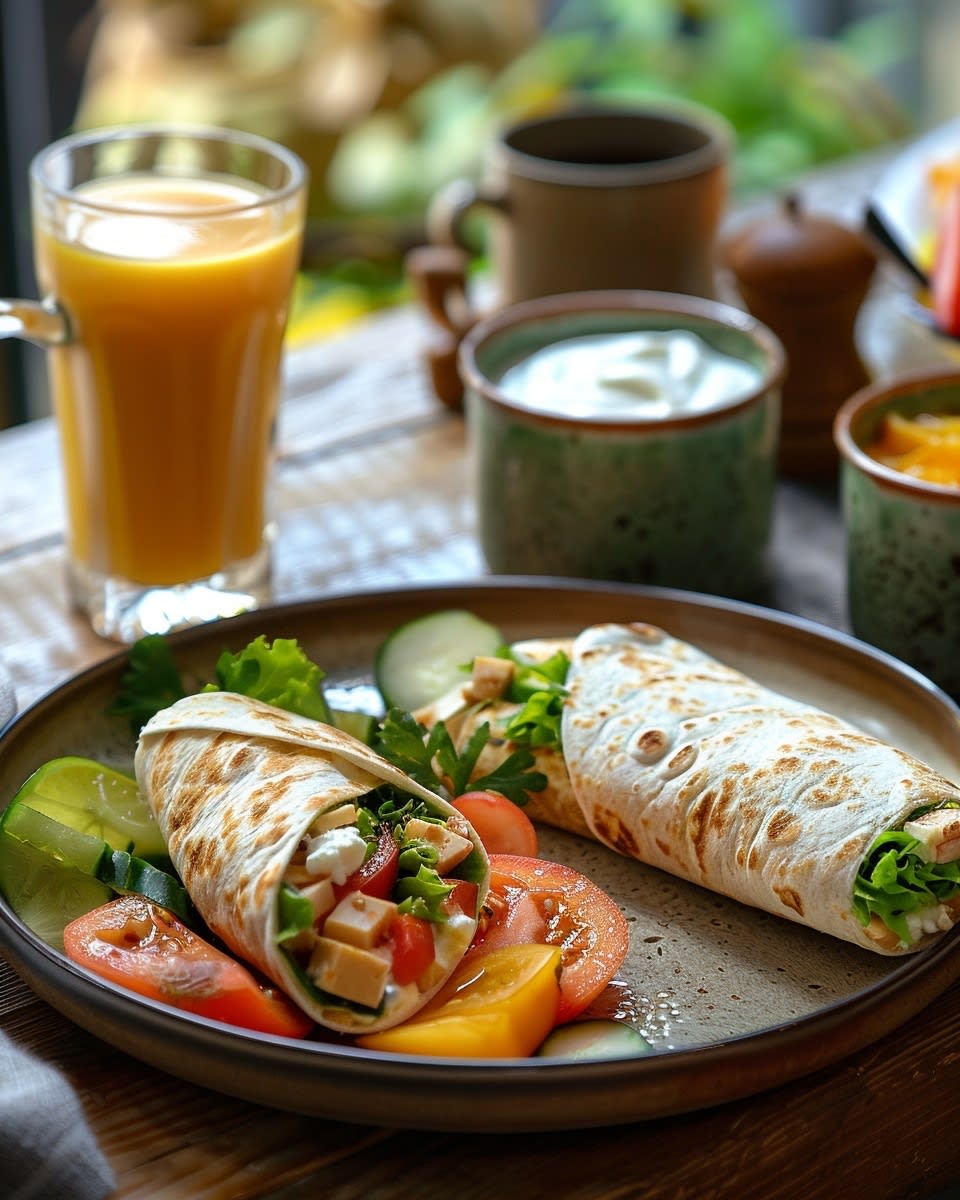
Why Quick Breakfast Wraps Are Perfect for Busy Mornings
Last Tuesday morning, I woke up late. Again. The alarm went off, but I hit snooze one too many times. I had exactly 15 minutes to get ready and get out the door. My stomach was growling, but there was no time to sit down for pancakes or eggs. Sound familiar? This is when I grabbed the ingredients I keep stocked in my fridge and threw together a quick breakfast wrap. Five minutes later, I was out the door with a warm, delicious meal in my hand.
That morning changed how I think about breakfast. I used to skip it entirely or grab something unhealthy from a drive-through. But breakfast wraps solved my problem. They’re fast, filling, and you can eat them while driving, walking, or sitting at your desk.
The beauty of a quick breakfast wrap is how simple it really is. You need a tortilla and whatever you have on hand. That’s it. No fancy cooking skills required. No expensive equipment. Just basic ingredients that come together in minutes. This makes them perfect for anyone who values their morning sleep but still wants real food to start the day.
I know what you’re thinking. Another breakfast solution that promises the world but delivers cardboard-tasting food. I thought the same thing. But here’s the difference. These wraps actually taste good. Really good. You control what goes inside, so you make them exactly how you like them. No settling for bland or boring.
The portability of breakfast wraps is a total game changer for morning routines. You can wrap them in foil or parchment paper and take them anywhere. They don’t spill like bowls of cereal. They don’t require utensils like yogurt parfaits. You can eat them with one hand while doing something else with the other. For parents getting kids ready for school or professionals rushing to catch the train, this convenience matters.
I started making breakfast wraps about six months ago. At first, I kept it simple with just scrambled eggs and cheese. Then I got more creative. I added vegetables one day. Then black beans another day. Before I knew it, I had a whole rotation of different wraps for different moods. Some mornings I want something hearty with sausage and potatoes. Other mornings I prefer something lighter with spinach and tomatoes.
The customization options are endless. This is what makes breakfast wraps so appealing. You’re not locked into one flavor or one style. You can make them spicy with hot sauce and jalapeños. You can make them Greek-inspired with feta and olives. You can go southwestern with salsa and avocado. Each wrap becomes a reflection of what you’re craving that day.
People always ask me for easy breakfast ideas, and this is always my first suggestion. The prep time is minimal. You can cook your fillings while the coffee brews. You can even prep ingredients the night before if you want to save extra time in the morning. Chop some vegetables. Cook some meat. Store everything in containers. Then assembly takes less than two minutes.
Let me break down why these wraps work so well for busy schedules:
- Speed: Most wraps take 5 to 10 minutes from start to finish
- Flexibility: Use whatever ingredients you already have
- Budget-friendly: No need to buy expensive specialty items
- Meal prep compatible: Make several at once and reheat throughout the week
- Kid-approved: Children love handheld foods they can eat easily
- Nutritionally balanced: Include protein, carbs, and vegetables in one package
The nutritional benefits of starting your day with a proper breakfast cannot be overstated. Studies show that people who eat breakfast have better concentration, more energy, and improved mood throughout the day. But those benefits only come when you eat something substantial. A donut or a granola bar won’t cut it. You need real protein, healthy fats, and complex carbs.
A well-made breakfast wrap delivers all of this. The tortilla provides carbohydrates for energy. Eggs or meat add protein to keep you full. Cheese contributes calcium and fat. Vegetables pack in vitamins and fiber. This combination keeps your blood sugar stable and prevents that mid-morning crash that sends people running to the vending machine.
I’ve noticed a huge difference in my own energy levels since I started eating these wraps regularly. I used to feel sluggish by 10 AM. Now I stay alert and focused until lunch. My productivity has improved. My mood is better. All because I’m taking five extra minutes to feed myself properly.
The variety of fillings means you’ll never get bored. This is crucial for sticking with any breakfast routine. When you eat the same thing every single day, you start dreading it. You lose motivation. Eventually, you quit and go back to old habits. But with breakfast wraps, you can switch things up constantly.
Here are just a few filling combinations I rotate through:
- Scrambled eggs, cheddar cheese, bacon, and diced tomatoes
- Black beans, scrambled eggs, pepper jack cheese, and salsa
- Turkey sausage, spinach, mozzarella, and marinara sauce
- Hummus, cucumber, feta cheese, and scrambled eggs
- Sweet potato hash, black beans, avocado, and hot sauce
Each combination tastes completely different. You could make breakfast wraps every day for a month and never repeat the same recipe. This variety keeps things interesting and ensures you’re getting different nutrients from different ingredients.
The ease of preparation is what really sells people on this breakfast solution. You don’t need to be a skilled cook. You don’t need special equipment beyond a basic pan. The steps are straightforward. Heat your tortilla. Cook your fillings. Assemble everything. Roll it up. Done.
Even teenagers can make these independently. I’ve taught my own kids how to make their breakfast wraps before school. They feel proud and capable. I feel relieved knowing they’re eating something nutritious instead of grabbing a Pop-Tart on their way out the door.
For people who work early shifts or have long commutes, these wraps are lifesavers. You can eat them cold if needed, though I prefer mine warm. They hold together well and don’t fall apart like some breakfast sandwiches do. The tortilla is sturdy and contains everything neatly inside.
I keep my fridge and pantry stocked with wrap essentials. A pack of tortillas lasts all week. Eggs are always on hand. I buy whatever vegetables are on sale. I keep a few types of cheese available. This way, I’m never caught without options. Making breakfast becomes automatic rather than stressful.
The bottom line is this: quick breakfast wraps solve the morning rush problem without sacrificing taste or nutrition. They give you control over what you eat. They save time and money. They taste delicious. And they provide the fuel your body needs to tackle whatever the day throws at you.


Ingredients and Nutritional Value of a Quick Breakfast Wrap
Now that you understand why these wraps work so well, let’s talk about what actually goes inside them. This is where things get interesting because the ingredients you choose determine not just the taste, but how you’ll feel for hours after eating.
I’ll be honest with you. When I first started making breakfast wraps, I just threw random things together without thinking about nutrition. But after learning more about how food affects energy and focus, I became a lot more intentional. The good news? The ingredients that taste best also happen to be really good for you.
Let’s start with eggs, which are probably the most common protein in any breakfast wrap. I go through at least two dozen eggs every week in my house. Each egg gives you about 6 grams of high-quality protein along with essential vitamins like B12 and D. The yolk contains healthy fats that help you absorb nutrients better. Some people worry about cholesterol in eggs, but recent research shows that dietary cholesterol doesn’t affect most people’s blood cholesterol levels the way we once thought. For what it’s worth, I eat two or three eggs most mornings and my doctor says my cholesterol is perfect.
Next up is cheese, and here’s where personal preference really matters. Cheddar is my go-to because it melts beautifully and has that sharp flavor I love. But pepper jack adds a nice kick if you want some heat. Mozzarella is milder and works great if you’re adding bold flavors elsewhere. Feta crumbles perfectly and brings that Mediterranean vibe. Each type of cheese provides calcium for bone health and additional protein. Just watch your portions since cheese is calorie-dense. A quarter cup is usually plenty for one wrap.
Vegetables are where you can really boost the nutritional profile of your wrap. Spinach is ridiculously easy to add and wilts down to almost nothing when you toss it in with hot eggs. It’s packed with iron and vitamins A and K. Bell peppers add crunch and vitamin C. Tomatoes bring lycopene, an antioxidant that’s great for heart health. Onions have compounds that support immune function. I usually keep baby spinach, cherry tomatoes, and pre-diced bell peppers ready to go. Sometimes I’ll throw in leftover roasted vegetables from dinner the night before.
The tortilla itself matters more than people realize. I prefer whole wheat tortillas because they have more fiber and keep me fuller longer than white flour versions. The extra fiber helps with digestion and slows down how quickly your body processes the carbohydrates. Look for tortillas that have at least 3 grams of fiber per serving. Some brands now make high-protein tortillas with added whey or plant protein, which I’ll grab if I’m making a lighter wrap without as much meat or eggs.
For meat options, I rotate between bacon, turkey sausage, and ham. Bacon tastes incredible but is higher in saturated fat and sodium, so I save it for weekends as a treat. Turkey sausage has become my weekday favorite because it’s leaner but still has that savory, seasoned flavor. Ham is convenient since you don’t need to cook it, just dice it up and warm it through. Each adds a different flavor profile and significant protein to keep you satisfied until lunch.
Here’s something I discovered by accident: black beans are absolute game-changers in breakfast wraps. I know that sounds weird if you haven’t tried it, but trust me on this. They add fiber, plant-based protein, and this hearty texture that makes wraps more filling. A half cup of black beans has about 8 grams of protein and 7 grams of fiber. Plus they’re dirt cheap. I keep canned beans in my pantry and just rinse and drain them. Sometimes I’ll season them with cumin and garlic powder while warming them up.
For people looking for truly healthy breakfast options, adding avocado is one of the smartest moves you can make. Yes, avocados have fat, but it’s the monounsaturated kind that actually supports heart health. They’re also loaded with potassium and make your wrap incredibly creamy and satisfying. I slice about a quarter of an avocado per wrap. It’s enough to get the benefits without overdoing the calories.
Now let’s talk about alternatives for dietary restrictions. If you’re lactose intolerant, dairy-free cheese has come a long way in recent years. Some brands melt surprisingly well. Or you can skip cheese entirely and add extra avocado for creaminess. For vegetarians, the black bean option I mentioned works perfectly, or try tofu scramble seasoned with turmeric and nutritional yeast. By the way, if you’re looking for other simple options, boiled eggs with fruit make a great side dish that adds even more nutrition to your morning.
People following low-carb diets often ask me about wrap alternatives. You can use large lettuce leaves instead of tortillas, though they’re messier to eat on the go. Low-carb tortillas exist now that have lots of added fiber, bringing the net carbs down to just a few grams. Some people use egg wraps, which are literally just thin egg crepes. I’ve tried those and they work, though they’re a bit more work to make.
For those dealing with egg allergies, chickpea flour scrambles are becoming popular. Mix chickpea flour with water and your favorite seasonings, then cook it like scrambled eggs. The texture is different but surprisingly good. Funny enough, my cousin who can’t eat eggs actually prefers this now even when regular eggs are an option.
If you’re watching sodium, be careful with packaged meats and cheese, which can be really high in salt. Choose low-sodium versions when possible, or rely more heavily on eggs and vegetables for your fillings. Fresh herbs like cilantro or basil add tons of flavor without any sodium. Same with spices like cumin, paprika, or black pepper.
How to Make a Quick Breakfast Wrap
Alright, enough theory. Let me walk you through exactly how I make a basic breakfast wrap on a typical Wednesday morning.
First thing, I grab a large non-stick skillet and set it over medium heat. While that’s warming up, I crack two eggs into a small bowl and whisk them with a fork. Takes maybe fifteen seconds. I add a tiny splash of milk, which makes the eggs fluffier, but you can skip this if you want. Season with a pinch of salt and pepper right in the bowl.
Once the pan is hot, I spray it with cooking spray or add a small pat of butter. Then I pour in the eggs. Here’s the thing about scrambled eggs for wraps: you don’t want them too wet or they’ll make your tortilla soggy. I let them sit for about thirty seconds, then gently push them around with a spatula. The whole cooking process takes maybe two minutes. Remove them from heat when they’re still slightly soft because they’ll continue cooking from residual heat.
While those eggs are cooking, I warm my tortilla. You can do this a couple ways. My preferred method is tossing it directly on a second burner set to medium-low for about thirty seconds per side. This gives it a little char and makes it more pliable. If you don’t have a second burner available, microwave it for twenty seconds wrapped in a damp paper towel. This steams it slightly and prevents cracking when you roll it up.
Now comes the assembly, which is stupid easy. Lay your warm tortilla flat on a plate or cutting board. Arrange your fillings in a horizontal line across the center, leaving about two inches empty on each side. I typically do eggs first, then a small handful of shredded cheese, then whatever vegetables I’m using that day, then meat if I’m including it. Don’t overstuff it. This is a mistake beginners make constantly. Less is more when it comes to filling, or you’ll have a structural disaster on your hands.
To roll the wrap properly, fold the left and right sides in first. These create your “end caps” that keep everything from falling out. Then fold the bottom edge up and over the fillings, tucking it under slightly. Continue rolling away from you until you have a tight cylinder. If it feels loose, you probably didn’t tuck that first fold tightly enough.
Want to know my secret for making this process even faster? Prep ingredients the night before. On Sunday evenings, I’ll dice a bunch of bell peppers and onions, cook a pound of turkey sausage, and store everything in separate containers. Every morning that week, I just grab what I need and throw it together. This cuts my morning prep time down to literally three minutes. It’s similar to how some people prep breakfast crackers with cheese ahead of time for grab-and-go options.
Here are some time-saving tips I’ve learned through trial and error: Keep your most-used ingredients at eye level in the fridge so you’re not digging around. Use pre-shredded cheese instead of shredding your own. Buy pre-washed spinach. Choose cherry tomatoes you can just halve instead of dicing large tomatoes. These small shortcuts add up to significant time savings.
For breakfast recipes that cater to different tastes, let me give you three variations I make regularly. The Classic American includes scrambled eggs, crispy bacon, cheddar cheese, and a drizzle of hot sauce. The Southwest Special has scrambled eggs, black beans, pepper jack cheese, diced tomatoes, and avocado. The Mediterranean Morning uses scrambled eggs, crumbled feta, baby spinach, sun-dried tomatoes, and a sprinkle of oregano. Each one takes the same amount of time but tastes completely different.
If you’re making wraps for kids, I’ve found they prefer simpler combinations. My daughter loves just eggs and cheese with a tiny bit of ketchup. My son wants bacon in everything. Let them customize their own wraps on weekends when you have more time. It gets them involved and excited about breakfast. It’s way more engaging than just setting out cereal with milk and fruit, though that obviously has its place on super rushed mornings.
One more thing worth mentioning: you can make these wraps in bulk and freeze them. I do this maybe twice a month. Make a dozen wraps, wrap each one individually in foil, and freeze them in a large freezer bag. In the morning, remove the foil, wrap in a damp paper towel, and microwave for 90 seconds to two minutes. They’re not quite as good as fresh, but they’re still way better than skipping breakfast or hitting a drive-through.
For sweet breakfast lovers, you can adapt this whole concept. Use a tortilla, spread it with peanut butter, add sliced banana and a drizzle of honey, then roll it up. Or try cream cheese with strawberries and a sprinkle of cinnamon sugar. These work great for kids who resist savory breakfast foods. Though honestly, easy breakfast toast with jam might be even simpler for sweet breakfast cravings.
The key to all of this is making it a sustainable routine. Start with one or two simple combinations you know you’ll like. Master those. Then gradually experiment with new ingredients and flavors. Before long, you’ll be creating your own signature breakfast wraps without even thinking about it. That’s when you know you’ve truly made this a habit rather than a chore.


Frequently Asked Questions About Quick Breakfast Wraps
Over the past few months, I’ve gotten dozens of questions about making breakfast wraps. People message me on social media, friends ask at gatherings, even my neighbors stop me while I’m checking the mail. So I figured I’d tackle the most common questions all in one place. These are the real concerns people have when they’re just getting started with quick breakfast wraps.
Can I use gluten-free tortillas for my quick breakfast wrap?
Absolutely, and I’ve done this plenty of times when I have friends over who can’t eat gluten. The texture is slightly different from regular tortillas, I won’t lie to you. Gluten-free versions can be a bit more fragile, so you need to warm them up properly to make them pliable. I’ve had the best luck with brands that use a mix of rice flour and tapioca starch. They hold together better than ones made with just one type of flour. My trick is to warm them a bit longer than regular tortillas, maybe forty-five seconds in the microwave wrapped in that damp paper towel. Some brands also make them thicker to compensate for the lack of gluten, which actually works great for hearty fillings. Just check the ingredients because some gluten-free tortillas have more calories or sodium than you’d expect.
What are some good protein sources to add to my wrap?
Beyond eggs, which I’ve already covered pretty extensively, there’s a whole world of protein options. Greek yogurt might sound weird, but hear me out. A spoonful mixed with some herbs and spices creates this creamy element that adds about 10 grams of protein. Leftover grilled chicken from dinner works surprisingly well, especially if you season it with something bold like buffalo sauce or pesto. Cottage cheese is another underrated option that people sleep on. It’s high in protein and adds this interesting texture. For plant-based folks, tempeh crumbles up nicely and takes on whatever flavors you cook it with. Smoked salmon is incredible if you’re feeling fancy, paired with cream cheese and capers for a breakfast that feels like brunch at a nice restaurant. Ground turkey or lean beef seasoned with taco spices brings that substantial, stick-to-your-ribs quality. The key is choosing proteins that don’t require extensive prep time in the morning.
How can I make my quick breakfast wrap more filling?
This is probably the question I get most often, especially from people who do physical jobs or work out in the mornings. First move is adding more fiber. Throw in some sautéed mushrooms, which are surprisingly filling for how low-calorie they are. Add diced sweet potatoes or regular potatoes that you’ve cubed small and pan-fried until crispy. Both give you complex carbs that release energy slowly. The black beans I mentioned earlier are clutch for this reason too. Another trick is using two smaller tortillas instead of one large one. Sounds counterintuitive, but the extra layer somehow makes it feel more substantial. Healthy fats are your friend here as well. A tablespoon of hummus spread on the tortilla before adding other ingredients adds creaminess and staying power. Or include a handful of spinach, which wilts down but adds volume and nutrients without many calories. When it comes to food safety, make sure any ingredients you’re reheating reach proper temperatures, especially meats and eggs. Sometimes I’ll use a larger burrito-size tortilla instead of a standard one, which gives me more room to pack in ingredients without overstuffing.
Is it possible to prepare the wrap the night before?
Yeah, but with some important caveats. I do this regularly on nights before I have early morning meetings. The trick is keeping wet ingredients separate from the tortilla until you’re ready to eat. If you assemble everything the night before, the moisture from tomatoes, salsa, or even the eggs will make your tortilla soggy by morning. What I actually do is prep all my fillings and store them in a container, then keep tortillas separate. In the morning, I microwave the fillings for sixty seconds, warm the tortilla, and assemble fresh. Takes maybe ninety seconds total. If you absolutely must assemble it completely the night before, wrap it extremely tightly in foil and keep it refrigerated. Then reheat the whole thing in a skillet rather than the microwave, which helps crisp up the outside and eliminate some of that sogginess. Another option is to cook everything except the eggs the night before. Then in the morning, scramble fresh eggs and add them to your pre-prepped ingredients. Fresh eggs make such a difference in taste and texture.
Can I freeze quick breakfast wraps for later use?
I touched on this briefly earlier, but let me give you the full breakdown because freezing changes everything for meal prep. Yes, you can freeze them, and they’ll stay good for up to three months. Here’s my system that actually works. Make your wraps as usual, but slightly undercook the eggs so they don’t get rubbery when reheated. Let everything cool completely before wrapping. This is crucial because if you wrap warm food, condensation forms and creates ice crystals that ruin the texture. Wrap each one tightly in plastic wrap first, then in foil. Label them with the date and what’s inside because after a few weeks, they all look the same. When you’re ready to eat one, remove both wrappers, wrap it in a damp paper towel, and microwave on fifty percent power for two to three minutes, flipping halfway through. The damp paper towel is the secret to keeping it from drying out. Some fillings freeze better than others, by the way. Avoid tomatoes and lettuce, which get watery and gross. Stick with hardier vegetables like peppers, onions, and spinach. Cheese, eggs, beans, and cooked meats all freeze beautifully.
What’s the best way to keep my wrap from getting soggy?
Soggy wraps are the worst, I totally get it. Several strategies here. First, make sure your cooked ingredients aren’t too wet. Drain any excess grease from cooked meat. If you’re using salsa or sauce, use just a little bit and place it in the center rather than spreading it all over. Pat watery vegetables like tomatoes with a paper towel before adding them. Here’s something I learned from a taco truck owner: create a barrier layer. Spread a thin layer of cream cheese, refried beans, or even just cheese directly on the tortilla first. This creates a moisture barrier between the wet fillings and the tortilla itself. Also, don’t add sauce until right before eating if possible. If you’re taking it to go, pack sauce separately in a small container and add it when you’re ready. The type of tortilla matters too. Thicker tortillas hold up better against moisture than thin ones.
Are breakfast wraps actually healthy or just convenient?
Both, if you make smart choices. The beauty of making them yourself is complete control over what goes in. A homemade wrap with eggs, vegetables, and a whole wheat tortilla is legitimately nutritious. You’re getting protein, fiber, vitamins, healthy fats if you include avocado, and complex carbohydrates. Compare that to most fast food breakfast options or sugary cereals, and it’s not even close. The problem comes when people load them up with excessive cheese, fatty meats, and creamy sauces, then wonder why they’re not losing weight. Keep your portions reasonable, load up on vegetables, choose lean proteins, and you’ve got yourself a balanced meal. I actually had my wraps analyzed by a nutritionist friend once, just out of curiosity. My standard wrap has about 350 calories, 20 grams of protein, and 6 grams of fiber. That’s a solid breakfast by any measure. For more ideas on building nutritious morning meals, check out these easy breakfast ideas that focus on both health and convenience.
What if I don’t like eggs?
No problem at all, and honestly, I’m glad you asked because eggs dominate breakfast culture to an annoying degree. Tofu scramble is the obvious alternative that mimics eggs pretty well. Season it with turmeric for color, nutritional yeast for a cheesy flavor, and whatever spices you like. It cooks up in the same amount of time as scrambled eggs. Beyond that, think outside the breakfast box entirely. Leftover pulled pork with coleslaw makes an incredible breakfast wrap. So does leftover chili with some shredded cheese. Hummus with roasted vegetables and feta is another direction entirely. Peanut butter with sliced banana and a drizzle of honey turns it into something sweet. Breakfast doesn’t have to mean traditional breakfast foods. Some cultures eat soup for breakfast, others eat fish, others eat things we’d consider lunch or dinner foods. Your breakfast wrap can contain literally anything you want to eat in the morning.
How do I prevent my fillings from falling out?
This comes down to technique, and I messed this up constantly when I first started. Don’t overfill, period. I know I’ve said this before, but it bears repeating because it’s the number one mistake. You think more food equals better, but it actually just equals a mess. Leave those two inches empty on each side, and don’t pile ingredients more than about an inch thick in the center. When you fold, make sure those side flaps are tight and that you tuck that first roll under the fillings firmly. Think of it like swaddling a baby, if you’ve ever done that. Firm but gentle. If your wrap still opens up, try this: after rolling, place it seam-side down in a hot skillet for thirty seconds. This seals the edge shut. Another option is wrapping the whole thing in foil, which holds everything together and makes it easier to eat on the go. You can unwrap the foil as you eat, like unwrapping a present to yourself.
Can kids make these themselves?
Depending on age, definitely. My eleven-year-old makes his own breakfast wraps most mornings now, and it’s been great for his independence. Younger kids can help with assembly if you do the cooking. They can spread cheese, arrange vegetables, and definitely handle the rolling with some guidance. By the way, making it a family activity on weekends is actually pretty fun. Set out all the ingredients buffet-style and let everyone build their own. Kids are way more likely to eat something they’ve made themselves. For safety, obviously supervise any stove use until they’re old enough to handle it responsibly. My daughter started using the stove for scrambled eggs around age ten, but every kid is different. Teaching them to make simple quick breakfast ideas like wraps gives them skills they’ll use their whole lives. Plus it takes pressure off you as a parent to be short-order cook every single morning.
Breakfast wraps have honestly transformed my mornings from chaotic and stressful to manageable and even enjoyable. Once you get the hang of it, you’ll find yourself experimenting with new combinations and wondering why you didn’t start doing this years ago. The flexibility to adapt them to your dietary needs, taste preferences, and schedule makes them one of the most practical quick breakfast ideas out there. Whether you’re feeding just yourself or a whole family, whether you have five minutes or fifteen, whether you’re counting calories or just trying to eat something real before you start your day, breakfast wraps deliver. Give yourself permission to start simple, make mistakes, and gradually find what works for you. Before long, you’ll be that person your friends ask for breakfast advice, passing along what you’ve learned to help someone else solve their morning rush problem.
Common Questions About Quick Breakfast Wraps
How long does a breakfast wrap stay fresh in the fridge?
If you’ve assembled it but haven’t eaten it yet, a breakfast wrap will stay reasonably fresh for about 24 hours in the refrigerator when wrapped tightly in foil or plastic wrap. The texture won’t be quite as good as fresh, and you’ll likely notice some moisture seeping into the tortilla, but it’s still perfectly edible. For best results, store the fillings and tortilla separately and assemble right before eating. If you’ve already cooked your fillings, they’ll last three to four days in an airtight container, which makes morning assembly super quick.
What’s the best tortilla size for a breakfast wrap?
I usually go with ten-inch tortillas, which are sometimes labeled as “burrito size.” This gives you enough surface area to add a good amount of fillings without overstuffing, while still being manageable to roll and eat. Eight-inch tortillas work if you’re making a lighter wrap or feeding kids. Anything smaller than that becomes difficult to roll properly. Twelve-inch tortillas exist but they’re honestly too big for a single breakfast unless you’re extremely hungry or sharing it.
Should I use flour or corn tortillas?
This really depends on personal preference and dietary needs. Flour tortillas are more pliable and easier to roll without cracking, which is why I use them most of the time. Corn tortillas have more authentic flavor if you’re going for Mexican-inspired fillings, and they’re naturally gluten-free. However, they’re more fragile and prone to breaking when you roll them. Warming them properly helps, but they’ll never be quite as flexible as flour. Whole wheat tortillas split the difference, offering more nutrients than white flour while maintaining that easy-to-roll texture.
Can I make a cold breakfast wrap?
Sure, though I personally prefer mine warm. If you’re going cold, think more like a deli wrap with ingredients that taste good at room temperature. Hummus, cucumbers, tomatoes, feta cheese, and some cold sliced turkey or ham work well together. Cream cheese with smoked salmon and capers is another cold combination that’s delicious. The texture and flavor profile are different from hot wraps, but they’re convenient if you’re somewhere without access to a microwave or stove.
What if my tortilla keeps cracking when I roll it?
This usually means your tortilla is too cold or too dry. Always warm your tortillas before rolling, either on a skillet, directly over a gas flame for a few seconds, or in the microwave wrapped in a damp paper towel. The moisture and heat make them flexible. If you’ve warmed it and it’s still cracking, try a different brand because some tortillas are just drier or older than others. Fresh tortillas from the bakery section roll better than shelf-stable ones, though they don’t last as long.
How many calories are in a typical breakfast wrap?
This varies wildly based on what you put inside, but a basic wrap with two eggs, a quarter cup of cheese, some vegetables, and a whole wheat tortilla runs about 350 to 400 calories. Add meat and you’re looking at 450 to 550 calories. Load it up with extra cheese, bacon, and sour cream, and you could easily hit 700 calories. If you’re watching calories, focus on vegetables for bulk, use just a small amount of cheese, and stick with lean proteins like turkey or egg whites.
Can I use leftovers in my breakfast wrap?
Absolutely, and this is actually one of my favorite ways to use up odds and ends from dinner. Leftover roasted vegetables, grilled chicken, taco meat, rice, beans, even pasta in a pinch can all become breakfast wrap fillings. I’ve used leftover stir-fry, fajita vegetables, and even pizza toppings. The only rule is making sure everything is reheated to a safe temperature. This approach reduces food waste and adds variety to your breakfast routine without any extra work.
Do I need special equipment to make breakfast wraps?
Not at all. A basic non-stick skillet is really all you need. A spatula for scrambling eggs. A microwave helps for reheating but isn’t essential. Some people like to use a panini press or indoor grill to seal their wraps and add those nice grill marks, but that’s purely optional. I made breakfast wraps in a college dorm room with just a hot plate and a single pan, so don’t think you need a fancy kitchen to make this work.
What’s the difference between a breakfast wrap and a breakfast burrito?
Honestly, the terms are pretty much interchangeable at this point. If we’re being technical, burritos are typically larger with more fillings and often include rice and beans. They’re also usually associated with Mexican or Tex-Mex ingredients. Wraps can be any size and use any type of cuisine or combination of ingredients. But in practical terms, people use both words to mean the same thing: a tortilla wrapped around breakfast fillings that you can eat with your hands.
How can I make my breakfast wrap spicy without overwhelming it?
Start small and build up. A dash of hot sauce goes a long way. Diced jalapeños add heat along with texture and flavor. Pepper jack cheese brings a mild kick without being aggressive. Red pepper flakes sprinkled on your eggs while they cook distribute heat evenly. Chipotle peppers in adobo sauce, used sparingly, add smokiness along with heat. The mistake people make is adding too much at once. You can always add more, but you can’t take it away once it’s in there.
Making breakfast wraps has become second nature to me now, almost like muscle memory. I don’t even think about the steps anymore, my hands just know what to do. That’s the place you’ll get to if you stick with it for a few weeks. Start tomorrow morning with just one simple wrap using whatever you have on hand, and see how it changes your day. You might just find yourself wondering how you ever managed mornings any other way.
Ingredients
Equipment
Method
- Heat a large non-stick skillet over medium heat.
- Crack two eggs into a small bowl and whisk them with a fork, adding a splash of milk (optional) and seasoning with salt and pepper.
- Spray the pan with cooking spray or add a pat of butter, then pour in the eggs.
- Scramble the eggs, letting them sit for about 30 seconds before stirring gently until cooked through but still slightly soft.
- Warm your tortilla in another skillet or microwave it for 20 seconds wrapped in a damp paper towel.
- Lay the warm tortilla flat and arrange your fillings in a horizontal line across the center (eggs first, then cheese, vegetables, and meat).
- Fold the left and right sides of the tortilla inwards, then roll the bottom edge up and over the fillings, tucking it under slightly.
- Continue rolling tightly until you have a complete wrap.