
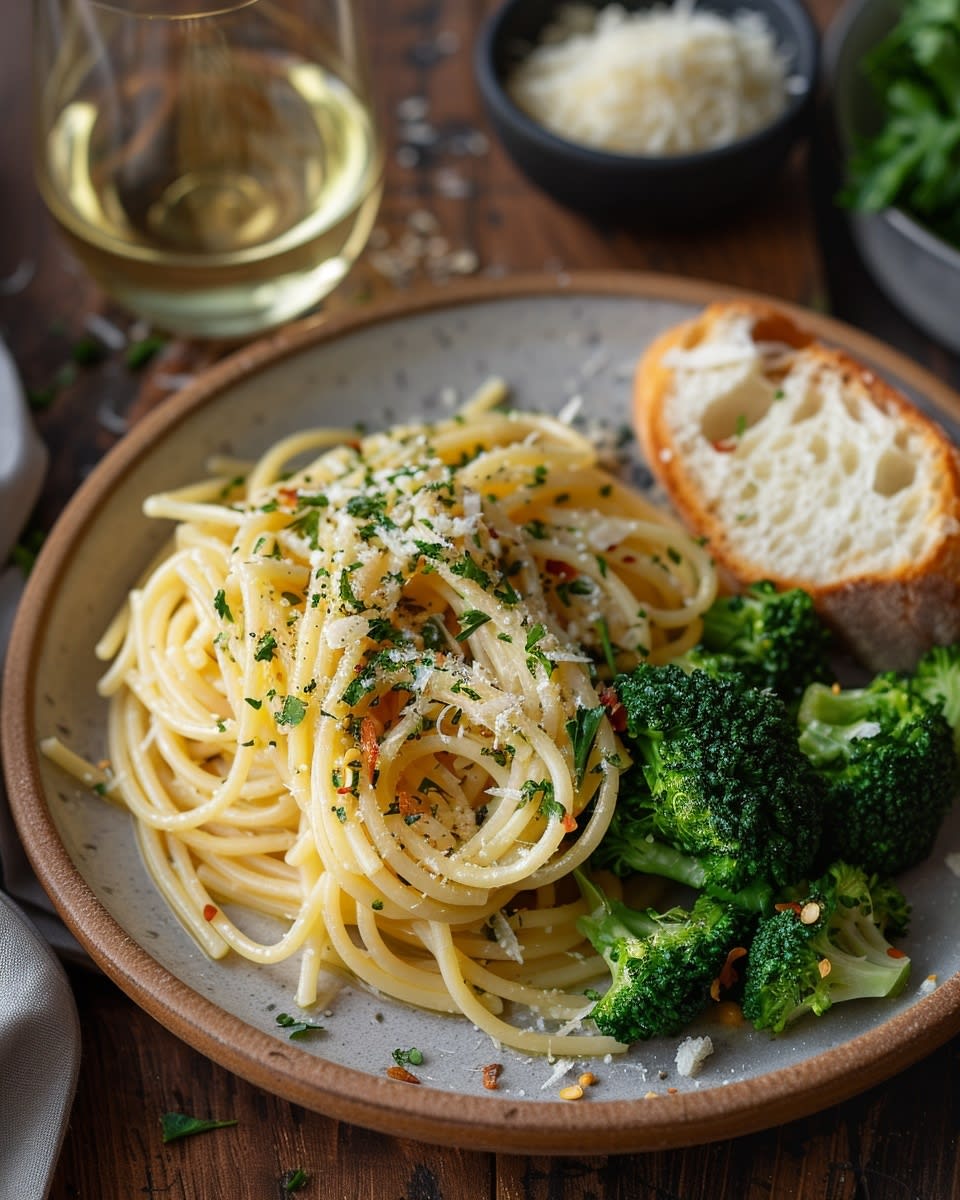
Introduction: My Love for Simple, Flavorful Pasta
Last Tuesday, I stood in my kitchen at 7 PM, exhausted from work and staring at my nearly empty fridge. I had pasta, a bulb of garlic, and good olive oil. That’s when I remembered my grandmother’s advice: “The best meals come from the simplest ingredients.” Twenty minutes later, I sat down to one of the most satisfying dinners I’d had all week. Pasta with olive oil and garlic isn’t just food. It’s proof that you don’t need complicated recipes to create something amazing.
Welcome to my kitchen! Today I’m sharing a recipe that has saved me countless times when I needed something quick, tasty, and nourishing. This dish combines just a few ingredients but delivers incredible flavor. The smell of garlic sizzling in golden olive oil can transform your entire mood. When you toss in hot pasta and watch it all come together, you’ll understand why this recipe has been passed down through generations.
This meal is perfect for busy weeknights, lazy Sundays, or any time you want something delicious without spending hours cooking. It works as a base for so many variations too. You can keep it simple or add whatever you have on hand.
Why Pasta with Olive Oil and Garlic is a Must-Try
I’ve made this dish at least a hundred times, and it never gets old. The beauty lies in its simplicity. You need only a handful of ingredients, most of which you probably already have. Garlic, olive oil, and pasta form the holy trinity of Italian cooking for good reason.
This recipe takes about 15 minutes from start to finish. That’s less time than ordering takeout. The pasta cooks while you prepare the sauce, making it one of the most efficient meals you can make. I’ve served this to unexpected guests and received compliments every single time.
The versatility of this dish amazes me. Some nights I eat it plain and love every bite. Other times I turn it into pasta with olive oil and vegetables by tossing in whatever’s in my veggie drawer. Zucchini, spinach, cherry tomatoes, or broccoli all work beautifully. You can also make pasta with olive oil and parmesan by adding a generous handful of grated cheese at the end.
Looking for more protein? This base works perfectly for olive oil pasta recipes with chicken. Just cook some chicken separately and add it to your finished pasta. The garlic oil coats everything evenly and brings all the flavors together.
If you’re someone who can’t handle garlic, you can make an olive oil pasta sauce no garlic version. Just infuse the oil with herbs like rosemary or thyme instead. I’ve also made a delicious olive oil and butter sauce for pasta by combining both fats for extra richness.
Learning how to toss pasta in olive oil properly makes a huge difference. The technique ensures every strand gets coated evenly. I’ll show you exactly how to do this later in the recipe.
The Magic Behind Each Ingredient
Let’s talk about why these three simple ingredients create such an incredible dish. Good quality olive oil makes all the difference. I use extra virgin olive oil because it has the most flavor. When heated gently with garlic, it becomes fragrant and slightly sweet.
Garlic is the star player here. Fresh garlic cloves release compounds that smell and taste amazing when cooked in oil. I prefer slicing my garlic thinly rather than mincing it. This creates little golden chips that add texture to the dish. Some people love making fried garlic pasta where the garlic gets crispy and almost nutty.
The pasta itself acts as a blank canvas. It absorbs the flavored oil and carries the garlic in every bite. I usually use spaghetti or linguine, but any long pasta works well. Some people ask me, “What is garlic and olive oil pasta called?” The traditional Italian name is aglio e olio, which simply means garlic and oil.
You can easily transform this base into pasta with olive oil and tomatoes by adding fresh or canned tomatoes. Or make pasta with olive oil and basil by stirring in fresh basil leaves right before serving. The possibilities keep this simple recipe interesting meal after meal.
Health Benefits of Pasta with Olive Oil and Garlic
People often ask me, “Is pasta with olive oil and garlic healthy?” My answer is always yes, especially when you make smart choices about portions and ingredients. This dish offers real nutritional benefits that might surprise you.
Olive oil is packed with heart-healthy monounsaturated fats. These fats can help lower bad cholesterol levels while maintaining good cholesterol. Studies show that people who consume olive oil regularly have lower rates of heart disease. I feel good knowing that every time I make this dish, I’m giving my body something beneficial.
The antioxidants in extra virgin olive oil fight inflammation in your body. These compounds protect your cells from damage and may reduce the risk of chronic diseases. When you use quality olive oil, you’re not just adding flavor. You’re adding powerful nutrition.
Garlic brings its own impressive health benefits to the table. It contains compounds that boost your immune system and help fight off infections. My grandmother swore that eating garlic regularly kept colds away. Modern science backs up her wisdom. Garlic has antibacterial and antiviral properties.
Garlic also supports heart health. It can help lower blood pressure and reduce cholesterol levels. The combination of garlic and olive oil creates a powerhouse for cardiovascular wellness. I think of this dish as delicious medicine.
Some readers wonder, “What is the best pasta for diabetics?” Whole wheat pasta works better than regular white pasta because it has more fiber. This fiber slows down how quickly your body absorbs the carbohydrates. You can make this recipe with whole wheat pasta and still get amazing flavor.
The fiber in whole grain pasta helps you feel full longer. This prevents overeating and helps maintain steady blood sugar levels. I’ve switched to whole wheat pasta for most of my cooking and honestly can’t tell much difference in taste.
Pasta itself isn’t the enemy that many diet trends make it out to be. When eaten in reasonable portions and paired with healthy fats like olive oil, it provides sustained energy. Carbohydrates fuel your brain and muscles. The key is balance.
This dish is also naturally low in sodium if you control the salt you add. Many restaurant pasta dishes contain excessive amounts of salt. Making garlic olive oil pasta sauce at home lets you control exactly what goes into your food.
I love that this meal comes together without processed ingredients. No cream, no jarred sauce, no mystery additives. Just real food that tastes incredible and supports your health. When I eat this pasta, I feel satisfied without feeling heavy or sluggish.
The combination creates a balanced meal when you add vegetables or protein. The healthy fats help your body absorb vitamins from vegetables. That’s why pasta with olive oil and vegetables makes such nutritional sense. Everything works together.


How to Make Perfect Pasta with Olive Oil and Garlic
Now that you understand why this dish does such good things for your body, let me walk you through making it yourself. I promise this is one of those recipes where you’ll feel confident after the first try. The process is straightforward, but a few key techniques will take your pasta from good to absolutely amazing.
First things first: choosing your pasta. I’ve experimented with almost every shape imaginable over the years. Long, thin pasta works best for garlic olive oil pasta sauce because the strands catch and hold the oil beautifully. Spaghetti is my go-to choice, but linguine, angel hair, or bucatini all deliver excellent results. Funny enough, the first time I made this dish, I used penne because that’s all I had. It was still delicious, but I noticed the oil pooled at the bottom of the bowl instead of clinging to each piece.
The olive oil you select matters more than you might think. Extra virgin olive oil is non-negotiable in my kitchen for this recipe. I learned this lesson the hard way when I once tried making it with regular vegetable oil because I’d run out of the good stuff. The dish tasted flat and boring. Extra virgin olive oil has fruity, peppery notes that become the foundation of your flavor. You don’t need the most expensive bottle on the shelf, but do invest in something you’d enjoy drizzling on bread.
Here’s how I make it every single time. Start by bringing a large pot of water to a rolling boil. I use about six quarts of water for a pound of pasta. This sounds like a lot, but pasta needs room to move around freely. Add a generous handful of salt once the water boils. The water should taste like the ocean. This is your only chance to season the pasta itself from the inside out.
While the water heats up, prepare your garlic. I peel about six to eight cloves for a pound of pasta, though you can adjust this based on your garlic tolerance. Slice them thinly and evenly. This step requires a sharp knife and a bit of patience. Thin slices cook evenly and won’t burn as easily as minced garlic. Some evenings when I’m feeling lazy, I do mince the garlic instead, but I watch it like a hawk because minced garlic burns in seconds.
Drop your pasta into the boiling water and cook it according to package directions, but subtract two minutes from whatever time they suggest. You want it al dente, which means it should have a slight bite in the center. Before draining, scoop out about a cup of the starchy pasta water. This cloudy liquid is liquid gold for bringing your sauce together. I once forgot this step and had to add regular water instead. The sauce just didn’t emulsify the same way.
Here’s where the magic happens. While the pasta cooks, pour about half a cup of olive oil into your largest skillet over medium-low heat. Let it warm gently for about a minute. Add your sliced garlic and a pinch of red pepper flakes if you like a little heat. The key to perfect fried garlic pasta is patience. You want the garlic to turn golden and fragrant, not brown and bitter. This takes about three to four minutes. I stand right there at the stove, moving the pan occasionally to ensure even cooking.
The moment your garlic reaches a light golden color, remove the pan from heat. Seriously, take it off the burner completely. Residual heat will continue cooking the garlic, and you want to stop the process before it crosses into burnt territory. I’ve ruined this dish more than once by leaving the pan on the heat too long. The smell of burnt garlic is unmistakable and disappointing.
When your pasta is ready, drain it but don’t rinse it. Those surface starches help the oil stick to each strand. Transfer the hot pasta directly into the skillet with the garlic oil. Put the pan back on low heat. This is how to toss pasta in olive oil properly: use tongs or two wooden spoons to lift and turn the pasta constantly for about two minutes. Add splashes of that reserved pasta water a little at a time. The water combines with the oil to create a silky coating that clings to every piece. I usually end up using about half a cup of pasta water total.
The tossing motion is important. You’re not just stirring. You’re lifting the pasta up and letting it fall back down, ensuring every strand passes through the flavored oil. My arm gets a little workout, but it’s worth it. The pasta should look glossy and slightly creamy, not dry or oily. If it looks too dry, add more pasta water. If it looks greasy, you added too much oil at the start or not enough pasta water to emulsify it.
Taste and adjust your seasoning. Add salt if needed and a generous amount of freshly cracked black pepper. I also like to add some freshly grated Parmesan cheese at this point, turning it into pasta with olive oil and parmesan. The cheese melts slightly and adds another layer of flavor. Sometimes I finish with a handful of chopped fresh parsley or basil. Pasta with olive oil and basil tastes like summer on a plate.
By the way, if you want to make an olive oil and butter sauce for pasta, add a couple tablespoons of cold butter at the very end and toss it through. The butter adds richness and helps create an even silkier texture. I discovered this technique from an Italian cooking show and now I alternate between the pure olive oil version and the oil-plus-butter version depending on my mood.
Creative Variations and Delicious Additions
Once you’ve mastered the basic technique, a whole world of possibilities opens up. This base recipe is like a blank canvas waiting for your creativity. I rotate through different variations depending on what’s in my fridge or what I’m craving that particular evening.
Let’s talk vegetables first. Pasta with olive oil and vegetables turns this simple dish into a more complete meal. My favorite addition is broccoli. I cut it into small florets and drop them into the pasta water about four minutes before the pasta finishes cooking. They cook alongside the pasta, then I drain everything together. The broccoli gets perfectly tender and picks up some of that pasta starch, helping it stick to the noodles. Asparagus works the same way. Just trim the tough ends and cut the spears into bite-sized pieces.
Cherry tomatoes bring brightness and color. I slice them in half and add them to the pan right after removing it from heat. The warmth from the pan and pasta gently softens them without turning them mushy. Pasta with olive oil and tomatoes reminds me of late summer when tomatoes taste like sunshine. Sometimes I’ll use sun-dried tomatoes instead, chopping them roughly and tossing them in. They add concentrated flavor and a slightly chewy texture that contrasts nicely with the pasta.
Spinach is another easy addition. I buy the pre-washed baby spinach and just throw a few handfuls into the pan when I toss the pasta. The heat wilts the spinach in seconds. It turns the whole dish a little green and adds nutrition without changing the fundamental character of the recipe. Kale works too, though I recommend removing the tough stems and chopping the leaves finely. Kale needs an extra minute or two to become tender.
Here’s the thing about adding protein: it transforms this side dish into a proper dinner. Olive oil pasta recipes with chicken are endlessly versatile. I usually cook chicken separately to keep things simple. Season a couple of chicken breasts with salt, pepper, and Italian herbs, then grill or pan-fry them until cooked through. Let them rest for five minutes, slice them thinly, and lay the slices over your finished pasta. The chicken soaks up the garlic oil beautifully. Sometimes I dice leftover rotisserie chicken and warm it in the garlic oil before adding the pasta. This shortcut saves time and adds flavor because the chicken picks up all that garlicky goodness. If you’re looking for other quick protein ideas, my chicken wrap with lettuce uses similar techniques for getting tender, flavorful chicken fast.
Shrimp is another protein that works wonderfully. I peel and devein about a pound of shrimp, season them with salt and pepper, and cook them in the garlic oil right before adding the pasta. Shrimp cooks in just three to four minutes. You know they’re done when they turn pink and curl into a C-shape. If they curl into an O, you’ve overcooked them slightly, but they’ll still taste fine.
For vegetarians looking for protein, white beans are fantastic. I drain and rinse a can of cannellini beans and add them to the pan when I add the pasta. They warm through quickly and add a creamy texture along with protein and fiber. The beans make the dish more filling without overwhelming the garlic and oil flavors.
Let me share some of my favorite seasoning variations. Italian herbs transform the basic recipe into something that tastes more complex. I add dried oregano, basil, and thyme to the oil along with the garlic. Fresh herbs work even better if you have them. Add hardy herbs like rosemary or thyme early with the garlic, but save delicate herbs like basil and parsley for the end. Tearing fresh basil leaves and stirring them through creates that classic pasta with olive oil and basil combination that never disappoints.
Lemon zest and juice brighten everything up. I zest a whole lemon directly over the finished pasta and squeeze in the juice from half the lemon. The citrus cuts through the richness of the olive oil and makes the whole dish taste fresher. This version is especially good in spring and summer. It pairs well with asparagus or peas.
Sometimes I add capers and olives for a briny, salty kick. Roughly chop a handful of kalamata olives and add them with a tablespoon of capers right before serving. This Mediterranean variation tastes sophisticated and complex despite requiring minimal extra effort. Similarly simple dishes like my quick tuna sandwich also benefit from those same salty, briny elements.
Anchovies might sound intimidating, but they dissolve into the oil and add incredible depth without making anything taste fishy. I use three or four anchovy fillets, adding them to the oil before the garlic. They melt completely and create a savory, umami-rich base that elevates everything. Even people who claim they don’t like anchovies usually can’t identify them in the finished dish.
For those asking, “What is the best pasta for diabetics?” in the context of these variations, whole wheat pasta still remains your best choice. The added fiber helps regulate blood sugar while carrying all these flavors just as well as regular pasta. I’ve also experimented with chickpea pasta and lentil pasta. Both have more protein and fiber than traditional wheat pasta. They taste slightly different, but when coated in garlicky olive oil and mixed with vegetables, they’re quite delicious. These alternative pastas work especially well with the heartier vegetable additions like broccoli and kale. Just like choosing whole grain bread makes my grilled cheese sandwich a bit healthier without sacrificing enjoyment, whole grain pasta does the same here.
One variation I return to often during busy weeks combines several elements. I cook whole wheat pasta, add broccoli in the last few minutes, and toss everything with garlic oil that has red pepper flakes and lemon zest. Then I top it with grated Parmesan. This version gives me vegetables, whole grains, healthy fats, and protein all in one bowl. It feels substantial and satisfying. Much like my egg salad sandwich provides complete nutrition in a simple package, this loaded pasta variation does the same while staying true to the basic garlic and oil foundation.
The beauty of this dish is that you can’t really mess it up once you understand the basic technique. Trust your instincts, use what you have available, and don’t be afraid to experiment. The worst that happens is you learn what combinations you don’t prefer. More likely, you’ll discover your own perfect version that becomes your signature dish.


Perfect Pairings and Serving Suggestions for Your Garlic Pasta
You’ve got this beautiful bowl of pasta with olive oil and garlic in front of you, steaming and fragrant. But here’s the thing: what you serve alongside it can turn a simple dinner into something that feels like a complete restaurant experience. I’ve learned through years of trial and error which combinations work best, and I’m excited to share these discoveries with you.
Let’s start with salads. A crisp green salad balances the richness of the olive oil beautifully. I make a simple arugula salad with lemon juice, a drizzle of olive oil, and shaved Parmesan. The peppery bite of arugula contrasts perfectly with the mellow garlic flavor of the pasta. Throw in some cherry tomatoes and you’ve got color and freshness on your plate. On nights when I’m feeling a bit fancier, I add toasted pine nuts or walnuts for crunch. The texture difference between the soft pasta and crunchy nuts makes every bite more interesting.
Caesar salad is another winner, though I know it’s a bit cliché to pair Italian with Italian. The thing is, it works incredibly well. The tangy, creamy dressing and crispy romaine complement the simplicity of garlic olive oil pasta sauce without competing for attention. Just keep the portions reasonable since both dishes are quite rich. I learned this the hard way after serving huge portions of both and feeling uncomfortably full afterward.
A Caprese salad brings freshness and acidity that cuts through the oil beautifully. Thick slices of ripe tomato, fresh mozzarella, and basil leaves drizzled with balsamic vinegar create a light, refreshing counterpoint. This combination works especially well during summer when tomatoes are at their peak. The colors alone make your table look inviting. By the way, if you’re already making pasta with olive oil and basil, you can use extra basil leaves for your Caprese salad, which saves on grocery shopping and reduces waste.
Here’s something I discovered accidentally: roasted vegetables make an excellent side dish. I was preparing dinner for friends and had extra zucchini, bell peppers, and eggplant in my fridge. I tossed them with olive oil, salt, and pepper, then roasted them until caramelized. Served alongside the pasta, they added depth and smokiness that elevated the entire meal. The roasted vegetables also add more nutritional value, which aligns with balanced dietary patterns that emphasize plant-based foods alongside grains and healthy fats.
Garlic bread might seem redundant when you’re already eating garlic pasta, but trust me on this one. The crispy, buttery bread provides textural contrast and it’s perfect for soaking up any extra garlic oil left in your bowl. I make mine by spreading softened butter mixed with minced garlic and parsley on sliced Italian bread, then broiling it until golden. Some evenings this becomes my whole dinner alongside the pasta, and I regret nothing.
Funny enough, a simple tomato soup works wonderfully as a starter before your pasta. The acidity and sweetness of tomatoes prepare your palate for the rich, savory main course. I often make a quick tomato soup by sautéing onions, adding canned tomatoes and vegetable broth, then blending until smooth. It takes maybe fifteen minutes and makes the meal feel more substantial and thoughtful.
Now let’s talk about wine. I’m no sommelier, but I’ve learned which wines make my pasta with olive oil and garlic taste even better. White wines generally pair better than reds with this dish. The lightness and acidity complement rather than overpower the delicate garlic flavor. Pinot Grigio is my go-to choice. It’s crisp, clean, and has enough acidity to cut through the olive oil without being too sharp. The neutral fruit flavors don’t compete with the garlic.
Sauvignon Blanc works beautifully too, especially if you’ve added lemon zest or fresh herbs to your pasta. The herbaceous notes in the wine echo the fresh flavors in your dish. I discovered this pairing at a dinner party where the host served both, and the combination just clicked. Since then, I reach for Sauvignon Blanc whenever I make the lemon-herb version of this pasta.
If you prefer red wine, go lighter rather than heavier. A Chianti or Pinot Noir won’t overwhelm the subtle flavors. These wines have enough body to stand up to the olive oil but aren’t so tannic that they clash with the garlic. I tend to choose red when I’ve added protein like chicken or shrimp to my pasta, since the heartier meal can handle a fuller-bodied wine.
For those who don’t drink alcohol, sparkling water with lemon is refreshing and palate-cleansing. The bubbles and citrus work similarly to white wine in cutting through the richness. I also love iced herbal tea, particularly chamomile or mint, served alongside this meal. The subtle flavors refresh your mouth between bites without interfering with the taste of the pasta.
Here’s something I’ve learned about presentation: it matters more than you might think. This dish is inherently simple, so how you serve it can transform the entire experience. I always use warm bowls or plates. Cold dishes cool down the pasta too quickly, and olive oil congeals when it gets cold, which isn’t appetizing. I run my serving bowls under hot water or warm them in a low oven for a few minutes before plating.
Twirl your pasta into neat nests using tongs or a large fork. This might seem fussy, but it takes literally five extra seconds and makes your plate look restaurant-quality. Place the pasta nest in the center of the bowl, then garnish thoughtfully. A sprinkle of freshly grated Parmesan creates a snowy effect that looks elegant. If you’re making pasta with olive oil and parmesan, that cheese isn’t just flavor, it’s visual appeal.
Fresh herbs on top add color and signal freshness. I tear basil leaves roughly rather than chopping them, which looks more rustic and appealing. A few whole leaves placed strategically around the plate create visual interest. Parsley works the same way. Sometimes I add a lemon wedge on the side so people can squeeze extra juice if they want. That bright yellow against the golden pasta just looks inviting.
For a dramatic presentation, serve the pasta in the pan you cooked it in. I use a large cast-iron skillet that goes from stove to table. Place it on a trivet in the center of your dining table and let everyone serve themselves family-style. There’s something warm and communal about this approach that makes even a Tuesday night dinner feel special. The pasta stays warm longer in the pan too, which is practical beyond just looking nice.
Here’s a creative idea I picked up from a cooking show: create a flavor station. Set out small bowls of extras that people can add to their own portions. Grated Parmesan, red pepper flakes, lemon wedges, toasted breadcrumbs, and fresh herbs let everyone customize their bowl. This works especially well when feeding a group with different preferences. Some people want extra spice, others want more cheese, and this way everyone gets exactly what they want.
Speaking of breadcrumbs, toasted panko adds incredible texture. I toast plain panko in a dry skillet until golden, then mix it with a little grated Parmesan and lemon zest. Sprinkled over the finished pasta, it provides crunch that contrasts beautifully with the soft noodles. This technique comes from Italian cooking where toasted breadcrumbs often replace cheese in certain regions. It’s become one of my favorite finishing touches.
For those times when you want to skip garlic entirely, olive oil pasta sauce no garlic still tastes delicious with the right additions. I infuse the olive oil with rosemary sprigs and lemon zest instead. The woody, piney flavor of rosemary creates a completely different but equally satisfying dish. Remove the rosemary sprigs before adding your pasta, then proceed as usual. This version pairs wonderfully with roasted chicken or grilled fish on the side.
Another garlic-free variation uses shallots instead. They’re milder and slightly sweet when cooked slowly in olive oil. Slice two or three shallots thinly and cook them gently until soft and golden. The resulting sauce has complexity and sweetness without any of the punch that garlic brings. I make this version when I’m cooking for my friend who gets heartburn from garlic but still wants something flavorful.
Leftover pasta with olive oil and garlic actually reheats beautifully if you do it right. Never microwave it directly, as the oil separates and the pasta becomes greasy. Instead, add the leftovers to a skillet over medium heat with a splash of water or broth. Toss constantly until heated through. The liquid re-emulsifies the sauce and makes everything creamy again. Sometimes I add a pat of butter at the end to create that olive oil and butter sauce for pasta richness that makes reheated pasta taste fresh.
You can also transform leftovers into a completely different meal. I’ve turned leftover garlic pasta into a frittata by mixing it with beaten eggs and cooking it in a skillet until set. The crispy edges and creamy center make an excellent breakfast or light lunch. Cold pasta salad is another option. Toss the leftover pasta with cherry tomatoes, cucumber, olives, and a bit more olive oil and lemon juice. It becomes a refreshing meal that’s perfect for lunch the next day.
One last serving suggestion that might seem unusual: try this pasta as a side dish for grilled meats or fish. It works especially well alongside simply prepared proteins that don’t have heavy sauces. The garlic and olive oil complement without competing. I’ve served it with grilled lamb chops, pan-seared salmon, and roasted chicken thighs. Each time, the pasta acts as a flavorful base that soaks up any meat juices or fish oils, creating harmony on the plate.
If you’re building your repertoire of quick, reliable meals that feel both comforting and impressive, this recipe deserves a permanent spot. You’ll find it fits naturally among other easy lunch recipes that save time without sacrificing flavor or satisfaction.
The key to making this dish part of your regular rotation is keeping the pantry basics on hand. Good olive oil, fresh garlic, and dried pasta should always be available in your kitchen. With these three ingredients, you’re never more than fifteen minutes away from a satisfying meal. Add a few flexible extras like Parmesan cheese, red pepper flakes, and lemons, and you can create dozens of variations without additional planning.
Common Questions About Making Pasta with Olive Oil and Garlic
What is garlic and olive oil pasta called?
The traditional Italian name is aglio e olio, which literally translates to “garlic and oil” in Italian. This classic dish originated in Naples and has been a staple of Italian home cooking for generations. It’s considered one of the fundamental recipes that every Italian cook knows by heart. Some regions have their own variations with slightly different names, but aglio e olio remains the most widely recognized term. When you order this at an Italian restaurant, you might see it listed as “spaghetti aglio e olio” on the menu.
Is pasta with olive oil and garlic healthy?
Yes, this dish offers several health benefits when prepared with quality ingredients and eaten in reasonable portions. Extra virgin olive oil provides heart-healthy monounsaturated fats that can help lower bad cholesterol. Garlic contains compounds that support immune function and cardiovascular health. The combination creates a nutritious meal, especially when you add vegetables for extra vitamins and fiber. Just watch your portion sizes since olive oil is calorie-dense, and consider using whole wheat pasta for additional fiber and nutrients.
How to cook pasta in olive oil and garlic?
Start by cooking your pasta in salted boiling water until al dente, reserving a cup of pasta water before draining. Meanwhile, gently heat olive oil in a large skillet and add sliced garlic, cooking until golden but not brown. Remove from heat, add the drained pasta to the skillet, and toss everything together over low heat. Add splashes of reserved pasta water to help create a silky coating that clings to the noodles. The starchy water emulsifies with the oil to create a light sauce rather than leaving the pasta greasy. Season with salt and pepper to taste.
What is the best pasta for diabetics?
Whole wheat pasta is generally the best choice for people managing diabetes because it contains more fiber than regular white pasta. This fiber slows down the absorption of carbohydrates, helping to prevent blood sugar spikes. Alternative pastas made from chickpeas, lentils, or other legumes offer even more protein and fiber while having a lower glycemic index. These options help you feel full longer and provide better blood sugar control. Portion size matters just as much as pasta type, so stick to about one cup of cooked pasta per serving.
Can I make this pasta ahead of time for meal prep?
While this dish tastes best fresh, you can prepare components ahead to save time. Cook your pasta al dente, toss it with a tiny bit of oil to prevent sticking, and store it in the refrigerator for up to three days. Prep your garlic by slicing it and keeping it in an airtight container. When you’re ready to eat, make the garlic oil fresh and reheat the pasta in the skillet with some water or broth. The fresher the garlic oil, the better the flavor, so I don’t recommend making the complete dish more than a few hours in advance. It loses its magic when the oil separates during storage.
How much olive oil should I use per serving?
I typically use about two tablespoons of olive oil per serving of pasta, which equals roughly half a cup for a pound of pasta serving four people. This provides enough oil to coat the pasta without making it greasy. Some people prefer more oil for a richer dish, while others use less for a lighter version. The key is adding pasta water during tossing, which extends the oil and creates more sauce without adding extra fat. Start with less oil than you think you need, because you can always drizzle more at the end, but you can’t remove it once it’s mixed in.
Why does my garlic turn bitter?
Garlic becomes bitter when it burns or cooks at too high a temperature. The key is using medium-low heat and watching the garlic carefully as it cooks. It should turn a light golden color, not brown. Burnt garlic tastes acrid and will ruin your entire dish. If your garlic starts browning too quickly, remove the pan from the heat immediately, as residual heat continues cooking it. Slicing garlic instead of mincing it also helps prevent burning since larger pieces are less likely to scorch. Some cooks add the garlic to cold oil and then heat them together, which gives you more control over the cooking process.
Can I use garlic powder instead of fresh garlic?
While fresh garlic provides the best flavor for this dish, you can use garlic powder in a pinch. Use about half a teaspoon of garlic powder per clove of fresh garlic the recipe calls for. Add the garlic powder to the warm oil off the heat, as it burns even more easily than fresh garlic. The resulting dish will taste different, more uniform and less complex than the fresh version. Garlic powder lacks the sweet, mellow notes that fresh garlic develops when cooked gently in oil. For the best results, always choose fresh garlic when possible, but garlic powder will work when you’re in a bind.
What pasta shapes work best with this sauce?
Long, thin pasta shapes work best because they capture and hold the olive oil sauce effectively. Spaghetti is the traditional choice, but linguine, angel hair, and bucatini all work wonderfully. These shapes allow the garlic oil to coat each strand evenly. Short pasta like penne or rigatoni can work, but the oil tends to pool at the bottom of the bowl rather than clinging to the pasta. If you do use short pasta, make sure to stir in plenty of pasta water to help the sauce stick better. Avoid very small shapes like orzo or pastina, which don’t provide enough surface area for the sauce to adhere properly.
How can I prevent my pasta from becoming oily or greasy?
The secret is using pasta water to emulsify the oil and create a proper sauce. After adding your drained pasta to the garlic oil, add the starchy pasta water a few tablespoons at a time while tossing constantly. The starch in the water binds with the oil to create a creamy coating rather than leaving puddles of separated oil. If your pasta looks greasy, you either used too much oil initially or didn’t add enough pasta water. Keep tossing and adding small amounts of water until the pasta looks glossy but not wet. The consistency should be creamy and cohesive, with every strand evenly coated.
Making pasta with olive oil and garlic becomes second nature after you’ve done it a few times. Trust the process, don’t rush the garlic, and remember that the simplest ingredients often create the most memorable meals when treated with care and attention.
Ingredients
Equipment
Method
- Bring a large pot of salted water to a rolling boil.
- While the water heats, prepare the garlic by slicing thinly.
- Drop the pasta into the boiling water and cook according to package directions, subtracting two minutes for al dente.
- Reserve about 1 cup of starchy pasta water before draining the pasta.
- In a large skillet, pour in the olive oil and warm over medium-low heat.
- Add the sliced garlic and red pepper flakes, cooking gently until the garlic turns light golden.
- Remove the skillet from heat to prevent burning the garlic.
- Transfer the drained pasta directly into the skillet with garlic oil.
- Return the skillet to low heat and toss the pasta with tongs, adding reserved pasta water gradually until a silky sauce forms.
- Season with salt, pepper, and toss in Parmesan cheese if desired.
- Garnish with fresh herbs before serving.