
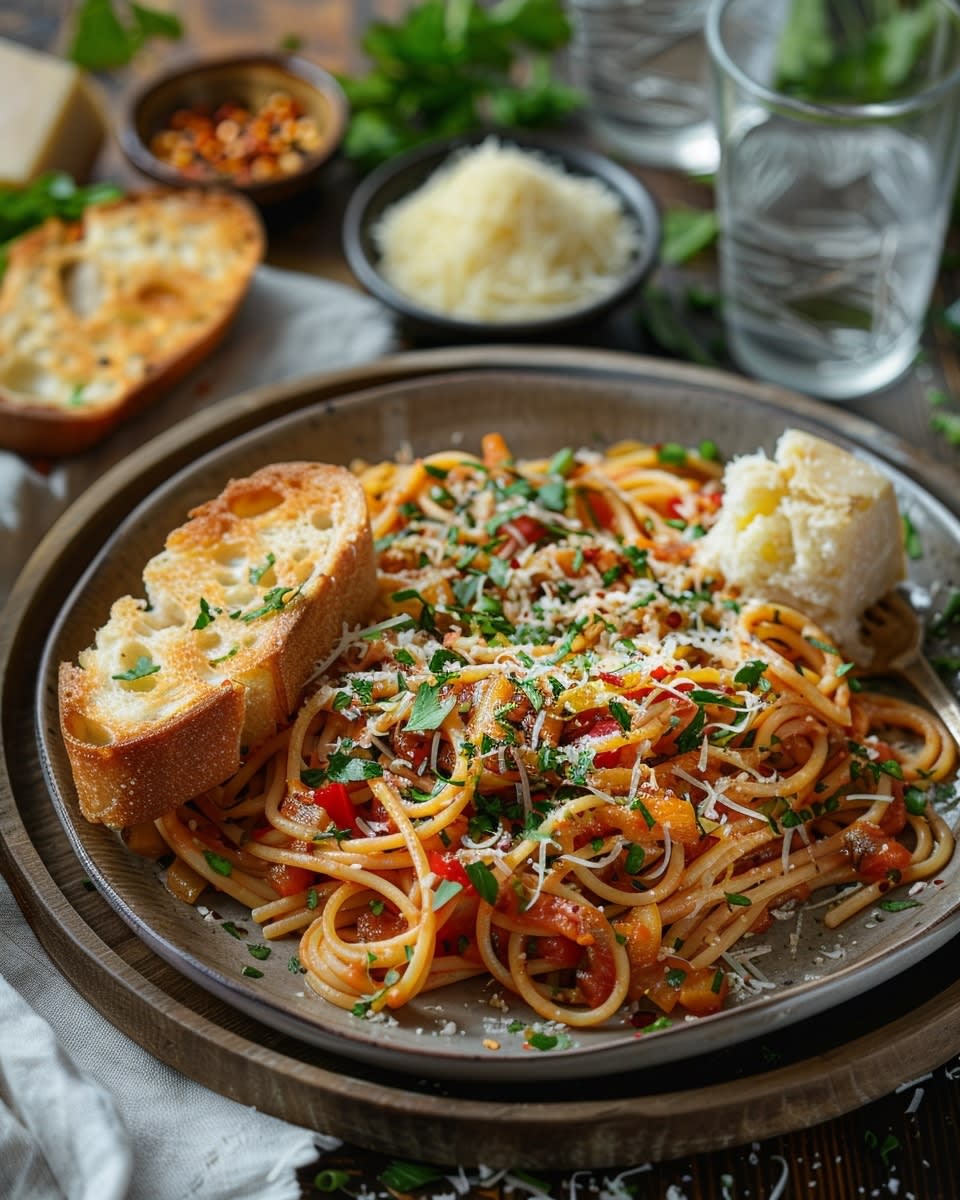
One Pan Veggie Pasta: Your New Weeknight Dinner Hero
Last Tuesday, I stood in my kitchen at 7 PM, staring at a pile of dirty pots and pans from the night before. My kids were hungry. I was exhausted. The thought of cooking dinner and facing another mountain of dishes made me want to order takeout. Again. That’s when I remembered my one pan veggie pasta trick, and everything changed.
This simple cooking method saved my weeknight dinners, and I’m betting it’ll save yours too. You throw pasta, fresh veggies, and a few basic ingredients into one pan, and twenty minutes later, you have a complete meal. No joke. The best part? You only dirty one pan. Your future self will thank you when cleanup takes two minutes instead of twenty.
I’ve made this dish at least twice a week for the past six months. My family never gets bored because I switch up the vegetables based on what’s in my fridge. Sometimes it’s cherry tomatoes and spinach. Other nights, it’s bell peppers and zucchini. The pasta type changes too. Penne one day, spaghetti the next. The possibilities feel endless, which keeps dinner interesting without requiring me to learn new recipes constantly.
The magic happens when everything cooks together in one pan. The pasta absorbs flavor from the vegetables while they cook. The veggie juices create a light, natural sauce that coats every bite. You don’t need heavy cream or complicated techniques. Just good ingredients, one pan, and a bit of patience while everything simmers together.
Why One Pan Veggie Pasta Makes Weeknight Cooking Easy
Let’s talk about why this cooking method works so well for busy families and anyone who values their time. Traditional pasta recipes tell you to boil water in one pot, sauté vegetables in another pan, and maybe make sauce in a third. You’re juggling multiple burners, watching different cooking times, and creating a sink full of dishes. It’s exhausting.
One pan veggie pasta flips this whole system on its head. Everything goes into one large skillet or deep pan. The pasta cooks directly in the liquid along with your vegetables. This means you’re only watching one pan. You’re only cleaning one pan. Your stovetop stays cleaner. Your kitchen feels less chaotic.
Time savings add up fast with this method. Traditional pasta dinners take about 30 to 40 minutes when you factor in boiling water, cooking components separately, and combining everything at the end. My one pan version consistently comes together in 20 to 25 minutes from start to finish. That extra 15 minutes might not sound like much, but on a Wednesday evening when you’re juggling homework help and laundry, it matters.
I’ve also noticed something interesting about cooking this way. The method forces you to be present while cooking, but not stressed. You stir occasionally to make sure the pasta doesn’t stick. You watch the liquid level and add more if needed. But you’re not frantically moving between multiple pots or worrying about perfect timing across three different cooking vessels.
The Health Benefits of Loading Up on Veggies
Here’s what sold me on this dish beyond the convenience factor. My family eats way more vegetables when I make one pan veggie pasta compared to regular pasta dinners. When veggies are mixed throughout the dish rather than served as a sad side salad, everyone eats them without complaint. Even my picky eight-year-old.
Most nutrition experts recommend eating at least five servings of fruits and vegetables daily. The reality? Most of us fall short. One pan veggie pasta makes hitting that target much easier. I typically add two to three cups of chopped vegetables to one batch of pasta. That’s multiple servings per person right there, and nobody feels like they’re choking down their vegetables for health reasons.
The vegetables you choose determine the specific health benefits. Tomatoes bring lycopene, which supports heart health. Spinach and kale pack in iron and vitamins A and K. Bell peppers deliver a massive dose of vitamin C. Zucchini adds fiber and keeps you feeling full longer. You can rotate through different vegetables and get a wide range of nutrients throughout the week.
Another bonus? This cooking method uses less oil than traditional sautéing. The vegetables cook in broth and their own juices along with the pasta. You might drizzle a tablespoon of olive oil at the start, but you’re not coating your pan in oil or butter to prevent sticking across multiple cooking steps. This keeps the calorie count reasonable without sacrificing flavor.
I’ve found that cooking vegetables this way also preserves more nutrients compared to boiling them separately and draining away all the water. When you cook one pan veggie pasta, any nutrients that leach into the cooking liquid get absorbed by the pasta or stay in the light sauce. Nothing goes down the drain.
Customize Your One Pan Veggie Pasta for Any Diet
The flexibility of this dish keeps things interesting meal after meal. I never feel locked into one recipe or flavor profile. The basic technique stays the same, but the ingredients can shift dramatically based on what you want or need.
Here’s what you can adjust easily:
- Pasta type – Try penne, fusilli, spaghetti, linguine, or bow ties
- Vegetable combinations – Mix and match based on seasons and preferences
- Protein additions – Toss in chickpeas, white beans, chicken, or shrimp
- Flavor profiles – Go Italian with tomatoes and basil, or Asian with soy sauce and ginger
- Dietary needs – Use gluten-free pasta, skip cheese for dairy-free, or keep it vegan
My friend Sarah has celiac disease and thought she couldn’t enjoy one pan pasta because gluten-free noodles can get mushy. I showed her that brown rice pasta works perfectly if you watch the liquid level carefully and don’t overcook. She makes it weekly now with whatever vegetables her kids will actually eat.
Another friend follows a strict vegan diet. She makes one pan veggie pasta with whole wheat noodles, loads of colorful vegetables, and finishes it with nutritional yeast instead of parmesan cheese. The umami flavor from the yeast gives that savory, cheesy taste without any dairy. Her non-vegan husband requests it regularly.
Parents of picky eaters find this method helpful too. You can hide vegetables by chopping them smaller or choosing colors that blend with the pasta. My neighbor dices yellow squash and carrots so fine that her kids don’t even notice them among the noodles. They just taste the overall savory flavor and happily eat their vegetables without realizing it.
The seasonal flexibility means you can shop smarter and spend less money. In summer, I load up on zucchini, fresh tomatoes, and basil from my garden or the farmers market. Winter versions feature heartier vegetables like kale, mushrooms, and roasted red peppers. Spring brings asparagus and peas into the mix. Fall means butternut squash and Brussels sprouts work beautifully.
You can even use frozen vegetables when fresh options aren’t available or convenient. I keep bags of frozen spinach, peas, and mixed bell peppers in my freezer for those nights when I haven’t been grocery shopping. Frozen vegetables work just as well nutritionally and cook perfectly using this method. Just add them directly to the pan without thawing first.


Ingredients and Equipment You’ll Need
Now that you understand why this dish works so well, let’s get into the practical stuff. The ingredient list stays refreshingly simple, which means you probably have most of what you need already sitting in your kitchen.
For the pasta itself, I reach for medium-sized shapes most often. Penne, fusilli, and farfalle work beautifully because their shapes trap the vegetables and light sauce. You’ll need about 12 ounces of dried pasta for a family of four. I’ve tried using angel hair and really thin noodles before, but honestly? They get mushy way too fast in the one pan method. Save those delicate pastas for other dishes.
The vegetables make this dish shine, so choose a colorful mix that excites you. My go-to combination includes two cups of cherry tomatoes (halved), one medium zucchini (sliced into half-moons), one red bell pepper (chopped), and a handful of baby spinach. But here’s the thing – you’re not locked into my choices. Mushrooms add an earthy depth. Broccoli florets bring satisfying crunch. Asparagus spears taste incredible in spring. Eggplant chunks create a heartier meal. Pick three or four vegetables and aim for about four cups total of chopped veggies.
Beyond pasta and vegetables, you need liquid to cook everything. I use four cups of vegetable broth because it adds way more flavor than plain water. Chicken broth works too if you’re not keeping things vegetarian. You’ll also want three minced garlic cloves, one tablespoon of olive oil, salt, black pepper, and red pepper flakes if you like a little heat.
The optional add-ins really let you customize based on your preferences. A can of chickpeas turns this into a protein-packed meal that keeps you full for hours. Diced tofu works similarly if you prefer that texture. I sometimes toss in cooked chicken breast from leftovers, kind of like how I use leftover proteins in my rice bowl with fried egg when I need a quick lunch.
Fresh herbs transform the finished dish from good to restaurant-quality. Basil, parsley, and oregano all work wonderfully. I keep these growing in pots on my windowsill so I can snip them whenever I cook. Dried herbs work in a pinch, but the fresh stuff really makes a difference. A squeeze of fresh lemon juice at the end brightens everything up too.
For finishing touches, grab some grated parmesan cheese if you eat dairy. Nutritional yeast serves as an excellent substitute for vegans. Sometimes I drizzle a tiny bit of good quality olive oil over the top right before serving, which adds a luxurious touch without much effort.
Equipment-wise, you need surprisingly little. A large, deep skillet is essential – mine is 12 inches across with sides about 2.5 inches high. A Dutch oven works perfectly too. The key is having enough surface area for the pasta to spread out somewhat while still having high enough sides to contain all the liquid. I learned this the hard way when I tried using a shallow pan and ended up with broth spilling onto my stovetop.
You’ll also need a good wooden spoon or heat-resistant spatula for stirring, a sharp knife for chopping vegetables, and a cutting board. That’s it. No colander required since you’re not draining anything. No multiple pots cluttering your stove. Just one pan and basic prep tools. This simplicity reminds me of when I make baked salmon with veggies on a single sheet pan – minimal cleanup, maximum flavor.
Step-by-Step Instructions for Perfect One Pan Pasta
Alright, let’s actually make this thing. I’m walking you through exactly how I do it on a typical weeknight, including the little tricks I’ve learned after making this dozens of times.
Start by prepping your vegetables first. I know some people like to prep as they cook, but having everything chopped and ready before you turn on the heat makes the actual cooking process so much smoother. Wash and chop your chosen vegetables into bite-sized pieces. Keep the sizes relatively consistent so everything cooks evenly. My eight-year-old helps with this step now, which gives me a few minutes to set the table or start thinking about tomorrow’s lunch.
Heat your large skillet over medium heat and add that tablespoon of olive oil. Let it warm up for about thirty seconds until it shimmers slightly. Toss in your minced garlic and cook it for maybe 30 seconds, just until you can smell that amazing garlicky aroma wafting through your kitchen. Don’t walk away during this step because garlic burns quickly and turns bitter. Trust me, I’ve ruined batches by answering a text message at the wrong moment.
Next comes the exciting part where everything goes into the pan together. Add your dried pasta straight from the box. Then dump in all your chopped vegetables. Pour in the four cups of broth. The liquid should just barely cover the pasta and vegetables. If it doesn’t quite reach that level, add a bit more broth or even some water. Season everything with about a teaspoon of salt, half a teaspoon of black pepper, and a pinch of red pepper flakes if you want some warmth.
Give everything a good stir to distribute the ingredients evenly. Turn the heat up to medium-high and bring the whole mixture to a boil. This usually takes about three to four minutes. Once you see it bubbling nicely, reduce the heat to medium-low so it maintains a gentle simmer.
Here’s where the method differs from traditional pasta cooking, and this part stressed me out the first few times. You need to stir the pasta every two or three minutes to prevent sticking. I set a timer on my phone so I don’t forget. The pasta releases starch as it cooks, which helps create that light sauce coating everything. But if you ignore it, the noodles will clump together or stick to the bottom of your pan.
The total cooking time runs between 15 to 18 minutes, depending on your pasta shape. Check the package directions for your specific pasta and aim for the lower end of the suggested cooking time. The pasta continues cooking slightly even after you turn off the heat, so you want to catch it when it still has just a tiny bit of firmness in the center.
Watch your liquid level as things cook. The pasta absorbs quite a bit of broth, and some evaporates from the simmering. If the pan starts looking dry before your pasta reaches that almost-done stage, add more broth or water in quarter-cup increments. I usually end up adding an extra half cup somewhere around the 10-minute mark. It’s better to have a little extra liquid than to end up with crunchy pasta and scorched vegetables.
Something I learned from making quick beef stir fry applies here too – adding ingredients at different times based on their cooking speeds. If you’re using quick-cooking vegetables like spinach or thinly sliced mushrooms, throw them in during the last three minutes. They’ll wilt and cook perfectly without turning to mush. Heartier vegetables like bell peppers and zucchini go in from the beginning.
Funny enough, my biggest mistake when I first started making this was overthinking the whole process. I kept fussing with the temperature, stirring constantly, and worrying it wouldn’t turn out right. Once I relaxed and trusted the method, everything worked better. The pasta doesn’t need babysitting – it just needs occasional attention.
When the pasta tastes tender but still has a slight bite (that’s al dente for anyone keeping track), turn off the heat. The dish should still have some liquid pooling at the bottom of the pan, creating a light sauce. If things look too soupy, let it sit for a minute or two. The pasta will absorb that excess liquid as it rests.
Now comes my favorite part – finishing touches that take the dish from good to crave-worthy. Stir in a handful of fresh herbs. Squeeze half a lemon over everything for brightness. Add a drizzle of your best olive oil if you’re feeling fancy. Taste the dish and adjust the seasoning. Sometimes it needs an extra pinch of salt or a grind of black pepper.
If you’re adding cheese, sprinkle it over the top now and give everything one final gentle stir. The residual heat will melt parmesan slightly so it clings to the pasta. For protein additions like chickpeas or cooked chicken, stir those in right at the end too. They just need to warm through, similar to how I add cooked chicken to my quesadilla with cheese and chicken at the last minute.
Serve this straight from the pan if you want to save another dish, or transfer it to a serving bowl if you’re trying to look a bit more put-together. Either way, this one pan veggie pasta disappears fast at my dinner table. The combination of tender noodles, perfectly cooked vegetables, and that light, flavorful sauce coating everything makes for seriously satisfying comfort food that happens to be loaded with nutrition.


Variations and Customizations to Keep Your One Pan Veggie Pasta Exciting
Here’s where this dish really shines – the variations feel almost endless once you understand the basic technique. I’ve been making one pan veggie pasta for months now, and I swear I haven’t made the exact same version twice. The freedom to switch things up based on what’s in your fridge or what you’re craving that day keeps dinner from ever feeling boring.
Let’s start with pasta shapes because that one change can completely alter the eating experience. Short, sturdy shapes work best overall. Rigatoni creates these perfect little tubes that capture vegetables and sauce inside. Cavatappi brings that fun corkscrew shape kids love. Orecchiette – those little ear-shaped pastas – cradle the vegetables beautifully. I made one pan pasta with shells last month, and my daughter spent the whole meal trying to get one tiny pea inside each shell. It turned dinner into a game.
Long pasta shapes require a slightly different approach but totally work. Spaghetti and linguine need a wider pan so they can lay flat in the liquid. You’ll stir more frequently to keep them from clumping together. Bucatini – that hollow spaghetti – adds an interesting texture because the sauce gets inside the pasta tubes. Fettuccine works great with heartier vegetable combinations like mushrooms and asparagus.
By the way, whole wheat pasta adds nuttiness and extra fiber that pairs wonderfully with earthy vegetables like mushrooms and kale. It takes a minute or two longer to cook, so adjust your timing accordingly. My husband actually prefers the whole wheat version now, which shocked me since he used to turn his nose up at anything “too healthy.”
Vegetable combinations unlock so many flavor possibilities. Mediterranean versions feature artichoke hearts, sun-dried tomatoes, kalamata olives, and lots of fresh oregano. The briny, tangy flavors transport you straight to a Greek island, or at least they let you pretend you’re there instead of standing in your kitchen on a Thursday.
Asian-inspired variations work beautifully too. Swap the vegetable broth for chicken or mushroom broth, then add soy sauce, fresh ginger, snap peas, bok choy, and shredded carrots. Finish with sesame oil and green onions. It tastes like a completely different dish even though you’re using the exact same cooking method. Funny enough, my kids who claim they don’t like “Asian food” devoured this version without realizing what they were eating.
Fall and winter call for heartier vegetables that stand up to longer cooking times. Cubed butternut squash, halved Brussels sprouts, and diced sweet potato create a cozy, warming meal. These denser vegetables need a head start though. I add them to the pan with the broth first, let them simmer for about five minutes until slightly tender, then add the pasta. The vegetables finish cooking alongside the pasta without turning mushy.
Want to make this dish more substantial? Protein additions transform one pan veggie pasta from a light dinner into something that keeps teenage boys satisfied. Canned white beans or chickpeas are my easiest go-to – just drain, rinse, and stir them in during the last few minutes of cooking. They warm through quickly and add that satisfying protein boost.
Cooked Italian sausage brings serious flavor with minimal effort. I brown it in the pan first, then remove it and set it aside while I cook the pasta and vegetables. The sausage goes back in at the end, and those browned bits stuck to the pan add incredible depth to the sauce. Turkey sausage works just as well if you’re watching fat content.
Raw shrimp cook perfectly using this method. Add them during the final four minutes of cooking time. They’ll turn pink and curl up right alongside the pasta. Just make sure you’re using peeled, deveined shrimp so you’re not dealing with prep work at the last minute. The shrimp pick up all the flavors from the vegetables and broth, similar to how seafood absorbs seasonings in any one-pot cooking situation.
Sauce variations change the entire personality of this dish. The basic version uses vegetable broth and creates that light, natural sauce from the cooking liquid. But sometimes you want more intensity. Adding a quarter cup of white wine along with the broth brings brightness and complexity. The alcohol cooks off completely, leaving behind just the flavor.
Tomato-based versions taste more traditional and familiar. Use half broth and half crushed tomatoes or tomato sauce. The tomatoes break down while cooking and coat the pasta in that classic red sauce everyone loves. Fresh basil and a sprinkle of parmesan make it taste exactly like Sunday dinner at an Italian grandmother’s house.
Creamy versions work too, though they add calories. Stir in half a cup of cream, cream cheese, or even Greek yogurt after the pasta finishes cooking and you’ve turned off the heat. The residual warmth melts everything into a luscious sauce without curdling the dairy. I reserve this version for nights when we need serious comfort food.
Pesto transforms this dish completely. Make the pasta with broth as usual, then stir in a few tablespoons of prepared pesto at the end. The basil, garlic, and parmesan coat everything in green deliciousness. You can even make a lighter version by mixing pesto with a bit of pasta cooking liquid to stretch it further.
Making One Pan Veggie Pasta Work for Special Diets
The beauty of this recipe is how easily it adapts to basically any dietary restriction without requiring complicated substitutions or losing the core appeal.
For vegan versions, you’re already 90 percent there since the base recipe uses vegetable broth and focuses on plants. Skip any cheese or cream additions, and finish with nutritional yeast instead of parmesan. The nutritional yeast adds that savory, umami flavor that mimics cheese surprisingly well. A drizzle of good olive oil at the end adds richness. I’ve served the vegan version to non-vegan friends who genuinely couldn’t tell anything was “missing.” The vegetables and pasta are so flavorful on their own that you don’t feel deprived.
Gluten-free pasta works perfectly once you understand its quirks. Brown rice pasta is my favorite alternative because it holds up well and doesn’t turn to mush. Watch the liquid level more carefully because gluten-free pasta sometimes absorbs liquid differently. Start checking for doneness a minute or two before the package directions suggest because overcooking ruins the texture fast. Corn-based pasta shapes bring a slightly sweet flavor that pairs wonderfully with bell peppers and zucchini.
Here’s the thing about gluten-free versions – they can get a bit stickier while cooking, so you’ll want to stir more frequently. I learned this after my first attempt turned into a clump of noodles welded together at the bottom of my pan. More stirring solved the problem completely. Also, adding a tiny extra splash of olive oil helps keep things from sticking.
Low-carb adaptations require swapping the pasta itself, but the method still works. Spiralized zucchini noodles or store-bought zucchini noodles cook in about five minutes once you add them to the simmering vegetables and broth. They release water as they cook, so you’ll use less liquid overall – maybe two cups instead of four. Shirataki noodles work too, though I find their texture takes some getting used to. Rinse them really well before adding to get rid of that weird smell they have straight from the package.
For keto-friendly versions, load up on low-carb vegetables like cauliflower, broccoli, spinach, and mushrooms. Skip the pasta entirely or use a very small amount mixed with lots of vegetable noodles. The finished dish becomes more of a vegetable stew with some noodle texture rather than a pasta dish per se, but it still scratches that comfort food itch. Understanding food-based nutrition principles helps you make smart vegetable choices that maximize nutrients while meeting your specific dietary goals.
Creative Toppings That Make Each Bowl Feel Special
The toppings situation might seem minor, but honestly? They make such a difference in how this dish feels each time you eat it. Basic one pan veggie pasta tastes great, but the right finishing touches elevate it from weeknight dinner to something you’d actually be proud to serve guests.
Fresh herbs deserve their own moment here because they add so much life. Torn basil leaves scattered over the top bring that classic Italian brightness. Chopped parsley adds freshness and color. Fresh oregano brings an almost floral note that works beautifully with tomato-based versions. I keep herb scissors in my kitchen drawer specifically for snipping fresh herbs directly over the finished pasta. It takes ten seconds and makes everything taste restaurant-quality.
Cheese options go way beyond basic parmesan, though honestly, good parmesan reggiano grated right before serving never disappoints. Crumbled feta adds tangy creaminess that melts slightly into the warm pasta. Fresh mozzarella torn into chunks creates pockets of mild, milky goodness. Pecorino romano brings sharper, saltier flavor than parmesan. Goat cheese dolloped on top adds sophisticated tang.
Toasted nuts contribute crunch and healthy fats that round out the meal. Pine nuts are traditional with Italian pasta but they’re expensive, so I usually grab slivered almonds or chopped walnuts instead. Toast them in a dry skillet for two or three minutes until they smell nutty and turn golden. The contrast between the tender pasta, soft vegetables, and crunchy nuts adds textural interest that makes each bite more enjoyable.
Red pepper flakes are non-negotiable in my house. My husband dumps them on everything, but even I’ve started adding a pinch for the gentle warmth they provide. They don’t make the dish spicy exactly – just warmer and more complex.
Lemon zest might sound fancy, but grating a bit of lemon peel over the finished pasta brightens everything dramatically. The oils in the zest carry intense citrus flavor without adding liquid. It works especially well with lighter vegetable combinations featuring asparagus, peas, or spinach.
Bread crumbs toasted with garlic and olive oil create an incredible topping that adds crunch similar to nuts but with more substantial texture. The Italians call it pangratatto, and it turns simple pasta into something memorable. Make a big batch and keep it in your fridge to sprinkle on pasta, salads, or roasted vegetables throughout the week.
Drizzles matter too. Your best olive oil (the one you save for finishing dishes, not cooking) adds luxurious richness. Balsamic glaze brings sweet-tart complexity. Even a tiny drizzle of truffle oil transforms basic vegetables into something that tastes expensive and special.
You know what’s funny? When I started making one pan veggie pasta, I thought the simplicity meant it would feel basic or boring. Turns out, having one really solid base recipe that adapts this easily means you never run out of options. Some nights it’s comfort food with parmesan and basil. Other nights it feels exotic with Asian flavors and sesame seeds. The technique stays the same, but the eating experience changes completely based on your choices. If you’re looking for more simple meal ideas that adapt easily to whatever you have on hand, check out my collection of easy lunch recipes that follow similar flexible, one-dish principles.
Frequently Asked Questions About One Pan Veggie Pasta
How long does it take to make one pan veggie pasta?
From start to finish, one pan veggie pasta takes about 20 to 25 minutes. This includes prep time for chopping vegetables and the actual cooking time. The pasta itself simmers for about 15 to 18 minutes depending on the shape you choose. If you prep your vegetables ahead of time, you can cut the active cooking time down to just 20 minutes. It’s genuinely one of the fastest complete dinners you can make from scratch.
Can I use any type of pasta for this recipe?
Most pasta shapes work, but some perform better than others. Medium-sized shapes like penne, fusilli, rigatoni, and bow ties work beautifully because they’re sturdy and hold up well to the longer cooking time in liquid. Long pasta like spaghetti or linguine works but requires a wider pan and more frequent stirring. Avoid delicate shapes like angel hair or orzo because they can turn mushy. Whole wheat, gluten-free, and legume-based pastas all work great as long as you watch the cooking time carefully since they absorb liquid differently than traditional pasta.
What are some good vegetable combinations for one pan veggie pasta?
The best combinations include a mix of textures and flavors. Classic options include cherry tomatoes, zucchini, bell peppers, and spinach. Mediterranean versions feature artichokes, sun-dried tomatoes, and olives. Heartier fall combinations use butternut squash, Brussels sprouts, and kale. Spring versions shine with asparagus, peas, and fresh herbs. Aim for about four cups total of chopped vegetables per 12 ounces of pasta. Mix at least three different vegetables for the most interesting results, and choose colors that make the dish look appealing on the plate.
Is one pan veggie pasta suitable for vegetarians and vegans?
Absolutely, and it’s already naturally vegetarian as written. For vegan versions, just skip any cheese or cream additions and use vegetable broth instead of chicken broth. Finish with nutritional yeast for that savory, cheesy flavor without any dairy. Add chickpeas or white beans for extra protein. The method works perfectly for plant-based eating because the vegetables are the star of the dish. You can create incredibly satisfying vegan dinners using this technique without feeling like you’re missing out on anything.
How can I make this dish gluten-free?
Making gluten-free one pan veggie pasta is simple – just swap regular pasta for your favorite gluten-free variety. Brown rice pasta works best because it holds its texture well. Corn-based pastas bring a slight sweetness that pairs nicely with most vegetables. Watch the liquid level more carefully with gluten-free pasta because it can absorb liquid differently. Stir more frequently to prevent sticking, and check for doneness a minute before the package directions suggest. Adding a small extra drizzle of olive oil helps keep gluten-free pasta from clumping together while it cooks.
Can I prepare the ingredients in advance?
Yes, and meal prep makes weeknight cooking even faster. Chop all your vegetables up to two days ahead and store them in airtight containers in the refrigerator. You can even measure out your pasta and keep everything together in the fridge. When dinner time arrives, just dump everything in the pan with your broth and cook as directed. Some people ask about pre-cooking the entire dish, but I don’t recommend it because the pasta continues absorbing liquid as it sits and can get mushy when reheated.
How do I store leftovers, and how long do they last?
Store leftover one pan veggie pasta in an airtight container in the refrigerator for up to four days. The pasta will absorb more liquid as it sits, so it becomes thicker and less saucy. When reheating, add a splash of broth or water to loosen everything back up. I usually microwave individual portions for about two minutes, stirring halfway through. You can also reheat gently on the stovetop with a bit of added liquid. The flavors actually meld together nicely overnight, so day-two leftovers often taste even better than the original dinner.
Are there any shortcuts to make the preparation faster?
Several shortcuts save time without sacrificing quality. Buy pre-chopped vegetables from the produce section or salad bar at your grocery store. Use frozen vegetables straight from the freezer – no thawing needed. Keep jarred minced garlic on hand instead of peeling and chopping fresh cloves. Use a food processor to chop multiple vegetables quickly if you’re making a big batch. Pre-measure your broth and seasonings into a container earlier in the day so you can just pour everything in at once. These small time-savers add up to getting dinner on the table even faster.
Can I add protein to make this more filling?
Definitely, and protein additions are easy. Canned beans like chickpeas, white beans, or cannellini beans just need to be drained, rinsed, and stirred in during the last few minutes of cooking. Cooked chicken or turkey can be diced and added at the end to warm through. Raw shrimp cook perfectly if you add them during the final four minutes – they’ll turn pink right in the pan. Crumbled cooked sausage adds tons of flavor. Cubed firm tofu works for plant-based protein. Even a fried egg on top of individual servings adds protein and richness.
What should I do if my pasta is cooked but there’s too much liquid left?
If you find yourself with soupy pasta when the noodles are done, don’t panic. Turn the heat up to medium-high and let the mixture simmer uncovered for two to three minutes. The liquid will reduce and thicken as it bubbles. Stir occasionally to prevent sticking. The pasta will also absorb more liquid as it sits off the heat, so give it a minute or two before deciding it’s too liquidy. Sometimes what looks too soupy at first becomes perfectly sauced after a brief rest. If you consistently end up with too much liquid, try using half a cup less broth next time and adjusting from there.
One pan veggie pasta has honestly changed how I approach weeknight cooking. The technique is simple enough that my kids can help make it, yet flexible enough that I never get bored. Give it a try this week with whatever vegetables look good at your grocery store or farmers market. Start with the basic version, then experiment with your own favorite combinations. I’d love to hear what variations you come up with and which vegetable combinations become your family’s favorites.
Ingredients
Equipment
Method
- Prep the vegetables by washing and chopping them into bite-sized pieces.
- Heat a large skillet over medium heat and add olive oil.
- Add minced garlic to the skillet and cook until fragrant, about 30 seconds.
- Add the dried pasta, chopped vegetables, and pour in the vegetable broth, ensuring the liquid covers the pasta and veggies.
- Season with salt, black pepper, and red pepper flakes (if using). Stir well.
- Turn the heat to medium-high and bring to a boil.
- Reduce the heat to medium-low to maintain a gentle simmer, stirring every 2-3 minutes to prevent sticking.
- Cook for 15-18 minutes, checking the pasta for doneness according to the package directions.
- If the liquid is low before the pasta is fully cooked, add more broth or water as needed.
- When the pasta is al dente and there's still some liquid, remove from heat.
- Stir in fresh herbs, lemon juice, and cheese (if using), adjusting seasoning as necessary.
- Serve straight from the pan or transfer to a serving bowl.