
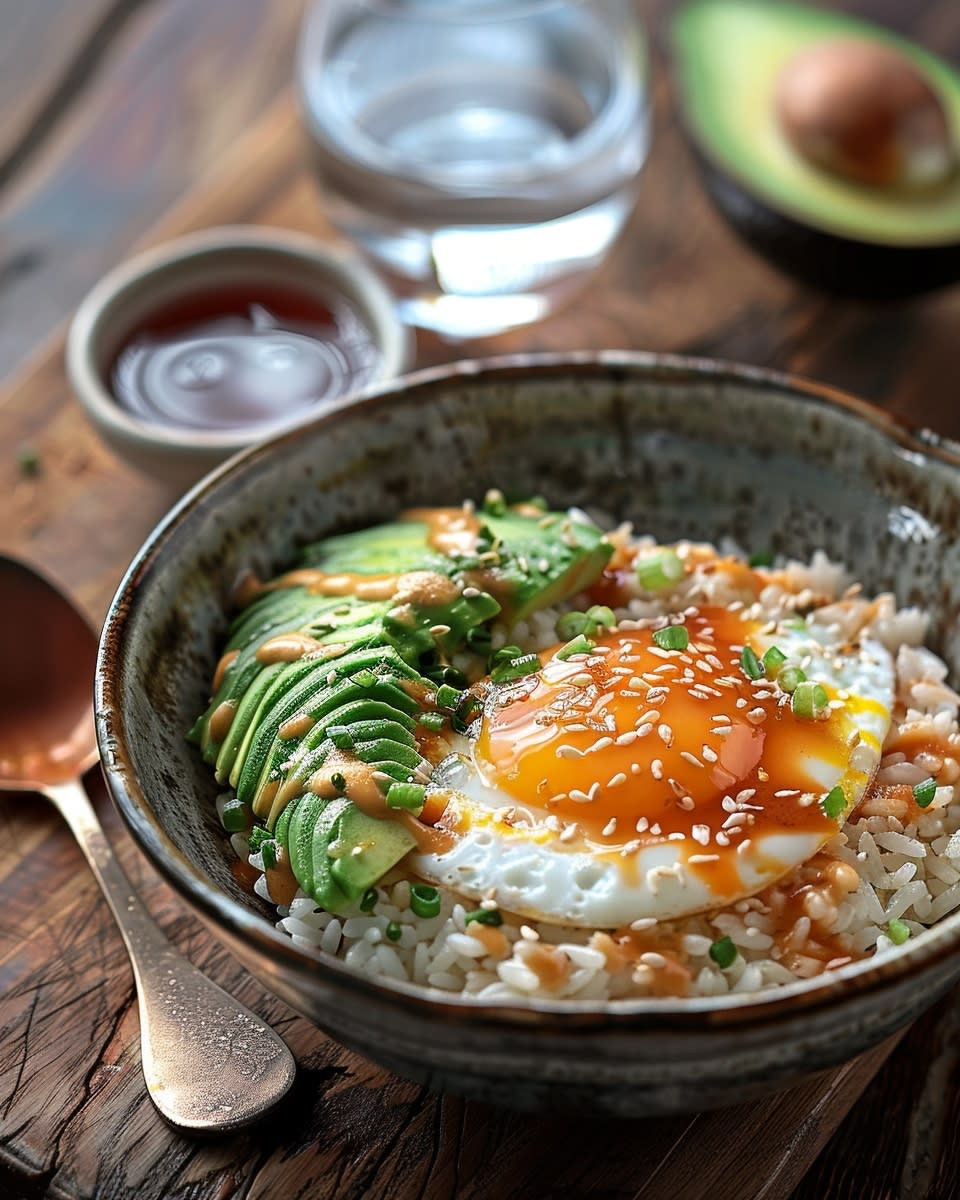
I’ll never forget the morning I overslept before an important work meeting. I had exactly seven minutes to pull myself together and eat something before rushing out the door. That’s when I discovered the magic of throwing rice and eggs together in a bowl. What started as a desperate breakfast move became my go-to meal whenever life gets hectic.
The Quick Rice and Egg Bowl is one of those rare dishes that checks every box. It’s fast, filling, and you probably already have everything you need sitting in your kitchen right now. I’ve made this bowl countless times as a rushed breakfast, a simple lunch, and even a late-night dinner when cooking feels like too much effort.
This dish works for everyone. Busy professionals love it because they can make it in under 15 minutes. Parents appreciate how easy it is to feed hungry kids without spending an hour in the kitchen. College students on a tight budget find it’s cheap to make and tastes way better than instant noodles.
The beauty of this bowl lies in its flexibility. You can keep it simple with just rice and eggs, or dress it up with whatever you find in your fridge. Some days I add leftover vegetables. Other times I throw in some protein. Every version turns out delicious.
From a health perspective, you’re getting a solid balance of nutrients. Eggs provide protein and essential vitamins. Rice gives you the energy-boosting carbs you need to power through your day. Add some vegetables, and you’ve got fiber and extra vitamins joining the party. It’s real food that actually makes you feel good, not that sluggish feeling you get after eating processed junk.
The ingredient list is refreshingly short. No fancy items that cost a fortune or expire before you can use them again. Just basics that most people already stock in their pantry. This makes the Quick Rice and Egg Bowl perfect for those nights when grocery shopping didn’t happen and you need to scrape together something satisfying.
I’ve served this bowl to friends who thought they didn’t like simple food. They always ask for the recipe, then laugh when I tell them there’s barely a recipe to share. The dish practically makes itself. That’s the point. Good food doesn’t need to be complicated.
Ingredients You’ll Need
Let me walk you through what goes into this quick meal. The main cast of characters is refreshingly simple.
Rice forms the base of your bowl. I usually use leftover rice from the night before because it actually works better than fresh rice for this dish. Day-old rice has a firmer texture that doesn’t turn mushy when you mix everything together. White rice, brown rice, jasmine rice – they all work great. I keep a container of cooked rice in my fridge specifically for making these bowls throughout the week.
Eggs are your protein star. You’ll need about two eggs per bowl, though I sometimes use three when I’m extra hungry. The eggs can be scrambled, fried sunny-side up, or even soft-boiled depending on your preference. I like runny yolks because they create a creamy sauce that coats the rice beautifully.
Vegetables add color, crunch, and nutrition. My usual picks include:
- Green onions for a mild, fresh bite
- Frozen peas or corn that I can grab straight from the freezer
- Shredded carrots for sweetness and texture
- Spinach or other leafy greens
- Bell peppers when I have them on hand
- Leftover roasted vegetables from dinner
Don’t stress about having all these vegetables. Even one or two types work perfectly fine. The goal is adding some nutrition and color, not creating a salad bar.
Seasonings bring everything together. Here’s what I reach for:
- Soy sauce for that savory, umami flavor
- Sesame oil (just a tiny drizzle makes a huge difference)
- Salt and pepper
- Garlic powder or fresh minced garlic
- A pinch of red pepper flakes if you like heat
The seasoning list might look long, but you only need small amounts. A splash here, a sprinkle there. Nothing complicated.
Now let’s talk about optional add-ins that transform this bowl from simple to seriously satisfying. These extras turn your basic rice bowl into a heartier meal that keeps you full for hours.
Chicken is my most frequent addition. I usually cook extra chicken breast or thighs during meal prep and keep them sliced in the fridge. You can use rotisserie chicken from the grocery store too. Just shred or dice it and toss it in. This option makes the bowl feel more substantial without adding much extra cooking time.
Tofu works wonderfully if you want a plant-based protein boost. I buy the firm or extra-firm kind, press out the excess water, then cube and pan-fry it until crispy. You can also use the pre-marinated, baked tofu from stores. It saves time and tastes delicious.
Shrimp cooks so fast that it barely adds any time to your meal prep. I keep a bag of frozen shrimp in my freezer for exactly this purpose. They thaw quickly under cold running water, and you can have them cooked in about three minutes. Toss them with a little garlic and they taste amazing.
Other protein options include leftover steak, ground turkey, canned tuna, or even beans. Use what you have. Use what you like. The bowl adapts to whatever you throw at it.
Here’s something I learned the hard way: ingredient quality matters. You don’t need expensive, fancy items, but fresh vegetables taste noticeably better than wilted ones. Eggs from happy chickens have richer, more flavorful yolks. Good soy sauce makes a difference compared to the watery, super salty versions.
I’m not saying you need to shop at specialty stores or blow your budget. Just pick the freshest vegetables you can find. Check the dates on your eggs. Buy soy sauce that has a short ingredient list. These small choices add up to a bowl that tastes homemade and satisfying, not thrown together and sad.
The total cost for one bowl usually runs between two to four dollars, depending on what you add. Compare that to takeout or even fast food, and you’re saving serious money. Plus you know exactly what’s going into your body.
One tip about rice: if you don’t have leftovers, you can make instant rice in about ten minutes. It works in a pinch. I also sometimes use microwaveable rice packets when I’m feeling extra lazy. No judgment here. We’re going for easy meals that actually happen, not perfect meals that stay as good intentions.
Storage is another win for this dish. Keep your ingredients prepped in separate containers, and you can throw together a bowl in literally five minutes. I chop vegetables on Sunday, cook a batch of rice, and prep any proteins. Then during the week, making this bowl becomes almost effortless.


Now that you’ve got all your ingredients lined up and ready, let’s actually make this thing happen.
How to Make the Perfect Quick Rice and Egg Bowl
Here’s the thing about this easy recipe – the cooking process is so straightforward that you’ll have it memorized after making it once. But let me walk you through exactly how I do it to get the best results every single time.
First, grab your cooked rice from the fridge. If it’s cold and clumpy, don’t worry. Break it up with your hands or a fork before you start cooking. I learned this after trying to break up cold rice while it was already in a hot pan – not fun and definitely not efficient. Room temperature rice works even better, so sometimes I pull it out about fifteen minutes before I start cooking.
Heat up your pan or wok over medium-high heat. I use a non-stick skillet most days because cleanup is easier, but a regular pan works fine too. Add about a tablespoon of oil. I alternate between vegetable oil, olive oil, and sometimes butter depending on my mood. The butter adds a richer flavor that reminds me of fried rice from my favorite takeout spot.
Toss your rice into the hot pan. Spread it out in an even layer and let it sit for about a minute without stirring. This creates those slightly crispy bits that make the texture so much more interesting. Then stir everything around, breaking up any remaining clumps. You want each grain separated and lightly toasted. This usually takes about three to four minutes total.
Push your rice to one side of the pan. This is when we tackle how to cook rice and eggs together without ending up with a confused mess. On the empty side of the pan, add a little more oil if needed. Crack your eggs directly into that space.
For scrambled eggs with a fluffy texture, here’s my technique: Let the eggs sit for about twenty seconds until the edges start setting. Then use your spatula to gently push the cooked edges toward the center, tilting the pan so the raw egg flows into the empty spaces. Keep doing this until you have soft, fluffy curds. The key is removing them from heat while they’re still slightly wet – they’ll continue cooking from residual heat. Overcooking makes them rubbery and sad.
If you prefer a fried egg instead, you can make one separately and slide it on top at the end. I actually do this version when I’m making a rice bowl with fried egg for dinner because that runny yolk situation is just unbeatable. When the yolk breaks and mixes with everything else, it creates this creamy sauce that’s better than any bottled dressing.
Now mix your eggs into the rice. This is where timing really matters. You want everything hot at the same time, which is why we cooked them in the same pan. Add your vegetables next. Frozen peas or corn can go right in – they’ll thaw and heat up in about a minute. Fresh vegetables might need two to three minutes depending on how crunchy you like them.
Season your bowl while everything’s still in the pan. I drizzle about a tablespoon of soy sauce over everything, mixing it around so every bite gets that savory flavor. Add a few drops of sesame oil – seriously, just a few drops because this stuff is potent. If you’re heavy-handed like I was the first time, your bowl will taste like you’re eating sesame seeds straight from the bottle.
Taste it. This step matters more than you’d think. Maybe it needs more salt. Maybe another splash of soy sauce. Some days I’m craving more garlic, so I add extra. Don’t be scared to adjust things. This is your healthy meal, and it should taste exactly how you want it.
For presentation, I learned from watching way too many cooking videos that layering creates visual appeal even in simple dishes. Scoop your rice and egg mixture into a bowl. If you made a fried egg separately, place it right in the center. Arrange any protein around the edges. Sprinkle fresh green onions on top. Maybe add some sesame seeds if you’re feeling fancy.
The whole process from start to finish takes about twelve to fifteen minutes. Seriously. I’ve timed myself multiple times because my roommate didn’t believe me when I said I could make dinner in under fifteen minutes. Now she makes this bowl at least twice a week too.
One morning when I was running particularly late, I discovered you can even meal prep the entire bowl. Cook everything except the egg the night before. In the morning, just reheat the rice in the microwave and fry an egg on top. Three minutes and you’re eating breakfast. This trick works great for those one pan veggie pasta type situations where you want convenience without sacrificing real food.
The beauty of mastering this technique is that it opens up so many variations. Once you understand how to cook rice and eggs together properly, you can apply the same method to fried rice, breakfast scrambles, or even more elaborate rice dishes. You’re learning a fundamental cooking skill disguised as a simple meal.
Health Benefits of Your Rice and Egg Bowl
Let’s talk about what this bowl actually does for your body, because it’s way more nutritious than people give it credit for.
Eggs pack a serious protein punch. Two eggs give you about 12-14 grams of protein, which helps build and repair your muscles. They also contain all nine essential amino acids your body needs but can’t make on its own. I didn’t really understand what that meant until my gym buddy explained it – basically, eggs are a complete protein source, which is pretty impressive for something so affordable and accessible.
The yolks contain choline, which supports brain health and memory. They’ve also got vitamin D, which tons of people are deficient in without even knowing it. My doctor actually told me to eat more eggs after my vitamin D levels came back low on a blood test. Who knew my breakfast could be part of the solution?
Rice provides the carbohydrates your body converts into energy. I know carbs get a bad reputation in some diet circles, but your brain literally runs on glucose that comes from carbs. Without them, you feel foggy and tired. Brown rice adds extra fiber and nutrients compared to white rice, though honestly, I use whatever I have on hand and don’t stress about it too much.
The nutritional value of rice and egg bowl increases significantly when you add vegetables. That’s when you’re getting vitamins A, C, and K plus minerals like potassium and magnesium. The fiber from vegetables helps your digestion and keeps you feeling full longer, which prevents that mid-morning snack attack that usually leads me straight to the vending machine.
Funny enough, this bowl contains a pretty balanced macronutrient profile without even trying. You’ve got protein from the eggs, carbs from the rice, and if you add a little oil or avocado, you’re covering the healthy fats too. Nutritionists spend all this time talking about balanced meals, and you can achieve it in one bowl without measuring or calculating anything.
By the way, adding different proteins changes the nutritional profile in interesting ways. When I throw in some leftover chicken, I’m boosting the protein even more, which is great for days when I work out. Tofu adds plant-based protein plus iron, which vegetarians especially need to pay attention to. Even that quesadilla with cheese and chicken I sometimes make has similar protein benefits, though obviously with more cheese and different carbs.
The sodium content is something to watch if you’re monitoring salt intake. Soy sauce contains quite a bit of sodium, so I use the low-sodium version most days. You can also use coconut aminos as a substitute – it tastes similar but has less salt. My mom uses it because her doctor recommended reducing sodium, and she says you barely notice the difference.
What makes this bowl genuinely healthy is what’s NOT in it. No preservatives, no artificial flavors, no ingredients you can’t pronounce. You’re eating real food – eggs, rice, vegetables, basic seasonings. Your body recognizes these ingredients and knows exactly what to do with them, unlike processed foods packed with weird chemicals.
The portion size naturally prevents overeating too. One bowl fills you up without making you feel stuffed and uncomfortable. I used to eat way too much pasta or pizza and then feel gross afterward. This bowl gives you that satisfied feeling without the food coma that follows heavy meals.
For anyone counting calories, a basic rice and egg bowl runs around 400-500 calories depending on your portions and add-ins. That’s a reasonable amount for a main meal. Compare that to restaurant meals that regularly hit 1,000+ calories, and you’re making a choice that supports whatever health goals you’re working toward.
I started making this bowl during a time when I was trying to eat better but didn’t want to follow some restrictive diet plan. It worked because I actually enjoyed eating it. That’s the secret to healthy eating nobody talks about – it has to taste good, or you won’t stick with it. This bowl tastes good. Like, good enough that I choose it even when I have other options. That’s when healthy eating becomes sustainable instead of just another failed resolution.
The same principle applies to other simple dishes in my rotation, like that chicken and cheese sandwich I make when I want something quick but satisfying. Real ingredients, simple preparation, actual nutrition. That’s the formula that works for everyday eating.


Variations and Customizations
Here’s where this dish really shines – the possibilities feel endless once you understand the basic formula. I’ve probably made fifty different versions of this bowl over the past year, and I’m still discovering new combinations that make me excited about dinner.
This versatile recipe adapts to whatever eating style you follow. I have friends who eat completely different diets, and every single one of them can enjoy a version of this bowl that fits their needs.
For my vegetarian friends, the standard rice and egg bowl already works perfectly. The eggs provide all the protein you need, and loading up on colorful vegetables makes it even more satisfying. One of my college roommates was vegetarian, and she’d add chickpeas to her bowl for extra protein and texture. The chickpeas get slightly crispy when you pan-fry them with the rice – seriously delicious. If you’re looking for how to make a vegetarian rice and egg bowl that feels substantial, chickpeas or black beans are your answer.
My vegan coworker showed me her version that uses scrambled tofu instead of eggs. She crumbles firm tofu and seasons it with turmeric for color, plus black salt for that eggy flavor. I was skeptical at first, but when she made it for our office potluck, I couldn’t tell much difference taste-wise. The texture is slightly different, but in a good way – lighter somehow.
For folks following keto or low-carb diets, cauliflower rice completely replaces the regular rice. I tried this during a month when I was experimenting with cutting carbs, and honestly, it worked better than expected. You lose that comforting starchiness, but the eggs and vegetables still create a satisfying meal. Add extra cheese or avocado to boost the fat content and make it more filling.
The rice itself offers tons of room for creativity. Brown rice adds nuttiness and chewiness that white rice doesn’t have. Wild rice brings this earthy, almost tea-like flavor that pairs beautifully with mushrooms and garlic. Jasmine rice smells incredible and has a subtle floral note. Basmati rice stays fluffy and separated, which creates a different mouthfeel.
But why stop at rice? Quinoa works wonderfully as a base and adds complete protein to the mix. I keep both white and red quinoa in my pantry because they cook quickly and store well. Farro gives you this chewy, hearty texture that makes the bowl feel more rustic and filling. Even couscous works if you’re really in a rush – it cooks in like five minutes.
My friend who has celiac disease uses rice exclusively because it’s naturally gluten-free, but she changes up the rice and egg bowl variations by rotating through different vegetable combinations every week. One week it’s asparagus and cherry tomatoes. The next week she goes with broccoli and red bell peppers. Then maybe snap peas and mushrooms. Same basic bowl, completely different eating experience.
Seasonings transform this bowl from simple to spectacular without adding much effort. The Asian-inspired version with soy sauce and sesame oil is my default, but I’ve discovered so many other directions you can take it.
Try a Mexican-style bowl by swapping soy sauce for salsa and adding cumin, chili powder, and cilantro. Top it with avocado slices and a squeeze of lime. Sometimes I crumble queso fresco on top. This version tastes like a burrito bowl but comes together way faster.
Mediterranean flavors work surprisingly well too. Use olive oil instead of sesame oil, add sun-dried tomatoes, kalamata olives, and finish with crumbled feta cheese and fresh herbs like oregano or basil. I discovered this combination by accident when I was trying to use up ingredients before they went bad. Now it’s one of my favorite versions.
Indian spices create another whole dimension. Add curry powder, turmeric, and ginger while cooking the rice. Throw in some peas and diced tomatoes. Finish with a dollop of yogurt and fresh cilantro. My neighbor from Mumbai tasted my attempt at this version and gave me tips on balancing the spices better. Her main advice was not being afraid of using more ginger and adding a pinch of garam masala at the end.
For breakfast, I lean into classic American flavors. Cook the rice with butter, add scrambled eggs with cheese, maybe some bacon bits or sausage crumbles. Top with hot sauce or ketchup if that’s your thing. My dad was visiting last month and couldn’t believe this was “just rice and eggs” because it tasted like a full breakfast plate.
Vegetables offer endless variety. Beyond the basics I mentioned earlier, consider roasted Brussels sprouts for a slightly bitter, caramelized element. Zucchini adds moisture and mild flavor. Edamame brings protein and bright green color. Cabbage provides satisfying crunch and holds up well to heat.
Seasonal eating keeps things interesting too. In summer, I load up on fresh corn, tomatoes, and zucchini from the farmers market. Fall means butternut squash and kale. Winter brings root vegetables like diced sweet potatoes. Spring has asparagus and fresh peas. Following the seasons naturally creates variety without even trying.
Texture variations matter more than I initially realized. Sometimes I want everything soft and comforting. Other times I crave crunch, so I add water chestnuts, snap peas, or leave the vegetables slightly undercooked. Crispy fried shallots on top add amazing texture – you can buy them pre-made at Asian grocery stores. Crushed peanuts or cashews provide both crunch and richness.
The sauce situation opens up even more options. Beyond basic soy sauce, try teriyaki sauce for sweetness, sriracha mayo for creamy heat, or ponzu for citrusy brightness. I keep several bottles in my fridge and switch between them depending on my mood. Sometimes I mix soy sauce with a little honey and rice vinegar for a sweet-tangy glaze.
One rainy Saturday, I experimented with making this bowl more like fried rice by adding oyster sauce and white pepper. The result tasted almost identical to takeout fried rice but cost a fraction of the price. Now I make this version whenever I’m craving Chinese food but don’t want to order delivery.
Spice level customization matters if you’re feeding multiple people. I like things pretty spicy, so I add red pepper flakes or fresh sliced jalapeños to my portion. My partner thinks black pepper is pushing it spice-wise, so I keep the communal portion mild and everyone doctors their own bowl at the table.
Leftover integration might be the most practical aspect of this versatile recipe. That half-portion of grilled salmon from last night? Flake it into your bowl. Those three stalks of roasted asparagus sitting in the fridge? Chop them up and toss them in. The handful of shredded cheese that’s not enough for anything else? Melt it into your eggs. This bowl welcomes leftovers like no other dish I know.
For meal prep enthusiasts, making several variations at once works brilliantly. Cook a big batch of rice on Sunday, portion it into containers, then create different flavor profiles throughout the week by changing your seasonings and mix-ins. Monday could be Asian-style, Wednesday goes Mediterranean, Friday turns Mexican. Your lunch routine suddenly feels way less boring.
Frequently Asked Questions
Can I use leftover rice for this bowl?
Absolutely, and it actually works better than fresh rice. Day-old rice has dried out slightly in the fridge, which means the grains separate more easily and get crispier when you pan-fry them. Fresh rice tends to clump together and can turn mushy. I specifically make extra rice whenever I’m cooking it just so I have leftovers ready for making these bowls later in the week. Just break up any big clumps with your hands before adding it to the pan.
What are some good vegetable options besides the basics?
The vegetable possibilities go way beyond the standard choices. Try roasted Brussels sprouts, sautéed mushrooms, or diced bell peppers for different textures and flavors. Bok choy adds a mild, slightly sweet crunch that wilts beautifully when stir-fried. Snap peas and snow peas provide that satisfying crisp bite. Even frozen mixed vegetables work perfectly when you’re short on time or don’t have fresh options. Whatever vegetables you enjoy eating will probably taste great in this bowl, so experiment with your favorites.
Is this dish suitable for vegetarians?
Yes, the basic version with rice, eggs, and vegetables is completely vegetarian. The eggs provide plenty of protein to make it a complete meal. If you want to boost the protein even more, add chickpeas, black beans, or cubed pan-fried tofu. Just make sure any sauces you use are vegetarian-friendly – most soy sauce is fine, but some specialty Asian sauces contain fish ingredients. Check the labels if you’re strictly vegetarian or cooking for someone who is.
How long does it take to make this bowl from start to finish?
If you’re using leftover rice that’s already cooked, you can have this bowl ready in about twelve to fifteen minutes. The actual cooking time is around eight minutes, with a few minutes for prep like chopping vegetables or beating eggs. If you need to cook rice from scratch first, add another twenty to thirty minutes depending on your rice type. For the fastest version, use instant rice or those microwaveable rice packets that heat up in ninety seconds.
Can I make this bowl ahead of time for meal prep?
You definitely can prep components ahead, though I recommend keeping the egg separate until you’re ready to eat. Cook your rice and vegetables, portion them into containers, and store in the fridge for up to four days. When you’re ready to eat, reheat the rice and veggies, then cook a fresh egg on top. This gives you most of the convenience of full meal prep while keeping the eggs from getting rubbery. If you don’t mind the texture change, you can prep everything including the eggs and reheat the whole bowl together.
What’s the best type of egg preparation for this bowl?
That really depends on personal preference. Scrambled eggs mix throughout the rice and create an even distribution of protein in every bite. Fried eggs with runny yolks create a creamy sauce when you break the yolk and mix it through the rice – this is my personal favorite. Soft-boiled eggs give you a similar effect with less oil needed for cooking. Hard-boiled eggs work fine if that’s what you have on hand, though they’re a bit drier. Try different methods and see which one makes you happiest.
How can I make this bowl more filling without adding a lot of calories?
Bulk it up with non-starchy vegetables like cauliflower, broccoli, cabbage, or mushrooms. These vegetables add volume and fiber without many calories, keeping you satisfied longer. Another trick is using a mix of regular rice and cauliflower rice – you get the comfort of real rice but with more vegetables and fewer calories overall. Adding extra egg whites instead of whole eggs boosts protein without much fat. Seasoning everything well with spices, herbs, and a splash of low-sodium soy sauce makes lower-calorie versions taste just as satisfying as heavier ones.
What’s the best way to reheat this bowl if I made it ahead?
The microwave works fine for reheating – just add a tablespoon of water to the container before microwaving to prevent the rice from drying out. Cover it and heat for about two minutes, stirring halfway through. For better texture, reheat in a pan on the stove with a tiny bit of oil, stirring frequently until everything’s hot. This method recrisps the rice a bit and makes it taste freshly made. If you kept the egg separate, cook it fresh rather than reheating it for the best texture and flavor.
Can I freeze this rice and egg bowl?
Rice freezes well, but eggs don’t maintain their texture after freezing and thawing. If you want to freeze portions, I’d suggest freezing just the rice and any cooked vegetables or proteins in separate containers. Then when you’re ready to eat, thaw and reheat the rice components and cook a fresh egg to add on top. The rice will stay good in the freezer for up to three months in an airtight container. This approach gives you the convenience of frozen meals without the weird texture that frozen eggs develop.
Do I need any special equipment to make this bowl?
Nope, just basic kitchen tools you probably already own. A decent non-stick pan or wok makes cooking easier and cleanup faster, but a regular skillet works fine. You’ll need a spatula for stirring, a knife and cutting board for chopping vegetables, and a bowl to serve in. That’s literally it. No fancy gadgets, no expensive equipment, no specialty cookware. This is truly one of those dishes that proves you don’t need a lot of gear to make something delicious and satisfying.
The thing I love most about developing your own versions of this bowl is that it teaches you about flavor combinations and cooking techniques without feeling like you’re studying. You’re just making dinner and noticing what works. Maybe you discover that garlic and ginger together create magic. Or that a squeeze of fresh lemon brightens everything up. These little discoveries make you a better cook without even trying.
Planning your meals becomes simpler when you understand these basic building blocks. Resources like healthy meal planning guides can help you think about balanced nutrition, but once you master this flexible formula, you can apply it to countless meals. The same principles work whether you’re making a rice bowl, a grain salad, or even a wrap. If you’re exploring more ideas along these lines, check out other easy lunch recipes that follow similar simple patterns.
Don’t be afraid to mess up a version. I’ve made some pretty weird combinations that didn’t work at all. Like the time I tried adding peanut butter and it just made everything sticky and strange. Or when I used way too much fish sauce and couldn’t finish the bowl. Those failures taught me just as much as the successes. That’s how you develop your own cooking instincts.
Start with the basic version I outlined earlier. Make it a few times until you feel comfortable with the process. Then start experimenting with one change at a time. Swap the vegetables one week. Try different seasonings the next. Add a new protein after that. Before you know it, you’ll have a whole repertoire of bowls that never get boring.
The beauty of this simple recipe is that it grows with you. It works when you’re a beginner just learning to cook. It stays useful when you’re an experienced cook who wants something quick. It adapts to changing dietary needs, different budgets, and evolving tastes. That’s what makes it worth learning and keeping in your regular rotation.
So grab whatever ingredients are hanging out in your kitchen right now and make yourself a bowl. Pay attention to what you love about it and what you’d change next time. Maybe take a photo and text it to a friend. These small cooking moments add up to a healthier, more satisfying way of eating that doesn’t feel like work. That’s what good food should do – nourish you without stressing you out. This quick rice and egg bowl does exactly that, meal after delicious meal.
Ingredients
Equipment
Method
- Take the cooked rice out of the fridge and break it up if clumpy.
- Heat a non-stick skillet over medium-high heat and add about a tablespoon of oil.
- Add the rice to the skillet, spreading it in an even layer and letting it sit for 1 minute to get crispy bits.
- Stir the rice for 3-4 minutes until heated through.
- Push the rice to one side of the pan and crack the eggs into the empty side. Scramble the eggs until soft and fluffy, then mix into the rice.
- Add your choice of vegetables and protein, if using.
- Drizzle soy sauce and sesame oil over the mixture, season with salt, pepper, garlic powder, and red pepper flakes to taste.
- Serve immediately, garnished with fresh green onions and optional toppings like sesame seeds.