
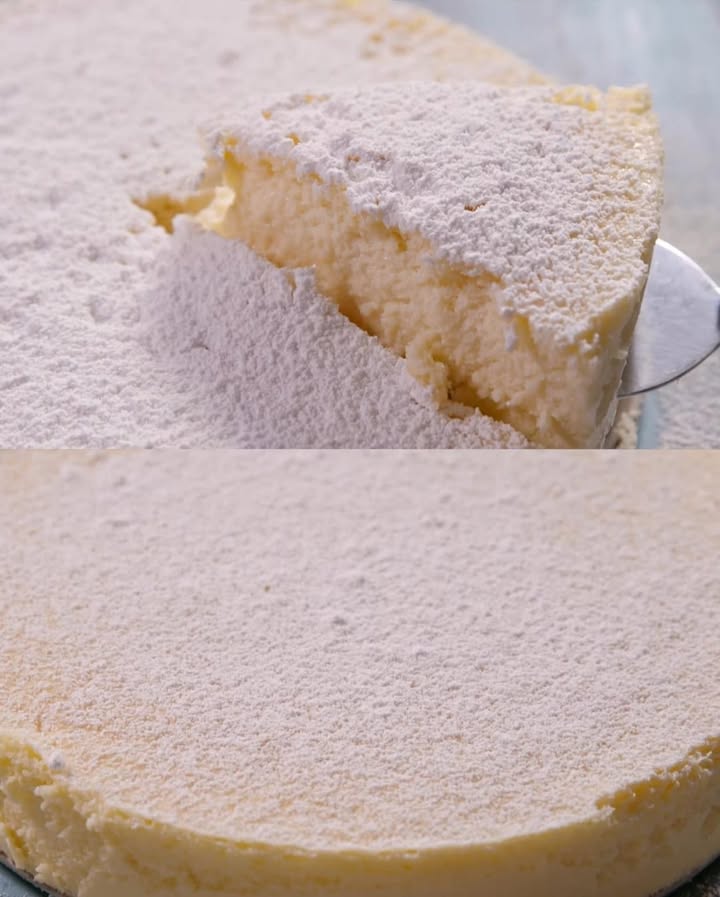
My Ultimate Creamy Baked Cheesecake: A Love Story
Have you ever had a dessert so good it made you want to weep with joy? This baked cheesecake did that to me. I remember the first time I served it to my friends. The silence that followed, broken only by contented sighs, told me everything. This wasn’t just another dessert. This was a Creamy Baked Cheesecake that felt like a hug. It’s velvety, dreamy, and surprisingly simple. Let me share this little piece of happiness with you.
The Tale of the Cheesecake: From Ancient Tables to My Kitchen
Cheesecake’s story is older than you might think. Some say it dates back to ancient Greece! Of course, my version is a bit more modern. It leans on that magical can of sweetened condensed milk, a staple in many home kitchens for its creamy, rich sweetness. This recipe is a beautiful blend of old-world charm and new-world convenience. It brings the elegance of a classic baked cheesecake into our busy lives without the fuss.
Why You’ll Fall in Love With This Simple Cheesecake
You’ll adore this recipe for so many reasons. First, the flavor is pure luxury. It’s rich and creamy without being too heavy. Second, it uses just a handful of ingredients you probably already have. No fancy tools needed! Finally, the method, with its folded-in egg whites, gives it an almost soufflé-like lightness. It’s a showstopper dessert that doesn’t require a chef’s diploma to make.
When to Bake Your Beautiful Cheesecake
This cheesecake is your secret weapon for any event that calls for a special touch. It’s perfect for birthday dinners, where it feels celebratory but not childish. Bring it to a potluck, and you’ll instantly become the most popular person there. It’s also my go-to for holiday gatherings like Thanksgiving or Christmas. And let’s not forget lazy Sunday family dinners. Turning a simple meal into a feast is its special talent.
What You Need: The Simple Ingredients List
Gathering your ingredients is the first step to bliss. Here’s what you’ll need:
- 5 large eggs, separated
- 1 (18 ounce) block of cream cheese, softened
- 1 (14 ounce) can of sweetened condensed milk
- Powdered sugar, for serving (optional)
Smart Swaps: Ingredient Substitution Options
Don’t worry if you need to make a change! You can use Neufchâtel cheese instead of full-fat cream cheese for a slightly lighter option. For a different flavor profile, try a flavored condensed milk, like chocolate or dulce de leche. If you’re mindful of added sugars, you can look for a reduced-sugar condensed milk option, though the texture might vary slightly. Always remember to be mindful of low added sugar options for your overall diet.
Crafting Your Dreamy Baked Cheesecake: Step-by-Step
Step 1: Getting Started with Heat and Cream Cheese
First, invite your oven to the party! Preheat it to 325°F (165°C). Now, let’s tackle the cream cheese. It must be softened to room temperature. This is crucial for a smooth batter. Take your block of cream cheese and beat it in a large bowl until it’s completely smooth and lump-free. This takes about a minute with a handheld mixer. You’ll see it transform from a solid block into a pale, creamy cloud.
Step 2: Bringing in the Sweetness and Egg Yolks
Next, pour in that glorious can of sweetened condensed milk. Its thick, golden syrup will mix with the cream cheese into a beautifully homogenous, pale yellow mixture. Beat them together for another minute. Now, add your egg yolks. The vibrant orange-yellow yolks will enrich the color and texture. Beat everything for two full minutes until it’s utterly combined and silky. Pro tip: Scrape down the sides of the bowl halfway through to ensure everything is mixed well.
Step 3: Whipping Up the Magic Egg Whites
This step adds the magic lift! In a separate, clean bowl, beat your egg whites. Start slow, then increase the speed. Watch them go from clear and frothy to white and voluminous. After 5 to 6 minutes, they’ll form stiff peaks. That means when you lift the beaters, the peaks stand straight up without falling. These fluffy clouds are key for a light cheesecake texture.
Step 4: Gently Folding for a Light Texture
Now, gently marry the two mixtures. Using a spatula, softly fold the whipped egg whites into the cream cheese base. Don’t stir aggressively! Fold gently from the bottom of the bowl to the top. This preserves the air bubbles in the egg whites. You’ll see the batter become lighter, airier, and increase in volume. It should be fully combined without losing its fluffy promise.
Step 5: Preparing the Pan for a Water Bath
Take your 8 or 9-inch skillet (or springform pan). Tightly wrap the outside bottom and sides with aluminum foil. This waterproofs it. Spray the inside with cooking spray. Gently transfer your beautiful batter to the pan. It will be soft and jiggly. Place this pan inside a larger baking dish, like a roasting pan. Pour boiling water into the larger dish until it comes about one-third up the side of the cheesecake pan. This water bath is your secret for a crack-free, evenly cooked cheesecake.
Step 6: Baking and Cooling with Patience
Slide the whole setup into your preheated oven. Bake for 50 minutes. The top will be lightly golden and set. Here’s the crucial part: do not open the oven! Turn off the heat and let the cheesecake cool inside the closed oven for 1 hour. This gradual cooling prevents shocking and sinking. Then, remove it and let it cool completely on the counter. Chef’s tip: Running a knife around the edge before cooling can help prevent sticking, but wait until it’s fully cooled to slice.
Timing Your Cheesecake Journey
| Stage | Time |
|---|---|
| Preparation Time | 20 minutes |
| Baking Time | 50 minutes |
| In-Oven Cooling | 1 hour |
| Final Cooling | 2+ hours (best overnight) |
| Total Time (until serving) | About 4 hours minimum |
Chef’s Secret: The Room Temperature Rule
My biggest secret? Temperature harmony. Ensure your cream cheese and eggs are truly at room temperature before you start. Cold cream cheese will never blend smoothly. Cold egg whites won’t whip up as high. Let them sit out of the fridge for at least 30 minutes. This simple step guarantees a seamlessly smooth batter and the highest, fluffiest egg whites.
A Little Extra Slice of Information
Did you know the water bath technique is called “bain-marie”? It’s a classic French method for gentle cooking. It creates a humid environment in the oven. This protects delicate dishes like custards and cheesecakes from drying out or cooking too fast on the edges. It’s the old-world trick that gives you a perfectly creamy center every time.
Gathering Your Equipment
You don’t need much! Here’s your toolkit:
- Handheld mixer or stand mixer
- Two large mixing bowls
- Spatula
- 8 or 9-inch skillet or springform pan
- Aluminum foil
- Large roasting pan or baking dish for the water bath
- Cooking spray
Storing Your Creamy Creation
Once cooled completely, cover the cheesecake tightly with plastic wrap or place it in an airtight container. It must be refrigerated. This creamy baked cheesecake will keep beautifully in the fridge for up to 5 days. The cold fridge actually helps the flavors settle and the texture become even more set, making slicing easier after a day.
For longer storage, you can freeze it. Wrap the whole cheesecake or individual slices tightly in plastic wrap, then in aluminum foil. Place it in a freezer-safe bag. It can be frozen for up to 2 months. To serve, thaw it overnight in the refrigerator. This method preserves its creamy texture remarkably well.
Always store the cheesecake away from strong-smelling foods in the fridge. Its delicate flavor can absorb odors. For the best taste and texture, I find that serving it within 3 days is ideal. The quality remains peak during that time.
My Best Tips and Advice for Success
- Softening Cream Cheese: If you forgot to take it out, microwave it on low power for 10-15 seconds. Do not let it melt.
- Clean Bowl for Whites: Any trace of fat (like yolk) in the egg white bowl can prevent proper whipping. Ensure bowls and beaters are squeaky clean.
- No Quick Peeking: Resist opening the oven door during baking or the in-oven cooling. Temperature swings are the enemy.
- Cool Completely: A cheesecake needs to be fully cold to slice cleanly. Rushing leads to a messy, gooey slice.
Presenting Your Masterpiece
A dusting of powdered sugar right before serving is classic and lovely. You can also top it with:
- A pile of fresh berries like strawberries or raspberries.
- A drizzle of homemade strawberry or raspberry sauce.
- A dollop of whipped cream and a mint leaf for each slice.
- A simple lemon zest sprinkle for a fresh, bright touch.
Serve on your prettiest cake stand or plates. It deserves to shine!
Playing with Flavors: Healthier & Fun Variations
This recipe is a wonderful canvas for creativity. Here are six ideas to try:
- Berry Swirl: Puree fresh or frozen berries with a little honey. Swirl this into the batter before baking for bursts of fruit flavor and a gorgeous pink marbled effect.
- Citrus Zest: Add the zest of one lemon or orange to the cream cheese mixture. It gives a refreshing, aromatic lift without extra calories.
- Pumpkin Spice: Mix in ½ cup of pure pumpkin puree and a teaspoon of pumpkin pie spice. It’s perfect for autumn and adds vitamin-rich pumpkin.
- Greek Yogurt Blend: Substitute half the cream cheese with full-fat Greek yogurt. It adds tang and protein while lightening the fat content.
- No-Bake Option: For a summer-friendly version, skip the baking. Fold the mixture into a prepared crust and chill overnight. The texture is more mousse-like.
- Mini Cheesecakes: Use a muffin tin with liners. Divide the batter and bake for a shorter time. You get perfect portion-controlled individual treats.
If you love experimenting with desserts, you might also enjoy our decadent Chocolate Cappuccino Cake or our festive Christmas Tree Tarts. For another cheesecake adventure, try the tropical twist in our Hawaiian King Cheesecake Delight. And if you’re a fan of cookies and caramel, our Oreo Caramel Delight is a crowd-pleaser.
Common Mistakes to Avoid
Mistake 1: Using Cold Ingredients
This is the number one reason for a lumpy or dense cheesecake. Cold cream cheese refuses to blend smoothly. Cold egg whites won’t achieve the lofty stiff peaks needed for a light texture. Always plan ahead. Let your cream cheese, eggs, and even the condensed milk sit on the counter for 30-60 minutes before you start mixing. Your reward will be a perfectly homogenous, airy batter.
Mistake 2: Skipping or Messing Up the Water Bath
The water bath is not optional for this style of baked cheesecake. It ensures gentle, even heat. Skipping it often leads to a cracked top, overcooked edges, and an undercooked, soggy center. Also, ensure you wrap your pan tightly with foil. A leak can let water seep into the crust, making it soggy. Use heavy-duty foil and double wrap if needed for safety.
Mistake 3: Overmixing After Adding Egg Whites
Once you’ve whipped those egg whites to perfection, treat them gently! Folding is a soft, deliberate motion. If you use the mixer or stir vigorously, you’ll break all the tiny air bubbles you created. This deflates the batter. Your cheesecake will be dense and flat instead of light and tall. Use a wide spatula and fold with patience until just combined.
Mistake 4: Cutting the Cheesecake While Warm
Patience is the final ingredient. A warm cheesecake is a soft, unstable creature. Cutting into it will cause a messy, crumbling slice. It might even sink or weep liquid. Let it follow the full cooling process: in the oven, then on the counter, then in the fridge. I often chill it overnight. A fully cold cheesecake slices cleanly and holds its beautiful shape.
For more sweet inspiration, explore our entire collection of popular dessert recipes, where classics and new ideas live together.
Your Creamy Baked Cheesecake Questions Answered
Can I use low-fat cream cheese?
You can, but the result will be different. Full-fat cream cheese gives the richest flavor and the sturdiest, creamiest texture. Low-fat or Neufchâtel cheese contains more water and less fat. This can lead to a softer, sometimes slightly grainy texture, and the cheesecake may not set as firmly. If you do use it, make sure it’s still well softened. The flavor will be lighter, which some people prefer.
Why do I need to separate the eggs?
Separating the eggs serves a specific purpose in this recipe. The egg yolks add richness, color, and help bind the batter. The egg whites, when whipped and folded in, act as a leavening agent. They incorporate air into the batter. This gives the cheesecake a lighter, almost soufflé-like texture compared to denser New York-style cheesecakes. It’s a classic technique for a fluffier result.
My egg whites won’t form stiff peaks. What went wrong?
A few common issues can prevent stiff peaks. First, your bowl or beaters might have traces of fat or yolk. Fat inhibits whipping. Ensure everything is meticulously clean. Second, your eggs might be too cold. Room temperature eggs whip better. Third, you might not be whipping long enough. It can take 5-6 minutes of beating at medium-high speed. Don’t rush it. Watch for the stage where the whites are glossy and peaks stand straight up.
Can I make this without a springform pan?
Absolutely! The recipe suggests an 8 or 9-inch skillet, which works perfectly. Any oven-safe dish of similar size that you can wrap in foil will do. You could use a regular cake pan or a deep pie plate. The key is ensuring you can wrap it for the water bath and that it’s deep enough for the batter to rise slightly during baking. Just be sure to grease it well before adding the batter.
How do I know when the cheesecake is done baking?
Don’t rely on a toothpick test like for cakes. For this cheesecake, the top should be set and have a very light golden color, especially around the edges. The center will still have a slight jiggle when you gently shake the pan. It should look set but not firm. The famous “jiggle” should be in the center only, not the whole surface. This indicates it will set further during the cooling process.
What if I don’t have a large pan for the water bath?
You can improvise! Any baking dish larger than your cheesecake pan will work. A roasting pan is ideal. If you don’t have one, you can place the wrapped cheesecake pan on a large baking sheet. Then, carefully pour boiling water into the baking sheet around the pan. The goal is to create a shallow pool of water that surrounds the cheesecake with steam. Just be careful when moving the setup.
Can I add a crust to this cheesecake?
This particular recipe is designed to be crust-less, which is part of its light charm. However, you can add one if you love crust. Simply press a pre-made or homemade graham cracker or shortbread crust into the bottom of your pan before adding the batter. Ensure the crust is chilled or baked first so it doesn’t get soggy. The baking time might need a slight adjustment as the crust adds insulation.
Why does it need to cool in the oven?
The gradual cooling inside the turned-off oven is a protective step. A cheesecake is very sensitive to sudden temperature changes. If you pull it from a hot oven into a cooler room, it can contract quickly. This often leads to cracking on the top or sinking in the center. Letting it cool slowly in the oven’s residual heat allows it to set gently and evenly, preserving its smooth surface.
How long should I chill it before serving?
While you can serve it after it’s fully cooled on the counter (about 2 hours), chilling in the refrigerator makes it even better. I recommend at least 4 hours of chill time, preferably overnight. The cold temperature allows the structure to firm up completely. This makes slicing clean and easy. It also allows the flavors to meld and deepen, giving you the best possible taste experience.
Can I freeze leftover cheesecake?
Yes, cheesecake freezes beautifully. Wrap individual slices or the whole cheesecake tightly in plastic wrap. Then, wrap again in aluminum foil or place in a freezer bag. Freeze for up to 2 months. Thaw overnight in the refrigerator. Do not thaw at room temperature, as this can make the texture watery. Freezing is a great way to enjoy a slice of your homemade dessert weeks later.
The Final Slice
This creamy baked cheesecake is more than a recipe. It’s a experience of creating something truly special with simple steps. It’s about the joy of watching egg whites turn into clouds. It’s about the pride of presenting a dessert that looks and tastes luxurious. I hope it becomes a cherished recipe in your home, just like it is in mine. Bake it, share it, and enjoy every creamy, dreamy bite. Happy baking!