
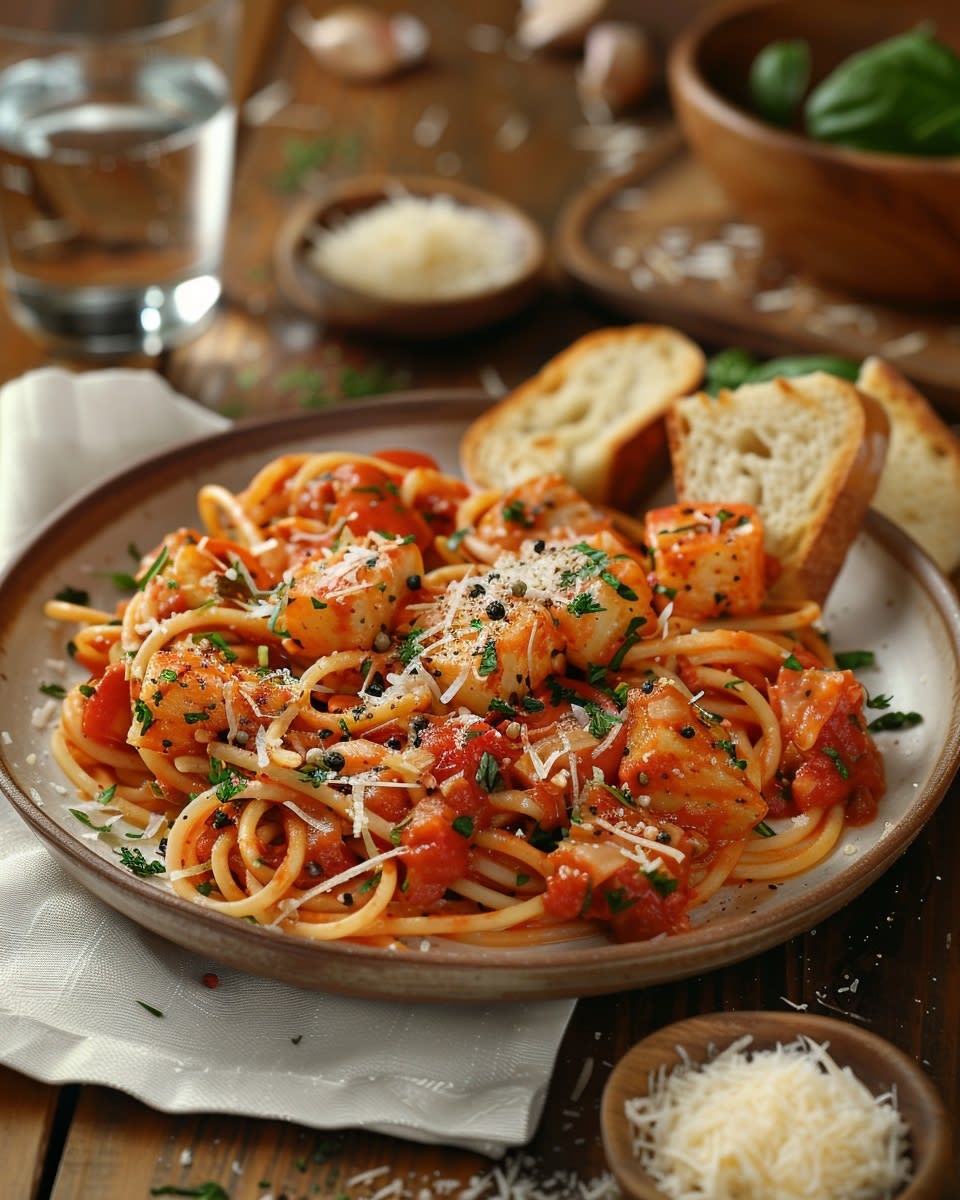
Welcome to My Kitchen: Let’s Make Easy Tomato Pasta Together
Picture this: It’s 6 PM on a Tuesday. You just got home from work, the kids are hungry, and the last thing you want to do is spend two hours in the kitchen. I’ve been there more times than I can count. That’s when I reach for my go-to solution: a big pot, some pasta, and a handful of fresh tomatoes. Within 20 minutes, dinner is on the table and everyone’s happy. This is exactly why easy tomato pasta has become my kitchen lifesaver.
Today, I’m thrilled to share some of my favorite tomato pasta recipes that have rescued countless weeknight dinners in my home. These aren’t fancy restaurant dishes that require a culinary degree. They’re simple, practical recipes that real people make in real kitchens. Whether you’re cooking for picky eaters, trying to eat healthier, or just want something tasty without the fuss, you’re in the right place.
The beauty of these recipes is that they work for everyone. I’ve taught my teenage daughter how to make them. My husband whips them up on weekends. Even my mother-in-law, who swears she can’t cook, has mastered a few. If you can boil water and chop a tomato, you can make these dishes.
Why Easy Tomato Pasta Is Your New Best Friend
Let me tell you why easy tomato pasta deserves a permanent spot in your weekly meal rotation. First off, it’s incredibly versatile. You can dress it up for guests or keep it simple for a quiet night in. Add chicken for protein lovers. Toss in some spinach for the veggie fans. Make it creamy tomato pasta with a splash of cream or keep it light with just olive oil and garlic.
Speed is another huge factor. Most easy pasta recipes take less than 30 minutes from start to finish. That’s faster than ordering takeout and waiting for delivery. I’ve made fresh tomato pasta in 15 minutes flat when I was running late for dinner. No joke.
The ingredient list is refreshingly short too. You don’t need a pantry full of exotic spices or hard-to-find items. Basic pasta, tomatoes, garlic, olive oil, and salt will get you 90% of the way there. Everything else is optional. This makes grocery shopping easier and keeps costs down.
Health Benefits That Actually Matter
Here’s something that might surprise you: healthy tomato pasta recipes can actually support your wellness goals. Tomatoes are packed with lycopene, which is great for heart health. This matters especially if you’re wondering what pasta is best for high blood pressure or what pasta is good for high cholesterol.
For blood pressure concerns, I recommend using whole wheat pasta or legume-based pasta varieties. These options have more fiber and less refined carbs. Pair them with an Italian tomato pasta sauce made from scratch, and you control the sodium content. Store-bought sauces often hide tons of salt.
If cholesterol is your concern, focus on using olive oil instead of butter. Add plenty of vegetables like cherry tomato pasta with zucchini or bell peppers. Skip the heavy cream or use a small amount of low-fat milk instead. You can still enjoy creamy tomato pasta without sabotaging your health goals.
I learned this the hard way when my doctor suggested I watch my cholesterol levels. I thought I’d have to give up pasta completely. Turns out, I just needed to make smarter choices about ingredients and portions. Now I enjoy pasta twice a week without any guilt.
The Magic Formula for Perfect Tomato Pasta
People always ask me: How to make the perfect tomato pasta? The answer is simpler than you think. It comes down to three key elements: quality ingredients, proper technique, and good timing.
Start with the best tomatoes you can find. Fresh is wonderful when they’re in season. During winter months, good quality canned tomatoes work just as well. Sometimes even better. I keep both cherry tomatoes and canned San Marzano tomatoes in my kitchen at all times.
Your pasta water needs to be salty. Really salty. Like ocean water salty. This is how the pasta absorbs flavor. I add about two tablespoons of salt to a large pot of boiling water. Don’t worry, most of it goes down the drain with the water.
Save some pasta water before draining. This starchy liquid is liquid gold for your sauce. It helps the sauce cling to the pasta and brings everything together. I always scoop out at least one cup before I drain the pot.
Building Your Tomato Sauce Foundation
Let’s talk about sauce basics. You’re probably wondering what are the 4 ingredients in tomato sauce for pasta? The classic answer is tomatoes, garlic, olive oil, and salt. That’s it. Everything else builds on this foundation.
For a basic easy tomato pasta sauce, I heat olive oil in a pan, add sliced garlic, and cook until fragrant. Then in go the tomatoes. If using fresh, I squeeze them with my hands as they go in the pan. Canned tomatoes get crushed with a wooden spoon. Add salt and let it simmer for 10 to 15 minutes.
Want to use pasta with tomato paste? Add a tablespoon or two to deepen the flavor. Tomato paste is concentrated tomato goodness. It adds richness and color to your sauce. Just cook it for a minute with the garlic before adding other liquids. This removes the raw taste.
For an easy tomato pasta bake, make your sauce as usual, mix it with cooked pasta, top with cheese, and bake at 375°F for 20 minutes. It’s comfort food at its finest. My kids request this at least once a week.
Why These Recipes Work for Busy Lives
I’m not going to pretend I have hours to spend cooking every day. Between work, family, and everything else, dinner needs to happen fast. That’s why these tomato pasta recipes fit perfectly into real life.
You can prep ingredients ahead of time. Chop garlic and store it in olive oil. Wash and halve cherry tomatoes on Sunday for the week ahead. Make a big batch of sauce and freeze portions for later. These small steps save precious minutes on hectic evenings.
The recipes also scale easily. Cooking for one? Cut everything in half. Feeding a crowd? Double or triple the recipe without changing cooking times much. I’ve made the same basic recipe for two people and for twelve dinner guests.
Kids love these dishes too. Even picky eaters usually enjoy pasta with tomato sauce. You can sneak in vegetables by blending them into the sauce. My youngest has no idea she’s eating carrots and celery in her favorite creamy tomato pasta.
Ready to get cooking? In the following sections, I’ll walk you through specific recipes that have become staples in my kitchen. Each one is tested, approved, and loved by my family. Let’s make dinner easy and delicious together.


Let’s Explore Different Types of Easy Tomato Pasta Dishes
Now that you understand the basics, it’s time to dive into the fun part—actually making these dishes. Over the years, I’ve discovered that not all tomato pasta is created equal. Each style has its own personality, if you will. Some are bright and fresh, others rich and indulgent. The best part? You can master all of them without breaking a sweat.
Fresh Tomato Pasta: Summer on a Plate
There’s something absolutely magical about fresh tomato pasta made during peak tomato season. I’m talking about those late July and August days when farmer’s market tomatoes are bursting with flavor and practically begging to be eaten. This is the dish I make when I want to taste summer itself.
The technique here is completely different from cooked sauce. You’re not simmering anything for hours. Instead, you let the tomatoes marinate at room temperature while the pasta cooks. I chop up about two pounds of ripe tomatoes—heirlooms are fantastic, but regular ones work fine too. Sometimes I mix in cherry tomato pasta varieties because those little guys pack serious sweetness.
Here’s what I do: Dice the tomatoes into a large bowl. Add minced garlic, torn fresh basil leaves, good olive oil, and a generous pinch of salt. Then I just let it sit there while I boil the pasta. The tomatoes release their juices, the garlic mellows slightly, and everything melds together beautifully. When the pasta is done, I toss it directly into that bowl of fresh tomatoes. The heat from the pasta warms everything just enough without cooking it.
My neighbor Maria taught me a trick she learned in Sicily. She adds a handful of toasted pine nuts and a sprinkle of good Parmesan cheese right at the end. Game changer. The nuttiness adds texture and depth that makes this simple dish feel special. If you’re looking for other quick meals with bold flavors, you might enjoy my fast chicken stir fry which uses similar fresh ingredient techniques.
One word of caution: This recipe lives and dies by tomato quality. If your tomatoes taste like cardboard, so will your pasta. Wait until tomatoes are actually in season, or skip to one of the cooked versions below. Trust me on this.
Creamy Tomato Pasta: Comfort in a Bowl
Okay, let’s talk about creamy tomato pasta. This is what I make when I need a hug from the inside out. We’ve all had those days, right? The ones where only something rich and comforting will do. This dish delivers every single time.
The secret to great creamy tomato sauce is balancing the acidity of tomatoes with the richness of cream. Too much cream and it tastes heavy. Too little and you’ve just got watery tomato sauce. I’ve found the sweet spot is about half a cup of heavy cream for every two cups of tomato sauce.
I start by making a basic tomato sauce like I mentioned earlier. Once that’s simmered for about ten minutes, I stir in the cream and let it cook together for another five minutes. The sauce turns this gorgeous peachy-pink color. Sometimes I add a tablespoon of pasta with tomato paste to intensify the tomato flavor since cream can mellow it out quite a bit.
Here’s the thing though: You don’t always need heavy cream. I’ve made lighter versions using half-and-half, whole milk, or even cashew cream for a dairy-free option. Greek yogurt works too if you add it off the heat right before serving. The texture changes slightly, but the creamy comfort remains.
For protein, grilled chicken works wonderfully in this sauce. Actually, if you’re batch cooking, leftover chicken from a baked chicken wrap dinner fits perfectly here. Just shred it and stir it into the sauce. My husband also loves when I add crispy pancetta or bacon. The smoky saltiness cuts through the cream beautifully.
A funny thing happened last month. My daughter’s friend came over for dinner, and I made this dish. She’d never liked tomato sauce before. But this creamy version? She had two servings and asked for the recipe to take home to her mom. Sometimes presentation really is everything.
Italian Tomato Pasta Sauce: The Real Deal
Let’s get real about Italian tomato pasta sauce for a second. I’m not talking about the Americanized versions loaded with sugar and oregano. I mean the authentic, simple, soul-satisfying sauce that Italian grandmothers have been making for generations.
The difference is in the restraint. Americans tend to over-season everything. We add ten different herbs and spices when we only need two or three. Traditional easy tomato pasta sauce from Italy relies on quality ingredients prepared simply. Remember those four basic ingredients we talked about? Tomatoes, garlic, olive oil, and salt. That’s your foundation.
My Italian friend Giovanni taught me his family’s method. You start with good San Marzano tomatoes—the real ones from the Campania region if you can find them. Crush them by hand. Heat olive oil in a pan. Add whole garlic cloves, not minced. Let them turn golden, then remove them. Add the crushed tomatoes, salt, and maybe—just maybe—a few fresh basil leaves. That’s it. Simmer for twenty minutes.
The garlic thing surprised me at first. Why remove it? Giovanni explained that Italians want the garlic flavor infused into the oil, not chunks of garlic competing with the tomatoes. It makes sense once you taste it. The sauce is cleaner, brighter, more focused on the tomato itself.
By the way, if you’re watching your cholesterol and wondering what pasta is good for high cholesterol, this traditional preparation is actually perfect. It uses minimal oil, no butter or cream, and focuses on vegetables. Pair it with whole grain pasta and you’ve got a genuinely heart-healthy meal. Similar to how a veggie omelet for lunch can pack nutrition without excess fat, this sauce delivers flavor without compromising health.
One more tip Giovanni shared: Never add sugar to your sauce. If your tomatoes are acidic, add a pinch of baking soda instead. Or drop in a whole carrot while it simmers, then remove it before serving. The natural sweetness from the carrot balances the acidity without making the sauce taste sweet. Mind blown, right?
Mixing and Matching for Variety
Here’s where it gets fun. Once you’ve mastered these three basic styles, you can start mixing elements together. Some nights I’ll make a fresh tomato base but add a splash of cream at the end. Or I’ll start with the Italian method and fold in fresh cherry tomatoes right before serving for bursts of brightness.
Last week I combined techniques in a way that turned out incredible. I made the traditional Italian sauce, then instead of regular pasta, I used it to top a quick beef rice bowl concept. Not traditional at all, but my family loved the fusion of Italian flavors with the convenience of a rice bowl format.
The point is that none of these recipes are rigid rules. They’re frameworks you can adapt based on what’s in your fridge, what’s in season, or simply what you’re in the mood for. Some nights call for the simplicity of fresh tomatoes. Other nights need the comfort of cream. And sometimes you just want that pure, authentic Italian flavor.
Experiment with different pasta shapes too. Fresh tomato sauce clings beautifully to spaghetti or linguine. Creamy sauce works better with penne or rigatoni that can hold the sauce in their tubes. For the Italian version, I love using bucatini—that thick spaghetti with a hole running through the center. It’s traditional in Rome and there’s a good reason why.
Start with one style that appeals to you most. Make it a few times until you’re comfortable. Then try another. Before you know it, you’ll have a whole repertoire of tomato pasta dishes that you can make without even checking a recipe. That’s when cooking stops feeling like a chore and starts feeling like something you actually enjoy doing.


The Real Health Benefits of Tomato Pasta
Okay, here’s something that might surprise you. For years, I thought pasta was the enemy of healthy eating. Then I actually did some research—and talked to my nutritionist cousin Rachel—and discovered I’d been completely wrong. Especially when we’re talking about healthy tomato pasta recipes, you’re actually eating something pretty darn nutritious.
Tomatoes are absolute nutritional powerhouses. They’re loaded with lycopene, which is that compound that gives them their red color. Here’s what Rachel told me that changed my whole perspective: lycopene is one of the most powerful dietary antioxidants for protecting your cells from damage. It’s been linked to reduced risk of heart disease and certain cancers. And the best part? Cooking tomatoes actually increases the lycopene your body can absorb. So that simmering sauce you’re making? It’s not just getting tastier—it’s getting healthier.
Beyond lycopene, tomatoes give you vitamin C, potassium, folate, and vitamin K. That potassium is especially important if you’re dealing with blood pressure issues. It helps balance out sodium and keeps your heart functioning properly. I started paying attention to this after my dad’s doctor told him to eat more tomato-based foods.
But let’s be honest. The pasta itself isn’t exactly a superfood in its regular white form. That’s where smart substitutions come in. I’ve experimented with every alternative pasta you can imagine, and I’ve learned which ones actually taste good and which ones belong in the trash.
Choosing the Right Pasta for Your Health Goals
So you’re probably wondering what pasta is good for high cholesterol, right? I asked myself the same question two years ago when my cholesterol numbers came back higher than I wanted. The answer isn’t to give up pasta completely. It’s about choosing the right types and watching portion sizes.
Whole wheat pasta is your first line of defense. It has about three times the fiber of regular pasta. That fiber helps bind to cholesterol in your digestive system and carry it out of your body. I won’t lie—when I first switched, I found it a bit chewier and nuttier tasting. It took maybe three or four meals before I got used to it. Now I actually prefer it with robust sauces like our Italian tomato pasta sauce.
Chickpea pasta and lentil pasta are even better for cholesterol management. These legume-based pastas pack serious protein and fiber. The chickpea version has about 13 grams of protein per serving compared to regular pasta’s 7 grams. My teenage son actually requests the red lentil pasta now because he says it keeps him full longer during basketball season.
For those asking what pasta is best for high blood pressure, you want to focus on sodium content and whole grains. Regular pasta doesn’t contain sodium, which is good. The problem usually comes from the sauce. Store-bought sauces can have 400-600mg of sodium per serving. That’s why making your own easy tomato pasta sauce is so valuable. You control exactly how much salt goes in.
I keep my homemade sauce at about 150mg sodium per serving by using fresh tomatoes or no-salt-added canned versions. Then I boost flavor with garlic, fresh herbs, a splash of good balsamic vinegar, and a tiny pinch of red pepper flakes. Nobody at my table has ever complained about it tasting bland.
Another option I’ve grown to love is whole grain orzo or whole wheat penne paired with lots of vegetables. Last Tuesday I made a cherry tomato pasta with whole wheat penne, tons of halved cherry tomatoes, spinach, white beans, and just a drizzle of olive oil. My cardiologist would be proud. Actually, he probably wouldn’t care, but you know what I mean.
Making Your Tomato Pasta Even Healthier
Here’s where we can really level up the nutrition without sacrificing taste. I call these my “stealth health” techniques because my kids never notice I’m sneaking in extra nutrients.
First trick: Add vegetables to your sauce while it’s cooking. Grated carrots and finely diced celery basically disappear into tomato sauce. I also throw in diced zucchini, bell peppers, or mushrooms. By the time everything simmers together, it all melds into one cohesive sauce. You’re increasing the vegetable content and fiber while decreasing the pasta-to-sauce ratio.
Second technique: Use less pasta than you think you need. I know that sounds counterintuitive in an article about pasta recipes, but hear me out. Most people way overdo pasta portions. A proper serving is about 2 ounces dry, which becomes roughly one cup cooked. That’s much smaller than what most restaurants serve. I bulk up the dish with extra sauce, vegetables, and lean protein instead.
Speaking of protein, adding white beans or chickpeas to your fresh tomato pasta transforms it into a complete meal. The beans add fiber, protein, and a creamy texture without any actual cream. I keep several cans in my pantry at all times. Rinse them well to reduce sodium, then stir them into your sauce during the last five minutes of cooking.
Another game-changer: fresh herbs at the end. I’m talking big handfuls of basil, parsley, or arugula stirred in right before serving. This adds vitamins, minerals, and that bright fresh flavor that makes everything taste lighter. Funny enough, this technique came from trying to use up herbs before they went bad in my fridge. Turns out it’s also healthy.
For creamy tomato pasta lovers who want to cut calories and saturated fat, try this swap I discovered accidentally. Blend some of your cooked pasta water with a handful of raw cashews. Let it sit for five minutes, then blend it smooth. This creates an incredibly creamy, dairy-free sauce base. Mix it with your tomato sauce and you get that luscious texture without heavy cream. I did this once when I realized I was out of cream, and now I do it on purpose.
The Ultimate Easy Tomato Pasta Bake
Let’s talk about my absolute favorite way to feed a crowd: easy tomato pasta bake. This is what I make when I need to bring dinner to a friend who just had a baby, or when my in-laws come over, or when I just want leftovers for the next three days. It’s forgiving, delicious, and makes your house smell amazing.
The basic formula is simple. Cook your pasta about two minutes less than the package directions say. You want it quite al dente because it’ll continue cooking in the oven. While the pasta cooks, make your sauce. I usually do a basic Italian tomato pasta sauce with some pasta with tomato paste added for extra richness and color.
Here’s where you can customize. Sometimes I keep it vegetarian with lots of sautéed vegetables mixed in. Other times I add cooked ground turkey or beef. Leftover rotisserie chicken works wonderfully. Last month I even used leftover meatballs cut into chunks. Whatever protein you add, make sure it’s already cooked.
Mix the undercooked pasta with the sauce in a large bowl. The pasta should be generously coated but swimming in sauce. Transfer everything to a greased baking dish. Now for the fun part—the topping. I use a mixture of shredded mozzarella and grated Parmesan. But here’s my secret: I also add panko breadcrumbs mixed with a little olive oil and Italian seasoning. This creates the most incredible crunchy top layer.
Bake it at 375°F for about 25 minutes, until the cheese is melted and bubbly and the edges are getting crispy. Then switch to broil for the last 2-3 minutes to get that golden brown top. Watch it carefully during broiling because it can go from perfect to burned in about thirty seconds. I learned this the hard way.
The beauty of pasta bake is that you can assemble it hours ahead or even the night before. Just cover it and refrigerate, then add about ten extra minutes to the baking time. This makes it perfect for those days when you know you’ll be slammed at dinner time. I make it Sunday afternoon and bake it Monday evening all the time.
For a healthier version, use whole wheat pasta, load up on vegetables, go lighter on the cheese, and skip the breadcrumb topping. I’ve done this version too, especially when I’m trying to be good after holiday indulgences. It’s still delicious and satisfying, just a bit less indulgent.
Putting It All Together in Your Weekly Meal Plan
By the way, these tomato pasta dishes work beautifully as part of a broader meal rotation. I typically cook pasta twice a week—once a quick stovetop version and once a baked dish that gives me leftovers. This prevents pasta fatigue while keeping things simple.
On particularly busy weeks, I’ll batch cook sauce on Sunday and keep it in the fridge. Then I can throw together easy pasta recipes in literally ten minutes on Tuesday and Thursday nights. The sauce lasts five days in the fridge or up to three months in the freezer. I freeze it in two-cup portions using freezer bags laid flat. They stack beautifully and thaw quickly.
If you’re building out your whole weekly menu and need more variety, these tomato pasta dishes pair well with other quick meals. I often alternate between pasta nights, stir-fry nights, and simple protein-and-vegetable combos. Having that rotation means I’m never staring at the fridge at 5:30 PM wondering what to make. Actually, if you’re looking for more inspiration beyond pasta, check out these easy lunch recipes that use similar simple techniques and fresh ingredients—many of them work perfectly as light dinners too.
One last thing I want to mention. Don’t let perfect be the enemy of good. Some nights you’ll make an incredible fresh tomato pasta with farmers market tomatoes and hand-torn basil. Other nights you’ll dump a jar of decent sauce on pasta and call it dinner. Both are totally fine. The goal is to feed yourself and your family consistently, not to win a cooking competition every single night.
I hope these ideas give you the confidence to make tomato pasta a regular part of your cooking routine. It’s been such a lifesaver in my kitchen, and I genuinely believe it can be in yours too. Whether you’re focused on health, convenience, flavor, or all three, there’s a version of tomato pasta that works for your life. Now get in that kitchen and make something delicious.
Frequently Asked Questions About Easy Tomato Pasta
What are the 4 ingredients in tomato sauce for pasta?
The four basic ingredients in traditional tomato sauce are tomatoes, garlic, olive oil, and salt. This simple combination forms the foundation of authentic Italian tomato sauce. Everything else—herbs, cream, vegetables, or cheese—builds on this base. Quality matters here more than quantity, so use the best tomatoes and olive oil you can afford. This minimalist approach lets the tomato flavor really shine through.
What pasta is good for high cholesterol?
Whole wheat pasta, chickpea pasta, and lentil pasta are excellent choices for managing high cholesterol. These options contain significantly more fiber than regular pasta, which helps reduce cholesterol absorption in your digestive system. Legume-based pastas also provide extra protein and keep you fuller longer. Pair them with tomato-based sauces instead of cream or butter sauces. Watch your portion sizes too—about one cup of cooked pasta per serving is ideal.
How to make the perfect tomato pasta?
Perfect tomato pasta starts with properly salted pasta water, quality tomatoes, and saving some pasta water before draining. Cook your pasta until just al dente, make a simple sauce with garlic and tomatoes, and combine them while both are hot. Add reserved pasta water gradually to help the sauce coat the pasta beautifully. Finish with fresh herbs and good olive oil. The key is balancing flavors and getting that silky texture where sauce and pasta become one.
What pasta is best for high blood pressure?
Whole grain pasta varieties are best for high blood pressure because they contain more potassium and fiber than refined pasta. Look for whole wheat, brown rice, or quinoa pasta. The more important factor is actually the sauce—make your own with fresh or no-salt-added canned tomatoes so you control sodium levels. Load up your dish with vegetables like tomatoes, spinach, and peppers which naturally contain potassium. Avoid adding extra salt and use herbs and garlic for flavor instead.
Can I make tomato pasta sauce ahead of time?
Absolutely, and I highly recommend it for busy weeknights. Tomato sauce actually tastes better the next day after flavors have had time to meld together. Store it in an airtight container in the refrigerator for up to five days. For longer storage, freeze it in portions for up to three months. I like using freezer bags laid flat because they thaw quickly and stack efficiently. Just reheat gently on the stove and add a splash of water or pasta water if it’s too thick.
How do I prevent my pasta from being too dry?
The secret is saving pasta water before you drain it and adding it back to your dish. That starchy water helps the sauce cling to the pasta and creates a silky consistency. Always reserve at least one cup before draining. Also, toss your pasta with the sauce while both are hot—don’t just plop sauce on top of drained pasta. If your finished dish looks dry, add pasta water a few tablespoons at a time until it reaches the right consistency. A final drizzle of good olive oil helps too.
What’s the difference between pasta sauce and marinara?
Marinara is actually a specific type of pasta sauce that’s quick-cooked and chunky. Traditional marinara simmers for only 15-30 minutes and maintains a lighter, fresher taste. Pasta sauce is a broader term that includes marinara but also encompasses longer-cooked sauces, meat sauces, cream-based sauces, and more. Marinara typically contains just tomatoes, garlic, herbs, and olive oil. Other pasta sauces might include onions, carrots, wine, cream, or various proteins. Both work beautifully with pasta—it just depends on what flavor profile you’re after.
Can I use fresh tomatoes instead of canned?
Yes, but timing and tomato quality matter tremendously. During peak summer season when tomatoes are ripe and flavorful, fresh tomatoes make incredible sauce. Outside of summer, good quality canned San Marzano tomatoes often taste better than fresh supermarket ones. If using fresh, you’ll need about three pounds of tomatoes to replace a 28-ounce can. Blanch them briefly, peel off the skins, and remove seeds if you want a smoother sauce. Fresh tomatoes release more water, so plan on simmering longer to concentrate the flavors.
How can I make my tomato sauce less acidic?
If your tomato sauce tastes too acidic, avoid adding sugar like many recipes suggest. Instead, add a pinch of baking soda which neutralizes acidity without adding sweetness. Another Italian trick is simmering a whole peeled carrot in your sauce, then removing it before serving—the natural sugars balance acidity perfectly. Longer cooking times also mellow acidity naturally. Finally, make sure you’re using good quality tomatoes, as cheaper varieties tend to be more acidic. A splash of cream at the end also helps if you’re not avoiding dairy.
What’s the best pasta shape for tomato sauce?
It depends on your sauce consistency. Smooth, lighter tomato sauces work beautifully with long pastas like spaghetti, linguine, or bucatini. Chunkier sauces with vegetables or meat cling better to shaped pastas like penne, rigatoni, or fusilli. The ridges and tubes catch and hold the sauce. For baked dishes, I prefer penne or ziti because they hold their shape well. Honestly though, use whatever pasta you have on hand or prefer eating. The sauce police won’t come after you for breaking the rules—I do it all the time and dinner still tastes great.
Ingredients
Equipment
Method
- Dice the tomatoes into a large bowl.
- Add minced garlic, olive oil, and a generous pinch of salt to the tomatoes; let it marinate at room temperature.
- Boil your pasta in a large pot of salted water until al dente.
- Reserve a cup of pasta water before draining the pasta.
- Toss the drained pasta with the marinated tomato mixture.
- For creamy tomato pasta, stir in heavy cream after preparing the tomato sauce and let it cook together for 5 minutes.
- If using for a baked dish, mix undercooked pasta with the sauce and transfer to a greased baking dish.
- Top with mozzarella and Parmesan cheese, optionally sprinkle with panko breadcrumbs.
- Bake at 375°F for 25 minutes until cheese is melted and bubbly.