
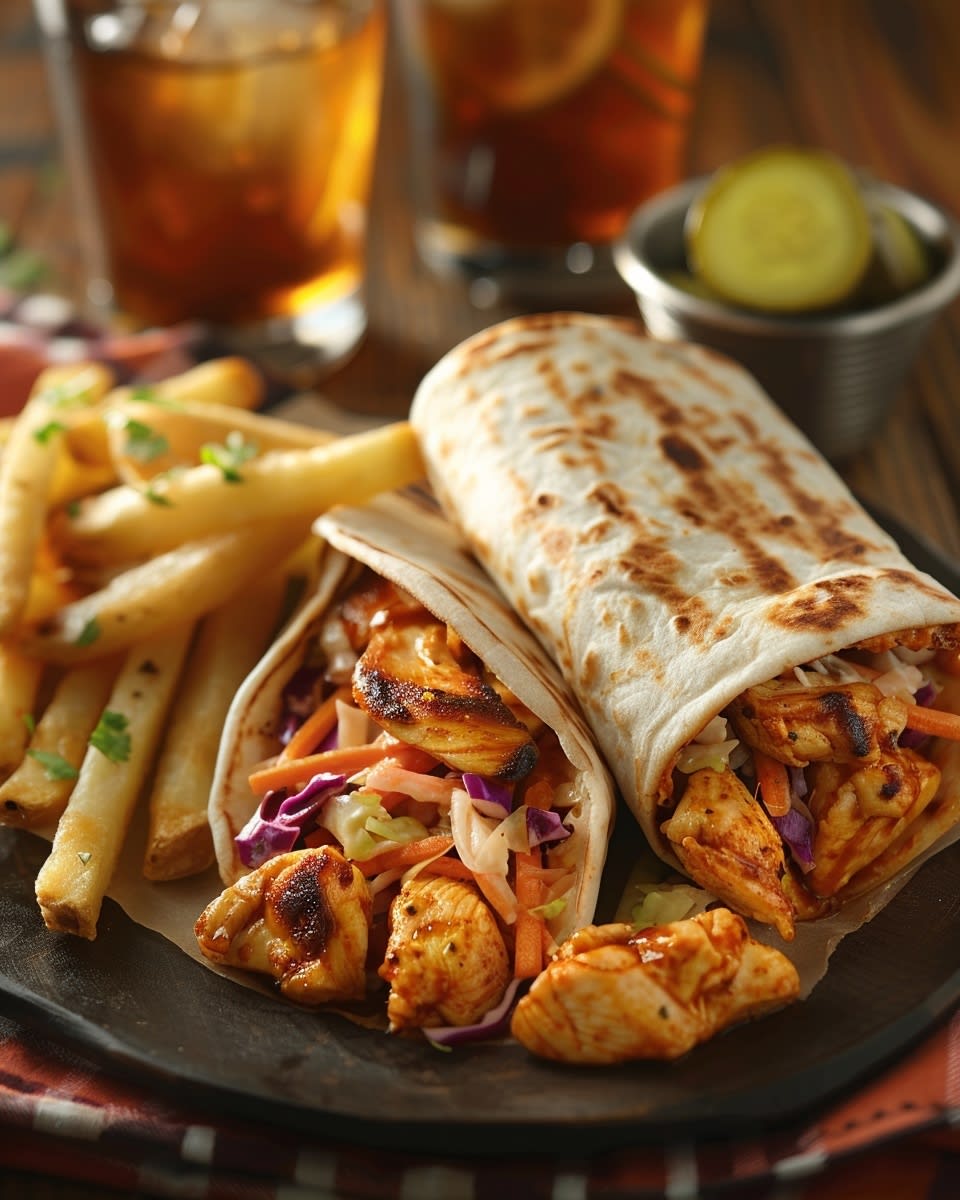
Why I’m Obsessed with Baked Chicken Wraps
Last Tuesday night, I stood in my kitchen staring at the clock showing 6:47 PM. My kids were hungry, I was exhausted, and ordering takeout for the third time that week felt like defeat. That’s when I remembered my secret weapon: the baked chicken wrap. Twenty-five minutes later, we were eating hot, crispy wraps that actually tasted better than restaurant food. No grease-soaked bags. No guilt. Just real food that made everyone happy.
Here’s the thing about baked chicken wraps. They solve the eternal dinner problem without making you feel like you’ve compromised on health or taste. You get protein, vegetables, and carbs all wrapped up in one neat package. The oven does most of the work while you help with homework or finally sit down for five minutes.
I’ve been making these wraps for three years now. My recipe has changed and improved over time. I’ve learned which shortcuts actually work and which ones ruin everything. Today, I’m sharing everything I know about making the perfect baked chicken wrap. No fancy techniques. No impossible-to-find ingredients. Just simple methods that work every single time.
The best part? You can prep these wraps on Sunday and have grab-and-go meals ready all week. Your future self will thank you when Wednesday rolls around and dinner is already half done.
What You Need to Make a Baked Chicken Wrap
Let me walk you through exactly what goes into these wraps. I’ve broken everything down into clear categories so you won’t forget anything at the store.
The Chicken Filling Ingredients
The chicken is obviously the star here. You’ll need:
- Boneless, skinless chicken breasts (about 1 to 1.5 pounds for four wraps)
- Olive oil (2 tablespoons for moisture and flavor)
- Garlic powder (1 teaspoon)
- Paprika (1 teaspoon for color and mild flavor)
- Cumin (1/2 teaspoon adds warmth)
- Salt and black pepper (to taste)
- Bell peppers (one red and one green, sliced thin)
- Red onion (one medium, sliced)
- Fresh lime juice (from one lime)
I always use chicken breasts because they’re lean and cook evenly. Some people prefer chicken thighs. They work too, but they add more fat and calories. The choice is yours based on your goals.
The spice mix I listed is my go-to combination. It gives you a slightly smoky, warm flavor without being spicy. My kids eat these happily. If you want heat, add cayenne pepper or red pepper flakes. Start with 1/4 teaspoon and adjust from there.
The Wrap Components and Toppings
Now for the fun part where you build your wrap:
- Large flour tortillas (burrito-sized, about 10 inches)
- Shredded cheese (cheddar, Mexican blend, or whatever you like)
- Sour cream or Greek yogurt (Greek yogurt cuts calories but tastes great)
- Lettuce or spinach (adds crunch and nutrients)
- Diced tomatoes (fresh is best)
- Salsa or hot sauce (optional but recommended)
- Avocado or guacamole (healthy fats that make everything better)
The tortilla choice matters more than you’d think. Whole wheat tortillas work great if you want extra fiber. Low-carb tortillas are fine too, though they can be more fragile when baking. I usually stick with regular flour tortillas because they crisp up beautifully in the oven.
Cheese is not optional in my house. It helps hold everything together and adds flavor. I use about 1/4 cup per wrap. That’s enough to taste without going overboard on calories.
Kitchen Tools You’ll Need
You don’t need special equipment for this recipe. Just gather these basics:
- Large baking sheet
- Parchment paper or aluminum foil
- Sharp knife and cutting board
- Mixing bowl for seasoning the chicken
- Tongs or spatula
I always line my baking sheet with parchment paper. It makes cleanup so much easier. You can use foil instead, but spray it lightly with cooking spray so nothing sticks.
Should You Wrap Chicken in the Oven?
People ask me this question constantly. The answer depends on what you mean by “wrap.”
If you’re asking whether to wrap raw chicken in foil before baking, my answer is no for this recipe. We want the chicken to get some color and develop flavor. Wrapping it in foil steams the meat instead of baking it. You end up with pale, bland chicken that releases too much water.
But if you’re asking whether you should bake your assembled wraps in the oven, the answer is absolutely yes. This is the magic that makes this recipe work.
Baking the wraps does three important things. First, it makes the tortilla crispy on the outside while keeping the inside soft. Second, it melts the cheese perfectly. Third, it brings all the flavors together in a way that cold wraps just can’t match.
I bake my assembled wraps at 375°F for about 10 to 12 minutes. The edges get golden and slightly crispy. The cheese melts into everything. When you bite into it, you get that satisfying crunch followed by warm, flavorful filling.
Why Baking Beats Other Cooking Methods
I’ve made chicken wraps using different methods. Pan-frying them works, but you need to watch them constantly and flip them carefully. One wrong move and your wrap splits open, dumping filling everywhere.
Grilling sounds great in theory. In reality, tortillas burn easily on the grill. You need perfect temperature control. Most of us don’t have that kind of patience on a busy weeknight.
The microwave? Please don’t. You’ll end up with a soggy, rubbery mess. Microwaves make tortillas tough and chewy. Nobody wants that.
Baking gives you consistent results every time. You can make four wraps at once without standing over the stove. The oven heat surrounds the wraps evenly. Everything cooks at the same rate. You can set a timer and walk away to do other things.
Another benefit I love: baking is healthier. You use minimal oil. The excess fat from the cheese drips onto the baking sheet instead of soaking into your wrap. You get all the flavor with less grease.
Baking also makes meal prep easier. You can assemble several wraps, place them on a baking sheet, and refrigerate them. When dinner time comes, just pop the sheet in the oven. Fresh-tasting food without starting from scratch.
Temperature control is simpler with baking too. Stovetop cooking requires constant adjustment. Ovens maintain steady heat. You don’t need to be an experienced cook to get perfect results.


Preparing the Perfect Chicken Filling
Now that you know why baking wins every time, let’s get into the actual cooking part. This is where most people either nail it or end up with dry, flavorless chicken. I’m going to show you exactly how I avoid that mistake.
The Marinating Step That Changes Everything
Here’s something I wish someone had told me years ago: you don’t need hours to marinate chicken for these wraps. Honestly, thirty minutes does the job perfectly fine. If you have more time, great. But if you’re rushing to get dinner on the table, a quick thirty-minute soak will still give you tender, flavorful meat.
I mix all my spices together in a medium bowl. The garlic powder, paprika, cumin, salt, and pepper all go in there. Then I add the olive oil and lime juice. This creates a paste that coats the chicken way better than just sprinkling dry spices on top. The lime juice is crucial because the acid starts breaking down the chicken fibers, making everything more tender.
Cut your chicken breasts into strips about an inch wide. This size cooks faster and fits better in the wraps. Nobody wants to bite into a wrap and pull out an entire chicken breast in one go. That’s just awkward. I learned that lesson at a particularly embarrassing lunch with my coworkers.
Toss the chicken strips in that spice mixture. Use your hands for this part. I know some people hate touching raw chicken, but your hands distribute the marinade so much better than spoons or tongs. Just wash them thoroughly afterward with hot soapy water. Get every piece coated completely. Then let it sit on the counter while your oven preheats. If you’re meal prepping, you can marinate these in the fridge overnight. The flavor gets even deeper.
How to Make Chicken Wrap in the Oven Without Drying It Out
Okay, this is the part where I see people mess up constantly. They crank the oven to 450°F thinking higher heat means faster cooking. Wrong. You end up with chicken that’s crusty on the outside and dry as cardboard inside.
Preheat your oven to 400°F. That’s the sweet spot for chicken strips. Line your baking sheet with parchment paper and spread the chicken pieces out in a single layer. Don’t crowd them. They need space between each piece so hot air can circulate. If they’re touching, they’ll steam instead of bake.
Before the chicken goes in, I arrange my sliced bell peppers and onions on the same baking sheet. Everything cooks together, which saves time and lets the vegetables soak up those chicken juices and spices. The peppers get slightly charred edges that taste incredible. Much better than the fast chicken stir fry method where vegetables sometimes stay too crunchy.
Bake everything for about 18 to 20 minutes. The exact time depends on how thick your chicken strips are. You’re looking for an internal temperature of 165°F if you want to be precise. I usually just cut into the thickest piece to check. The meat should be white all the way through with clear juices running out, not pink liquid.
Here’s my secret for keeping the chicken moist: I brush the strips with a tiny bit more olive oil halfway through cooking. Just a light coating. This prevents the surface from drying out. Some people use butter instead, which works great if you’re not worried about extra calories.
The Resting Period Nobody Talks About
When that timer goes off, resist the urge to immediately start building wraps. Let the chicken rest for five minutes on the baking sheet. During this time, the juices redistribute throughout the meat. If you cut into it right away, all that moisture runs out onto your cutting board instead of staying in the chicken. Five minutes of patience gives you noticeably juicier results.
While the chicken rests, I usually dice up my tomatoes and get my other toppings ready. Funny enough, this is when my kids suddenly appear in the kitchen asking when dinner will be ready. The smell of that seasoned chicken brings everyone running.
Once rested, you can either slice the chicken strips into smaller bite-sized pieces or leave them whole. I prefer smaller pieces because they distribute more evenly in the wrap. Every bite gets some chicken instead of one massive chicken chunk in the middle.
Assembling Your Baked Chicken Wrap Like a Pro
Alright, you’ve got perfectly cooked chicken and roasted vegetables cooling slightly. Now comes the fun part where you actually build these wraps. This step is way easier than it looks, but there’s definitely a right way and a wrong way to do it.
The Foundation: Laying Out Your Tortilla
Place your tortilla on a clean cutting board or directly on your counter. I’m not fussy about this. Some recipes tell you to warm the tortilla first. I skip that step because we’re baking the whole wrap anyway. Cold tortillas work just fine and they’re actually easier to roll without tearing.
Spread about two tablespoons of sour cream or Greek yogurt across the center of the tortilla. Not edge to edge. Keep it in a rectangle shape down the middle, leaving about two inches clear on all sides. This is your flavor base and it helps everything stick together. The Greek yogurt option is something I started using last year when I was trying to eat healthier. You honestly can’t tell the difference in taste, but you save a bunch of calories. Works great in simple meals just like my simple tuna pasta where I swap mayo for Greek yogurt sometimes.
What Would You Put in a Chicken Wrap?
This question comes up all the time, and my answer is: whatever makes you happy. But let me walk you through my standard layering system that prevents soggy wraps and ensures every bite tastes good.
First layer after the sour cream: lettuce or spinach. This creates a barrier between the wet ingredients and the tortilla. Without this protective layer, your tortilla gets soggy and falls apart. I use about a half cup of shredded lettuce per wrap. Spinach works great too and sneaks in extra nutrients my kids don’t complain about.
Next goes your chicken. I pile about four ounces of those seasoned chicken strips right down the center. That’s roughly one chicken breast worth divided between wraps. Then scatter some of those roasted peppers and onions over the chicken. The vegetables add sweetness and texture that makes these wraps taste way more interesting than plain chicken.
Now for cheese. I sprinkle a quarter cup of shredded cheese over everything. Cheddar is classic. Mexican blend adds some variety with the different cheese flavors. Sometimes I get wild and use pepper jack when I want extra kick. One of my kids refuses anything spicy though, so I usually play it safe.
Add your diced tomatoes next. Just a small handful. Too many tomatoes release water during baking and make everything soggy. I learned this the hard way after several failed attempts where my wraps practically disintegrated.
If you’re using avocado, add it now. Thin slices work better than chunks. Or just dollop some guacamole down the center. The healthy fats make these wraps more filling. I can eat one wrap and feel satisfied for hours instead of hunting for snacks thirty minutes later.
The Rolling Technique That Actually Works
Here’s where people usually panic. Rolling wraps seems intimidating, but it’s honestly pretty simple once you get the motion down. I’m going to break this down step by step because written instructions for physical tasks always sound more complicated than they actually are.
Fold the left and right sides of the tortilla inward over the filling. They should overlap slightly in the middle, creating flaps that cover the ends. This prevents everything from falling out during baking. Think of it like wrapping a present.
Now fold the bottom edge up and over the filling. Pull it tight, tucking it under the filling slightly. This creates tension that holds everything in place. Then roll the whole thing forward, keeping it tight as you go. You want it snug but not so tight that the tortilla tears. The tortilla should wrap around itself completely, with the seam ending up on the bottom.
Don’t worry if your first few wraps look messy. Mine definitely did. My earliest attempts looked like something a toddler made during craft time. But nobody cares what they look like when they taste this good. Practice makes progress, not perfection.
Creative Variations I’ve Tried
By the way, once you master the basic version, you can get really creative with fillings. I’ve made Mediterranean versions with feta cheese, olives, and cucumber. Those turned out surprisingly good, though my family prefers the classic version I described above.
Black beans and corn make excellent additions if you want more fiber and a slightly southwestern vibe. Just drain and rinse canned black beans, then scatter a handful into each wrap along with some frozen corn kernels. The oven heat warms everything through perfectly.
Sometimes I swap the regular tortillas for whole wheat or even make this with lavash bread when I find it at the store. Different wrapping materials change the texture slightly but the concept stays the same. Kind of like how I sometimes change up my quick rice and egg bowl with different grains but keep the basic technique consistent.
Ranch dressing instead of sour cream creates a completely different flavor profile. My kids actually prefer this version. Buffalo sauce mixed with the chicken makes spicy buffalo chicken wraps that taste like restaurant appetizers. Just add some blue cheese crumbles and you’ve got something special.
The Final Baking Step
Place your assembled wraps seam-side down on a parchment-lined baking sheet. Leave some space between them so air can circulate. Brush the tops very lightly with olive oil or melted butter. This step is optional but it helps the tortillas get that golden, crispy exterior that makes these wraps so addictive.
Into a 375°F oven they go for 10 to 12 minutes. You’ll know they’re done when the edges turn golden brown and the cheese has melted enough that you can see it oozing slightly at the seams. The whole kitchen smells amazing at this point.
The transformation during baking is honestly magical. What went in as a cold assembled wrap comes out as a hot, crispy, melty creation that rivals anything you’d get at a restaurant. Way better than the chicken and cheese sandwich I used to make for quick lunches before I discovered this technique.
Let them cool for just two or three minutes before cutting. If you slice them immediately, everything slides out in a hot mess. That brief cooling period lets everything set up just enough to hold together when you cut through the middle.


Perfecting the Baking Process for Crispy, Golden Wraps
So you’ve assembled your wraps and they’re sitting on that baking sheet looking pretty good. Now comes the moment where you either nail it or end up disappointed. The baking part seems straightforward, but there are definitely tricks that separate okay wraps from absolutely amazing ones.
First thing: make sure your oven has fully preheated to 375°F before anything goes in. I know we’re all impatient, but an oven that hasn’t reached the right temperature messes up the timing completely. Your wraps will either take forever to crisp up or the bottoms will burn while the tops stay pale. I use an oven thermometer because my oven runs about fifteen degrees cooler than the dial says. Cost me like six bucks and solved so many baking mysteries.
Position your oven rack in the center position. Not too close to the top heating element, not too close to the bottom. Middle ground gives you even heat distribution from all sides. This matters more than you’d think for getting that perfect golden color all over.
The Secret to Crispy Exteriors
Here’s what changed my wrap game completely: brushing the tops with a light coating of oil or melted butter right before baking. I mentioned this briefly before, but let me explain why it works so well. The fat conducts heat directly to the tortilla surface, encouraging browning. Without it, your tortilla might bake but stay kind of pale and soft. With it, you get those gorgeous golden spots and that satisfying crunch when you bite through.
I use a pastry brush and just lightly sweep olive oil across the top of each wrap. Don’t drench them. A tiny amount goes a long way. Sometimes I add a sprinkle of garlic powder or a pinch of sea salt on top too. That creates these little flavor bursts on the crispy parts that people always ask me about.
Another trick I discovered accidentally: flipping the wraps halfway through baking. Around the six-minute mark, I carefully flip each wrap over using tongs. This ensures both sides get equally crispy. The first side gets those nice grill marks from direct contact with the baking sheet, then the second side gets its turn. Takes an extra minute of effort but doubles the crispiness factor.
Watch them closely during the last few minutes of baking. Ovens vary wildly in how they heat. My mom’s oven cooks everything way faster than mine. The wraps are done when the edges turn golden brown and start to curl up slightly. The cheese should be completely melted and bubbling a bit at any openings. Usually takes between 10 to 12 minutes total, but I’ve had batches finish in 9 minutes and others need 14.
Keeping the Inside Perfectly Cooked
The outside getting crispy is great, but the inside needs attention too. You want the chicken warmed through, the cheese fully melted, and the vegetables heated but not turned to mush. The temperature and timing I’ve given you accomplishes all of this, but there’s one potential problem: overstuffing.
I learned this the hard way after making wraps so packed they could barely close. The outside crisped up beautifully while the inside stayed weirdly cold. Heat couldn’t penetrate all those layers. Now I’m way more moderate with my filling amounts. Better to make an extra wrap than to stuff each one beyond capacity.
If you’re reheating assembled wraps from the fridge, add a few extra minutes to the baking time. Cold ingredients need more time to warm through. I usually go with 14 to 16 minutes for refrigerated wraps. Cover them loosely with foil for the first half of baking to prevent over-browning, then remove the foil and let them crisp up during the final minutes.
Are Chicken Wraps Ok for Diabetics?
This question hits close to home because my uncle was diagnosed with type 2 diabetes about four years ago. He loves these wraps and asked me this exact thing. After doing research and talking with his nutritionist, here’s what I learned.
Baked chicken wraps can absolutely work for diabetics, but you need to make smart choices about ingredients. The main concern is carbohydrates, which affect blood sugar levels. A standard 10-inch flour tortilla contains roughly 35 to 40 grams of carbs. That’s significant but manageable within a balanced diabetic meal plan.
The protein from the chicken helps slow down how quickly those carbs hit your bloodstream. This prevents the blood sugar spike that happens when you eat carbs alone. Adding healthy fats from avocado or a moderate amount of cheese further stabilizes that blood sugar response. The vegetables contribute fiber, which also helps with blood sugar management.
For diabetics who need tighter carb control, low-carb tortillas are game changers. Brands like Mission and La Banderita make versions with only 4 to 6 grams of net carbs. They’re made with modified wheat and added fiber. Texture-wise, they’re slightly different but still tasty. My uncle actually prefers them now because he doesn’t get that sluggish feeling after eating.
You could also use lettuce wraps instead of tortillas entirely. Honestly, I’m not crazy about this option because part of the appeal is that crispy baked tortilla. But it works for people who need to eliminate grain-based carbs completely. Just skip the baking step and eat them cold, or warm the filling separately.
The Nutritional Benefits Worth Knowing
Beyond the diabetes question, these wraps actually pack some decent nutrition. One wrap made according to my recipe contains approximately 380 to 420 calories depending on your exact portions and cheese choices. That’s a reasonable dinner entrée that keeps most people satisfied.
You’re getting around 30 to 35 grams of protein per wrap, which is excellent. Protein keeps you full longer and helps maintain muscle mass. The chicken provides all nine essential amino acids your body needs. Funny enough, this is way more protein than I used to get in my old dinner habits of pasta and bread.
The vegetables add vitamins A and C from the bell peppers, plus various antioxidants that fight inflammation. Not a huge amount, but every bit helps. If you load up on extra veggies and go easy on the cheese, you can push these wraps into even healthier territory without sacrificing much flavor.
Fiber content depends heavily on your tortilla choice. Regular flour tortillas give you about 2 to 3 grams of fiber per wrap. Whole wheat versions bump that up to 5 or 6 grams. The vegetables add another gram or two. Getting enough fiber helps with digestion and keeps blood sugar more stable throughout the day.
Sodium is something to watch if you’re concerned about blood pressure. The cheese, any added salt, and store-bought salsa contribute sodium. My recipe gives you control over how much salt you add. I use about half a teaspoon total for four wraps, which keeps sodium reasonable. Store-bought seasoning packets often contain way more.
Fat content sits around 12 to 18 grams per wrap depending on cheese amounts and whether you add avocado. Most of this comes from healthy sources like olive oil and avocado, with some saturated fat from the cheese. It’s actually a pretty balanced fat profile that supports vitamin absorption and keeps you satisfied.
Focusing on whole foods rather than processed ingredients makes these wraps genuinely nutritious. You know exactly what’s going into them. No weird preservatives or mysterious additives. Just real chicken, real vegetables, and real cheese. That transparency matters when you’re trying to eat healthier.
Making Them Work for Different Dietary Needs
I’ve adapted this recipe for various eating styles. For low-carb or keto diets, use those low-carb tortillas and skip any high-carb additions like beans or corn. Load up on extra chicken and cheese to compensate. Add more healthy fats from avocado or even some bacon if you’re feeling indulgent.
Gluten-free folks can use corn tortillas or certified gluten-free wraps. Corn tortillas are smaller, so you’ll need to reduce your filling amounts. They also get crispier faster in the oven, so watch them carefully and reduce baking time by a couple minutes.
Dairy-free versions work surprisingly well with vegan cheese alternatives. I’ve tried several brands and honestly, the difference isn’t huge once everything’s baked together. Nutritional yeast sprinkled on top adds a cheesy flavor without any dairy. Use a dairy-free sauce or just skip the sour cream entirely.
For meal prep situations where you need these wraps to work for weekday lunches, they fit perfectly into most eating plans. One wrap plus a piece of fruit makes a balanced lunch that travels well. I pack them in my kids’ lunch boxes sometimes, though they prefer them warm. Many of the other easy lunch recipes I make require more last-minute assembly, but these wraps handle advance preparation beautifully and still taste great reheated.
Storage and Reheating Tips That Actually Work
Nobody wants to make dinner from scratch every single night. That’s why I always make extra wraps and store them for later. Done right, these keep beautifully and reheat almost as good as fresh.
Once your baked wraps have cooled completely, wrap each one individually in aluminum foil or plastic wrap. This prevents them from drying out in the fridge. They’ll stay good for three to four days stored this way. I usually make a double batch on Sunday nights and we eat them throughout the week.
For reheating, the oven gives you the best results. Preheat to 350°F, wrap the chicken wrap in foil to prevent over-crisping, and heat for about 10 to 12 minutes. Remove the foil for the last two minutes if you want to re-crisp the exterior. Comes out tasting remarkably close to fresh.
Microwaving works in a pinch when you’re truly rushed. Wrap the chicken wrap in a slightly damp paper towel and microwave for 60 to 90 seconds. The damp towel creates steam that prevents the tortilla from getting tough. It won’t be crispy, but it’ll be hot and edible when you’re desperate.
Freezing is totally possible too. Wrap each cooled wrap tightly in plastic wrap, then again in foil. Label them with the date because frozen wraps blur together pretty quickly in a crowded freezer. They’ll keep for up to two months. Thaw overnight in the fridge before reheating in the oven.
One more storage tip: if you’re meal prepping but want maximum freshness, assemble the wraps but don’t bake them yet. Store the unbaked assembled wraps in the fridge for up to two days. When dinner time arrives, bake them fresh. This gives you the convenience of meal prep with the taste and texture of freshly made wraps.
These baked chicken wraps have honestly simplified my dinner routine more than any other recipe I’ve developed. They’re flexible enough to adjust for different tastes and dietary needs, yet simple enough that even my teenagers can make them when I’m running late. That combination of versatility and ease is hard to beat. Give them a try this week and see how they fit into your routine. You might just find yourself making them as often as I do.
Frequently Asked Questions About Baked Chicken Wraps
How to make chicken wrap in the oven?
Season and bake chicken strips at 400°F for 18 to 20 minutes with sliced peppers and onions. Let the chicken rest for five minutes, then assemble your wraps with tortillas, chicken, vegetables, cheese, and your choice of toppings. Place assembled wraps seam-side down on a parchment-lined baking sheet, brush the tops lightly with oil, and bake at 375°F for 10 to 12 minutes until golden and crispy. The two-step baking process ensures perfectly cooked chicken and beautifully crispy wraps.
Are chicken wraps ok for diabetics?
Yes, baked chicken wraps can work well for diabetics when made with smart ingredient choices. The protein from chicken helps slow carbohydrate absorption and stabilize blood sugar levels. Consider using low-carb tortillas that contain only 4 to 6 grams of net carbs instead of regular flour tortillas with 35 to 40 grams. Adding healthy fats from avocado and including plenty of fiber-rich vegetables further helps with blood sugar management. Always consult with a healthcare provider or nutritionist about specific dietary needs, as carbohydrate tolerance varies between individuals.
What would you put in a chicken wrap?
A classic baked chicken wrap includes seasoned chicken, shredded cheese, sour cream or Greek yogurt, lettuce, diced tomatoes, roasted bell peppers, and onions. You can customize based on preferences by adding black beans, corn, avocado, different cheeses, or various sauces like ranch or buffalo. The key is layering lettuce first to create a moisture barrier, then building with protein, vegetables, and cheese. Keep fillings moderate rather than overstuffed so the wrap closes properly and heat penetrates evenly during baking.
Should you wrap chicken in the oven?
For this recipe, don’t wrap raw chicken in foil because you want it to develop color and flavor through direct oven heat. Wrapping in foil steams the chicken instead of baking it, resulting in pale, bland meat. However, you should bake your assembled wraps in the oven, which is different from wrapping raw chicken. Baking the assembled wraps creates a crispy exterior, melts the cheese perfectly, and brings all flavors together. This is the technique that makes this recipe work so well.
Can I make baked chicken wraps ahead of time?
Absolutely, and I do this constantly for busy weeks. You can fully bake the wraps, let them cool completely, then wrap each one individually in foil or plastic wrap. Store in the refrigerator for three to four days and reheat in a 350°F oven for 10 to 12 minutes. Alternatively, assemble the wraps but don’t bake them yet, storing unbaked wraps in the fridge for up to two days. When dinner time arrives, bake them fresh for optimal texture and taste.
What’s the best cheese to use in baked chicken wraps?
Cheddar cheese is my go-to because it melts beautifully and has a flavor everyone enjoys. Mexican cheese blends work great if you want variety, and pepper jack adds nice heat for spice lovers. Mozzarella creates a mild, stretchy texture that kids tend to love. I use about a quarter cup of shredded cheese per wrap, which provides enough flavor without overwhelming other ingredients. Whatever cheese you choose, pre-shredded versions work fine and save time, though freshly shredded melts slightly better.
Why do my tortillas get soggy instead of crispy?
Soggy tortillas usually happen because of too much moisture in the filling or improper layering. Always put lettuce down first as a barrier between wet ingredients and the tortilla. Avoid overloading with tomatoes, which release water during baking. Make sure your chicken has rested and isn’t releasing excess juices. Don’t use too much sour cream or sauce. Finally, brush the outside of the wrap lightly with oil before baking, which encourages crisping rather than steaming.
Can I use chicken thighs instead of chicken breasts?
Yes, chicken thighs work perfectly in this recipe and some people actually prefer them for their richer flavor and juiciness. They contain more fat than breasts, which keeps them moist during baking but also adds extra calories. Use boneless, skinless thighs and cut them into strips just like you would with breasts. The cooking time remains about the same, though thighs are a bit more forgiving if you accidentally overbake them slightly. Season them with the same spice mixture for consistent flavor.
How do I prevent my wraps from falling apart?
The key is proper rolling technique and not overstuffing. Fold the sides in first to seal the ends, then roll tightly from the bottom up, tucking as you go. Place the wrap seam-side down on the baking sheet so gravity keeps it closed during baking. Don’t pile in so much filling that the tortilla can’t close properly. Using room temperature tortillas rather than cold ones from the fridge also helps prevent cracking during rolling. The cheese acts as glue once melted, holding everything together.
What side dishes go well with baked chicken wraps?
I usually serve these wraps with simple sides since the wrap itself is pretty filling. Tortilla chips with salsa or guacamole is classic and easy. A basic green salad with lime vinaigrette complements the flavors nicely. Mexican rice or cilantro lime rice makes it a fuller meal if you have hungry teenagers like I do. Black beans seasoned with cumin work great too. Sometimes I just serve them with fresh fruit like watermelon or pineapple chunks, which provides a refreshing contrast to the savory wrap.
There’s something deeply satisfying about pulling a tray of golden, crispy wraps from your oven and knowing you made something both delicious and reasonably healthy. Try these this week and don’t be afraid to adjust the fillings to match what you already have in your fridge.
Ingredients
Equipment
Method
- Preheat your oven to 400°F.
- Mix olive oil, garlic powder, paprika, cumin, salt, black pepper, and lime juice in a bowl to create a marinade.
- Cut chicken breasts into strips and coat them well with the spice mixture.
- Allow the chicken to marinate while you prepare the vegetables.
- Place sliced bell peppers and onions on a baking sheet and add the marinated chicken strips.
- Bake for 18-20 minutes until chicken is cooked through (internal temp of 165°F).
- Let the chicken rest for 5 minutes before slicing it into smaller pieces.
- On a tortilla, spread 2 tablespoons of sour cream or Greek yogurt down the center.
- Layer with lettuce or spinach, chicken, roasted vegetables, cheese, diced tomatoes, and optional toppings.
- Roll the tortilla tightly by folding in the sides and then rolling from the bottom.
- Place seam-side down on a baking sheet and lightly brush the tops with olive oil.
- Bake at 375°F for 10-12 minutes until golden and crispy.
- Cool for a few minutes before slicing and serving.