

Why Turkey Meatballs with Brown Rice Became My Go-To Weeknight Dinner
Last Tuesday, I found myself staring into my fridge at 6 PM with three hungry kids asking what’s for dinner. I needed something quick, healthy, and filling. That’s when I grabbed ground turkey and brown rice, two ingredients that never let me down. Thirty minutes later, we were all sitting around the table enjoying tender, flavorful turkey meatballs served over fluffy brown rice. The best part? My pickiest eater asked for seconds.
This meal has saved me countless times. It’s become my secret weapon for busy nights when I want to feed my family real food without spending hours in the kitchen. I’m excited to share this recipe with you because I know it can do the same for your household.
Welcome to My Kitchen and This Simple, Healthy Recipe
Today I’m sharing my recipe for turkey meatballs with brown rice that checks all the boxes. It’s delicious, nutritious, and easy enough for even beginner cooks. You don’t need fancy ingredients or special equipment. Just simple pantry staples and about 30 minutes of your time.
This dish works for so many situations. Pack it for lunch, serve it for a family dinner, or meal prep it for the week ahead. It reheats beautifully and tastes even better the next day when the flavors have time to blend together.
I started making this recipe three years ago when I wanted to clean up my family’s eating habits. We were eating too much processed food and not enough real ingredients. Ground turkey and brown rice became my foundation for building healthier meals that everyone would actually eat.
Are Ground Turkey and Brown Rice Good for You?
Yes, and let me tell you why this combination is so powerful for your health. Ground turkey and brown rice create a balanced meal that gives your body exactly what it needs.
Ground turkey is one of the leanest proteins you can buy. A four-ounce serving contains about 120 calories and 28 grams of protein. That’s impressive. It has less fat than ground beef but still delivers rich flavor when you season it right. Turkey also provides B vitamins that help your body turn food into energy.
I switched from ground beef to ground turkey years ago and noticed a difference in how I felt after meals. I wasn’t as sluggish or heavy. The lighter protein sits better in my stomach, especially at dinner time.
Brown rice brings its own set of benefits to the table. Unlike white rice, brown rice keeps the bran and germ intact. This means you get more fiber, more minerals, and more vitamins. One cup of cooked brown rice gives you about 3.5 grams of fiber, which helps with digestion and keeps you full longer.
The fiber in brown rice slows down how quickly your blood sugar rises after eating. This steady energy release means no afternoon crashes or sudden hunger pangs an hour after your meal. I used to experience that mid-afternoon slump, but switching to brown rice helped stabilize my energy throughout the day.
Do Ground Turkey and Rice Go Together?
Absolutely. Ground turkey and rice are natural partners in the kitchen. The mild flavor of turkey acts like a blank canvas for seasonings, while rice provides the perfect base to soak up all those delicious juices from the meatballs.
When you form ground turkey into meatballs and serve them with rice, you create a complete meal. The protein from the turkey repairs and builds muscle. The carbohydrates from the rice give you energy. Together, they provide sustained fuel for your body.
I love how the textures complement each other too. Tender meatballs paired with slightly chewy brown rice create an interesting bite. Each forkful gives you protein and carbs in one perfect mouthful.
The combination also works from a practical cooking standpoint. While your brown rice simmers on the stove, you can mix and bake your meatballs. Both finish around the same time, making meal timing easy. No juggling multiple cooking schedules or keeping things warm.
Can I Put Meatballs with Rice?
You definitely can, and you should. Meatballs with rice is a classic combination found in cuisines around the world. From Swedish meatballs to Asian-style rice bowls, cultures everywhere have discovered this winning pairing.
The beauty of serving meatballs with rice is how the rice catches every bit of sauce or juice. Nothing goes to waste on your plate. When you cut into a meatball, those flavorful juices drip down and get absorbed by the rice below. It’s simple food engineering that makes every bite better.
I’ve served this meal to dinner guests, and they’re always surprised by how satisfying it is. They expect to feel hungry an hour later, but the protein and fiber combination keeps them full for hours. Several friends have asked for the recipe after trying it at my table.
Rice also provides a neutral backdrop that lets the meatball seasonings shine. You’re not competing with strong flavors. The rice supports and enhances whatever herbs and spices you choose for your turkey meatballs.
What Should I Put in My Turkey Meatballs?
This is where you can get creative, but I’ll share my tried-and-true formula. The key to great turkey meatballs is keeping them moist and flavorful. Turkey is lean, which means it can dry out easily if you’re not careful.
Here’s what goes into my basic turkey meatball mix:
- Ground turkey: I use 93% lean for the best balance of flavor and health benefits
- Breadcrumbs: These add texture and help hold moisture inside the meatballs
- Egg: Acts as a binder to keep everything together
- Garlic: Fresh minced garlic adds amazing flavor
- Onion: Finely diced or grated onion brings sweetness and moisture
- Parsley: Fresh herbs make a noticeable difference in taste
- Salt and pepper: Essential for bringing out all the other flavors
- Olive oil: A tablespoon mixed in keeps the meatballs tender
I’ve experimented with different seasonings over the years. Italian seasoning works beautifully if you want a classic flavor. Cumin and paprika give a Mediterranean twist. Ginger and soy sauce create an Asian-inspired version.
The secret ingredient I always include is a splash of milk or chicken broth mixed with the breadcrumbs. Let this mixture sit for a minute before adding it to your meat. This creates a panade, which keeps your meatballs incredibly moist even after baking.
Don’t overmix your meat mixture. I learned this the hard way after making hockey pucks instead of tender meatballs. Mix just until the ingredients come together. Overworking the meat makes it tough and dense.
When forming the meatballs, wet your hands slightly. This prevents the mixture from sticking to your fingers and helps create smooth, round shapes. I make mine about the size of a golf ball, which cooks evenly and looks nice on the plate.
The beauty of this recipe is how you can adjust it to your family’s taste preferences. My kids prefer milder seasonings, so I keep the spices gentle. When I make them for adults only, I add red pepper flakes for a little kick.
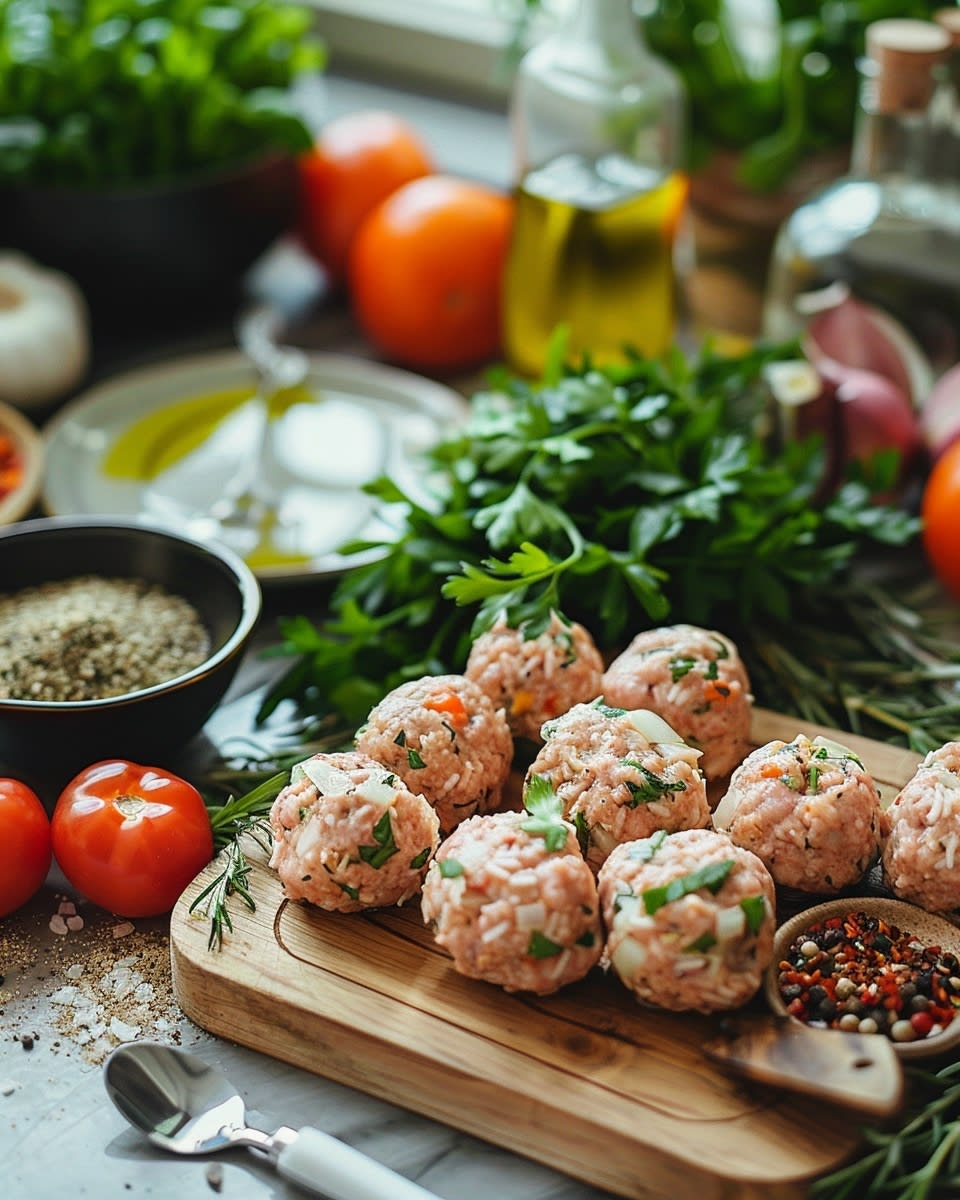

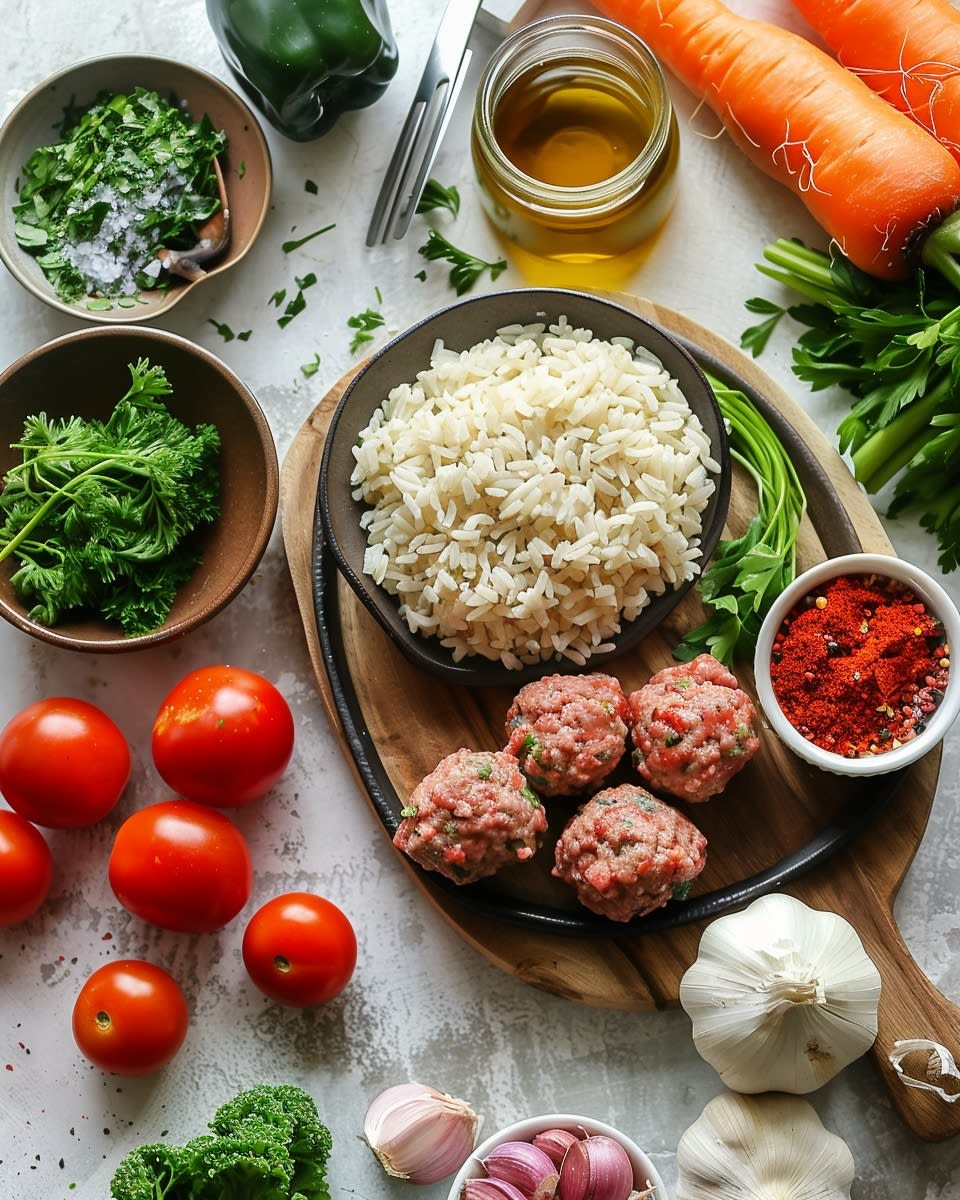
Getting Your Ingredients Together for the Best Turkey Meatballs
Now that you know what goes into making great turkey meatballs, let’s talk about getting everything ready before you start cooking. I call this my “mise en place” moment, which is just a fancy way of saying “get your stuff organized.” Trust me, having everything prepped and ready makes the actual cooking so much smoother.
First, pull your ground turkey out of the fridge about fifteen minutes before you start. Cold meat is harder to work with and doesn’t mix as evenly. Room temperature turkey combines better with your other ingredients and forms meatballs that hold together nicely.
For the breadcrumbs, I prefer panko because they’re lighter and create a better texture. Regular breadcrumbs work fine too, but panko gives you fluffier meatballs. Here’s a trick I discovered by accident: if you don’t have breadcrumbs, crushed crackers or even oatmeal work in a pinch. I once used crushed Ritz crackers when I ran out of breadcrumbs, and my husband said they were the best meatballs I’d ever made.
When it comes to herbs, fresh always beats dried if you can get them. Fresh parsley adds brightness that dried just can’t match. But let’s be real—sometimes you only have dried herbs in your cabinet, and that’s perfectly okay. Just use about half the amount since dried herbs are more concentrated. A tablespoon of fresh parsley equals about a teaspoon of dried.
The onion deserves special attention. I grate mine on a box grater instead of dicing it. This distributes the onion flavor throughout every bite and adds moisture without creating chunks that some kids pick out. My middle daughter hates seeing onion pieces but loves the flavor, so this method keeps everyone happy.
Here’s something I wish someone had told me earlier: don’t skip the step of soaking your breadcrumbs in liquid. Mix them with milk, chicken broth, or even water and let them sit for two minutes. This creates what professional chefs call a panade, and it’s the difference between dry meatballs and ones that stay moist even after reheating. I learned this from a cooking show years ago and it completely changed my meatball game.
For your brown rice, measure it out and give it a quick rinse under cold water. This removes excess starch and prevents your rice from getting gummy. I use a fine-mesh strainer and run water through the rice until it comes out clear. Takes maybe thirty seconds but makes a noticeable difference in the final texture.
The Step-by-Step Process for Making Turkey Meatballs and Brown Rice
Alright, let’s get cooking. I’m going to walk you through this exactly how I do it in my kitchen on a Tuesday night.
Start with your brown rice because it takes the longest. Put two cups of water or chicken broth in a medium pot and bring it to a boil. I always use broth instead of water when I remember to buy it because it adds so much more flavor. Once it’s boiling, add one cup of brown rice and a pinch of salt. Give it a stir, reduce the heat to low, and cover it with a tight-fitting lid.
Set a timer for forty-five minutes and don’t peek. I know it’s tempting, but every time you lift that lid, steam escapes and your rice takes longer to cook. Just let it do its thing. Similar to my chicken and rice meal prep bowls, the key is patience and not disturbing the cooking process.
While the rice cooks, preheat your oven to 400 degrees Fahrenheit. I like baking meatballs instead of pan-frying them because it’s less messy and they cook more evenly. Line a baking sheet with parchment paper or spray it with cooking spray. This makes cleanup incredibly easy.
Now for the meatballs. In a large bowl, combine one and a half pounds of ground turkey with your soaked breadcrumb mixture. Add one beaten egg, three cloves of minced garlic, your grated onion, two tablespoons of chopped fresh parsley, one teaspoon of salt, half a teaspoon of black pepper, and a tablespoon of olive oil.
Here’s where technique matters. Use your hands to mix everything together, but stop as soon as the ingredients are combined. I usually mix for about thirty seconds, maybe a minute tops. You want to see the ingredients distributed throughout the meat, but you don’t want to squeeze and knead it like bread dough. Overworking makes tough meatballs, and nobody wants that.
Wet your hands with cold water—this is crucial. Scoop out portions of the meat mixture about the size of a golf ball or maybe a bit larger. Roll them gently between your palms to create smooth, round meatballs. I usually get about twenty meatballs from this recipe, which feeds my family of five with a couple left over for lunch the next day.
Place each meatball on your prepared baking sheet, spacing them about an inch apart. They don’t spread like cookies, but you want air to circulate around them for even cooking. Once they’re all formed, pop the tray in your preheated oven.
Set your timer for twenty minutes. At the twenty-minute mark, pull out the tray and give the meatballs a quick check. They should be golden brown on the bottom. Use tongs to flip each one over—this ensures even browning on all sides. Put them back in the oven for another eight to ten minutes.
You’ll know they’re done when they reach an internal temperature of 165 degrees Fahrenheit. I invested in a cheap instant-read thermometer years ago, and it’s one of the best kitchen purchases I’ve made. Insert it into the center of your largest meatball. If it reads 165, you’re good to go. If not, give them another few minutes.
By the way, timing works out perfectly with this method. Your rice should finish right around the time your meatballs are done. When your rice timer goes off, turn off the heat but leave the lid on for another five minutes. This lets the rice steam and finish cooking in its own heat. After five minutes, fluff it with a fork.
The presentation is simple but looks impressive. I spoon brown rice into shallow bowls, arrange four or five meatballs on top, and drizzle everything with a simple pan sauce. For the sauce, I just mix a cup of chicken broth with a tablespoon of tomato paste and a squeeze of lemon juice. Heat it in a small pan for two minutes and pour it over everything. You could also use marinara sauce if you want something more traditional.
Funny enough, this meal works brilliantly for meal prep too. I often make a double batch on Sunday and divide everything into containers for the week. The meatballs and rice keep separately in the fridge for up to five days. Just like my quinoa veggie meal prep, having these components ready makes weeknight dinners effortless.
Tips for Cooking Turkey Meatballs Perfectly Every Time
Let me share some tricks I’ve picked up that make a real difference in how your meatballs turn out.
Temperature control is everything. Don’t be tempted to crank your oven higher thinking they’ll cook faster. At 400 degrees, the meatballs cook through without drying out. Higher temperatures brown the outside too quickly while leaving the inside undercooked. I learned this the hard way when I tried baking at 450 degrees and ended up with meatballs that were burnt outside and raw in the middle.
Size matters more than you’d think. Keep your meatballs uniform so they all finish cooking at the same time. I use a small ice cream scoop to portion the meat, which gives me consistent sizes every time. Inconsistent sizes mean some meatballs overcook while others stay underdone.
Don’t crowd your baking sheet. If you’re making a large batch, use two sheets instead of cramming everything onto one. Crowded meatballs steam instead of bake, and you won’t get that nice golden exterior. I space mine about an inch apart, which allows hot air to circulate around each one.
Here’s the thing about resting: let your cooked meatballs sit for three to five minutes before serving. This isn’t just for dramatic effect. The juices redistribute throughout the meat, making every bite more flavorful and moist. Cut into them immediately and those juices run all over your cutting board instead of staying in the meatball.
If you want to add vegetables to this meal, roasting them alongside your meatballs works perfectly. I often throw Brussels sprouts, bell peppers, or zucchini on the same baking sheet. Just toss them with olive oil and seasoning, push the meatballs to one side, and spread the vegetables on the other. Everything roasts together and you have a complete meal on one pan. This technique reminds me of the efficiency in my sheet pan salmon and veggies for meal prep.
For brown rice that turns out perfect every time, the ratio is key: two parts liquid to one part rice. Some people use different ratios, but this one has never failed me. Also, resist the urge to stir the rice while it cooks. Stirring releases starch and makes your rice sticky and clumpy instead of fluffy and separate.
One more thing about the rice: if you want to add extra nutrition and flavor, throw in some frozen peas during the last five minutes of cooking. Just lift the lid quickly, sprinkle in half a cup of frozen peas, replace the lid, and let them steam with the rice. They add color, nutrients, and a slight sweetness that kids love. It’s a simple upgrade that makes the meal feel more complete, similar to what I do with my roasted veggie and chickpea meal prep bowls.
The beauty of this cooking method is how hands-off it becomes once everything is in the oven and on the stove. You’re not standing over a hot pan flipping meatballs or stirring constantly. Set your timers, and use that twenty-five minutes to help with homework, fold laundry, or just sit down for a minute. That’s the real magic of this recipe—it gives you time back.


Creative Ways to Serve Turkey Meatballs and Brown Rice
Here’s where this recipe really shines—the versatility. I’ve served these turkey meatballs and brown rice in probably a dozen different ways over the years, and each version feels like a completely new meal. Let me share my favorite variations that keep my family from getting bored.
The Mediterranean bowl has become a weekly request in my house. I pile warm brown rice in a bowl, top it with turkey meatballs, then add cucumber chunks, cherry tomatoes, crumbled feta cheese, and a generous drizzle of tzatziki sauce. The cool, creamy yogurt sauce against the warm meatballs creates this amazing contrast. My oldest daughter started making this version herself after school, which tells you how easy it is.
For an Asian-inspired twist, I swap regular seasonings for ginger and garlic in the meatballs, then serve everything with a teriyaki glaze. Add some steamed broccoli and sliced green onions on top of your rice, and you’ve got something that tastes like takeout but costs a fraction of the price. I keep a bottle of store-bought teriyaki in my pantry specifically for nights when I want this variation.
My husband’s favorite is what we call the “Italian grandmother” version. I simmer the baked meatballs in marinara sauce for about ten minutes, then serve them over the brown rice with fresh basil and parmesan cheese. It tastes indulgent but stays healthy. The rice soaks up that tomato sauce beautifully, and every bite feels comforting.
Taco bowls work surprisingly well too. Season your turkey meatballs with cumin, chili powder, and paprika instead of Italian herbs. Serve them over cilantro-lime brown rice with black beans, corn, diced avocado, shredded cheese, and a dollop of sour cream. My kids think this is a completely different meal from the regular version, which is exactly what I want them to think.
For lunch containers, I’ve found that keeping components separate works better than mixing everything together. I put brown rice in one compartment, meatballs in another, and vegetables or sauce in a third section. This prevents the rice from getting soggy and lets you control how much sauce you want when you actually eat it. The containers stack nicely in my fridge, making grab-and-go lunches effortless throughout the week. Speaking of convenient lunches, this approach fits perfectly with other options in my collection of meal prep lunches that save time during busy weeks.
By the way, these meatballs make fantastic sandwiches. I slice them in half, tuck them into whole wheat pitas with lettuce and tomato, and pack them for my husband’s lunch. He heats the meatballs separately at work, then assembles everything fresh. It’s become his go-to lunch that his coworkers always comment on.
One variation I stumbled upon by accident turned into a family favorite. I had leftover meatballs and rice but no time to reheat them properly before soccer practice. I roughly chopped the cold meatballs, mixed them with the rice, scrambled in a couple eggs, and made fried rice. It was supposed to be a desperate measure, but everyone loved it so much that I now make extra on purpose just to have fried rice later in the week.
For special occasions or when I’m trying to impress, I make sliders. Small dinner rolls, a meatball, a little sauce, maybe some melted mozzarella—suddenly your weeknight dinner looks like party food. I’ve brought these to potlucks and they disappear faster than anything else on the table. Nobody suspects they’re the same healthy meatballs I feed my kids on Tuesday nights.
The salad version surprises people who think meatballs only belong on pasta or rice. I serve cold sliced meatballs over mixed greens with cherry tomatoes, cucumbers, and a lemon vinaigrette. The brown rice goes on the side or gets mixed right into the salad. It’s refreshing for summer months when hot meals feel too heavy.
Here’s something interesting about nutrient density that changed how I think about this meal: according to information from the USDA, combining lean proteins like turkey with whole grains like brown rice creates a nutrient-dense meal that provides sustained energy without excess calories. Understanding this helped me feel confident that I’m genuinely nourishing my family, not just filling their stomachs.
Customizing Your Turkey Meatball Recipe for Different Tastes
After making this recipe hundreds of times, I’ve learned exactly which tweaks work for different preferences and dietary needs. Let me walk you through some practical substitutions that maintain the quality of the dish.
For gluten-free families, swap regular breadcrumbs for gluten-free versions or use rolled oats ground in a blender. I’ve done this for my neighbor who has celiac disease, and honestly, you can’t tell the difference. The oats create a slightly heartier texture that some people actually prefer. Just make sure you’re using certified gluten-free oats if you’re cooking for someone with severe sensitivities.
If dairy is an issue, use chicken broth instead of milk for soaking your breadcrumbs. Works just as well for keeping the meatballs moist. I also skip any cheese garnishes and focus on fresh herbs for flavor instead. Nutritional yeast gives a cheesy flavor without actual dairy if you miss that element.
Low-carb eaters in your life? Serve the meatballs over cauliflower rice instead of brown rice. I was skeptical about this swap until my sister-in-law served it at her house. The meatballs are flavorful enough that the cauliflower rice doesn’t feel like a compromise. You still get that satisfying bowl experience without the carbohydrates.
For picky eaters—and believe me, I have experience with this—hiding vegetables in the meatball mixture works like magic. I’ve successfully added finely grated zucchini, carrots, and even spinach without anyone noticing. The key is grating them really fine and squeezing out excess moisture so they blend invisibly into the meat. My middle kid has eaten probably fifty servings of hidden zucchini without ever knowing.
Spice-sensitive folks need a gentler approach. Skip the black pepper and any heat-inducing spices. Focus on garlic powder, dried basil, and a touch of onion powder. These provide flavor without any kick. I make a mild batch for the kids and a spicier version for the adults, using the same base recipe with different seasonings.
If you want more protein, add a quarter cup of grated parmesan cheese directly into the meat mixture. This bumps up both the protein and flavor without changing the texture. Greek yogurt works too—I’ve mixed in two tablespoons before and it made incredibly tender meatballs with extra protein.
Budget-conscious cooks can stretch this recipe by mixing ground turkey with ground chicken or even half ground turkey and half white beans that you’ve mashed. I did the bean version when money was tight after our basement flooded, and honestly, it was delicious. The beans added fiber and made the meatballs even more filling while cutting the cost significantly.
Storage Tips That Keep Your Meal Prep Game Strong
Proper storage makes the difference between meal prep that actually gets eaten and containers that sit in your fridge until they go bad. Let me share what works for keeping these meatballs and rice fresh and delicious.
Cooked meatballs stay good in an airtight container in the refrigerator for four to five days. I always let them cool completely before sealing the container—trapping steam creates condensation that makes them soggy. Spread them on a plate for about fifteen minutes after they come out of the oven, then transfer to your storage container.
Brown rice keeps well for about five days too, but here’s a trick: store it slightly undercooked if you know you’ll be reheating it. Pull it off the heat about five minutes early, then when you reheat it with a splash of water or broth, it finishes cooking and tastes freshly made. Rice that’s been fully cooked and then reheated can get mushy, but this method prevents that.
Freezing is where this recipe really proves its worth. Raw meatballs freeze beautifully. Form them, place them on a parchment-lined baking sheet, and freeze until solid—about two hours. Then transfer them to a freezer bag. This prevents them from sticking together, so you can pull out just the amount you need. Frozen raw meatballs keep for three months and bake straight from frozen, adding just five minutes to the cooking time.
Cooked meatballs also freeze well, lasting up to three months. I portion them into meal-sized amounts—usually six meatballs per container—so I can thaw exactly what we need. They reheat best in a covered dish in the oven at 350 degrees for about fifteen minutes. The microwave works too, but the oven gives you better texture.
For brown rice, freeze it in individual portions using muffin tins. Press cooked rice into each cup, freeze until solid, then pop them out and store in a freezer bag. Each “rice puck” is roughly one serving, making it easy to defrost the right amount. Reheat them in the microwave with a damp paper towel on top to add moisture back.
Funny enough, I discovered the muffin tin method after running out of containers and getting desperate. It turned out to be the best storage hack I’ve found. My freezer is more organized, and I waste less rice because I’m not thawing more than I need.
Label everything with the date. I know this seems obvious, but I can’t tell you how many times I’ve found mystery containers in my freezer. A piece of masking tape and a permanent marker solve this problem. I write the contents and date on every container, and it’s saved me from accidentally serving six-month-old food.
When reheating from the fridge, add a tablespoon of water or broth to your rice before microwaving. This creates steam that rehydrates the rice and prevents it from drying out. Cover with a damp paper towel for even better results. For meatballs, a light drizzle of sauce or broth before reheating keeps them from tasting like leftovers.
Here’s something that changed my meal prep routine: I prep on Sunday but don’t cook everything. I form the raw meatballs and store them in the fridge, then cook fresh batches on Tuesday and Thursday. This gives me that just-cooked taste twice during the week without much extra effort. The raw meatballs keep perfectly for three days in the fridge before you bake them.
The combination of make-ahead options and quick assembly has genuinely transformed how I manage weeknight dinners. On days when everything goes wrong—traffic, late meetings, forgotten homework—I have these components ready to become dinner in under twenty minutes. That peace of mind is worth more than any convenience food I could buy.
Thank you for sticking with me through this recipe. I hope you’ll try making these turkey meatballs with brown rice and discover, like I did, that healthy home cooking doesn’t have to be complicated or time-consuming. Start with the basic recipe, then make it your own with the variations that speak to your family’s tastes. That’s when cooking stops feeling like a chore and starts feeling creative.
Frequently Asked Questions About Turkey Meatballs with Brown Rice
How long should I cook the meatballs?
Bake your meatballs at 400 degrees Fahrenheit for a total of twenty-eight to thirty minutes. Flip them halfway through at the twenty-minute mark to ensure even browning on all sides. The internal temperature should reach 165 degrees Fahrenheit, which you can check with an instant-read thermometer inserted into the center of the largest meatball. If you made them smaller or larger than golf-ball size, adjust the time accordingly—smaller ones might only need twenty-five minutes while larger ones could take thirty-five. Don’t rely just on color; always check the temperature to be safe.
Can I use other types of rice instead of brown rice?
Absolutely, and each type brings something different to the dish. White rice cooks faster—about fifteen to eighteen minutes—which speeds up dinner on really rushed nights. Jasmine or basmati rice adds a fragrant quality that pairs beautifully with the seasoned meatballs. Wild rice creates a nuttier, chewier texture that makes the meal feel more substantial. Quinoa works too if you want to boost the protein content even further. Just adjust your cooking times and liquid ratios according to whatever grain you choose.
Is this dish suitable for people with dietary restrictions?
Yes, with some simple modifications this recipe accommodates many dietary needs. For gluten-free diets, use certified gluten-free breadcrumbs or ground oats instead of regular breadcrumbs. Dairy-free versions work perfectly by substituting chicken broth for milk in the breadcrumb mixture and skipping any cheese garnishes. For low-carb or keto diets, serve the meatballs over cauliflower rice instead of grain-based rice. The recipe is naturally nut-free and can easily be made egg-free by using a flax egg or just omitting the egg entirely, though the meatballs might be slightly less cohesive.
How can I make this dish more kid-friendly?
Keep the seasonings mild by skipping black pepper and any spicy elements, focusing instead on garlic powder and dried herbs like basil or parsley. Make the meatballs smaller—about walnut-sized—so they’re less intimidating for little mouths and easier for small hands to manage. Serve with a dipping sauce like ketchup, mild marinara, or even ranch dressing, which makes eating them more interactive and fun. You can also hide finely grated vegetables like carrots or zucchini in the meat mixture to boost nutrition without adding visible pieces that kids might reject. Let them help form the meatballs, which increases their investment in actually eating what they made.
Can I freeze the meatballs and rice for later?
Yes, both components freeze excellently and make future meals incredibly convenient. Freeze raw meatballs on a parchment-lined tray until solid, then transfer to freezer bags where they’ll keep for three months. Cooked meatballs also freeze well in airtight containers for the same timeframe. For rice, I freeze individual portions in muffin tins, then pop them out and store in freezer bags for easy single-serving access. When ready to use, raw meatballs can bake straight from frozen with just five extra minutes added to the cooking time. Thaw cooked meatballs and rice overnight in the refrigerator for best results, or use the defrost setting on your microwave if you’re in a rush.
What’s the best way to reheat leftovers?
For the best texture, reheat meatballs in a covered dish in the oven at 350 degrees for about fifteen minutes, adding a splash of broth or sauce to keep them moist. If you’re using the microwave, place meatballs in a microwave-safe dish with a tablespoon of water or sauce, cover with a damp paper towel, and heat in thirty-second intervals until warmed through. For brown rice, add a tablespoon of water before microwaving and cover with a damp paper towel to create steam. Stir halfway through heating for even temperature distribution. Avoid reheating more than once, as repeated heating dries out both the meatballs and rice.
Can I make this recipe in advance for meal prep?
This recipe is actually perfect for meal prep and holds up beautifully throughout the week. Cook both the meatballs and rice according to the recipe, let them cool completely, then portion into separate containers. They’ll stay fresh in the refrigerator for four to five days. I like keeping them in separate compartments so the rice doesn’t absorb too much moisture from the meatballs. You can also prep the raw meatball mixture and keep it refrigerated for up to two days before baking, or form the meatballs and refrigerate them for three days before cooking. This flexibility lets you spread the work across multiple days instead of doing everything at once.
What vegetables pair well with turkey meatballs and brown rice?
Roasted vegetables work wonderfully since they can cook alongside the meatballs on the same baking sheet. Brussels sprouts, bell peppers, zucchini, and broccoli all roast perfectly in the same time frame as the meatballs. Steamed green beans or asparagus add a fresh, crisp element that contrasts nicely with the tender meatballs. For a Mediterranean approach, cucumber, tomatoes, and red onion served fresh on the side keep things light and refreshing. Sautéed spinach or kale stirred into the rice adds nutrition without requiring extra dishes. The mild flavor of the turkey means almost any vegetable pairing works well.
How can I make the meatballs more flavorful?
The key is building layers of flavor throughout the mixture. Use chicken or beef broth instead of water or milk to soak your breadcrumbs. Add grated parmesan cheese directly into the meat mixture for a savory boost. Fresh herbs make a noticeable difference compared to dried, so use fresh parsley, basil, or cilantro when possible. Worcestershire sauce or soy sauce adds umami depth with just a teaspoon mixed in. Don’t be shy with garlic—I often use four or five cloves instead of three. Finally, let the meat mixture rest in the refrigerator for thirty minutes before forming meatballs, which allows the flavors to blend and develop.
Why are my turkey meatballs dry?
Turkey is very lean, so it dries out easily if you’re not careful about adding moisture and fat. Make sure you’re soaking your breadcrumbs in liquid before adding them—this creates a panade that holds moisture inside the meatballs during cooking. Add a tablespoon of olive oil to your meat mixture for extra fat. Don’t overbake them; pull them out as soon as they reach 165 degrees internally. Avoid using extra-lean turkey (99% lean); stick with 93% lean for better results. Finally, don’t overmix the meat, which squeezes out moisture and creates a dense, dry texture.
Ingredients
Equipment
Method
- Rinse the brown rice under cold water until clear.
- Boil 2 cups of water or chicken broth, add 1 cup of brown rice, and a pinch of salt. Reduce heat to low and cover.
- Preheat the oven to 400°F (200°C).
- In a large bowl, combine ground turkey, soaked breadcrumbs, beaten egg, minced garlic, grated onion, parsley, salt, pepper, and olive oil.
- Mix until combined; do not overmix.
- Wet hands slightly and form meatballs about the size of a golf ball.
- Place meatballs on a lined or greased baking sheet, spacing them an inch apart.
- Bake for 20 minutes, flip the meatballs, and bake for an additional 8-10 minutes until cooked through (internal temperature of 165°F).
- Let the rice sit covered for an additional 5 minutes after cooking, then fluff with a fork.
- Serve meatballs over brown rice and drizzle with sauce (optional, e.g., chicken broth mixed with tomato paste and lemon juice).