
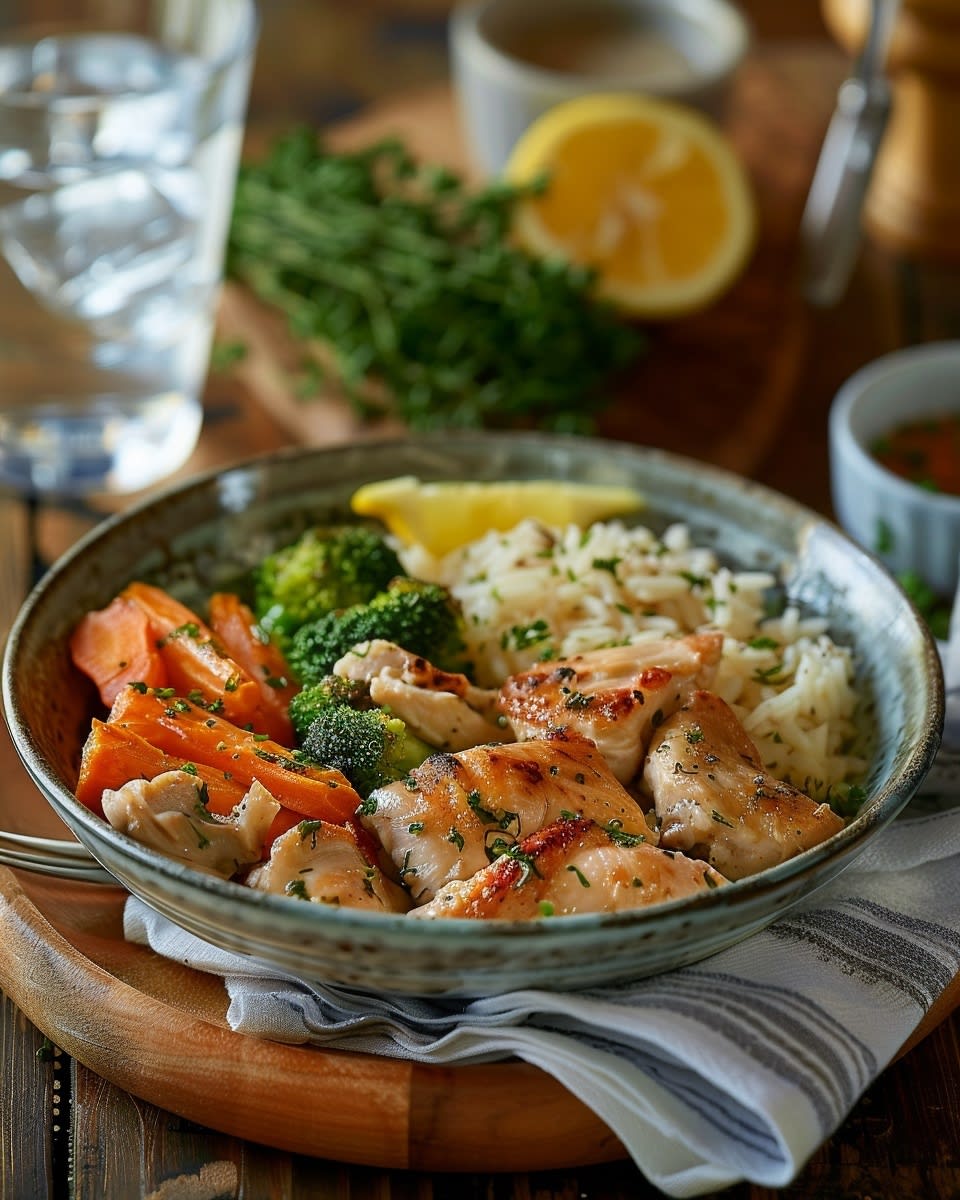
Chicken and Rice Meal Prep Bowls: Your New Weekly Game Plan
Last Sunday, I stood in my kitchen at 9 PM, staring into an empty fridge, exhausted from work and dreading the thought of cooking dinner. I’d been in this spot too many times before. That’s when I realized something had to change. The next weekend, I spent just two hours making chicken and rice meal prep bowls, and honestly, it transformed my entire week.
I’m not exaggerating when I say that meal prepping changed my life. No more scrambling for lunch ideas at noon. No more ordering expensive takeout because I was too tired to cook. Just grab a bowl from the fridge, heat it up, and enjoy a home-cooked meal in minutes.
Chicken and rice meal prep bowls are the perfect solution for anyone juggling work, family, gym time, or all of the above. These bowls combine lean protein, healthy carbs, and colorful veggies into one balanced meal. You can customize them to fit your taste preferences and dietary needs. Plus, they stay fresh in the fridge for days.
The beauty of meal prep is simple. You cook once and eat multiple times throughout the week. This approach saves you precious time on busy weeknights. It also removes the stress of deciding what to eat when you’re already exhausted. Instead of standing in front of the pantry trying to piece together a meal, you already have nutritious food ready to go.
Think about how much mental energy we spend on food decisions every single day. What’s for breakfast? What should I pack for lunch? What am I making for dinner? Meal prep eliminates at least some of these daily questions. Your future self will thank you for the planning.
Chicken and rice work beautifully together for meal prep. They’re both mild in flavor, which means they pair well with almost any seasoning or sauce you can imagine. One week you might go for Mexican flavors with salsa and black beans. The next week, try Asian-inspired bowls with soy sauce and ginger. The possibilities are endless.
Why Choose Chicken and Rice for Meal Prep?
I’ve tried meal prepping with all kinds of ingredients over the years. Pasta gets mushy. Fish doesn’t reheat well. Some vegetables turn to mush after a few days. But chicken and rice? They’re meal prep champions.
Let’s talk about the nutritional benefits of chicken and rice first. Chicken breast is packed with protein, which your body needs to build and repair muscles. A single serving gives you around 25 to 30 grams of protein. That protein also keeps you feeling full for hours, which means fewer snack cravings between meals.
Rice provides the carbohydrates your body uses for energy. Brown rice adds extra fiber to your diet, which helps with digestion and keeps your blood sugar steady. White rice cooks faster and some people find it easier to digest. Both options work great for meal prep.
Here’s what you get in a typical chicken and rice meal prep bowl:
- High-quality protein from chicken to support muscle health and keep you satisfied
- Complex carbohydrates from rice for sustained energy throughout your day
- Essential vitamins like B vitamins from both chicken and rice
- Minerals including selenium, phosphorus, and magnesium
- Low fat content when using chicken breast and minimal cooking oil
Beyond nutrition, chicken and rice are incredibly easy to cook in large batches. You can bake several chicken breasts in the oven while your rice cooks in a rice cooker or on the stovetop. In about 30 to 40 minutes, you have the foundation for an entire week’s worth of meals.
Storage is another major advantage. Cooked chicken stays fresh in the fridge for up to four days when stored properly. Rice lasts just as long. This means you can prep on Sunday and have fresh meals through Thursday. Some people even freeze extra portions for later in the month.
The affordability of chicken and rice makes them perfect for anyone watching their budget. A family pack of chicken breasts often costs less than ten dollars. A large bag of rice might cost five dollars and last for months. Compare that to buying lunch at a restaurant every day, which can easily run fifteen dollars or more per meal.
When I first started meal prepping, I was shocked by how much money I saved. I calculated that my homemade chicken and rice meal prep bowls cost around three to four dollars each. Restaurant meals in my area typically cost twelve to twenty dollars. The savings added up fast, and I could finally afford that gym membership I’d been putting off.
Chicken and rice are also widely available no matter where you live. You don’t need to hunt down specialty ingredients at expensive health food stores. Your regular grocery store has everything you need. Even the smallest towns usually stock chicken and rice at reasonable prices.
The versatility of chicken and rice bowls means you’ll never get bored. Change up your vegetables each week. Rotate between different sauces and seasonings. Add beans, cheese, avocado, or nuts for variety. I like to make three different flavor profiles when I prep, so I have options throughout the week.
My go-to combinations include a Mediterranean bowl with cucumber, tomatoes, and tzatziki sauce. I also love a Southwest bowl with corn, black beans, and chipotle ranch. For days when I want something lighter, I make an Asian-inspired bowl with broccoli, carrots, and a ginger-soy dressing.
Chicken and rice also reheat beautifully, which isn’t true for all meal prep ingredients. The rice stays fluffy rather than turning gummy. The chicken remains moist if you don’t overcook it initially. A quick minute or two in the microwave brings everything back to the perfect temperature.
For people trying to maintain or lose weight, chicken and rice meal prep makes portion control simple. You divide your food into containers during prep time, which means you know exactly how much you’re eating. No more accidentally overeating because you cooked a huge pot of pasta and kept going back for seconds.
The convenience factor cannot be overstated. Busy parents can pack these bowls for their kids’ lunches. Office workers can bring them to work and avoid the vending machine. College students can have healthy meals in their dorm fridges. Athletes can fuel their bodies properly without spending hours in the kitchen every day.
I remember my first week of successful meal prep. I felt like I had unlocked a secret superpower. My coworkers asked where I was ordering lunch from because everything looked so good. When I told them I made it myself on Sunday, they couldn’t believe it. Several of them started meal prepping too after seeing how easy it was.


How to Make Chicken and Rice Meal Prep Bowls That Actually Taste Good
Now that you understand why these bowls work so well, let’s get into the actual cooking process. I promise it’s easier than you think.
The first time I attempted meal prep chicken and rice, I made every mistake in the book. I overcooked the chicken until it tasted like cardboard. The rice came out sticky and clumped together. My vegetables were either mushy or still half-raw. But I learned from those mistakes, and now I’m going to save you from making the same ones.
Start with your chicken. I’ve tried every cooking method imaginable, and each has its own advantages. Baking chicken for meal prep is my favorite because it requires minimal effort and gives you consistent results. Preheat your oven to 400 degrees Fahrenheit. Take your chicken breasts and pound them to an even thickness using a meat mallet or even a heavy pan. This step matters more than you’d think because it ensures everything cooks at the same rate.
Season both sides generously with salt, pepper, and whatever spices match your flavor profile. For basic seasoning, garlic powder and paprika never fail. Drizzle a tiny bit of olive oil over the chicken to keep it moist during cooking. Arrange the breasts on a baking sheet lined with parchment paper, leaving space between each piece. Bake for about 20 to 25 minutes, depending on thickness. The internal temperature should reach 165 degrees Fahrenheit when you check with a meat thermometer.
Here’s a trick that changed everything for me. Don’t slice your chicken immediately after it comes out of the oven. Let it rest for at least five minutes. Those juices that would normally run all over your cutting board? They redistribute back into the meat, keeping it moist throughout the week.
Grilling works beautifully too, especially if you want those attractive char marks. The process is similar to baking, but you’ll need to watch more carefully since grill temperatures vary. I use grilling when I’m already firing up the grill for weekend burgers. Might as well throw on some chicken breasts for the week ahead, right?
Sautéing is fastest if you’re short on time. Cut the chicken into bite-sized pieces before cooking, which speeds everything up. Heat a large skillet over medium-high heat with a tablespoon of oil. Cook the pieces for about six to eight minutes, stirring occasionally until they’re golden brown and cooked through. The downside is you can usually only cook one or two breasts at a time this way, so it’s not ideal for larger batch cooking.
For the rice, consistency is key. Nothing ruins a chicken and rice meal prep bowl more than gummy, overcooked rice or crunchy, undercooked grains. I spent years struggling with stovetop rice before I finally broke down and bought a rice cooker. Best thirty dollars I ever spent.
If you’re using a rice cooker, just follow the manufacturer’s instructions. They’re basically foolproof. For stovetop rice, use a two-to-one ratio of water to rice for white rice, and about two and a half to one for brown rice. Bring the water to a boil, add your rice and a pinch of salt, then reduce heat to low and cover. White rice takes about 18 minutes, while brown rice needs closer to 45 minutes. The golden rule? Don’t lift that lid while it’s cooking. Seriously, resist the temptation.
When the timer goes off, remove the pot from heat but keep it covered for another five minutes. This resting period lets the rice finish steaming and results in perfectly fluffy grains. Then fluff it with a fork rather than stirring with a spoon, which can make it mushy.
I’ve also had great success with Instant Pot rice. Use a one-to-one ratio of rice to water, cook on high pressure for three minutes for white rice or 22 minutes for brown rice, then let it naturally release for ten minutes. The texture comes out fantastic every time. Similar to quinoa and turkey meatball meal prep, getting your grains right makes all the difference.
Now for the fun part—vegetables and variety. This is where you can really make these bowls your own. I like to roast my vegetables at the same time as the chicken. Toss chopped broccoli, bell peppers, zucchini, or Brussels sprouts with olive oil, salt, and pepper. Spread them on a separate baking sheet and roast at 425 degrees for about 20 to 25 minutes until they’re tender and slightly caramelized.
Some vegetables work better raw or lightly cooked for meal prep. Cherry tomatoes, cucumbers, and shredded lettuce stay crispier if you add them fresh when you’re ready to eat. I keep these in separate small containers and toss them in right before heating my bowl. This approach reminds me of how I prepare my roasted veggie and chickpea meal prep bowls—some components benefit from being added last minute.
Seasoning combinations can transform the same basic ingredients into completely different meals. For a Mexican-style chicken and rice bowl, season your chicken with cumin, chili powder, and lime juice. Add black beans, corn, diced tomatoes, and top with salsa and avocado. An Asian-inspired meal prep bowl might feature chicken seasoned with garlic and ginger, served over rice with edamame, shredded carrots, and a drizzle of sesame-soy sauce.
Mediterranean flavors work wonderfully too. Season chicken with oregano, lemon juice, and garlic. Pair it with rice, cucumber, tomatoes, red onion, feta cheese, and tzatziki sauce. One week I made an Indian-inspired version with curry powder on the chicken, rice cooked with turmeric, and roasted cauliflower and chickpeas on the side.
The sauce makes or breaks your bowl, honestly. Dry chicken and plain rice won’t excite anyone. I keep several homemade sauces in my fridge during meal prep week. A simple yogurt-based sauce with herbs, a spicy sriracha mayo, or even just a good quality store-bought dressing can elevate everything. Just store sauces separately and add them when you’re ready to eat.
Storing and Reheating Your Meal Prep Bowls Without Ruining Them
You’ve done all this cooking, so let’s make sure it doesn’t go to waste. Proper storage matters more than most people realize.
Invest in good quality containers. I learned this lesson the hard way after buying cheap containers that warped in the microwave and leaked all over my work bag. Glass containers are my preference because they’re microwave-safe, dishwasher-safe, and don’t absorb odors or stains. They’re heavier to carry around, though. BPA-free plastic containers work fine if you prefer something lighter.
Choose containers with divided sections if you want to keep components separate. This works especially well if you’re adding ingredients that release moisture, like tomatoes or cucumbers. Some people prefer assembling everything together from the start, while others like keeping rice, chicken, and vegetables in separate compartments.
Let everything cool completely before you start packing. I know you’re excited to finish and move on with your day, but putting hot food directly into containers creates condensation. That excess moisture makes everything soggy and can encourage bacterial growth. Spread your cooked chicken and rice on baking sheets to cool faster, then pack them once they reach room temperature.
For refrigerator storage, chicken and rice bowls last four days when stored properly at 40 degrees Fahrenheit or below. I prep on Sunday and eat my last bowl on Thursday. Some sources say you can push it to five days, but I prefer staying on the safe side. If something smells off or looks questionable, throw it out. Food poisoning isn’t worth the five dollars you’d save.
Label your containers with the date you prepared them. Trust me, after a busy week, you won’t remember whether you made them on Sunday or the previous Wednesday. A simple piece of masking tape and a marker solve this problem.
Freezing works great for longer storage. These bowls freeze beautifully for up to three months. Just know that rice texture changes slightly after freezing—it can become a bit drier. Combat this by adding a tablespoon of water or broth to the container before reheating. The steam helps rehydrate the rice. Much like with sheet pan salmon and veggies for meal prep, freezing extends your options but requires slight adjustments when reheating.
When you’re ready to eat, reheating chicken and rice properly makes all the difference. For microwave reheating, remove the lid or vent it slightly to let steam escape. Heat for 90 seconds, stir everything around, then heat for another 60 seconds. Check that it’s hot all the way through before eating. If your chicken seems dry, add a splash of water or broth before reheating.
I actually prefer reheating in a skillet when I’m working from home. It takes a few extra minutes but gives you better texture. Heat a non-stick pan over medium heat, add your bowl contents, and stir occasionally for about five minutes until everything’s heated through. You can even add fresh vegetables at this point for extra nutrition.
Funny enough, some people eat these bowls cold, especially in summer. The chicken and rice work as a cold salad base when you add fresh vegetables and a tangy dressing. I thought that sounded weird until I tried it on a hot July afternoon. Now it’s my go-to lunch for beach days.
One more thing about safety—never leave your meal prep bowls at room temperature for more than two hours. If you’re bringing lunch to work, use an insulated lunch bag with an ice pack if you don’t have access to a refrigerator right away. Your stomach will thank you later.
The shelf life of individual components varies, so keep that in mind. Cooked chicken stays good for four days, rice for four to six days, and most cooked vegetables for three to five days. Raw vegetables you’re adding later last about a week. If you’re making prep-ahead veggie frittata cups for lunch alongside your chicken bowls, those have a similar four-day fridge life.
Watch for signs that food has gone bad. If you see any mold, notice a sour smell, or the texture seems slimy, toss it immediately. Cooked rice that’s been stored improperly can harbor bacteria that causes food poisoning, so when in doubt, throw it out.


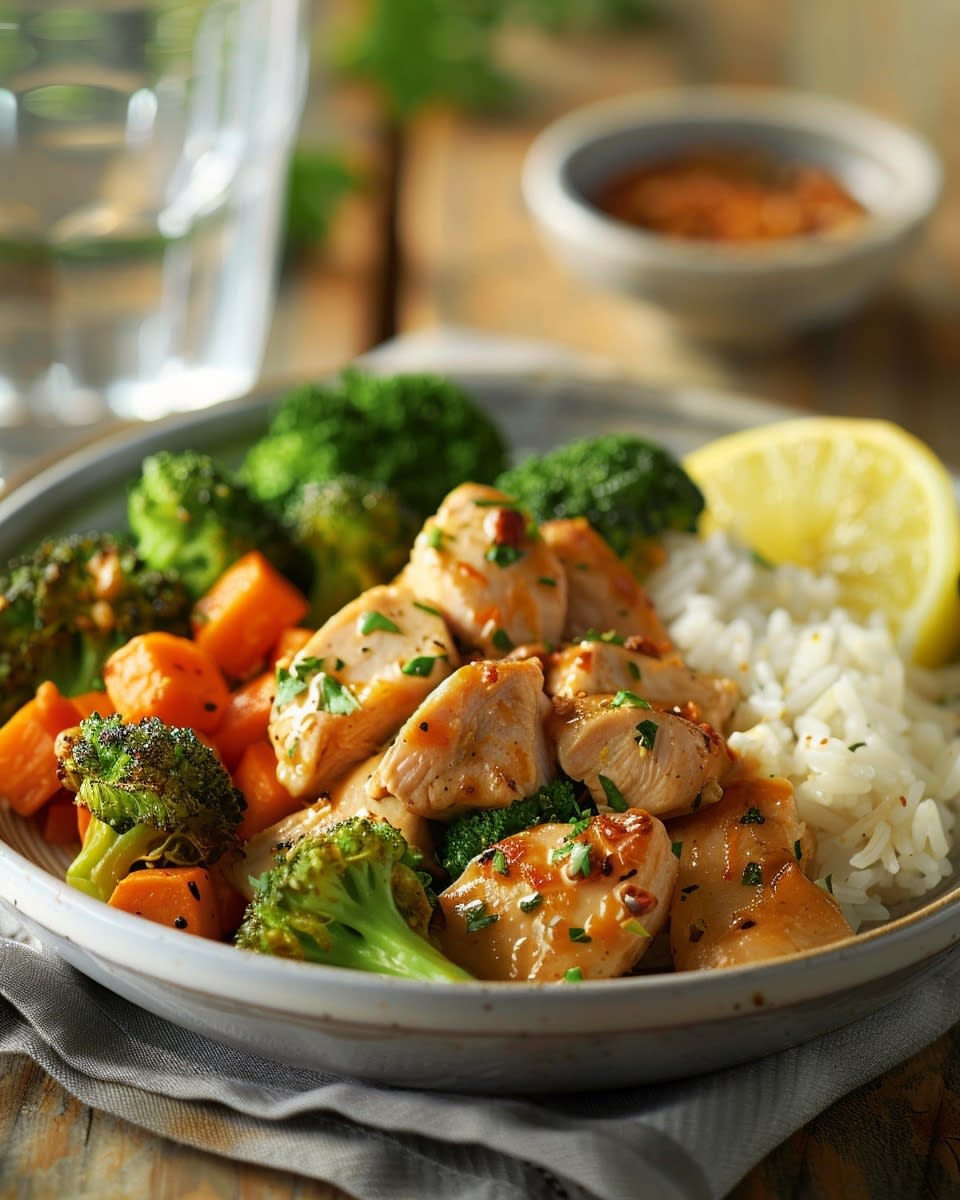
Creative Chicken and Rice Bowl Variations That’ll Keep You Excited
Here’s the thing about meal prep—it can get boring fast if you’re eating the exact same thing five days in a row. I made that mistake during my second week of prepping. Plain grilled chicken with white rice and steamed broccoli. By Wednesday, I was so sick of it that I almost ordered pizza. That’s when I realized I needed to get creative.
The secret to successful long-term meal prepping isn’t just about cooking efficiently. It’s about creating variety in your chicken and rice bowls so you actually look forward to eating them. Trust me, a little creativity goes a long way toward keeping you on track with your healthy eating goals.
Let’s start with a Teriyaki chicken rice bowl that’s honestly better than takeout. Marinate your chicken pieces in a mixture of soy sauce, ginger, garlic, honey, and a splash of rice vinegar for at least 30 minutes before cooking. While that’s happening, stir-fry some snap peas, bell peppers, and mushrooms in sesame oil. Cook your rice and toss it with a tiny bit of rice vinegar and sesame seeds. When you assemble everything, drizzle extra teriyaki sauce on top and add some green onions. My husband actually requests this one specifically now.
For a Greek chicken and rice meal prep, season your chicken with lemon juice, olive oil, oregano, and plenty of garlic. I like using chicken thighs for this version because they stay extra juicy. Serve over rice mixed with chopped spinach and sun-dried tomatoes. Add kalamata olives, diced cucumber, cherry tomatoes, red onion, and crumbled feta cheese. The tzatziki sauce is essential here—you can make it with Greek yogurt, grated cucumber, garlic, dill, and lemon juice. It keeps for about five days in the fridge.
My absolute favorite lately has been a Cajun chicken bowl. Coat your chicken in a homemade Cajun spice blend with paprika, cayenne pepper, garlic powder, onion powder, thyme, and oregano. Pan-sear it until it gets that beautiful blackened crust. Pair it with dirty rice—rice cooked with diced celery, bell peppers, onions, and a bit of sausage if you want. Add roasted okra and corn on top. Finish with a cooling ranch or remoulade sauce to balance the heat.
For anyone following a low-carb chicken meal prep plan, you’ve got options beyond just ditching the rice entirely. Cauliflower rice works surprisingly well as a substitute. I was skeptical at first because I’m not usually a fan of vegetable substitutes, but when you season it properly, it’s actually delicious. Sauté riced cauliflower with garlic and a bit of butter until tender. You can also try shirataki rice, which has almost no carbs or calories. The texture takes some getting used to, but it works in a pinch.
Another low-carb variation uses zucchini noodles or spaghetti squash as the base instead of rice. I made a version with pesto chicken over zucchini noodles, topped with cherry tomatoes and pine nuts. It felt fancy enough for a dinner party but was simple enough for meal prep. Just keep the zucchini noodles raw in your container and add them right before eating so they don’t get soggy.
By the way, don’t sleep on adding healthy fats to your bowls. A quarter of an avocado, a handful of nuts, or a drizzle of quality olive oil makes everything taste richer and keeps you satisfied longer. According to nutrition experts, unsaturated fats from sources like avocados, nuts, and olive oil support heart health and help your body absorb certain vitamins better. I noticed I stayed full until dinner when I added these fats versus when I skipped them.
Fresh herbs transform boring bowls into restaurant-quality meals. Cilantro, parsley, basil, mint, and dill all bring brightness and flavor without adding calories. I keep several herbs growing on my kitchen windowsill now. Snipping fresh herbs right before eating makes such a difference compared to dried versions. A handful of fresh cilantro on a Mexican bowl or torn basil on a Mediterranean bowl elevates everything.
Texture matters more than people realize. If everything in your bowl is soft, it gets monotonous. Add some crunch with toasted nuts, seeds, crispy chickpeas, or even crushed tortilla chips. I like sprinkling toasted sesame seeds on Asian bowls, pumpkin seeds on Mexican bowls, and chopped almonds on Mediterranean versions. That little bit of crunch makes each bite more interesting.
Here are some ingredient combinations that work beautifully together:
- Buffalo chicken bowl: Chicken tossed in buffalo sauce, ranch dressing, celery, carrots, blue cheese crumbles, and green onions
- Thai peanut bowl: Chicken with peanut sauce, shredded cabbage, edamame, carrots, crushed peanuts, and lime
- Harvest bowl: Chicken with roasted sweet potato, Brussels sprouts, dried cranberries, pecans, and maple-Dijon dressing
- Hawaiian bowl: Teriyaki chicken, pineapple chunks, red cabbage, macadamia nuts, and a ginger-soy glaze
- Moroccan bowl: Chicken with ras el hanout spice, chickpeas, raisins, almonds, and a yogurt-harissa sauce
Don’t forget about grain alternatives beyond white and brown rice. Quinoa adds complete protein and a slightly nutty flavor. Wild rice brings an earthy taste and chewy texture. Farro has a wonderful hearty quality that holds up great in meal prep. I rotate through different grains depending on my mood and what’s on sale at the store.
Funny enough, one of my most requested variations came about by accident. I had leftover rice from Chinese takeout and some barbecue chicken. I threw them together with some corn, black beans, and coleslaw, then drizzled barbecue sauce on top. My kids went crazy for it. Now I make this BBQ chicken rice bowl intentionally, and it disappears faster than any other version.
Side dishes can round out your meal if you’re extra hungry or want more variety. I prep simple sides separately and mix and match throughout the week. Roasted chickpeas seasoned with your favorite spices stay crunchy for days in an airtight container. Hard-boiled eggs add extra protein. A small side salad with vinaigrette dressing keeps things fresh. Even just some baby carrots with hummus gives you something to crunch on.
For people who like breakfast meal prep ideas, chicken and rice work surprisingly well in the morning. Make a breakfast bowl with scrambled eggs, chicken sausage, brown rice, sautéed peppers and onions, salsa, and cheese. It’s like a burrito bowl but appropriate for 8 AM. I thought this sounded weird until I tried it during a week when I was training for a half marathon and needed more protein in the mornings.
Pickled vegetables add amazing tangy brightness to any bowl. Quick-pickle some red onions, jalapeños, or carrots in vinegar, water, and a bit of sugar. They keep for weeks and add that acidic pop that cuts through richer flavors. I always have at least one jar of pickled red onions in my fridge now. They go on everything from chicken bowls to sandwiches to tacos.
If you’re looking for even more variety throughout your week, consider checking out other meal prep lunch options that complement your chicken and rice rotation. Sometimes alternating between different meal prep styles keeps things exciting without burning out on any single approach.
Remember that meal prep doesn’t have to be all or nothing. Some weeks I prep everything completely assembled. Other weeks I prep the components separately and assemble fresh bowls each day. Both approaches work. Do whatever fits your schedule and preferences. There’s no wrong way to meal prep as long as you’re eating healthier and saving time.
Frequently Asked Questions About Chicken and Rice Meal Prep
What are the best containers for storing chicken and rice meal prep bowls?
Glass containers with airtight lids are my top choice because they’re durable, microwave-safe, and don’t absorb odors or stains. Look for containers that are at least 24 ounces to hold a full meal. BPA-free plastic containers work well if you need something lighter for carrying to work. I recommend containers with divided sections if you want to keep sauces or fresh vegetables separate from the hot components. Avoid containers that warp easily in the microwave or have lids that don’t seal properly.
Can I use brown rice instead of white rice for meal prep?
Absolutely, and I actually prefer brown rice for most of my meal prep bowls. Brown rice offers more fiber, vitamins, and minerals compared to white rice, plus it keeps you feeling full longer. The texture holds up just as well during storage and reheating. The only downside is it takes longer to cook—usually around 45 minutes compared to 18 minutes for white rice. Both types work perfectly for meal prep, so choose based on your taste preferences and nutritional goals.
How can I make my chicken and rice bowls more flavorful?
The secret is layering flavors at every step rather than relying on plain ingredients. Season your chicken generously before cooking, not just with salt and pepper but with spice blends and marinades. Add aromatics like garlic or herbs to your rice while it cooks. Include a variety of textures with crunchy vegetables, creamy sauces, or toasted nuts. Fresh herbs added right before eating make a huge difference. Most importantly, don’t skip the sauce—it ties everything together and prevents dry, boring bowls.
Are there any low-carb options for chicken and rice meal prep?
Yes, several great alternatives exist for reducing carbs while keeping the meal prep concept. Cauliflower rice is the most popular substitute and works well when seasoned properly. Shirataki rice has almost no carbs or calories, though the texture is different from regular rice. You can also use zucchini noodles, spaghetti squash, or just increase the quantity of non-starchy vegetables like broccoli, peppers, and leafy greens. Some people simply reduce the rice portion to a quarter cup and bulk up with extra vegetables and healthy fats like avocado.
How many days can I keep the meal prep bowls in the fridge?
Cooked chicken and rice bowls stay fresh in the refrigerator for up to four days when stored properly at 40 degrees Fahrenheit or below. I always prep on Sunday and eat my last bowl on Thursday to stay within the safe window. Some sources suggest five days is okay, but I prefer not to risk it. Always check for signs of spoilage like off smells, slimy texture, or any visible mold before eating. When in doubt, throw it out—food poisoning isn’t worth saving a few dollars.
Can I freeze the meal prep bowls, and if so, how should I do it?
Chicken and rice bowls freeze beautifully for up to three months, which is perfect for making larger batches. Let everything cool completely before freezing to prevent ice crystals from forming. Use freezer-safe containers and leave a little space at the top for expansion. Label each container with the date so you remember when you made it. When ready to eat, thaw overnight in the refrigerator, then reheat thoroughly. Add a tablespoon of water or broth before reheating to help restore moisture to the rice.
What are some good sauces to add to chicken and rice bowls?
The right sauce completely transforms your bowl from boring to crave-worthy. My go-to options include homemade tzatziki, spicy sriracha mayo, peanut sauce, chimichurri, and teriyaki glaze. Store-bought options like salsa, barbecue sauce, buffalo sauce, and various vinaigrettes work great too. Yogurt-based sauces with herbs stay fresh all week. Always store sauces in separate small containers and add them right before eating to prevent everything from getting soggy. I usually make two or three different sauces each week so I can change up the flavor of the same base ingredients.
How can I make sure the chicken stays moist after reheating?
The key to juicy reheated chicken starts with not overcooking it initially—pull it from heat once it reaches 165 degrees internally. Let the chicken rest for five minutes after cooking before slicing or storing. When reheating, add a splash of water, broth, or sauce to the container before microwaving to create steam. Cover the container but leave it slightly vented. Heat in shorter intervals, checking frequently to avoid drying it out. Using chicken thighs instead of breasts also helps since they contain more fat and stay moister naturally.
What vegetables work best for meal prep bowls?
Heartier vegetables that hold up well during storage are your best bet for meal prep. Roasted broccoli, Brussels sprouts, cauliflower, bell peppers, zucchini, and carrots all work beautifully. Green beans and asparagus stay crisp when slightly undercooked initially. For raw vegetables, cherry tomatoes, shredded cabbage, and snap peas maintain their texture throughout the week. I recommend keeping delicate greens like lettuce and spinach separate and adding them fresh. Avoid watery vegetables like regular sliced tomatoes or cucumber unless you’re keeping them in a separate compartment.
Can I meal prep chicken and rice bowls if I don’t have much cooking experience?
Absolutely—this is actually one of the best starting points for beginners. The cooking methods are straightforward and forgiving. You don’t need fancy equipment beyond basic pots, pans, and containers. Start simple with just salt, pepper, and garlic powder for seasoning. Focus on mastering the basics of baking chicken and cooking rice before getting creative with complex flavor profiles. There’s no shame in using store-bought rotisserie chicken and microwaveable rice packets when you’re just starting out. As you gain confidence, you can gradually experiment with new seasonings and techniques.
With just a little planning and creativity, you’ll find yourself actually excited about the meals waiting for you in the fridge. That’s when you know meal prep has truly become a game-changer in your routine.
Ingredients
Equipment
Method
- Preheat oven to 400°F (200°C).
- Pound chicken breasts to an even thickness.
- Season chicken breasts with salt, pepper, garlic powder, and paprika.
- Drizzle olive oil over the chicken.
- Arrange chicken on a parchment-lined baking sheet and bake for 20-25 minutes until the internal temperature reaches 165°F (75°C).
- Let chicken rest for 5 minutes before slicing.
- Cook rice according to package instructions (stovetop, rice cooker, or Instant Pot).
- In the last 20-25 minutes of chicken cooking, toss vegetables with olive oil, salt, and pepper on a separate baking sheet.
- Roast vegetables at 425°F (220°C) until tender.
- Combine sliced chicken, cooked rice, and roasted vegetables in meal prep containers.
- Store sauces separately to add when ready to eat.