
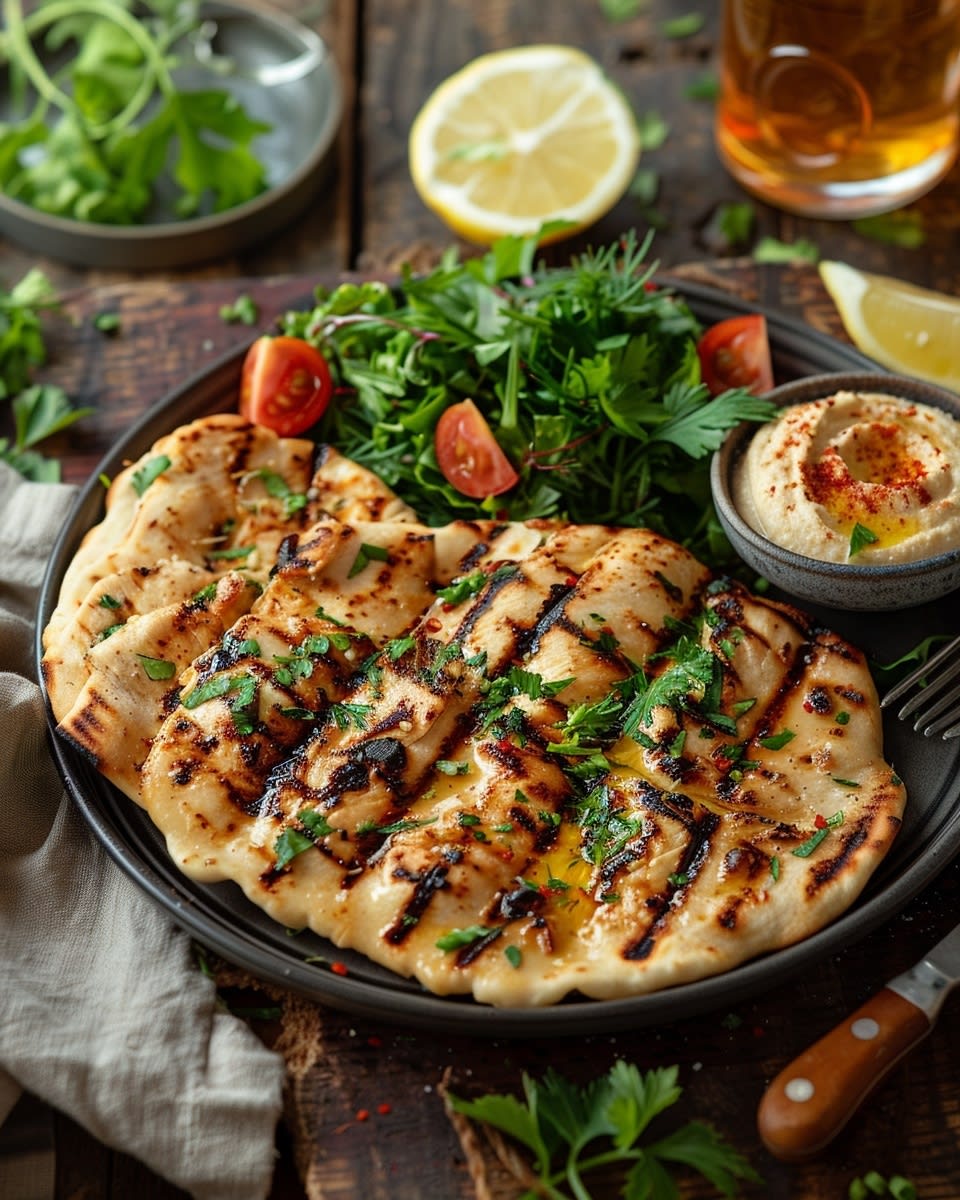
Last weekend, I watched my neighbor try to impress his guests with fancy appetizers while I threw together some grilled chicken flatbread. Guess which table everyone crowded around? There’s something magical about that combination of smoky grilled chicken and crispy flatbread that makes people forget their diet plans and reach for seconds.
Grilled chicken flatbread has become my go-to recipe for almost everything. Quick weeknight dinners when I’m tired? Check. Unexpected guests showing up? Covered. Summer barbecues where I need to feed a crowd? Perfect. This dish works because it’s simple enough for a Tuesday night but impressive enough for company.
The beauty of this meal lies in its flexibility. You can dress it up or keep it casual. You can make it healthy or indulgent. Either way, you get those amazing smoky flavors from the grill combined with a crispy base that holds all your favorite toppings without falling apart.
What makes this even better is that grilled chicken isn’t just delicious. It’s actually good for you. The lean protein from chicken breast can help control blood sugar levels, which matters if you’re watching your health. Unlike fried options, grilled chicken keeps things light without sacrificing flavor. You get all the satisfaction of a hearty meal without the guilt that comes with heavier choices.
I started making these flatbreads about three years ago when I was looking for something healthier than pizza but just as satisfying. Now I make them at least twice a month, and my kids actually request them. That’s saying something when you’re competing with chicken nuggets and mac and cheese.
What to Put in a Chicken Flatbread?
The foundation of any great grilled chicken flatbread starts with the basics. You need good quality flatbread or naan, juicy grilled chicken, and a sauce that ties everything together. But the real fun begins when you start layering on the extras.
For your chicken, I always recommend marinating it first. Even 30 minutes makes a difference. A simple mix of olive oil, garlic, lemon juice, and herbs works wonders. Once grilled and sliced, that chicken becomes the star of your flatbread.
Here are the essential ingredients I keep on hand:
- Fresh mozzarella or your favorite cheese
- Red onions, thinly sliced
- Cherry tomatoes, halved
- Fresh basil or cilantro
- Baby spinach or arugula
- A good sauce (ranch, pesto, garlic aioli, or barbecue)
The sauce choice changes the entire personality of your flatbread. Ranch dressing creates a cool, creamy base that balances smoky chicken perfectly. Pesto adds an herby punch that makes the whole thing taste gourmet. Barbecue sauce gives you that sweet and tangy flavor that kids love. I usually let people pick their own sauce, which makes everyone happy.
Vegetables add crunch and freshness that cuts through the richness of cheese and chicken. Red onions bring a sharp bite. Tomatoes add juicy bursts of acidity. Greens like arugula or spinach provide a peppery contrast. Don’t skip the veggies. They’re not just garnish. They make the flatbread taste balanced instead of one-note.
Fresh herbs take everything up a level. Basil brings a sweet, aromatic quality. Cilantro adds brightness. Even simple parsley makes the dish look and taste fresher. I tear the herbs by hand instead of chopping them. It releases more flavor and looks more rustic.
Now for the creative variations that will make your flatbreads stand out. I’ve tried dozens of combinations over the years, and these are my favorites.
Mediterranean Style: Load up your flatbread with feta cheese, kalamata olives, sun-dried tomatoes, and a drizzle of tzatziki sauce. The tangy feta plays beautifully with the smoky chicken. Add some cucumber slices after grilling for extra crunch.
California Fresh: This is my summer favorite. Spread mashed avocado on the flatbread before adding chicken. Top with cherry tomatoes, corn kernels, a squeeze of lime, and fresh cilantro. It tastes like sunshine on a plate.
Spicy Southwest: For people who like heat, mix things up with pepper jack cheese, sliced jalapeños, black beans, and a chipotle ranch drizzle. The spice wakes up your taste buds without overwhelming the chicken flavor. I always warn guests about this one because those jalapeños can surprise you.
Greek-Inspired: Use hummus as your base sauce instead of traditional options. Add grilled chicken, roasted red peppers, red onion, and a sprinkle of feta. Finish with a squeeze of lemon and some fresh oregano. This version tastes lighter and works great for lunch.
BBQ Ranch Fusion: My teenagers created this combination, and I have to admit it’s genius. Brush barbecue sauce on the flatbread, add chicken, then drizzle ranch on top. Add red onions, bacon bits, and cheddar cheese. It’s indulgent but so good.
The key to a great flatbread is balancing flavors and textures. You want creamy and crunchy. Rich and fresh. Mild and bold. Think about how each ingredient interacts with the others.
If you’re using a strong cheese like blue cheese or aged cheddar, balance it with milder toppings. If your sauce is rich and creamy, add acidic elements like tomatoes or pickled onions. If everything seems soft, throw on some toasted nuts or crispy onions for texture.
I learned this the hard way after making a flatbread with cream cheese, ranch dressing, and avocado. It tasted like eating a cloud. Not in a good way. Everything was the same soft, creamy texture. Adding some crispy lettuce and crunchy bell peppers fixed the problem completely.
Temperature matters too. Some toppings go on before grilling. Others get added after. Cheese and heartier vegetables can handle the heat. Delicate greens and herbs should go on at the end. Avocado will turn brown and mushy if you grill it, so always add it fresh.
Don’t overload your flatbread. I know it’s tempting to pile on every topping you love, but too much creates a soggy mess that falls apart when you try to eat it. Three to five toppings plus your sauce and chicken is plenty. Quality over quantity wins every time.


How to Prepare and Grill the Chicken
Now that you know what goes on top, let’s talk about the star of the show. The chicken needs to be perfect because everything else builds on that foundation. I’ve grilled hundreds of chicken breasts over the years, and I’ve learned that the preparation matters just as much as the actual grilling.
First things first. You need to flatten your chicken breasts. This is probably the most important step that people skip, and then they wonder why their chicken cooks unevenly. Chicken breasts are naturally thick on one end and thin on the other. If you throw them on the grill like that, the thin part turns into leather while the thick part is still raw in the middle.
Here’s how I do it. Place your chicken breast on a cutting board and cover it with plastic wrap. This prevents messy splatter. Then grab a meat mallet or even a heavy skillet. Pound the thick part of the breast until the whole piece is about the same thickness throughout, usually around half an inch to three-quarters of an inch. Don’t go crazy and beat it paper-thin. You want it even, not flat as a pancake.
By the way, if you don’t have a meat mallet, a rolling pin works fine. I used a wine bottle for months before I finally bought the proper tool. Nobody’s judging your technique as long as the chicken comes out right.
Next comes the marinade. This is where you build flavor that goes all the way through the meat, not just on the surface. I make a basic marinade that works every single time. Mix together olive oil, minced garlic, fresh lemon juice, salt, pepper, and whatever herbs you’re feeling that day. Italian seasoning works. Dried oregano is great. Fresh rosemary if you’re fancy.
Put your flattened chicken in a zip-top bag or shallow dish, pour the marinade over it, and make sure every part gets coated. If you have time, let it sit in the fridge for at least 30 minutes. An hour is better. Overnight is amazing but not necessary. I’ve marinated chicken for just 15 minutes when I’m rushed, and it still tastes good. Not as good, but good enough.
The acid from the lemon juice does something magical. It breaks down the proteins just a little bit, making the meat tender. Plus it adds brightness that cuts through the richness of cheese and sauce later. Sometimes I swap lemon for lime if I’m doing a southwestern version, or I’ll add a splash of balsamic vinegar for a Mediterranean vibe.
Before you head to the grill, take the chicken out of the fridge about 15 minutes early. Cold chicken on a hot grill equals uneven cooking. Room temperature chicken cooks more consistently. This is one of those small details that separates okay grilled chicken from restaurant-quality results.
Now for the actual grilling. Get your grill nice and hot first. I’m talking medium-high heat, around 400 to 450 degrees if you have a thermometer. If you don’t, hold your hand about six inches above the grates. If you can only keep it there for three or four seconds before it gets too hot, you’re in the right range.
Clean your grill grates and oil them. I use tongs to hold a paper towel soaked in vegetable oil and rub it across the grates. This prevents sticking and helps create those beautiful grill marks everyone loves. Don’t skip this step unless you enjoy scraping chicken off your grill and serving mangled pieces.
Place your chicken on the grill and resist the urge to touch it. I know it’s hard. We all want to flip and check and poke. But if you leave it alone for about 4 to 5 minutes, it develops a nice crust and those gorgeous grill marks form naturally. The chicken will release from the grates when it’s ready. If it’s sticking, it needs more time.
After those first 4 to 5 minutes, flip it once. Just once. You’re not making pancakes. Multiple flips dry out the meat and mess up your grill marks. Cook for another 4 to 5 minutes on the second side.
How long does it take to grill a flattened chicken breast? Typically about 8 to 10 minutes total for a half-inch thick piece. The exact time depends on your grill temperature and the thickness of your chicken. A thicker piece might need 12 minutes. The only way to know for sure is to use an instant-read thermometer. You’re looking for 165 degrees Fahrenheit in the thickest part.
Here’s the thing though. I usually pull my chicken off the grill at about 160 degrees. It continues cooking for a few minutes after you remove it, a process called carryover cooking. By the time it hits your cutting board, it reaches 165 degrees and stays juicy instead of drying out. This is especially helpful if you’re making something like a baked chicken wrap where you need the meat to stay moist.
For perfect grill marks, here’s a pro tip I learned from a chef friend. After placing your chicken on the grill, rotate it 45 degrees halfway through cooking on each side. So you grill for 2 to 3 minutes, rotate it, grill for another 2 to 3 minutes, then flip and repeat. This creates that crosshatch pattern that looks professional.
Once your chicken comes off the grill, let it rest for at least 5 minutes. I can’t stress this enough. Cutting into it immediately releases all the juices onto your cutting board instead of staying in the meat. Those 5 minutes let the juices redistribute throughout the chicken. It’s the difference between juicy and dry, and it requires zero effort except patience.
When you’re ready to slice, cut against the grain. Look at the direction the muscle fibers run and slice perpendicular to them. This makes each bite more tender because you’re shortening those fibers instead of trying to chew through long strands. For flatbread, I slice the chicken into strips about half an inch wide. Thin enough to distribute evenly but thick enough to provide substantial bites. Similar to how you might prepare protein for a quick beef rice bowl, the slicing technique matters for texture.
Can You Cook Flatbread on a Grill?
Absolutely yes, and honestly it’s the best way to do it. Grilling flatbread adds a smoky flavor and slight char that you just can’t get from an oven. Plus it gets crispy on the outside while staying soft enough to fold without cracking. I actually prefer grilled flatbread to any other method now.
The process is simpler than you might think. After your chicken comes off the grill, you can use that same heat to cook your flatbread. This is when having all your toppings prepped and ready becomes important because everything moves fast once you start.
Start by making sure your grill is at medium heat, around 350 to 375 degrees. Too hot and your flatbread burns before the toppings warm through. Too cool and it gets tough and chewy. Medium heat gives you that sweet spot where the bottom crisps up while the top gets warm and the cheese melts.
If you’re using store-bought naan or flatbread, brush one side lightly with olive oil. This helps it crisp up and prevents sticking. Place it oil-side down directly on the grill grates. Close the lid and let it toast for about 1 to 2 minutes until you see light grill marks forming.
Funny enough, I burned about a dozen flatbreads before I figured out the timing. The first time I tried this, I got distracted talking to my brother-in-law, and when I opened the grill lid, I had charcoal circles instead of flatbread. Now I set a timer on my phone. Two minutes goes by faster than you think when you’re chatting and drinking beer.
Once the bottom has those nice marks, flip it over. Now working quickly, add your toppings. Spread your sauce first, then add your sliced grilled chicken, cheese, and any vegetables that need to warm up like onions or peppers. Don’t add delicate greens or herbs yet. Those go on after it comes off the grill.
Close the lid and let everything cook for another 3 to 4 minutes. You want the cheese melted and bubbly, the toppings warmed through, and the bottom crispy but not burned. Check it after 3 minutes just to be safe. Every grill runs a little different, so you need to learn your grill’s personality.
If your cheese isn’t melting fast enough but your flatbread is getting too dark, you can move it to a cooler part of the grill or lower the heat. If everything seems to be taking forever, increase the heat slightly. This is more art than science, which is what makes it fun once you get the hang of it.
Use a large spatula or even two spatulas to remove your flatbread from the grill. It’s hot and potentially floppy depending on how loaded you made it. Slide it onto a cutting board and immediately add your fresh toppings like arugula, fresh herbs, or a drizzle of extra sauce.
One trick I learned is to grill extra flatbreads plain and keep them warm wrapped in foil. That way if someone wants seconds or you have more guests than expected, you can quickly top a pre-grilled flatbread and throw it back on for just a minute to warm through. It’s faster than starting from scratch and keeps the party moving. This method works great for casual dinners, kind of like how a veggie omelet for lunch can be prepped ahead to save time.
For a crispier result, you can also pre-grill both sides of the flatbread plain, then add toppings and grill just until the cheese melts. This creates an extra-crispy base that holds up better to heavy or wet toppings. I do this when I’m using lots of tomatoes or if I made my own sauce that’s a bit runny.
The grill adds so much flavor that even simple combinations taste special. Sometimes I just do olive oil, sea salt, and fresh rosemary on grilled flatbread as a side dish. It’s similar in spirit to keeping things simple with dishes like easy tomato pasta, where quality ingredients and proper technique create something better than the sum of its parts.


Assembling the Grilled Chicken Flatbread
This is where everything comes together, and honestly, it’s my favorite part. You’ve got your perfectly grilled chicken resting, your flatbread ready to go, and all your toppings lined up like little soldiers waiting for action. The assembly process is quick, but the order matters more than you might think.
Start with your sauce base. Whatever you’ve chosen, whether it’s ranch, pesto, hummus, or barbecue sauce, spread it evenly across your flatbread but leave about half an inch around the edges. This border prevents toppings from sliding off and gives you a built-in handle when you’re eating. I use the back of a spoon for spreading, which gives you more control than a brush.
Don’t drown your flatbread in sauce. I made this mistake repeatedly when I first started. Too much sauce makes everything soggy and overwhelms the other flavors. You want just enough to coat the surface, maybe two to three tablespoons depending on the size of your flatbread. Think of it like sunscreen. You want coverage, not a thick paste.
Next comes the cheese layer. If you’re using shredded cheese, sprinkle it evenly over the sauce. Fresh mozzarella works beautifully because it melts into these gorgeous, stretchy pools. Feta crumbles add tangy pockets of flavor. Whatever cheese you pick, distribute it so every bite gets some. Nothing’s worse than a cheese-heavy corner and a bare spot on the other end.
Here’s the thing about cheese. It acts as glue that holds everything together. So if you’re planning to pile on lots of vegetables or heavy toppings, use a bit more cheese than you normally would. It’s not just for flavor. It’s structural engineering for your dinner.
Now for your sliced grilled chicken. Arrange those beautiful strips across the flatbread in an even pattern. I like to fan them out so they cover most of the surface but don’t overlap too much. Each piece should lie flat against the cheese so it warms through properly. If you stack them in a pile, the ones on top stay cold while the bottom ones get hot.
Some people cut their chicken into cubes instead of strips. That works fine, especially if you’re going for a more bite-sized approach. Just make sure the pieces are small enough that someone doesn’t pull on a chunk and drag all the toppings off with it. I learned this at a dinner party when my friend’s dad lifted a piece and basically stripped the entire flatbread. We all had a good laugh, but it was a lesson in proper sizing.
After the chicken comes your cooked vegetables and heartier toppings. This is where you add things that benefit from heat. Sliced red onions, bell peppers, mushrooms, cherry tomatoes, corn, olives, whatever you’ve chosen. Distribute them evenly so every slice gets a good mix. Don’t pile everything in the center. Think of the flatbread as a canvas and you’re creating a balanced composition.
If you’re including ingredients with healthy fats like avocado or pine nuts, hold off on those for now. They’re better added fresh after grilling to maintain their texture and nutritional benefits. Heat can destroy some of the delicate compounds that make these ingredients so good for you.
At this point, your flatbread goes on the grill or back in the oven if you’re doing this indoors. Let it cook until the cheese melts and bubbles, the chicken warms through, and everything melds together. You’ll smell it before you see it. That aroma of melting cheese, warm chicken, and toasted bread is what makes people wander into the kitchen asking when dinner’s ready.
Once you pull it off the heat, work quickly with your fresh finishing touches. This is where your flatbread transforms from good to incredible. Add your delicate greens like arugula, spinach, or fresh lettuce. The residual heat will wilt them slightly, which is perfect. They soften just enough while maintaining their fresh, crisp character.
Fresh herbs go on now too. Torn basil leaves, chopped cilantro, or fresh parsley add bright, aromatic notes that wake up all the other flavors. I tear basil by hand because it looks rustic and releases more oils than chopping. Plus it’s one less knife to wash, which always counts in my book.
For garnishes and final drizzles, less is more. A light drizzle of good quality olive oil adds richness and shine. Balsamic glaze creates beautiful dark streaks and adds sweet-tangy complexity. Hot sauce gives heat to those who want it. A squeeze of fresh lemon or lime juice brightens everything up and cuts through rich flavors.
I keep a small bowl of flaky sea salt nearby for the final sprinkle. Regular table salt works fine during cooking, but finishing salt adds these little crunchy bursts that make each bite more interesting. Freshly cracked black pepper does the same thing. These tiny details separate home cooking from restaurant quality.
Sometimes I’ll add a dollop of sour cream or Greek yogurt right before serving. It cools down the flatbread slightly and adds creamy tanginess that balances spicy or heavy toppings. A handful of crispy fried onions or toasted pine nuts adds crunch. Pickled jalapeños or banana peppers give acidic heat.
By the way, presentation matters even for casual meals. I usually transfer my flatbread to a wooden cutting board for serving. It looks more appealing than a regular plate and gives off serious rustic vibes. If I’m feeling fancy, I’ll scatter a few extra fresh herbs around the board or add lemon wedges on the side.
Cut your flatbread with a sharp knife or pizza cutter into wedges or squares, depending on your mood. I usually go with six to eight pieces for a regular-sized flatbread. Smaller pieces work better for appetizers or parties. Larger slices are fine for dinner when it’s the main course.
Here’s where I encourage you to get creative and make this recipe your own. Everything I’ve shared are guidelines, not rules carved in stone. Maybe you hate red onions but love caramelized onions. Swap them. Maybe you’re allergic to dairy and need to skip the cheese or use a dairy-free alternative. Do it. The recipe still works.
I have a neighbor who puts pineapple on her chicken flatbread, which initially sounded crazy to me. Then I tried it, and wow. That sweet, juicy fruit against smoky chicken and salty cheese was actually amazing. So don’t let anyone tell you what belongs or doesn’t belong on your flatbread. If it tastes good to you, it’s correct.
Experiment with different flatbread bases too. Regular naan works great. Pita bread creates a different texture. Homemade pizza dough gives you more control over thickness and flavor. I’ve even used large flour tortillas in a pinch when I ran out of everything else. They get crispy and work surprisingly well.
Try unexpected proteins beyond basic grilled chicken. Leftover rotisserie chicken saves time. Spicy grilled chicken thighs add more flavor and fat. Ground chicken seasoned with taco spices creates a different vibe entirely. You could even use the same assembly technique with grilled shrimp or steak if you want to branch out.
Different cuisines inspire different flavor combinations. Think about Thai flavors with peanut sauce, shredded cabbage, and cilantro. Or Indian-inspired versions with curry-spiced chicken, mango chutney, and raita drizzle. Middle Eastern takes with za’atar seasoning, tahini drizzle, and pickled turnips. The flatbread format works as a vehicle for basically any flavor profile you can imagine.
Keep notes on what you try. I started a little journal in my kitchen where I write down successful combinations and rate them. It sounds nerdy, but it’s actually super helpful. Three months later when I’m standing in front of my fridge wondering what to make, I can flip through and see that the goat cheese, caramelized onion, and fig jam version got five stars from everyone who tried it.
Get your family or friends involved in the assembly process. Set up a flatbread bar with different toppings and let everyone build their own. Kids especially love this because they get to control exactly what goes on their food. It’s like pizza night but more interesting, and it fits perfectly into a rotation of easy lunch recipes that the whole household can enjoy together.
The best part about mastering grilled chicken flatbread is that it becomes this versatile template you can adapt to whatever ingredients you have, whatever season it is, or whatever mood strikes you. Spring brings fresh peas and asparagus. Summer overflows with tomatoes and corn. Fall means roasted squash and caramelized apples. Winter calls for heartier greens and dried fruits. The foundation stays the same while the toppings rotate with the calendar.
Making grilled chicken flatbread isn’t just about following a recipe. It’s about understanding how flavors work together, learning techniques that apply to countless other dishes, and most importantly, feeding people food that makes them happy. That’s really what cooking comes down to. Good food shared with people you care about creates memories that last way longer than the meal itself.
So fire up that grill, grab some chicken and flatbread, and start experimenting. You might burn the first one or overload the second one with toppings. That’s totally fine. Every cook has a trail of minor disasters behind them. The important thing is that you keep trying, adjusting, and eventually you’ll develop your own signature version that people request by name. That’s when you know you’ve really figured it out.
FAQs
What to put in a chicken flatbread?
The essential ingredients include grilled chicken, cheese like mozzarella or feta, a sauce base such as ranch or pesto, and fresh vegetables like red onions, tomatoes, and greens. You can customize endlessly with different herbs, spices, and regional flavors. Mediterranean versions might include olives and tzatziki, while southwestern styles feature black beans and chipotle. The key is balancing textures and flavors so nothing dominates. Three to five toppings plus your chicken and sauce typically creates the best results without making things too heavy or complicated.
Can grilled chicken help control blood sugar?
Yes, grilled chicken can help with blood sugar management because it’s a lean protein source that doesn’t cause rapid blood sugar spikes like high-carb foods do. Protein slows down digestion and helps you feel fuller longer, which prevents overeating and the blood sugar rollercoaster that follows. The grilling method is particularly good because it doesn’t add extra fats or breading that could affect blood sugar indirectly through weight gain. Pairing grilled chicken with vegetables and whole grain flatbread creates a balanced meal that provides steady energy. Of course, portion sizes and what else you eat with it still matter for overall blood sugar control.
How long does it take to grill a flattened chicken breast?
A properly flattened chicken breast takes about 8 to 10 minutes total on a grill heated to medium-high heat, which is around 400 to 450 degrees. You should cook it for 4 to 5 minutes on the first side without moving it, then flip once and cook for another 4 to 5 minutes. The exact timing depends on thickness and your specific grill temperature. Using an instant-read thermometer is the most reliable method, looking for an internal temperature of 165 degrees Fahrenheit. Remember that chicken continues cooking after you remove it from heat, so pulling it off at 160 degrees prevents drying out.
Can you cook flatbread on a grill?
Absolutely, and grilling is actually one of the best ways to cook flatbread because it adds smoky flavor and creates a crispy texture that’s hard to achieve in an oven. You grill flatbread at medium heat, around 350 to 375 degrees, for just a couple minutes per side. Brush one side with olive oil and place it oil-side down first, then flip and add your toppings on the grilled side. Close the lid and let everything warm through for 3 to 4 minutes until cheese melts and the bottom gets crispy. Watch it closely because flatbread can go from perfectly toasted to burned quickly.
How do you keep flatbread from getting soggy?
Preventing soggy flatbread starts with not using too much sauce, no more than two to three tablespoons for a standard-sized flatbread. Pre-grilling both sides of the flatbread before adding toppings creates a moisture barrier that holds up better to wet ingredients. Avoid watery vegetables like fresh tomatoes unless you seed them first, or add them after cooking. Pat wet ingredients dry with paper towels before putting them on your flatbread. Finally, don’t overload with too many toppings, which creates steam and moisture that softens the base.
Can I make grilled chicken flatbread ahead of time?
You can prep components ahead but shouldn’t fully assemble them until you’re ready to serve. Grill your chicken a day ahead and store it in the fridge, then slice and warm it before assembling. You can also pre-chop vegetables and make your sauce in advance. Some people pre-grill their flatbreads and store them wrapped in foil, then quickly reheat with toppings when needed. Fully assembled flatbreads don’t hold well because they get soggy and the textures deteriorate. If you must make them ahead, store components separately and assemble right before the final heating step.
What’s the best cheese for chicken flatbread?
Fresh mozzarella is probably the most popular choice because it melts beautifully into stretchy, creamy pools without being too heavy. Feta adds tangy, salty flavor that works especially well with Mediterranean-style toppings. Goat cheese provides similar tanginess with a creamier texture. Cheddar or pepper jack work great for southwestern or barbecue versions. The best cheese really depends on your flavor profile and what other ingredients you’re using. I usually recommend a combination of a good melting cheese like mozzarella plus a flavor cheese like feta for the best of both worlds.
How do I get good grill marks on chicken?
Getting perfect grill marks requires a clean, well-oiled grill heated to the right temperature and patience to not move the chicken too soon. Place your chicken on the grill and leave it completely alone for 4 to 5 minutes until it releases naturally from the grates. For crosshatch marks, rotate the chicken 45 degrees halfway through cooking on each side. Make sure your grill grates are very hot before placing the chicken, and resist the urge to flip multiple times. Oil the grates right before cooking and make sure your chicken isn’t too cold, which prevents proper searing.
Can I use store-bought rotisserie chicken?
Store-bought rotisserie chicken works perfectly for flatbread and actually saves significant time. Just remove the skin, shred or slice the meat, and use it exactly as you would freshly grilled chicken. The flavor won’t be exactly the same since you lose that smoky grilled taste, but it’s still delicious. This is my go-to shortcut on busy weeknights when I don’t have time to marinate and grill chicken from scratch. You can even crisp up the rotisserie chicken pieces in a hot skillet for a minute to add some texture before putting them on your flatbread.
What sides go well with grilled chicken flatbread?
Light, fresh sides work best because the flatbread itself is fairly substantial. A simple green salad with vinaigrette balances the richness of cheese and chicken. Grilled vegetables like zucchini, bell peppers, or asparagus complement the smoky flavors. Fresh fruit like watermelon or berries provides a sweet contrast. For something heartier, roasted potatoes or a grain salad with quinoa or couscous round out the meal. I usually keep sides minimal because the flatbread is already packed with flavors and ingredients, so you don’t need much else to make it feel like a complete meal.
The beauty of this recipe is how it grows with you as a cook. Each time you make it, you’ll discover something new, whether it’s a flavor combination that surprises you or a technique that makes the process smoother. Don’t be afraid to trust your instincts and make adjustments that suit your taste. That’s when cooking stops being about following instructions and starts becoming something that’s truly yours.
Ingredients
Equipment
Method
- Flatten chicken breasts by covering with plastic wrap and pounding with a meat mallet until even.
- Marinate chicken in a mixture of olive oil, garlic, lemon juice, salt, pepper, and herbs for at least 30 minutes.
- Preheat grill to medium-high heat (400-450°F).
- Oil the grill grates to prevent sticking.
- Grill chicken for 4-5 minutes on one side, then flip and grill for another 4-5 minutes until it reaches 165°F.
- Allow chicken to rest for 5 minutes before slicing into strips.
- Prepare the grill for flatbread by preheating to medium heat (350-375°F).
- Brush one side of the flatbread with olive oil and grill oil-side down for 1-2 minutes until marked.
- Flip the flatbread and quickly add sauce, grilled chicken, cheese, and hearty vegetables.
- Cover and grill for another 3-4 minutes until cheese is melted and warm.
- Remove from grill, add fresh toppings like greens and herbs, and drizzle with olive oil or balsamic glaze as desired.
- Slice into wedges and serve.