
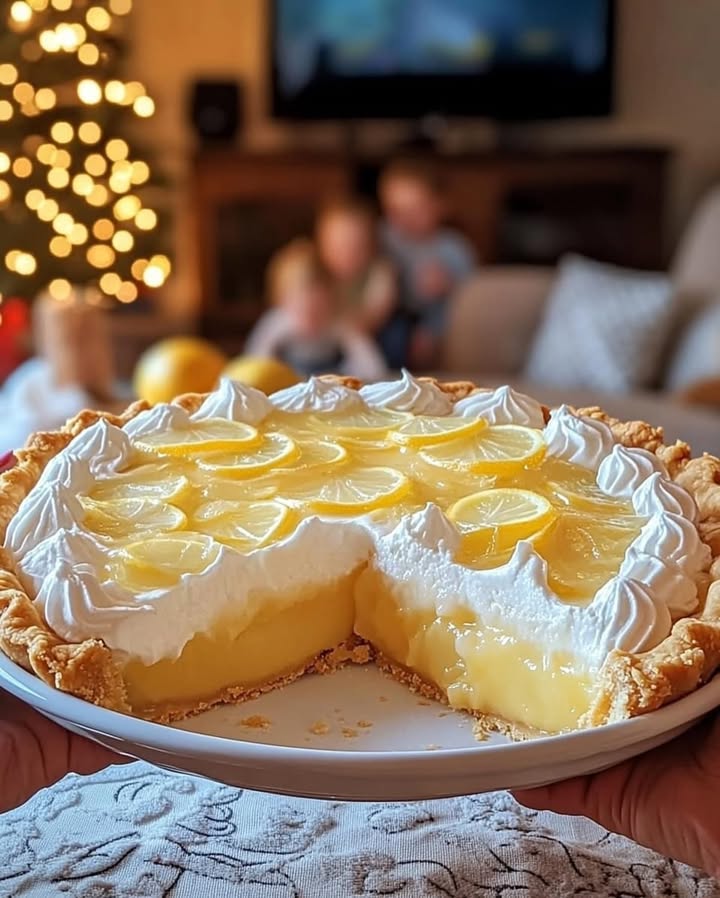
The Joy of a Perfect Lemon Angel Cake
Have you ever had a cake so light and airy it feels like a slice of sunshine? That’s exactly what happened when I first baked this Lemon Angel Cake for my daughter’s birthday. She wanted something “not too heavy but super yummy,” and this was the answer. The whole family was amazed by its delicate texture and bright, lemony zing. It’s a dessert that feels special but secretly isn’t hard to make. Once you get the hang of it, you’ll want to make it for every spring picnic, afternoon tea, or just because Tuesday needs a little sparkle!
Where Did Angel Cake Come From?
The story of angel food cake is a classic American tale. It became popular in the late 19th century, thanks to the invention of the rotary egg beater. Before that, whipping egg whites by hand was a real workout! This cake, with no butter or oil, was seen as pure, light, and heavenly—hence the “angel” name. My Lemon Angel Cake takes that brilliant, fluffy base and gives it a vibrant citrus twist. It’s a modern nod to a traditional masterpiece, perfect for today’s love of fresh, lively flavors.
Why You’ll Love This Lemon Angel Delight
This recipe is a total winner for so many reasons. First, it’s surprisingly simple with just a few key ingredients. The magic is in the method, not a long shopping list. Second, the flavor is incredible. It’s like biting into a soft, sweet cloud with a sunny lemon finish. Third, it’s wonderfully light. You can enjoy a generous slice without feeling overloaded. It’s the kind of cake that makes people say, “You made this?!” with genuine delight. Trust me, it’s a confidence booster in the kitchen!
Perfect Occasions for Your Lemon Angel Delight
This cake is your go-to for any event that calls for a touch of elegance without fuss. It’s perfect for baby showers, bridal luncheons, or Mother’s Day brunch. I love serving it after a light summer dinner when a rich chocolate cake would feel wrong. It’s also a brilliant choice for church bake sales or potlucks—it stands out beautifully and travels well. Honestly, a simple Wednesday afternoon becomes a mini-celebration when this cake is on the table.
Ingredients for Your Lemon Angel Cake
Gathering your ingredients is the first step to success. Here’s what you’ll need:
- 1 cup granulated sugar, divided
- 4 large eggs, separated
- 1/8 tsp. cream of tartar
For the spectacular finishing touch suggested in the presentation:
- Fresh lemon zest
- Whipped cream
- Fresh lemon wedges
Simple Substitution Options
Don’t worry if you’re missing something! Baking is flexible.
- For the Cream of Tartar: You can use an equal amount of white vinegar or lemon juice. It stabilizes the egg whites just as well.
- For a Different Citrus Twist: Try orange or lime zest and juice instead of lemon for a new flavor adventure.
- For a Topping: If you don’t have whipped cream, a drizzle of a simple lemon glaze or a dusting of powdered sugar works wonderfully.
Preparing Your Heavenly Lemon Angel Cake
Follow these steps carefully for a foolproof, fluffy cake.
Step 1: Preheat and Prepare
Start by turning your oven to 325°F (160°C). This gentle temperature is key for an angel cake’s slow, even rise. While it heats, lightly grease your tube pan or angel food cake pan. A little brush of butter or a spritz of non-stick spray ensures your beautiful cake will release easily later. Pro tip: Do not flour the pan. A greased surface is all you need for this unique cake.
Step 2: Create the Perfect Meringue
Place your egg whites and cream of tartar in a very clean, dry bowl. Any grease can ruin the meringue! Beat them on medium speed until soft, billowy peaks form. Now, gradually add that first half cup of sugar. Beat on high until the meringue is firm, glossy, and holds stiff peaks. It should look like a bright, white snowdrift. This airy structure is the foundation of your entire cake.
Step 3: Make the Silky Yolk Mixture
In another bowl, combine your egg yolks with the remaining half cup of sugar. Mix them until they become thick, pale, and creamy. The sugar will dissolve into the yolks, creating a rich, yellow base. This mixture adds depth and moisture to the cake, balancing the airy meringue perfectly.
Step 4: Gently Incorporate Everything
This is the most delicate step. Using a large spatula, gently fold the yolk mixture into the firm meringue. Use broad, slow strokes to combine them without deflating all the precious air you whipped in. The batter will turn a lovely pale yellow. Work patiently until just combined. A few white streaks are okay—don’t overmix!
Step 5: Bake to Golden Perfection
Carefully transfer the batter to your prepared pan. Smooth the top gently. Place it in the preheated oven and bake for 30-35 minutes. The top will become a beautiful golden brown, and the cake will feel firm when lightly touched. Pro tip: Avoid opening the oven door early! It can cause the delicate cake to fall.
Step 6: Cool and Decorate Your Creation
Let the cake cool completely in the pan on a wire rack. This prevents shrinking. Once cool, run a knife around the edges to loosen it. Invert it onto a serving plate. Now, add your favorite lemon filling, a dollop of whipped cream, or just a sprinkle of zest. Serve it up and watch the happy surprise on everyone’s faces!
Chef’s Tip: For an extra moist and flavorful cake, brush the cooled cake with a simple lemon syrup (equal parts lemon juice and sugar, warmed until sugar dissolves) before adding your final topping.
Timing Your Lemon Angel Delight
Good planning makes baking stress-free.
- Prep Time: 15 minutes
- Cook Time: 35 minutes
- Cooling Time: 60 minutes (very important!)
- Total Time: About 50 minutes active, plus cooling.
A Chef’s Secret for Success
The real secret is in the egg whites. Always start with room temperature eggs. They whip up much higher and faster than cold ones. Also, ensure your bowl and beaters are impeccably clean. Any trace of fat (like leftover yolk) can prevent the whites from reaching their full, glorious volume. This small attention to detail makes a huge difference.
A Fun Slice of Extra Info
Angel food cake is sometimes called “the cake that weighs nothing.” A whole classic angel food cake can weigh less than a pound! That’s because it’s made almost entirely of air trapped in the egg whites and sugar. My Lemon Angel Delight adds just a bit more substance with the yolks, but it still stays incredibly light and magical.
Necessary Equipment
You don’t need fancy tools, but a few key items help.
- Tube pan (angel food cake pan)
- Two mixing bowls (very clean!)
- Electric hand mixer or stand mixer
- Large spatula for folding
- Wire cooling rack
Storing Your Lemon Angel Cake
This cake is best enjoyed fresh, but it stores well if needed. First, ensure it is completely cooled before storing. Any warmth trapped inside can make it soggy.
For short-term storage, place it under a cake dome or in an airtight container at room temperature. It will keep beautifully for up to two days. Do not refrigerate it unless it has a wet filling or topping, as the cold can dry it out.
For longer storage, you can freeze it. Wrap the whole cake or individual slices tightly in plastic wrap, then in foil. It can freeze for up to a month. Thaw it at room temperature inside its wrapping to prevent condensation.
Tips and Advice for the Best Cake
- Measure your sugar carefully. Too little in the meringue can make it weak, too much can make it grainy.
- When folding, use the spatula to cut down through the center, lift, and turn. Repeat until mixed.
- If your cake sticks, don’t panic! Let it cool fully, then gently use a thin knife or flexible spatula to loosen all around the edges and center tube.
- For a more intense lemon flavor, add a teaspoon of fine lemon zest to the yolk mixture.
Presentation Tips to Wow Your Guests
Make your cake a visual treat!
- Garnish with fresh lemon zest curls, a light dollop of whipped cream, and fresh lemon wedges on the side.
- Serve on a cake stand with a doily for a classic, elegant look.
- For a party, place small bowls of fresh berries like raspberries or blueberries around the cake for a colorful, interactive dessert.
- Drizzle individual slices with a vibrant lemon curd just before serving.
Healthier and Creative Recipe Variations
The basic Lemon Angel Cake is a fantastic template for creativity. Here are six delightful ways to change it up.
- Lemon Berry Angel Cake: Fold ½ cup of finely chopped fresh raspberries or blueberries into the batter before baking for bursts of fruity flavor.
- Gluten-Free Angel Cake: This recipe is naturally gluten-free as it uses no flour! Just ensure all other ingredients (like baking powder if you add it) are certified GF.
- Vegan “Angel” Cloud: Use aquafaba (chickpea water) instead of egg whites. Reduce ½ cup aquafaba with ¼ tsp cream of tartar, then follow the same meringue steps. It creates a surprisingly similar foam!
- Lemon Coconut Angel Cake: Add ¼ cup of very finely shredded, unsweetened coconut to the yolk mixture for a tropical twist.
- Individual Angel Cake Cups: Bake the batter in greased muffin tins for about 20 minutes. Perfect for portion-controlled servings or kids’ parties.
- Chocolate Angel Cake: Add 2 tablespoons of high-quality cocoa powder to the yolk mixture for a mocha-hinted angel cake. Top with chocolate shavings.
Common Mistakes to Avoid
A few small errors can change your cake’s texture. Let’s learn how to steer clear of them.
Mistake 1: Using Cold Egg Whites
Cold egg whites are much harder to whip to their full volume. They won’t trap as much air, leading to a denser, smaller cake. Always let your eggs sit on the counter for at least 30 minutes before separating them. The whites should feel room temperature to the touch. This simple step makes the whipping process faster and gives you that glorious, high meringue.
Mistake 2: Grease in the Bowl or on the Beaters
Even a tiny speck of yolk or a residue of butter in your mixing bowl can sabotage your meringue. Fat prevents the egg whites from forming a stable foam. Before you start, wash your bowl and beaters with hot, soapy water, and dry them thoroughly. It’s worth the extra minute for peace of mind.
Mistake 3: Adding Sugar All at Once
Dumping the sugar into the egg whites in one go can deflate them and create a grainy texture. You must add it gradually, about a tablespoon at a time, while the mixer is running. This allows the sugar to dissolve fully into the foam, creating a smooth, glossy, and stable meringue that holds up during baking.
Mistake 4: Overmixing When Folding
After you make the perfect meringue and yolk mixture, aggressively stirring them together will pop all the air bubbles. Your cake will be flat. Use a gentle folding technique: cut down through the middle, lift from the bottom, and turn over. Repeat just until you see no large streaks of white. A few small streaks are fine.
Mistake 5: Not Cooling Completely in the Pan
Turning a hot angel cake out of its pan will cause it to collapse. The structure is still delicate from the oven heat. Let it cool upside down in the pan on a wire rack. This keeps it suspended and supported as it sets. Wait until the pan feels completely cool to the touch before removing the cake.
Frequently Asked Questions
Can I make this Lemon Angel Cake without a tube pan?
You can, but the results will be different. A tube pan is designed for angel cakes. The center tube helps heat circulate for even cooking and provides structure for the delicate cake to cling to as it rises. If you use a regular round cake pan, the cake might not rise as high and could be denser. For the best true angel cake experience, a tube pan is recommended. They are quite affordable and a great tool to have.
Why do I need cream of tartar? What does it do?
Cream of tartar is a magic helper for egg whites. It’s an acid that stabilizes the protein structure in the whites. This means your meringue becomes stronger, glossier, and less likely to collapse or weep liquid. It ensures your cake has that iconic tall, airy texture. If you don’t have it, you can substitute it with an equal amount of lemon juice or white vinegar. They provide the same acidic boost.
My cake sank in the middle after baking. What went wrong?
A sunken cake usually points to underbaking or a meringue problem. First, ensure your oven temperature is accurate with an oven thermometer. The cake needs the full time to set its structure. Second, check your meringue. It must reach stiff, glossy peaks before you fold. If it was too soft, it couldn’t support the cake’s weight. Also, avoid opening the oven door during the first 25 minutes of baking. A sudden temperature drop can cause a collapse.
Can I add lemon juice directly to the batter?
Adding liquid lemon juice directly to the main batter can deflate your meringue. It’s best to add lemon flavor through zest (which is dry) or by using it in a filling or topping after baking. You can also add a bit of lemon extract to the yolk mixture, as extracts are highly concentrated and won’t add much liquid. For a strong lemon taste, a lemon syrup brushed on the cooled cake or a lemon curd filling works wonderfully.
How do I know when the meringue has reached “stiff peaks”?
Stiff peaks are firm and hold their shape completely. To test, stop the mixer and lift the beaters straight up. The meringue should form a sharp peak that stands straight up without curling over at the tip. The whole mass should look smooth, bright white, and glossy, not dull or grainy. If the peak bends or falls, keep beating a little longer.
Is this cake suitable for people with dietary restrictions?
This basic Lemon Angel Cake is naturally gluten-free and fat-free, as it contains no flour or butter. It does contain eggs and sugar. For a vegan version, you can experiment with aquafaba as mentioned in the variations. For a lower-sugar option, it’s tricky because sugar is critical for the meringue structure. You might try a reduced-sugar version with a specialist recipe, but this classic recipe relies on the full amount for success.
Can I freeze Lemon Angel Cake?
Yes, you can freeze it very successfully. Make sure the cake is completely cooled. Wrap it tightly in plastic wrap to prevent air exposure, then wrap it again in aluminum foil or place it in a freezer bag. It will keep for up to one month. To thaw, leave it wrapped and let it sit at room temperature for a few hours. This prevents condensation from making the surface soggy.
What’s the best way to cut an angel cake without squashing it?
Use a serrated knife, like a bread knife, and a gentle sawing motion. Don’t press down hard. Let the sharp teeth of the knife do the work by sawing back and forth lightly. This method cuts through the delicate spongy texture without compressing and ruining the beautiful airy layers of your cake.
My cake stuck to the pan. How do I prevent this next time?
Light but thorough greasing is the key. Use butter, shortening, or non-stick spray and make sure you cover every inner surface, including the center tube. Do not flour the pan. After baking and full cooling, run a thin, flexible knife or spatula carefully around all edges and the center tube before inverting to release the cake. Sometimes a little patience and careful loosening does the trick.
Can I use this recipe to make a layer cake?
This particular recipe is very light and delicate, making it challenging to layer like a traditional butter cake. It might not support the weight of multiple layers and frosting. For a layered dessert, consider baking it in two shallow pans and using a light filling like lemon curd or whipped cream. Handle the layers very gently. For a more stable layer cake, you might prefer a sponge cake recipe, but this angel cake can be a fun, ambitious experiment for a special look.
More Dessert Inspiration
If you love the bright, citrusy flavor of this Lemon Angel Delight, you might also enjoy our recipe for a rich and creamy Lime Mousse Cheesecake. For fruit lovers, our easy Cherry Pie Bombs are a huge hit. When you’re craving something indulgent, our Decadent Caramel Cheesecake is pure bliss. And for a classic fall treat, try our simple and delicious Caramel Apple Delight. You can find all these and more wonderful treats in our main dessert recipe collection.
Final Sweet Thoughts
Baking this Lemon Angel Cake is like creating a little joy cloud. It’s a process that feels almost magical as you watch the simple ingredients transform into something so elegant and delightful. Remember, good baking is about care and patience, not just speed. Paying attention to details like room-temperature eggs and a clean bowl makes all the difference. And don’t forget, staying hydrated is part of a healthy lifestyle, even for bakers! The CDC nutrition guidelines remind us that proper water intake is key to feeling good, so have a glass while your cake cools. I hope this recipe brings a touch of sunny, light happiness to your table. Share it with someone you love, and enjoy every fluffy, lemony bite!
Lemon Angel Delight
Ingredients
Equipment
Method
- Preheat your oven to 325°F (160°C) and lightly grease your tube pan or angel food cake pan.
- Place egg whites and cream of tartar in a clean bowl and beat until soft, billowy peaks form.
- Gradually add half of the sugar while beating on high until the meringue is firm and glossy.
- In another bowl, mix egg yolks with the remaining sugar until thick and pale.
- Gently fold the yolk mixture into the meringue until just combined, being careful not to deflate it.
- Transfer the batter to the prepared pan, smoothing the top, and bake for 30-35 minutes until golden brown.
- Let the cake cool completely in the pan on a wire rack before inverting onto a serving plate.
- Serve with your favorite lemon filling, a dollop of whipped cream, or just a sprinkle of zest.