

Introduction: Making Salmon Meal Prep with Roasted Veggies Your New Weekly Routine
Last Sunday night, I stood in my kitchen staring at five empty containers lined up on the counter. My stomach was already growling just thinking about the week ahead. I had a packed schedule and knew that without a plan, I’d end up ordering takeout by Tuesday. That’s when I decided to master salmon meal prep with roasted veggies, and honestly, it changed everything about my weekday eating habits.
I’m Sarah, and I’ve been meal prepping for three years now. It started as a way to save money, but it quickly became my secret weapon for staying healthy when life gets busy. Today, I want to share my favorite approach to meal prep that combines perfectly cooked salmon with colorful roasted vegetables.
Meal prepping saves you time, money, and stress. Instead of scrambling to figure out dinner after a long day at work, you simply grab a container from your fridge and reheat. No thinking required. No temptation to order expensive takeout that leaves you feeling sluggish.
For busy parents juggling kids’ activities, professionals working long hours, or students managing tight schedules, meal prep offers a practical solution. You spend a few hours on the weekend preparing food, then coast through the week with ready-made meals at your fingertips.
Why salmon and roasted veggies? This combination checks every box. Salmon cooks quickly and stays moist when stored properly. Roasted vegetables add color, flavor, and essential nutrients without requiring complicated techniques. Together, they create satisfying meals that taste good cold or reheated.
The flavors complement each other beautifully. The rich, slightly fatty taste of salmon pairs wonderfully with the caramelized edges of roasted broccoli, sweet bell peppers, or earthy Brussels sprouts. You can mix and match vegetables based on what’s in season or on sale at your local grocery store.
This guide will walk you through everything you need to know. I’ll share my tested methods for cooking salmon that stays tender all week long. You’ll learn which vegetables roast best and how to season them for maximum flavor. By the end, you’ll have a repeatable system that makes weekly meal prep feel effortless.
Why Choose Salmon for Meal Prep?
Let me tell you about the first time I meal prepped chicken for five days straight. By day three, I was so bored I nearly threw my lunch container out the window. That’s when I switched to salmon, and suddenly meal prep became something I actually looked forward to eating.
Salmon stands out as one of the most nutritious proteins you can add to your meal prep rotation. It’s packed with omega-3 fatty acids, which your body can’t make on its own. These healthy fats support your heart, brain, and overall health in ways that other proteins simply can’t match.
A typical serving of salmon provides about 25 grams of high-quality protein. This protein keeps you full for hours and helps your body build and repair muscle tissue. Unlike some lean proteins that leave you hungry an hour later, salmon’s combination of protein and healthy fats provides lasting satisfaction.
What are the health benefits of eating salmon?
The benefits of eating salmon regularly go beyond just basic nutrition. Here’s what makes this fish so special for your health:
- Heart Health: The omega-3 fatty acids in salmon help reduce inflammation and lower your risk of heart disease. They can help decrease triglycerides and may even help lower blood pressure.
- Brain Function: Those same omega-3s support cognitive function and may reduce the risk of depression and anxiety. Your brain is about 60% fat, and it needs quality fats to function at its best.
- Vitamin Powerhouse: Salmon delivers B vitamins, especially B12, which supports energy production and keeps your nervous system healthy. You’ll also get vitamin D, which many people don’t get enough of, especially during winter months.
- Selenium and Antioxidants: This mineral protects your thyroid and immune system. Salmon also contains astaxanthin, an antioxidant that gives it that pink color and helps fight oxidative stress in your body.
- Weight Management: The protein and healthy fats in salmon help regulate hormones that control appetite. I’ve noticed I stay fuller longer after eating salmon compared to other proteins.
Beyond nutrition, salmon brings incredible versatility to your meal prep strategy. You can bake it, pan-sear it, grill it, or even cook it in an air fryer. Each method produces slightly different textures and flavors, so you’ll never get bored.
I’ve topped salmon with everything from Asian-inspired sesame glazes to Mediterranean herb crusts. It works with Mexican spices, Indian curry flavors, and classic lemon-butter combinations. This adaptability means you can create different flavor profiles each week using the same basic meal prep method.
Salmon also reheats beautifully when you follow proper storage techniques. Unlike chicken breast, which can turn dry and rubbery, salmon maintains its moisture and flaky texture throughout the week. The key is not overcooking it initially and storing it in airtight containers.
When preparing multiple meals at once, salmon offers excellent convenience. You can line up several portions on a baking sheet, season them all at once, and have them ready in about 15 minutes. Compare that to grilling individual chicken breasts or pan-frying steaks, and the time savings become obvious.
The cost factor deserves mention too. While salmon isn’t the cheapest protein, buying it in larger quantities or watching for sales makes it affordable. I’ve found that the nutrition you get per dollar spent actually makes salmon a smart investment in your health. Plus, when you meal prep, you’re already saving money by avoiding restaurants and food delivery services.
Fresh or frozen salmon both work great for meal prep. I actually prefer buying frozen wild-caught salmon because it’s flash-frozen right after being caught, which preserves freshness. You can thaw exactly what you need for your meal prep session without worrying about the rest going bad.
If you’re new to cooking salmon, don’t let it intimidate you. It’s actually more forgiving than people think. The natural oils in the fish help prevent it from drying out as easily as lean proteins. Even if you slightly overcook it, salmon remains edible and tasty.


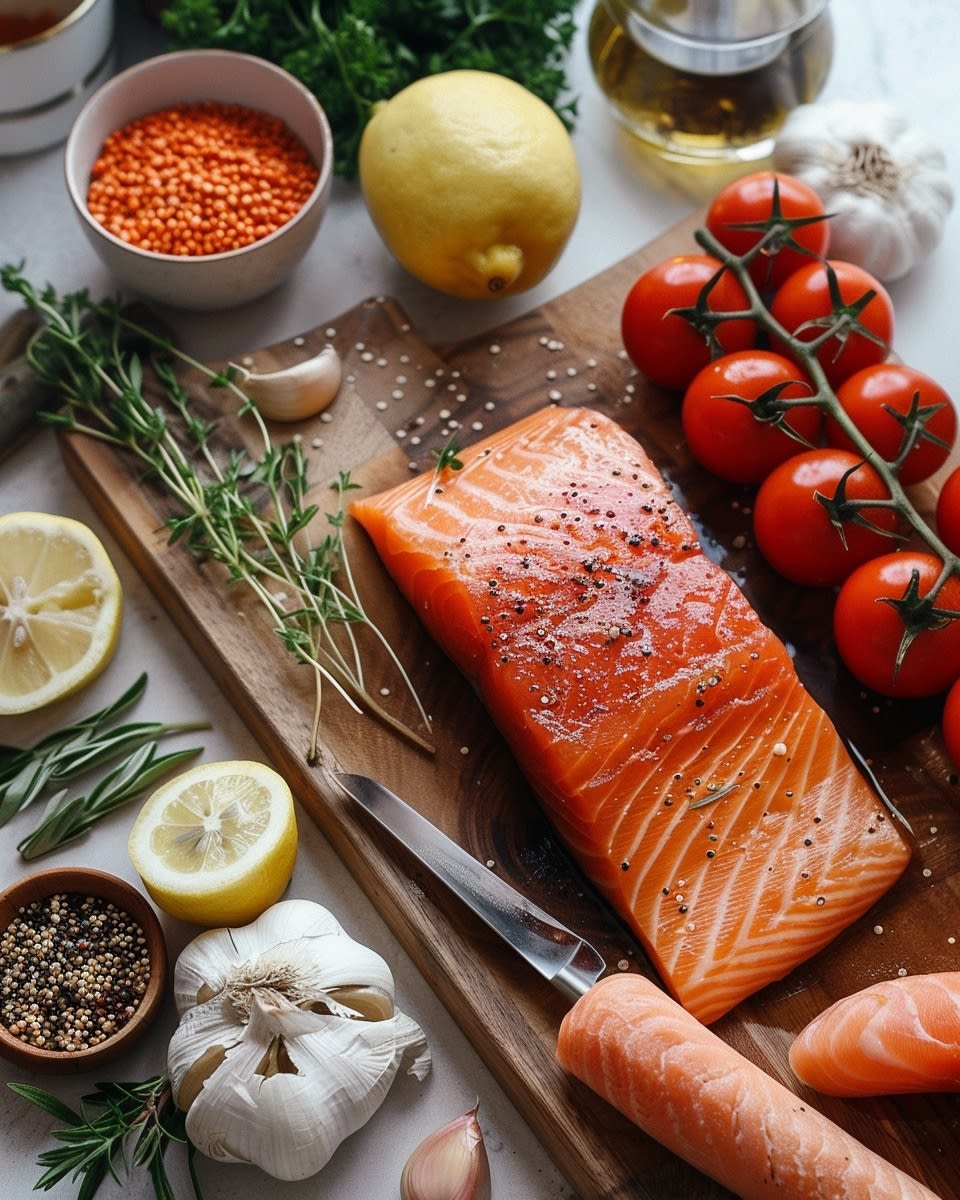
Selecting the Best Vegetables for Roasting with Your Salmon
Now that you understand why salmon makes such a smart choice, let’s talk about its perfect partners on the plate. The vegetables you choose can make or break your meal prep game, and I learned this the hard way.
My first attempt at vegetable meal prep was a disaster. I roasted some zucchini thinking it would be great, but by day two, those containers held what looked like sad, watery mush. The lesson? Not all vegetables hold up equally well when you’re cooking them in advance.
The vegetables that work best for roasting and meal prep share three qualities: they hold their texture over several days, they develop deep flavors when caramelized, and they complement rather than compete with salmon’s rich taste. After three years of trial and error, I’ve got my go-to list down.
Vegetables That Actually Work for Roasted Meal Prep
Broccoli sits at the top of my list every single time. The florets get these crispy, almost nutty edges when roasted properly, and they stay firm throughout the week. I cut mine into medium-sized florets, not too small or they’ll burn, not too big or the centers stay raw. The stems are fantastic too, by the way. Just peel off the tough outer layer and slice them into coins.
Carrots are another winner that never disappoints. They turn sweet and tender when roasted, developing this caramelized exterior that makes them taste almost candy-like. I prefer cutting them on a diagonal into pieces about half an inch thick. This gives you more surface area for browning, which means more flavor.
Bell peppers bring color and a subtle sweetness that balances salmon beautifully. Red, yellow, and orange peppers work better than green ones for meal prep because they’re sweeter and less bitter. I cut mine into strips or large chunks, making sure they’re big enough that they won’t shrivel up completely during roasting.
Brussels sprouts transformed from something I hated as a kid to something I genuinely crave. Halve them so the cut side can caramelize against the pan. Those crispy outer leaves that almost burn? That’s where all the magic happens. They stay surprisingly firm in containers throughout the week.
Sweet potatoes or regular potatoes add substance and extra carbs if you need them. I cube them into one-inch pieces for even cooking. They take a bit longer than other vegetables, so sometimes I give them a head start in the oven before adding the quicker-cooking options. This approach is similar to what I do with my quinoa veggie meal prep, where timing different ingredients matters.
Cauliflower roasts into these golden, crispy pieces that rival any restaurant side dish. Break it into florets similar in size to your broccoli. The smaller pieces around the edges get extra crispy and are honestly the best bites.
Red onions add a sweet, almost jammy quality when roasted. Cut them into wedges, keeping the root end intact so the layers stay together. They shrink quite a bit during cooking, so don’t be shy about using a whole onion or two.
Green beans keep their snap better than you’d expect. Trim the ends and leave them whole or cut them in half if they’re particularly long. They need less time than denser vegetables, so I often add them halfway through the roasting time.
Asparagus works well, especially the thicker spears that don’t turn to mush. Snap off the woody ends where they naturally break, and you’re good to go. These cook quickly, usually in about twelve to fifteen minutes.
How do I choose the best vegetables for roasting?
Here’s what I consider every time I’m at the grocery store loading up for meal prep Sunday. First, I think about texture after storage. Will this vegetable turn into a soggy mess, or will it maintain some structure? Dense, firm vegetables almost always win here.
Color matters more than you might think. I aim for variety not just because it looks pretty in containers, but because different colors usually mean different nutrients. A mix of orange carrots, green broccoli, red peppers, and purple cabbage gives you a broader spectrum of vitamins and antioxidants.
Seasonal availability affects both price and quality. Right now, I’m leaning heavily into root vegetables because it’s what’s fresh and affordable. Come summer, I’ll switch to zucchini, tomatoes, and peppers. Shopping seasonally saved me probably thirty percent on my grocery bill last year.
The compatibility with salmon flavor is something I test mentally before buying. Would this vegetable taste good with lemon and herbs? Does it have a flavor profile that won’t clash with the richness of fish? Most vegetables pass this test, but some strongly flavored ones like fennel or cabbage need careful consideration about how you’ll season them.
Prep time factors in too, especially on busy Sundays when I’m trying to bang out my meal prep efficiently. Vegetables that need extensive peeling or trimming might not make the cut when I’m short on time. That’s why I sometimes buy pre-cut butternut squash even though it costs a bit more.
Tips for Cutting and Preparing Your Vegetables
The way you cut your vegetables dramatically impacts how they cook. I learned this from watching my mom prep vegetables for Sunday dinner, though she wasn’t meal prepping like we do now.
Size consistency is your secret weapon for even cooking. If you’ve got tiny carrot pieces next to huge broccoli florets, something’s going to be either burnt or raw. I aim for pieces that are roughly the same size, usually between one and two inches. Think about what would fit nicely on a fork.
For vegetables with varying thickness, like broccoli stems versus florets, I compensate by cutting the denser parts smaller. The stems go into quarter-inch slices while the florets stay bigger. They finish cooking at roughly the same time this way.
Leave some surface area for browning. When I’m cutting bell peppers, I make sure each piece has a flat side that can sit against the pan. That contact with the hot surface is what creates those delicious caramelized bits. Same goes for Brussels sprouts, that flat cut side facing down on the sheet pan is essential.
Don’t get too precious about perfect cuts. This isn’t a cooking show. As long as pieces are similar in size, a little irregularity actually adds character. Plus, those weird little bits that fall off often become the crispiest, most flavorful pieces anyway.
Wash and dry your vegetables thoroughly before cutting. Excess moisture on your vegetables will create steam instead of allowing them to roast properly. I use a salad spinner for things like broccoli and Brussels sprouts, or just pat them dry with a clean kitchen towel.
Roasting Techniques for Perfect Veggies Every Time
Let me share the roasting method that consistently delivers vegetables worthy of your meal prep containers. This technique works whether you’re making a sheet pan salmon and veggies all at once or preparing your components separately.
What is the best way to roast vegetables?
The answer starts before you even turn on your oven. Preheating is non-negotiable, and I mean really letting your oven get hot. Set it to 425°F and wait at least fifteen minutes. A properly preheated oven means your vegetables start caramelizing immediately when they hit the pan instead of slowly steaming.
I use rimmed baking sheets, not those flimsy cookie sheets without edges. You need something sturdy that can handle high heat and keep your vegetables from sliding off. If your sheet is warped or lightweight, invest in a good quality one. It makes a genuine difference, similar to having the right equipment for chicken and rice meal prep bowls.
Line your pan with parchment paper or use a light coating of oil directly on the pan. Parchment makes cleanup easier, but a well-oiled pan often produces crispier results. I alternate depending on my mood and how much I feel like scrubbing later.
Now for the vegetables themselves. Put your cut vegetables in a large bowl and drizzle with olive oil. How much? Enough to lightly coat everything when you toss it, usually about two tablespoons per baking sheet of vegetables. You want them glistening, not swimming in oil.
Here’s the thing about seasoning that changed my roasting game completely. Season aggressively. Salt, pepper, and whatever herbs or spices you’re using should be generous. Vegetables can handle a lot more seasoning than you think, and under-seasoned roasted vegetables are just sad.
My basic seasoning formula includes salt, black pepper, garlic powder, and a pinch of red pepper flakes for subtle heat. Sometimes I’ll add dried herbs like thyme, rosemary, or oregano. Fresh herbs burn easily at high heat, so I save those for sprinkling on after cooking.
Spread your vegetables in a single layer on your prepared baking sheet. This is critical, and I’m going to say it again because people mess this up constantly. Do not overcrowd your pan. Vegetables need space around them for air to circulate. When they’re piled on top of each other, they steam instead of roast, and you end up with mushy vegetables instead of caramelized ones.
If you’ve got more vegetables than fit comfortably on one sheet, use two sheets. I usually have three pans going at once during meal prep. Just rotate them halfway through cooking so everything browns evenly.
Funny enough, the biggest mistake I see people make is constantly opening the oven to check on things. Let your vegetables roast undisturbed for at least fifteen minutes before your first check. That initial hands-off time lets them develop those crispy, golden edges we’re after.
After fifteen to twenty minutes, give everything a stir or flip with a spatula. This ensures even browning on multiple sides. Then let them go for another ten to fifteen minutes, depending on the specific vegetables you’re using.
Dense vegetables like carrots and potatoes need thirty to forty minutes total. Lighter vegetables like green beans or asparagus might only need fifteen to twenty minutes. Brussels sprouts and broccoli fall somewhere in the middle at twenty-five to thirty minutes.
You’ll know they’re done when the edges are deeply golden brown, almost charred in spots. That’s not burning, that’s flavor. The vegetables should be tender when pierced with a fork but still have some structure. Remember, they’re going to soften slightly as they sit in containers over the week.
When they come out of the oven, I sometimes hit them with a squeeze of fresh lemon juice or a drizzle of balsamic vinegar. This brightens the flavors and adds another dimension. The acid cuts through the richness of the olive oil and complements the salmon perfectly.
Temperature control matters for different vegetables. I generally stick with 425°F, but occasionally I’ll go up to 450°F for vegetables I want extra crispy, like Brussels sprouts. Lower temperatures around 375°F work better for delicate vegetables or when I’m roasting everything together with salmon and need a gentler heat.
One technique I borrowed from restaurants is starting vegetables at high heat for the first ten minutes to get that initial caramelization, then dropping the temperature to finish cooking through. This prevents burning while still developing deep flavor. Try this approach when you’re adapting recipes like turkey meatballs with brown rice that need different components cooked simultaneously.
Quality olive oil makes a noticeable difference in flavor. You don’t need expensive extra virgin for roasting since the heat diminishes subtle flavors anyway, but avoid the cheapest stuff. A mid-range olive oil hits the sweet spot of good flavor and reasonable price.


Putting It All Together: The Salmon Meal Prep Process
Alright, this is where everything comes together. I’m going to walk you through my actual Sunday routine for putting together salmon meal prep with roasted veggies that’ll carry you through the week. Last week I timed myself, and the whole process took about an hour and fifteen minutes from start to cleanup. That’s roughly fifteen minutes of effort per meal.
First things first, get everything ready before you start cooking. Pull out your salmon portions, let them sit at room temperature for about fifteen minutes while you prep your vegetables. Cold salmon going into a hot oven cooks unevenly, something I learned after ruining a perfectly good piece of king salmon one rushed evening.
For the salmon itself, I typically buy a large fillet and cut it into individual portions, usually around five to six ounces each. Pat each piece completely dry with paper towels. This step matters more than you’d think because moisture on the surface prevents that beautiful golden crust from forming.
Seasoning Your Salmon for Maximum Flavor
My go-to salmon seasoning is embarrassingly simple. Salt, pepper, garlic powder, and a touch of smoked paprika. Sometimes I’ll brush on a mixture of olive oil, minced garlic, and fresh dill. Other times I go with an Asian-inspired blend of sesame oil, ginger, and a drizzle of honey.
The key is seasoning generously on both sides. Don’t be timid with the salt especially, salmon can handle it. I usually season my salmon right before it goes in the oven rather than letting it sit, because salt can draw out moisture if it sits too long.
Here’s my foolproof cooking method that produces perfectly moist salmon every single time. Place your salmon portions skin-side down on a parchment-lined baking sheet. If your salmon doesn’t have skin, that’s fine too, just place it directly on the parchment.
Now for the controversial part. I cook my salmon at a lower temperature than my vegetables, usually around 375°F. This prevents the outside from overcooking before the inside is done. The salmon goes in for about twelve to fifteen minutes depending on thickness.
How do you know when it’s done? The flesh should be opaque and flake easily with a fork, but still look slightly translucent in the very center. That residual heat will finish cooking it to perfection as it rests. An instant-read thermometer should register 125-130°F in the thickest part. Yes, that’s lower than the FDA recommendation of 145°F, but remember, this salmon will be reheated later in the week, and you absolutely don’t want to overcook it initially.
By the way, if you’re roasting your vegetables at 425°F and your salmon at 375°F, you’ll need two ovens or you’ll need to cook them separately. I usually start my vegetables first since they take longer, then drop the temperature and add the salmon for the last fifteen minutes. It’s not perfect timing, but it works.
Alternatively, you can cook everything together at 400°F, which is a compromise temperature. Your vegetables might take slightly longer, and you’ll need to watch your salmon closely, but it simplifies the process when you’re juggling everything.
Some weeks when I’m feeling lazy, I’ll pan-sear my salmon instead. Heat a bit of oil in a skillet over medium-high heat, place salmon skin-side up, and cook for about four minutes. Flip it, cook another three to four minutes, done. This method gives you a gorgeous crispy exterior and works great when you want variety in texture.
Assembling Your Meal Prep Containers
Once everything’s cooked, let it all cool for at least ten minutes before packing. Hot food going into sealed containers creates condensation, which leads to soggy meals. Trust me on this one, I’ve made enough watery meal preps to know.
I use glass containers with snap-lock lids, the kind you can find at any big-box store. They’re microwave-safe, don’t absorb odors, and let me see what’s inside at a glance. Each container gets one salmon portion and about two cups of roasted vegetables.
Here’s my actual layout strategy. Salmon goes on one side, vegetables on the other. I don’t mix them together because they reheat at different rates. Keeping them separate but in the same container gives you control over heating.
If you’re adding a grain like quinoa or rice, put that in a third section or in a separate smaller container. Starches tend to absorb moisture and flavors from everything else, so separation helps maintain individual textures. This technique works well across different styles of meal prep lunches that you might be rotating throughout your week.
Label your containers with the date you prepped them. I use painter’s tape and a marker, super low-tech but effective. This prevents that awkward moment of sniffing a container and wondering if it’s still good.
How do I store my salmon meal prep to keep it fresh?
Storage makes or breaks your meal prep game. Properly stored salmon stays delicious and safe for four to five days in the refrigerator. Beyond that, you’re pushing it, and I wouldn’t risk it personally.
Keep your refrigerator at 40°F or below. Most people’s fridges run warmer than they think. I stuck a thermometer in mine last year and discovered it was hovering around 45°F, which explains why things were going bad faster than expected. Adjusted the settings and suddenly my meal prep lasted noticeably longer.
Store your containers toward the back of the fridge where temperature stays most consistent. The door and front shelves experience temperature fluctuations every time you open the fridge, which shortens food life.
If you know you won’t eat all five meals within four days, freeze some of them. I typically keep three in the fridge and freeze two for the following week. Frozen cooked salmon stays good for about two to three months, though the texture is best if you use it within a month.
When freezing, make sure your containers are freezer-safe. Not all glass containers handle the temperature change well. I learned this when a container cracked in my freezer, creating a mess I’m still not over.
Thaw frozen meal prep in the refrigerator overnight, never at room temperature. Bacteria multiply rapidly in the danger zone between 40°F and 140°F, and leaving food out is basically inviting food poisoning to dinner.
For reheating, I prefer using the oven or toaster oven when I have time. It brings back some of that roasted texture you lose in the microwave. Heat at 350°F for about ten to twelve minutes until everything’s warmed through. The microwave works fine too, just use fifty percent power and heat in thirty-second intervals, checking between each one. High power tends to create hot spots and can make salmon rubbery.
Here’s a trick I picked up from a chef friend. Add a tablespoon of water or broth to your container before reheating in the microwave, then cover it loosely. The steam keeps everything moist and prevents that dried-out, nuked food taste.
Keep your refrigerator organized so air can circulate around containers. Stuffing everything in tightly restricts airflow and creates warm pockets where bacteria can grow. Give your meal prep containers some breathing room.
Watch for signs that your salmon has gone bad. If it smells overly fishy, sour, or just off, throw it out. Fresh cooked salmon should have a mild, pleasant smell. Slimy texture, discoloration, or any visible mold are also immediate red flags.
Interestingly, the health of your digestive system actually affects how your body processes and absorbs the nutrients from meals like this. Eating a variety of fiber-rich vegetables alongside quality protein supports your gut health, creating a positive cycle where better digestion means you get more benefit from nutritious food.
Mix and Match Ideas to Keep Things Interesting
After a few weeks of the same meals, even salmon can get boring. Here’s how I keep things fresh without abandoning my meal prep routine.
Rotate your vegetable combinations each week. One week might be broccoli and bell peppers, the next week Brussels sprouts and sweet potatoes. The variety keeps your taste buds interested and ensures you’re getting different nutrients.
Change up your salmon seasonings dramatically. Monday through Wednesday I might eat lemon-herb salmon, then switch the remaining portions to teriyaki by adding a sauce when reheating. Same salmon, completely different eating experience.
Keep a variety of sauces and dressings on hand to transform your meals. A dollop of pesto, a drizzle of tahini sauce, or a spoonful of salsa can completely change the flavor profile of your meal prep without any extra cooking.
Add fresh elements when you’re actually eating the meal. A handful of fresh arugula, some sliced avocado, a sprinkle of nuts or seeds, these additions take thirty seconds but make your meal feel freshly prepared rather than reheated.
Funny enough, my coworkers always comment on how good my lunch smells when I reheat it. That’s the power of properly seasoned salmon and well-roasted vegetables. It makes the break room smell like a restaurant rather than a microwave.
One last thing about meal prep mindset. Some weeks you’ll nail it and feel like a kitchen genius. Other weeks life happens, you’ll order pizza, and your carefully prepped meals will sit in the fridge judging you. That’s completely normal. The goal isn’t perfection, it’s having healthy options available when you need them.
The beauty of this salmon meal prep with roasted veggies system is its flexibility. Start with my basic framework, then adjust based on your preferences, schedule, and what’s available at your grocery store. After a few rounds, you’ll develop your own rhythm and favorite combinations.
Making healthy eating work long-term isn’t about following rigid rules. It’s about creating sustainable systems that fit into your actual life, not some idealized version of it. Meal prep is just a tool, and like any tool, it works best when you use it in a way that makes sense for you.
FAQ Section
What are the health benefits of eating salmon?
Salmon provides exceptional nutrition through its high omega-3 fatty acid content, which supports heart and brain health. Each serving delivers about 25 grams of protein along with essential B vitamins, vitamin D, and selenium. These nutrients work together to support everything from immune function to energy production. The anti-inflammatory properties of omega-3s may help reduce chronic disease risk. Regular salmon consumption has been linked to improved cognitive function and mood regulation.
How do I choose the best vegetables for roasting?
Select vegetables that maintain texture after several days of storage, focusing on dense options like broccoli, carrots, Brussels sprouts, and bell peppers. Consider vegetables that develop caramelized flavors when roasted at high temperatures. Aim for color variety to ensure you’re getting diverse nutrients across different meals. Seasonal vegetables typically offer better flavor and lower prices. Choose vegetables that complement salmon’s rich flavor rather than overwhelming it.
What is the best way to roast vegetables?
Roast vegetables at 425°F on a preheated baking sheet, ensuring they’re spread in a single layer without overcrowding. Toss them with olive oil and generous seasoning before roasting. Let them cook undisturbed for at least fifteen minutes before stirring to develop proper caramelization. Dense vegetables need thirty to forty minutes while lighter options may only need fifteen to twenty. Look for deeply golden edges with some charred spots for maximum flavor.
How do I store my salmon meal prep to keep it fresh?
Store cooked salmon in airtight containers in the refrigerator at 40°F or below for up to four days. Place containers toward the back of the fridge where temperature remains most consistent. Allow both salmon and vegetables to cool completely before sealing to prevent condensation. If you won’t eat all portions within four days, freeze extras for up to three months. Always thaw frozen meal prep overnight in the refrigerator, never at room temperature.
Can I meal prep salmon and vegetables together on one pan?
Yes, but you’ll need to compromise on cooking temperatures since salmon cooks best around 375°F while vegetables prefer 425°F. A middle ground of 400°F works reasonably well for both. Add your salmon partway through the vegetable roasting time to prevent overcooking the fish. Alternatively, use two separate pans at different temperatures if you have oven space. The one-pan method saves time and cleanup but requires more attention to timing.
What type of salmon is best for meal prep?
Both fresh and frozen wild-caught salmon work excellently for meal prep, with frozen often being more affordable and convenient. Look for salmon fillets that are about one inch thick for even cooking. Sockeye, coho, and Atlantic salmon all hold up well when stored and reheated. Avoid very thin pieces that tend to overcook and dry out. If buying frozen, thaw it in the refrigerator overnight before your meal prep session.
How do I prevent my salmon from drying out during meal prep?
Slightly undercook your salmon initially since it will continue cooking as it cools and will be reheated later. Aim for an internal temperature of 125-130°F rather than the standard 145°F. Store salmon in truly airtight containers to prevent moisture loss. Add a tablespoon of water or broth to the container before reheating to create steam. Reheat gently using fifty percent microwave power or low oven temperature around 350°F.
How many calories are in a typical salmon meal prep with vegetables?
A meal prep portion with five to six ounces of salmon and two cups of roasted vegetables typically contains 350 to 450 calories. The exact number depends on how much oil you use for roasting and your specific vegetable choices. Salmon contributes roughly 250 to 300 calories while the vegetables add another 100 to 150 calories. This makes it a satisfying, nutrient-dense meal that supports various health goals. Adding grains like rice or quinoa would increase the calorie count by 150 to 200 calories per serving.
Can I use different seasonings each time I meal prep salmon?
Absolutely, varying your seasonings is one of the best ways to prevent meal prep boredom. Try Mediterranean herbs one week, Asian-inspired sesame and ginger the next, then switch to Cajun spices or Italian seasonings. You can even season your salmon portions differently within the same batch. This variety ensures you’ll actually look forward to eating your prepped meals throughout the week. Keep a well-stocked spice cabinet to experiment with different flavor profiles.
What should I do if my roasted vegetables turn out soggy?
Soggy vegetables usually result from overcrowding the pan, using too much oil, or not roasting at high enough temperature. Make sure vegetables are in a single layer with space between pieces to allow moisture to evaporate. Use just enough oil to lightly coat them, about two tablespoons per baking sheet. Ensure your oven is fully preheated to at least 425°F before adding vegetables. If you notice excess moisture pooling on the pan during cooking, carefully drain it off. Pat vegetables dry before roasting if you’ve just washed them.
Ingredients
Equipment
Method
- Preheat your oven to 425°F and let it heat for at least 15 minutes.
- Prepare and cut your vegetables into uniform sizes for even cooking.
- Toss vegetables with 2 tablespoons of olive oil and season generously with salt, pepper, and desired spices.
- Spread vegetables in a single layer on a rimmed baking sheet lined with parchment paper.
- Roast vegetables in the oven for 15-30 minutes, stirring halfway through, depending on the vegetable type.
- While vegetables are roasting, cut salmon into portions if necessary and pat dry with paper towels.
- Season salmon with salt, pepper, garlic powder, and any additional desired seasonings.
- Once vegetables are nearly done, lower oven temperature to 375°F and place salmon on another baking sheet.
- Bake salmon for 12-15 minutes or until it flakes easily and reaches an internal temperature of 125-130°F.
- Let both salmon and vegetables cool at least 10 minutes before packing into containers.