
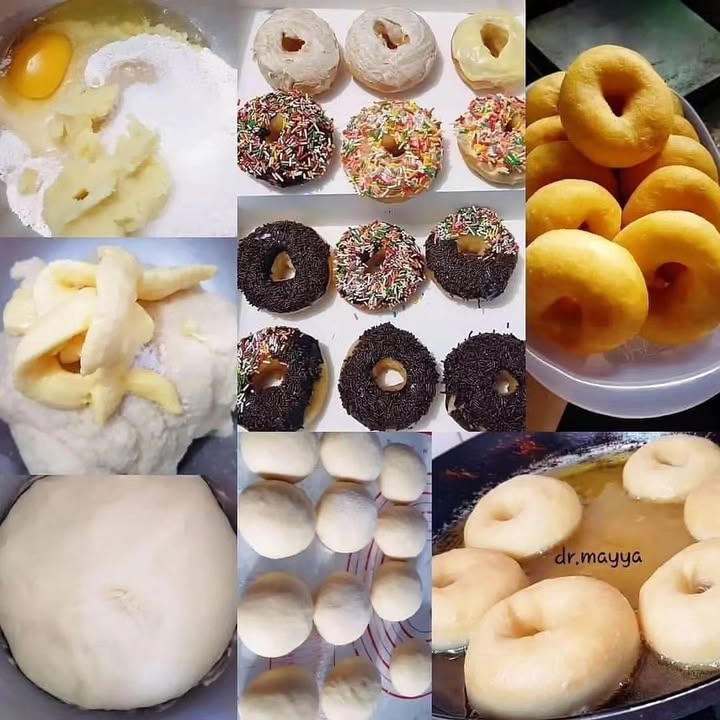
Fluffy Potato Donuts: Your New Favorite Comfort Food
Is there anything better than the smell of fresh donuts filling your kitchen? I don’t think so. My quest for the ultimate soft donut ended the day I added a secret ingredient: mashed potato! Yes, you read that right. These Fluffy Potato Donuts are a game-changer. They stay soft for days and have this incredible, pillowy texture that store-bought ones just can’t match. My friends now beg me to make a batch every time they visit. Let me show you how easy it is to create this magic at home.
The Humble Spud’s Sweet Secret
Putting potatoes in desserts isn’t new. Bakers have known for centuries that starches from cooked potatoes create incredible moisture and tenderness. Think of classic potato rolls or sweet potato pie. My version is a modern twist on that old wisdom. While we often think of potatoes for savory dishes, their magic in sweets is legendary. It brings a unique moistness that’s hard to beat. These donuts are a wonderful blend of traditional baking smarts and simple, happy home cooking.
Why You’ll Absolutely Love This Recipe
First, they are unbelievably soft. The potato keeps them fresh and tender long after they cool. Second, the process is fun and very forgiving. Even if you’re new to yeast dough, this recipe is a friendly guide. Finally, the topping possibilities are endless! From a simple cinnamon sugar shake to a rich chocolate glaze or even a bright lemon drizzle like my Lemon Angel Delight, you can make them your own. They taste like a warm hug in food form.
Perfect Occasions for Potato Donuts
These donuts are perfect for slow weekend mornings with a big pot of coffee. They are also a star at brunch parties, surprising everyone with their secret ingredient. I love making a big batch for kids’ playdates or packing them in lunchboxes for a special treat. They are a fantastic alternative to birthday cake or a sweet ending to a family dinner.
Gathering Your Ingredients
Here is your simple shopping list. Make sure your potatoes are steamed, peeled, and mashed while hot. It helps them blend seamlessly into the dough.
- 200 gr high protein flour (bread flour)
- 50 gr medium protein flour (all-purpose flour)
- 50 gr granulated sugar
- 130g steamed and mashed potatoes (weighed after steaming and peeling)
- 1 tsp instant yeast
- 25 grams of powdered milk
- 1 egg yolk
- 60 ml cold water (adjust as needed)
- 50 gr butter or margarine
- 1/4 teaspoon salt (skip if using salted margarine)
Handy Substitution Options
No bread flour? Use all 250g of all-purpose flour; they’ll still be great. Out of powdered milk? You can omit it and use all water or replace the water with cold whole milk. For a dairy-free version, use margarine and plant-based milk powder. The key is the potato, so don’t skip that!
Creating Your Fluffy Potato Donuts: Step-by-Step
Step 1: Mixing the Dry Team
In a large mixing bowl, combine your flours, powdered milk, sugar, and instant yeast. Give this a good whisk. You want to evenly distribute the yeast and aerate the flour. This step ensures your donuts will rise evenly. The mix will smell faintly sweet and yeasty already. A wide, shallow bowl is perfect for this.
Step 2: Introducing the Wet Ingredients
Make a well in the center of your dry ingredients. Add the egg yolk and your warm, mashed potatoes. The warmth from the potatoes will help wake up the yeast. Start mixing everything with a spoon or your hands. It will look crumbly and shaggy at this point. That’s exactly what you want. The potatoes will begin to bind everything together in a wonderfully soft base.
Step 3: The Art of Kneading and Hydration
Now, slowly pour in the cold water. Don’t add it all at once! Add a little, knead, then add a bit more. The dough needs just enough hydration to come together without being sticky. Proper dough hydration is key for texture. Knead by hand for about 5-7 minutes until it forms a rough, lumpy ball. Pro tip: If the dough feels too dry, add water a teaspoon at a time. Too sticky? Sprinkle in a tiny bit of flour.
Step 4: Incorporating the Fat
Add your softened butter or margarine and the salt to the dough. This is when the magic happens. At first, the dough will become slippery and might fall apart. Keep kneading! After 8-10 minutes of steady kneading, it will transform. It will become smooth, elastic, and will pull away cleanly from the bowl. You should be able to stretch a small piece thin enough to see light through it (the “windowpane test”).
Step 5: The First Rise
Place your beautiful smooth dough in a lightly oiled bowl. Turn it to coat. Cover it tightly with plastic wrap or a damp, clean kitchen towel. Let it rest in a warm, draft-free spot. You want it to double in size. This usually takes 30-45 minutes. The yeast is feeding on the sugars, creating air bubbles that make your donuts light and airy.
Step 6: Shaping Your Donuts
Gently punch down the risen dough to deflate it. Turn it out onto a lightly floured surface. Weigh out portions of 40g each for uniform donuts. Roll each piece into a tight, smooth ball. Then, lightly flatten each ball with a rolling pin to form a round disc, about 1/2 inch thick. Use the base of a small bottle or a cap to punch a hole in the center. You can also leave them as solid discs for a different style.
Step 7: The Final Proof
Place your shaped donuts on a parchment-lined baking sheet. Cover them again and let them proof for the final time. This second rise is shorter, about 15-30 minutes. They should look puffy and risen but not wobbly or oversized. Chef’s tip: Over-proofing here will make them collapse in the oil, so keep an eye on them!
Step 8: Frying to Golden Perfection
Heat a neutral oil (like canola or vegetable) in a heavy pot over low to medium heat. The ideal temperature is around 350°F (175°C). If you don’t have a thermometer, test with a small piece of dough; it should sizzle gently and rise to the surface. Carefully slide in your donuts. Do not crowd the pot. Fry until deep golden brown on one side. Flip only ONCE. This ensures even cooking and a perfect crust. Drain on a wire rack over paper towels.
Step 9: The Finishing Touch
Let the donuts cool completely before adding any toppings. This is crucial! If you glaze them while warm, the glaze will just melt and slide off. Once cool, roll them in cinnamon sugar, dip them in a simple glaze, or get creative with sprinkles. For a showstopping dessert twist, why not top them with a dollop of a creamy filling inspired by our Lime Mousse Cheesecake?
Timing Your Donut Adventure
Prep Time: 30 minutes
Rising Time: 45-75 minutes
Cooking Time: 15-20 minutes
Total Time: About 1.5 to 2 hours
Most of the time is hands-off while the dough rises. Perfect for doing a load of laundry or catching up on your favorite show!
Chef’s Secret for Ultimate Fluffiness
My secret weapon? The mashed potatoes MUST be hot when you mix them into the dry ingredients. The residual heat gives the yeast a lovely, gentle wake-up call and helps the potato integrate perfectly, creating a moister dough from the very start. It’s the difference between good donuts and legendary ones.
A Little Extra Donut Info
Did you know the classic donut hole shape might have a practical origin? Some say sea captains would spear fried dough on their ship’s wheel to keep their hands free for steering! Whether it’s true or not, it’s a fun story to tell while you’re making your own. These potato donuts are so much better than any old ship biscuit, that’s for sure.
Necessary Kitchen Equipment
- Large mixing bowl
- Kitchen scale (for accuracy)
- Rolling pin
- Bottle cap or donut cutter
- Heavy-bottomed pot or deep fryer
- Wire cooling rack
- Slotted spoon or spider strainer
How to Store Your Homemade Donuts
The best way to store these donuts is in a single layer in an airtight container at room temperature. Do not refrigerate, as the cold will make them stale faster. Place a paper towel at the bottom of the container to absorb any excess oil. They’ll stay wonderfully soft for up to 2 days this way.
If you need to keep them longer, you can freeze them. Ensure they are completely cool, then place them in a single layer on a baking sheet to flash freeze for an hour. Once firm, transfer them to a freezer-safe bag or container. They can be frozen for up to 2 months.
To enjoy frozen donuts, simply let them thaw at room temperature for a few hours. For that just-fried warmth, you can pop them in a toaster oven or a regular oven at 300°F for about 5 minutes. They won’t be quite as perfect as day one, but they’ll still be delicious.
Pro Tips for Donut Success
- Use a kitchen thermometer for your oil. Consistent temperature is key to avoid greasy or burnt donuts.
- Knead the dough until truly smooth and elastic. This develops gluten, which gives the donuts structure.
- Don’t skip the second proof! This gives you that light, airy interior.
- For uniform donuts, the kitchen scale is your best friend for portioning the dough.
Inspired Presentation Ideas
Create a donut bar for parties! Set out bowls with different toppings: powdered sugar, cinnamon-sugar mix, chocolate sprinkles, crushed nuts, and colorful jimmies. Offer a few glazes in small bowls for dipping—vanilla, chocolate, and maybe a fruit-flavored one. Skewer mini donuts on sticks for a fun, portable treat. Pair them with a selection of coffees and teas.
Healthier Alternative Twists
You can easily adapt this dough to suit different tastes. Here are six fun variations:
- Whole Wheat Potato Donuts: Substitute half the white flour with whole wheat flour for added fiber and a nutty flavor.
- Baked Potato Donuts: Instead of frying, bake the shaped donuts at 375°F for 10-12 minutes. They’ll be lighter but still soft.
- Sweet Potato Donuts: Swap the white potato for mashed sweet potato. The natural sugars and orange color are delightful.
- Spiced Potato Donuts: Add 1 tsp of pumpkin pie spice or cinnamon directly into the dry ingredients for a warm flavor.
- Gluten-Free Potato Donuts: Use a 1-to-1 gluten-free flour blend. You may need slightly less water, so adjust as you mix.
- Mini Donut Holes: Simply roll the dough into small balls instead of shaping into rings. Fry for a shorter time. They’re bite-sized and perfect for parties, just like our popular Cherry Pie Bombs.
Common Mistakes to Avoid
Mistake 1: Using Cold or Lumpy Potatoes
If your mashed potatoes are cold or have lumps, they won’t blend well into the dough. This creates pockets of potato and an uneven texture. The yeast also activates better with a bit of warmth. Always mash your potatoes while they are very hot from steaming or boiling until completely smooth. Let them cool just enough to handle, but use them while still warm for the best results.
Mistake 2: Adding All The Water At Once
Flour absorbs moisture differently depending on the humidity and type. Pouring all 60ml of water in immediately can make your dough too wet and sticky. You’ll then overcompensate by adding more flour, making the dough heavy. Instead, add about 80% of the water first. Then, while kneading, add the remaining water a teaspoon at a time only if the dough feels dry and isn’t coming together.
Mistake 3: Over-Proofing the Shaped Donuts
The second rise is deceptively important. Letting the shaped donuts proof for too long makes them over-inflated with large, weak air bubbles. When they hit the hot oil, these bubbles collapse, leading to dense, greasy, and oddly shaped donuts. Watch for them to look puffy and about 1.5 times their original size—no more. A gentle poke should leave a slight indent that springs back slowly.
Mistake 4: Frying at the Wrong Temperature
Frying with oil that’s too cool makes the donuts absorb excessive oil, turning them greasy. Oil that’s too hot burns the outside before the inside cooks. Use a thermometer to maintain 350°F (175°C). If you don’t have one, do a test fry with a small dough ball. It should take about 60 seconds to turn golden brown and float. Adjust your heat accordingly. Don’t overcrowd the pot, as this drastically drops the oil temperature.
Mistake 5: Topping While Warm
It’s so tempting to dress your donuts the second they come out of the oil. Resist! Glazes will turn into a sad, transparent puddle. Sugar coatings will dissolve into a sticky mess. Let your donuts cool completely on a wire rack. This allows the structure to set and any surface oil to be absorbed or evaporate. A cool donut provides the perfect canvas for your delicious toppings.
Frequently Asked Questions
Can I make the dough ahead of time?
Absolutely! You can prepare the dough through the first rise (Step 5). After punching it down, instead of shaping, place it in a greased bowl, cover tightly with plastic wrap, and refrigerate it overnight. This slow, cold rise actually develops more flavor. The next day, take the dough out, let it sit at room temperature for 30 minutes, then proceed with weighing and shaping. This is perfect for fresh donuts at brunch without the morning fuss.
Why do my donuts taste yeasty?
A strong yeasty flavor usually means the dough over-proofed. The yeast consumes all the available sugar and then starts producing more pronounced, sometimes alcoholic, flavors. To avoid this, stick to the recommended proofing times and look for visual cues (doubled in size) rather than just the clock. The environment matters too. A very warm kitchen will speed up proofing, so check your dough earlier. Using fresh, not expired, yeast is also crucial.
Can I use active dry yeast instead of instant?
Yes, but you need to “activate” it first. For 1 tsp of instant yeast, use 1 1/4 tsp of active dry yeast. Warm about 2 tablespoons of the water from the recipe (to about 110°F), mix in a pinch of sugar and the active dry yeast. Let it sit for 5-10 minutes until foamy. Add this mixture with the egg and potatoes, and use the remaining cold water as needed. This extra step ensures your yeast is alive and ready to work.
What’s the best potato to use?
You want a starchy potato, like a Russet or Idaho. These potatoes mash up fluffy and dry, absorbing liquid well and creating that perfect tender crumb. Waxy potatoes like red or new potatoes have more moisture and less starch. They can make the dough a bit gummy. For consistent results, stick with a good old-fashioned baking potato. Steam or boil it until very tender, then mash it thoroughly with no lumps.
My dough is too sticky. What should I do?
Don’t panic! First, make sure you’ve kneaded it for the full time after adding the butter. The kneading process develops the gluten, which starts to pull the dough together and reduce stickiness. If it’s still unmanageably sticky after 10 minutes of kneading, lightly flour your hands and the work surface. Add just 1 tablespoon of flour at a time to the dough, kneading it in completely before adding more. Stop as soon as the dough is smooth and just barely tacky.
How can I tell if the donut is cooked inside?
The best indicator is color and time. A perfectly fried donut will be a uniform, deep golden brown. If it’s too pale, it’s undercooked inside. Use a thermometer for precision: the internal temperature should reach 190°F (88°C). Without one, you can carefully break open a sacrificial test donut. The inside should be fully set, with no raw, doughy streaks. The cooking time is usually 60-90 seconds per side at the right oil temperature.
Can I use an air fryer for this recipe?
You can, but the texture will be different. Air-fried donuts are more like a soft, baked bread than a classic fried donut. To try it, shape your donuts, let them proof, then lightly brush them with oil or melted butter. Air fry at 350°F for about 6-8 minutes, flipping halfway. They won’t have that crisp, golden crust of a deep-fried donut, but they’ll still be tasty and a bit lighter.
What are some good topping ideas?
The sky’s the limit! For a simple classic, roll warm donuts in a mix of cinnamon and sugar. A simple glaze is just powdered sugar and a little milk or water. Get creative with flavors: add cocoa powder for chocolate glaze, citrus zest for brightness, or maple extract. You can dip them in melted chocolate and sprinkles. For a decadent twist, consider filling them with a custard, or topping them with a swirl of a rich topping like the one from our Decadent Caramel Cheesecake recipe.
Why did my donuts come out dense and heavy?
Dense donuts have a few common causes: over-proofing (which weakens the gluten structure), under-kneading (which doesn’t develop the gluten enough), or using old/expired yeast that didn’t produce enough gas. The oil temperature being too low can also cause them to absorb oil and become heavy. Review your process step by step. Accurate measuring, proper kneading, and controlled proofing are your best defenses against dense donuts.
Are these donuts suitable for freezing?
Yes, they freeze beautifully! Make sure they are completely cool. Do not top them before freezing. Place them in a single layer on a baking sheet and “flash freeze” for 1-2 hours until solid. This prevents them from sticking together. Then, transfer the frozen donuts to a freezer-safe bag or container. They’ll keep for up to 2 months. Thaw at room temperature, then refresh in a warm oven for a few minutes or add your toppings fresh. They taste nearly as good as new.
I hope this recipe brings as much joy to your kitchen as it does to mine. For more sweet inspiration, from simple treats to elegant finales, be sure to explore our full collection of dessert recipes.
Happy Baking, My Friend!
There you have it. The secret to impossibly soft, homemade donuts is sitting in your pantry right now. This recipe is a labor of love, but every single step is worth it when you see the happy faces of the people you’re sharing them with. Don’t be intimidated by the yeast or frying. Just follow the steps, trust the process, and soon you’ll be a potato donut expert. I can’t wait for you to experience that first, warm, fluffy bite. Happy baking!
Fluffy Potato Donuts
Ingredients
Equipment
Method
- In a large mixing bowl, combine flours, powdered milk, sugar, and instant yeast; whisk to aerate.
- Make a well in the center and add egg yolk and warm mashed potatoes; mix with a spoon or hands until crumbly.
- Slowly pour in cold water, knead, add more water gradually until the dough comes together, knead for about 5-7 minutes.
- Add softened butter or margarine and salt; continue kneading for 8-10 minutes until the dough is smooth and elastic.
- Place the dough in a lightly oiled bowl, turn to coat, cover tightly, and let rise in a warm spot until doubled (30-45 minutes).
- Gently punch down the risen dough and turn onto a floured surface; weigh out 40g portions and roll into tight balls, flattening slightly.
- Shape into donuts by punching a hole in the center or leave as discs; place on a parchment-lined baking sheet.
- Cover shaped donuts and let proof for the final time (15-30 minutes) until puffy.
- Heat oil in a heavy pot to 350°F (175°C) and fry donuts until golden brown, flipping once; drain on a wire rack.
- Let donuts cool completely before glazing or adding toppings.